
In Singapore, ensuring the safety of young passengers in vehicles is both a critical parental responsibility and a strict legal mandate. Under local traffic regulations, any passenger under the height of 1.35 metres must be properly secured using an approved child restraint, booster seat, or adjustable seatbelt appropriate for their height and weight. To verify if a specific brand or model complies with these laws, parents must look for physical, internationally recognized certification labels on the seat itself—such as the European ECE R44/04 or ECE R129 standards—and cross-reference these marks with the list of approved standards accepted by Singapore’s traffic authorities. Relying solely on online product descriptions or marketing claims is insufficient, as physical verification of these safety marks is the only reliable way to ensure legal compliance and optimal protection on the road.
Understanding the Legal Rules for Child Restraints in Singapore
The legal framework governing road safety in Singapore places a clear, non-negotiable duty on drivers to protect young passengers. According to the Road Traffic Act, anyone operating a motor vehicle must ensure that passengers under the height threshold of 1.35 metres are secured with an appropriate child restraint. This height-based rule exists because standard vehicle seatbelts are designed to protect adult bodies; on a child shorter than 1.35 metres, an adult seatbelt can rest dangerously across the neck and abdomen, potentially causing severe internal injuries during a sudden stop or collision. Drivers should regularly check the official portals of the Traffic Police or the Land Transport Authority to stay informed of any updates to these physical thresholds or legal definitions.
The law also distinguishes between different seating positions within a vehicle, imposing stricter rules on the front passenger seat. Placing a young child in the front seat is generally discouraged due to the proximity of the dashboard and passenger airbags. If a rear-facing children safety seat must be installed in the front passenger seat, the vehicle’s front passenger airbag must be completely deactivated. If the airbag cannot be deactivated, installing a rear-facing seat in that position is illegal and highly dangerous, as the force of a deploying airbag can cause catastrophic head and neck injuries to an infant. For maximum safety and legal compliance, placing children in the rear passenger seats remains the most reliable choice.
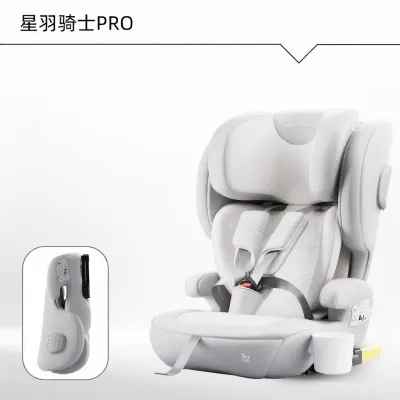
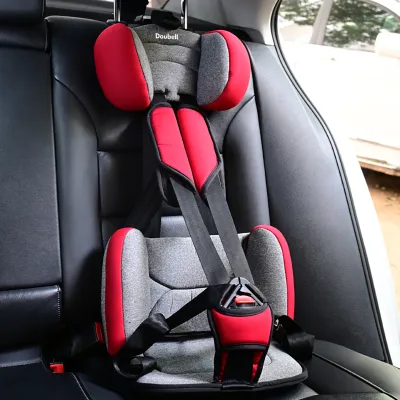
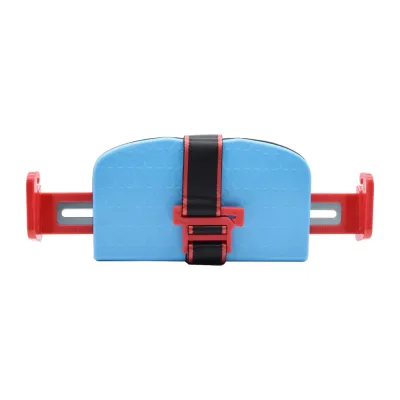
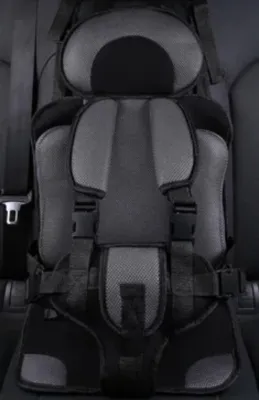
Products mentioned in this guide
![Easyhome.sg [Child SAFETY] Baby Booster Car Seat Chair – Toddler Safety Travel Carrier for Children](https://img.lazcdn.com/g/p/8cf856890dd672e6f3804f0bc6e8503d.png_400x400q80.png_.webp)
![[✅SG Ready Stock] bicycle child seat Safety Bike Front Baby Seat Kids Saddle Pedals Support Back Rest Bike](https://img.lazcdn.com/g/p/301adb33eba92b4498e8d5595fbae296.jpg_400x400q80.jpg_.webp)
Prices are valid at publication and may change. Please refer to the product page for the latest price.
Failing to comply with Singapore’s child restraint laws carries immediate legal consequences for the driver. If caught transporting an unsecured child under the height threshold, drivers face composition fines and demerit points. For serious or repeat offenses, drivers may be prosecuted in court, which can lead to larger financial penalties or even custodial sentences. Taxis are generally exempt from this requirement for rear-seat passengers to accommodate spontaneous travel, but private hire vehicle services are not exempt. This distinction makes it vital for parents who regularly use private hire cars to secure their own portable, compliant child restraints to avoid violating traffic laws and compromising their child’s safety.
How to Verify if a Children Safety Seat Meets Approved Standards
To ensure a children safety seat is legally compliant in Singapore, parents must learn how to locate and interpret the physical certification labels permanently attached to the seat’s shell. The most common and widely accepted standard is the European Union’s safety certification, indicated by an orange label. This label will display either “ECE R44/04” or the newer, more stringent “ECE R129” (also known as i-Size) standard. The label features a circle containing the letter “E” followed by a number, which indicates the country where the seat was tested and certified. Below this mark, you will find a unique approval number and the specific weight or height range for which the seat is legally approved.

Singapore’s regulatory bodies, including the Traffic Police and Enterprise Singapore, officially recognize several international safety standards beyond the European ECE marks. These include the American Federal Motor Vehicle Safety Standard (FMVSS 213), the British Standard (BS), the Japanese Industrial Standard (JIS), and the Australian/New Zealand Standard (AS/NZS 1754). When evaluating a brand, parents must cross-reference the certification printed on the physical product label with this list of approved standards. If a seat does not carry at least one of these recognized international marks, it cannot be legally used on Singapore’s roads, regardless of any safety claims made by the manufacturer or seller.
With the rise of e-commerce, parents must exercise extreme caution when purchasing child safety seats from online marketplaces or third-party sellers. Many unbranded or low-cost seats are marketed with vague phrases like “crash-tested” or “safety approved” without actually possessing genuine, verified certifications. Some counterfeit products even feature fake certification stickers that lack the correct formatting or approval numbers. To protect your child, avoid relying on digital product listings alone. Always inspect the physical seat for a genuine, high-quality, tamper-evident certification label, or request official compliance documentation directly from the brand’s authorized distributor before finalizing your purchase.
Ensuring the Seat Fits Your Child and Vehicle
Selecting a legally compliant children safety seat is only the first step; the seat must also be a precise physical match for your child’s current developmental stage. Rather than relying on broad age recommendations, which can be highly misleading due to varying growth rates, parents must use their child’s exact height and weight as the primary decision metrics. These physical limits are clearly printed on the seat’s certification label. A child who is technically within the age range for a specific seat may actually exceed its height or weight limits, rendering the restraint ineffective and non-compliant. Regularly measuring your child ensures they are always riding in a seat that matches their physical profile.
Vehicle compatibility is another critical factor that dictates whether a compliant seat can be used safely. Most modern vehicles in Singapore are equipped with ISOFIX anchor points, which are metal bars welded directly into the vehicle’s chassis, allowing for a rigid, secure connection without using the adult seatbelt. While ISOFIX systems significantly reduce the risk of installation errors, seatbelt-installed seats are equally safe when fitted correctly. Before purchasing a seat, parents must consult their vehicle’s owner manual to locate the anchor points and review the child safety seat’s official vehicle compatibility list, which specifies which car models and seating positions are compatible with that particular restraint.
The transition between rear-facing and forward-facing orientations must be managed carefully according to the manufacturer’s explicit instructions. Safety experts strongly recommend keeping children in a rear-facing position for as long as possible, as this orientation supports the child’s head, neck, and spine during a frontal impact. Parents should only transition their child to a forward-facing seat once the child has reached the maximum height or weight limit specified by the manufacturer for the rear-facing mode. Prematurely turning a child forward-facing simply because they have reached a certain age can expose their developing neck muscles to dangerous forces during a sudden stop.
Safety Risks and Common Compliance Mistakes to Avoid
While purchasing a compliant children safety seat is essential, certain buying habits and usage errors can completely compromise the seat’s protective capabilities. One of the most significant risks comes from purchasing or accepting second-hand car seats. A used seat may look perfectly fine on the surface, but it could have suffered internal structural damage, hairline fractures, or weakened stress points during a previous collision. Furthermore, second-hand seats often lack the original instruction manual, which is vital for correct installation, and may be missing critical components like infant inserts or harness pads. Without knowing the seat’s complete history, using it poses an unacceptable safety risk.
Another critical factor to consider is the expiration date of the materials used in the seat’s construction. The plastic shell and energy-absorbing foam inside a children safety seat degrade over time, a process accelerated by Singapore’s hot, humid tropical climate and intense UV exposure. Most manufacturers specify a lifespan for their seats, typically ranging from six to ten years from the date of manufacture. This expiration date is usually molded into the plastic underside of the seat or printed on a white manufacture label. Parents must locate this date before purchasing a seat and regularly monitor official manufacturer databases for any product recall notices that might affect their specific model.
Even the highest-rated, most expensive children safety seat will fail to protect a child if it is installed incorrectly. Common installation mistakes include routing the seatbelt through the wrong paths, leaving the harness straps twisted, placing the chest clip too low, or failing to tighten the seatbelt or ISOFIX connectors sufficiently. A properly installed seat should not move more than 2.5 centimetres in any direction when pulled firmly at the belt path. If you encounter difficulties during installation or feel unsure about the security of the setup, you must stop using the seat immediately and consult a certified child restraint technician or a professional car seat fitter to verify the installation.
Frequently Asked Questions (FAQ)
Can I use a children safety seat purchased overseas in Singapore?
You can legally use a children safety seat purchased overseas in Singapore, provided it carries a physical certification mark from one of the international standards recognized by local traffic authorities, such as the European ECE R44/04 or ECE R129 standards. However, importing a seat independently carries practical risks. Vehicles in different regions may have different seatbelt designs or anchor configurations, which can affect how securely the seat fits. Additionally, overseas models are rarely covered by local warranties, making it highly challenging to obtain replacement parts, accessories, or official manufacturer recall support if a safety issue arises.
Are booster cushions legally sufficient for older children?
Booster cushions, or backless boosters, are legally sufficient once a child meets the minimum height and weight thresholds specified by both local traffic laws and the product’s manufacturer. However, parents should understand the safety trade-offs before choosing a backless cushion over a high-back booster seat. High-back boosters provide essential side-impact protection for the child’s head and torso and feature built-in belt guides that keep the vehicle’s shoulder belt positioned safely across the collarbone rather than riding up against the neck. For optimal safety, a high-back booster is highly recommended until the child can fit securely in the vehicle’s seatbelt alone.
What should I do if my car does not have ISOFIX anchors?
If your vehicle does not have built-in ISOFIX anchors, you can legally and safely secure a children safety seat using the vehicle’s three-point adult seatbelt, provided the seat model is certified for seatbelt installation. You must carefully follow the manufacturer’s routing instructions to ensure the seatbelt is threaded correctly through the designated paths and pulled completely tight. It is also important to check your vehicle’s owner manual to determine if the seatbelts feature an automatic locking retractor mode, which locks the belt in place to prevent the child safety seat from shifting during travel.

Community discussion
Share your experience or ask a question. Comments are reviewed before publication.