
In Singapore, road safety regulations mandate that any passenger under the height of 1.35 metres must be secured with an approved child restraint, booster seat, or adjustable seatbelt appropriate for their height and weight. This legal requirement applies to all private vehicles operating on Singapore roads. Failing to secure a child properly not only compromises their physical safety but also constitutes a serious traffic offense under the Road Traffic Act.
Understanding these specific legal boundaries, the criteria for approved equipment, and the practical steps for compliance is essential for every parent and caregiver navigating Singapore’s transport network. While age is often used as a general developmental guide, local traffic laws prioritize physical height as the primary legal threshold. This guide outlines the essential legal mandates, equipment standards, and safety practices required to keep young passengers secure and compliant.
Understanding the Core Legal Mandates
Singapore’s Road Traffic Act establishes clear parameters for child passenger safety. The law dictates that any individual, regardless of age, who is below the height of 1.35 metres must be properly secured using an approved child restraint system or a booster seat when traveling in a motor vehicle. Once a child reaches or exceeds 1.35 metres, they are legally permitted to use the vehicle’s standard adult seatbelt, provided it fits them correctly across the shoulder and pelvis.
Products mentioned in this guide
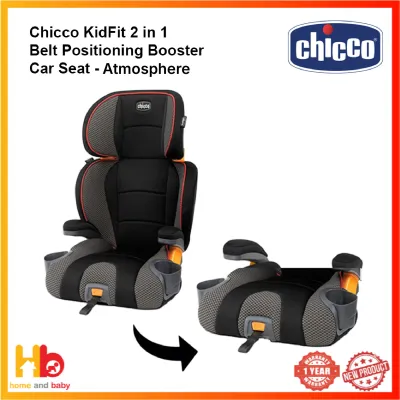
![[NEW] Maxi Cosi Nomad Plus Foldable Toddler Car Seat - 15M -4Y / 9kg - 18kg / 76 - 105 cm](https://img.lazcdn.com/g/p/f2a7fd1067ff7e20755010697c42ba39.jpg_400x400q80.jpg_.webp)
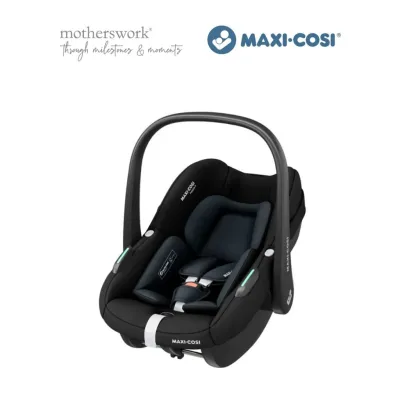
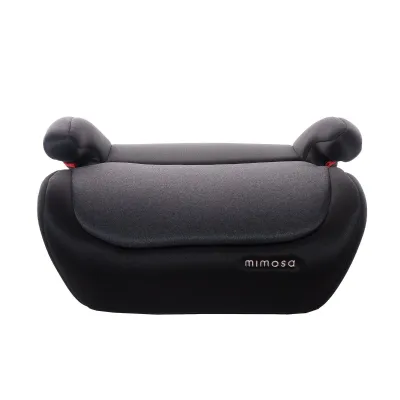
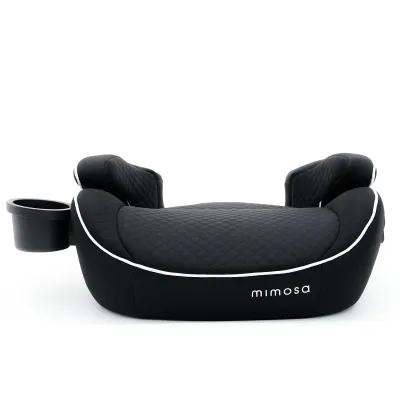
Prices are valid at publication and may change. Please refer to the product page for the latest price.
The legal definition of an approved child restraint system refers to equipment that has been manufactured and tested specifically to protect infants and young children during a collision. Standard adult seatbelts are designed for adult bodies, typically those at least 1.5 metres tall. When used on a smaller child, an adult seatbelt cannot distribute crash forces safely, which is why the law strictly mandates specialized restraints for anyone below the 1.35-metre threshold.
Certain vehicle categories carry specific legal exemptions under Singapore law. Passengers traveling in public buses, school buses, and licensed street-hail or booked taxis are legally exempt from the child restraint requirement. Taxis are classified as public service vehicles, and the law recognizes that passengers cannot always foresee or prepare for a taxi journey with personal safety gear. However, this exemption does not apply to private hire cars, such as those booked through ride-hailing mobile applications, which are legally treated as private passenger vehicles.
Choosing an Approved Child Seat for Compliance
To ensure legal compliance in Singapore, caregivers must verify that their child seat meets recognized international safety standards. The Singapore Traffic Police and Land Transport Authority recognize several major international certification frameworks. When purchasing a seat, look for certification labels indicating compliance with standards such as the United Nations standard UN ECE R44/04 or UN R129 (commonly known as i-Size), the American Federal Motor Vehicle Safety Standard (FMVSS 213), or equivalent British, Japanese, or Australian standards.

Selecting the correct seat requires matching the equipment’s specifications directly to the child’s current height and weight, rather than relying solely on their age. Infant carriers (Group 0+) are designed for newborns and young babies, typically supporting weights up to 13 kilograms. Convertible car seats (Group 1) accommodate growing toddlers, while booster seats (Group 2 and 3) are designed for older children who still fall below the 1.35-metre legal limit but have outgrown harnessed seats. Always consult the manufacturer’s documentation to verify the exact weight and height limits of your specific model.
Using second-hand or expired child seats carries significant legal and safety risks. Over time, exposure to Singapore’s hot and humid tropical climate can degrade the plastic shell and webbing of a car seat, making it brittle and prone to failure during an impact. Most manufacturers specify an expiration date, typically between six to ten years from the date of manufacture, which is often stamped on the underside or back of the plastic shell. Caregivers should avoid using second-hand seats with an unknown history, as they may have suffered invisible structural micro-fractures in a previous collision.
Penalties and Risks of Non-Compliance
Failing to comply with Singapore’s child restraint laws carries immediate legal consequences for drivers and passengers. If a driver fails to ensure that a passenger under 1.35 metres is properly secured in an approved child seat or booster, they commit a traffic offense. The Singapore Traffic Police can issue a composition fine, which typically stands at S$120 along with 3 demerit points for the driver. If the case is prosecuted in court, first-time offenders can face a fine of up to S$1,000, imprisonment for up to three months, or both.
Beyond the financial and legal penalties, the physical risks of non-compliance are severe. When a child under 1.35 metres uses a standard adult seatbelt without a booster seat, the lap belt rests across their vulnerable abdomen rather than their strong pelvic bones. In a sudden deceleration or collision, this positioning can cause “seatbelt syndrome,” resulting in severe internal organ damage, spinal injuries, or internal bleeding. Additionally, the shoulder strap of an adult seatbelt often rides up across a child’s neck or face, posing a significant risk of asphyxiation or severe neck trauma during an impact.
Using an unapproved or improperly sized seat also compromises safety. A seat that is too large for an infant cannot support their head and neck adequately, while a seat that is too small may fail to restrain a larger child during a crash. Caregivers must treat compliance not merely as a legal obligation to avoid fines, but as a critical safety measure designed to protect fragile developing bodies from extreme physical forces.
Proper Installation and Usage for Maximum Safety
An approved child seat can only provide its intended protection if it is installed correctly according to the manufacturer’s instructions. Caregivers must carefully read both the child seat installation manual and the vehicle’s owner handbook before securing the seat. Most modern vehicles in Singapore feature ISOFIX anchor points, which allow the seat to connect directly to the vehicle’s chassis. If installing via the vehicle’s seatbelt, ensure the belt is routed precisely through the designated color-coded paths—typically blue for rear-facing installations and red for forward-facing setups.
Before every journey, perform a quick safety check to verify the harness fit and seat stability. The harness straps should be snug against the child’s body; you should not be able to pinch any excess webbing at their collarbone. If the seat features a chest clip, position it at armpit level to keep the shoulder straps securely in place. The car seat itself should be tightly secured to the vehicle seat, moving no more than 2.5 centimeters in any direction when pulled at the belt path.
It is critical to recognize when a child seat must be retired from service. Any child seat that has been involved in a motor vehicle collision—even a minor rear-end shunt—must be replaced immediately. The forces generated during a crash can cause microscopic fractures in the plastic shell and stretch the internal webbing, rendering the seat unsafe for future use. If you observe any visible cracks, frayed straps, or broken buckles during regular cleaning, stop using the seat immediately and consult the manufacturer or a certified child passenger safety technician.
Frequently Asked Questions (FAQ)
Can my child sit in the front seat with a child seat?
Yes, Singapore law permits a child to sit in the front passenger seat provided they are secured in an approved child restraint appropriate for their height and weight. However, safety experts strongly recommend placing children in the rear seats, which are statistically safer during a collision. If you must install a rear-facing child seat in the front passenger seat, you must deactivate the front passenger airbag. The rapid, forceful deployment of an airbag against the back of a rear-facing seat can cause fatal head and neck injuries to an infant. For forward-facing seats in the front, slide the vehicle seat as far back as possible to maximize the distance between the child and the airbag deployment zone.
Are taxis and private hire cars exempt from child seat laws?
There is a strict legal distinction between traditional taxis and private hire cars regarding child seat requirements in Singapore. Licensed street-hail and booked taxis are legally exempt from the child restraint mandate, meaning children under 1.35 metres may travel in the rear seat using standard seatbelts. This exemption exists because taxis are classified as public transport. Conversely, private hire cars (such as those booked via ride-hailing apps) are not exempt. If you travel in a private hire car with a child under 1.35 metres, you must provide your own portable child seat, use a booster seat, or book a specific ride-hailing service tier that includes an approved child restraint. Drivers of private hire cars can legally refuse to board passengers with young children if no appropriate restraint is available.
How do I check if my current child seat is still legally approved?
To verify if your current child seat is legally compliant, start by locating the safety certification label on the seat’s shell. This is usually an orange sticker indicating compliance with European standards (such as ECE R44/04 or R129) or a label detailing compliance with other recognized standards like FMVSS 213. Next, check the manufacturer’s stamp or label to find the manufacture date and the recommended expiration date, ensuring the seat has not surpassed its useful lifespan. Finally, cross-reference your seat’s brand and model with official safety recall databases provided by transport authorities or the manufacturer’s website to ensure there are no active safety alerts or product recalls affecting your specific model.

Community discussion
Share your experience or ask a question. Comments are reviewed before publication.