
Creating a safe environment for your growing child is a top priority for parents in Singapore. As babies transition from crawling to pulling themselves up and eventually taking their first steps, sharp furniture corners become immediate hazards. While active supervision is always the primary line of defense, installing high-quality child safety corner guards is a practical way to reduce the risk of impact injuries. However, a guard that works effectively on a wooden dining table might peel off a glass coffee table within days.
To choose the right protection, you must match the corner guard’s material, shape, and adhesive to the specific type of furniture in your home. Singapore’s unique tropical climate, characterized by high humidity and temperature fluctuations between air-conditioned interiors and open-air ventilation, also plays a significant role in how well adhesives perform. By understanding the physical properties of foam, rubber, and silicone, and learning how to prepare different surfaces, you can ensure a secure, long-lasting installation that keeps your little one safe.
How to Match Corner Guard Materials to Your Furniture
Selecting the right material for your child safety corner guards involves balancing impact absorption, durability, and aesthetics. The three most common materials available on the market are foam, rubber, and silicone, each offering distinct advantages depending on where and how they are used.
Products mentioned in this guide

Prices are valid at publication and may change. Please refer to the product page for the latest price.
Foam guards, typically made from Nitrile Butadiene Rubber (NBR), are highly favored for their exceptional softness and high impact absorption. When a child bumps into a foam guard, the material compresses significantly, absorbing the force of the impact and distributing it away from the sharp corner. This makes foam an excellent choice for low-lying furniture where toddlers are likely to fall from a standing or walking position. However, foam is relatively porous and soft, making it susceptible to wear and tear. Curious toddlers who are teething may attempt to bite or pick at the foam, which can lead to tearing and create potential choking hazards.
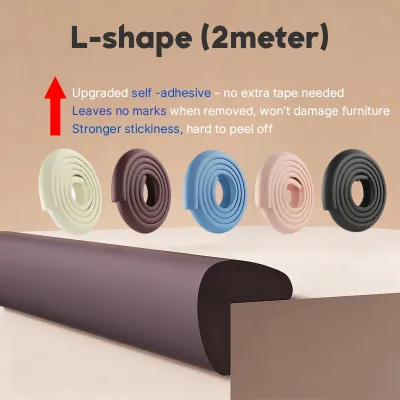
Dense rubber guards offer a firmer alternative to foam. They provide a high level of impact resistance while being significantly more durable and resistant to biting or tearing. Rubber guards are highly suitable for high-traffic areas of the home where furniture is frequently bumped by vacuum cleaners, toys, or passing adults. While they do not compress as softly as foam, their density ensures that the sharp edge beneath remains completely isolated from impact.
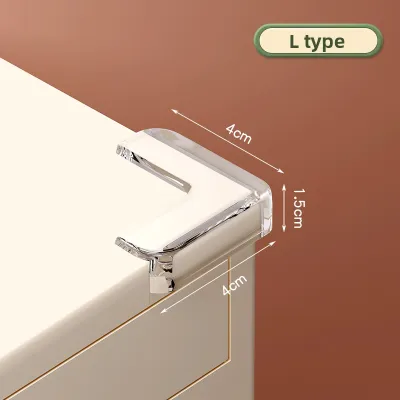
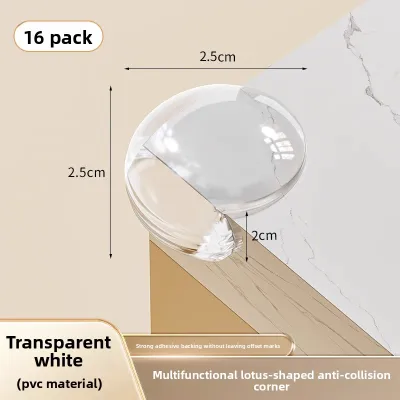
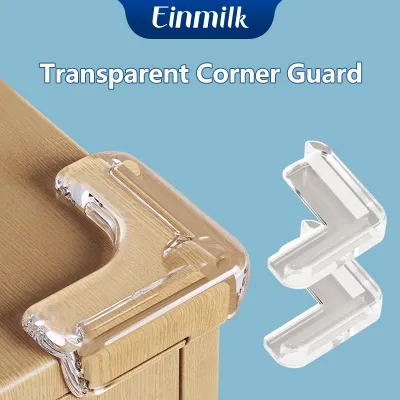
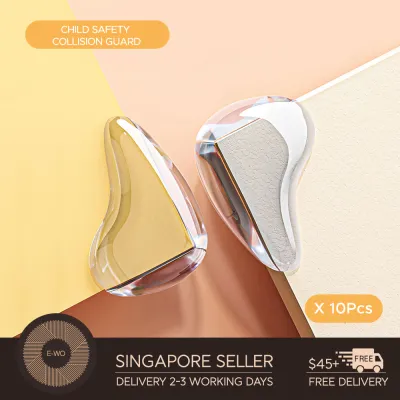
Silicone guards have gained immense popularity due to their durability, ease of cleaning, and discreet appearance. Silicone is a non-porous, highly resilient material that easily resists bite marks and scratches. It is firmer than both foam and rubber, meaning it relies on its structural shape to deflect and distribute impact forces rather than compressing deeply. Because silicone can be manufactured to be completely transparent, it is a popular choice for parents who want to maintain the aesthetic appeal of their furniture without compromising on safety.
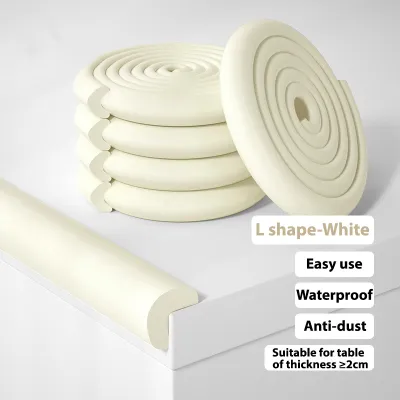
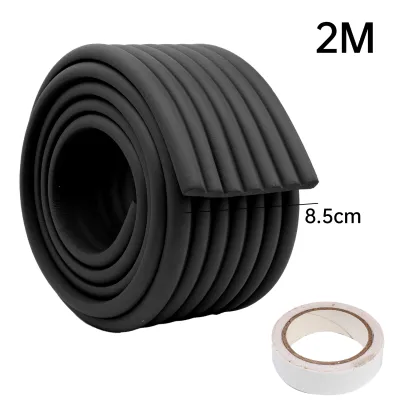
Shape compatibility is another critical factor to consider. Ball-shaped or spherical corner guards are designed to wrap around three-way corners, such as the sharp points of dining tables, desks, and countertops. These guards provide comprehensive coverage from the top, side, and front angles. For longer, continuous sharp borders—such as the edges of TV consoles, low shelves, or long benches—L-shaped edge strips or flat edge guards are much more effective. These strips can be cut to custom lengths to cover the entire exposed edge, preventing injuries along the entire perimeter of the furniture.
Aesthetic considerations should not be overlooked, as maintaining a visually cohesive living space can contribute to a calmer home environment. Clear silicone guards are virtually invisible on glass and light-colored wood, allowing the natural beauty of the furniture to show through. Opaque foam and rubber guards are available in a wide range of colors, including brown, black, grey, and white. Matching the guard color to your furniture helps it blend in seamlessly. Alternatively, some parents choose highly contrasting colors to make the sharp corners visually distinct, helping toddlers learn to navigate around these obstacles as they develop spatial awareness.
Glass Tables and Surfaces
Glass coffee tables, side tables, and display cabinets add a modern touch to Singaporean homes, but their sharp, rigid edges pose a significant risk to active toddlers. Protecting these surfaces requires a careful approach, as glass is completely non-porous and highly reflective, making any underlying adhesive or mounting tape highly visible.
Clear silicone corner guards are a highly suitable choice for glass surfaces. Their transparency ensures that the visual weight of the furniture is not disrupted, and they do not create a stark, unsightly contrast. When choosing silicone guards for glass, look for designs that utilize clear, double-sided acrylic adhesives. These adhesives are formulated to remain transparent and resist yellowing when exposed to natural sunlight filtering through windows.
Adhesive compatibility is paramount when dealing with glass. Because glass surfaces are incredibly smooth, the adhesive must rely on a strong chemical bond rather than mechanical grip. Ensure the product specifications explicitly state compatibility with glass surfaces. Using the wrong adhesive can result in the guard sliding off easily under pressure, or conversely, leaving a permanent, cloudy residue that is incredibly difficult to remove without scratching the delicate glass surface.
Wooden Cabinets and Desks
Wooden furniture is a staple in many households, ranging from solid teak dining tables to veneered study desks and painted MDF cabinets. Wood is a porous material, and its surface texture can vary wildly from highly polished and varnished finishes to rough, untreated grains.
For heavy wooden furniture with sharp, square edges, thicker foam or dense rubber guards are highly recommended. These materials provide a substantial, forgiving cushion that can absorb the force of a child falling against heavy, unyielding wood. The flexibility of foam and rubber also allows them to conform slightly to the natural imperfections or minor curves often found in wooden furniture designs.
Adhesive selection for wooden surfaces requires careful consideration of the wood’s finish. High-tack adhesives can create a bond so strong that they strip away varnishes, stains, or paint when the corner guard is eventually removed. For varnished, lacquered, or painted wood, look for pressure-sensitive adhesives that are labeled as safe for finished wood surfaces. If you are dealing with untreated or highly textured wood, standard adhesives may struggle to bond effectively; in these cases, a stronger, specialized mounting tape may be necessary, but you should always test a small, hidden area first to assess potential damage.
Metal Frames and Appliances
Modern interior design in Singapore often incorporates industrial metal elements, such as steel table legs, iron shelving units, and low-lying metal appliances like mini-fridges or washing machines. Metal surfaces are cold, smooth, and completely non-porous, presenting unique challenges for childproofing.
When securing corner guards to metal, it is essential to select high-tack adhesives specifically formulated for non-porous surfaces. Standard adhesives may slide or peel away easily, especially if the metal surface experiences temperature fluctuations, such as the side of a refrigerator or a metal frame near a sunny balcony.
Flexible materials, such as soft rubber or highly pliable silicone, are highly suitable for metal frames. These materials can easily conform to the sharp, thin edges of sheet metal or the curved profiles of tubular metal frames. Before application, the metal surface must be meticulously cleaned to remove any manufacturing oils, fingerprints, or household dust, ensuring the adhesive can establish a direct, uninterrupted bond with the metal.
Key Features to Check Before Buying
Before purchasing child safety corner guards, parents should equip themselves with a practical checklist to verify the safety, durability, and suitability of the products. Because these safety devices will be in close contact with your child, relying solely on product names or marketing claims is not enough.

First, verify all material safety claims by carefully inspecting the product packaging and manufacturer specifications. Look for clear labels indicating that the guards are non-toxic, BPA-free, phthalate-free, and lead-free. Since infants and toddlers frequently explore their world by chewing, choosing food-grade silicone or materials that comply with recognized international safety standards (such as EN 71 or REACH) provides peace of mind that the material is safe if accidentally mouthed.
Second, evaluate the thickness and density of the corner guards in relation to your child’s developmental stage and weight. For younger babies who are just beginning to crawl or pull themselves up, softer, thicker foam guards are excellent for absorbing low-velocity bumps. However, as children grow older, heavier, and more active, they run with greater force. For these older toddlers, denser rubber or silicone guards are more appropriate, as they prevent the child’s body from “bottoming out” against the hard furniture corner during a high-impact collision.
Third, check for potential choking hazards and evaluate the overall durability of the guard. Small, individual corner guards can easily become choking hazards if they are pulled off by a determined child. Ensure the guards have a wide, substantial profile that cannot fit entirely into a child’s mouth. Additionally, look for high tear resistance, particularly if you are choosing foam materials, to prevent your child from biting off and swallowing small pieces of the guard.
Adhesive Selection and Surface Preparation
The effectiveness of any child safety corner guard is only as good as the adhesive holding it in place. Proper surface preparation and choosing the correct adhesive type are critical to ensuring a long-lasting bond, especially in Singapore’s warm and humid climate, which can naturally degrade adhesive strength over time.
To prepare the surface, begin by thoroughly cleaning the area where the corner guard will be applied. Use a mild degreasing agent or isopropyl alcohol to remove all traces of dust, dirt, skin oils, and furniture polish. Even a microscopic layer of wax or oil can prevent the adhesive from bonding correctly. After cleaning, allow the surface to dry completely. Any trapped moisture beneath the adhesive will compromise the bond and lead to premature peeling.
When comparing adhesive options, double-sided acrylic tape is the most common and versatile choice. It offers a strong, clear bond that works well on glass, metal, and finished wood, and it typically removes cleanly without leaving heavy residue. Silicone gel pads are another option, providing a thicker, slightly flexible bond that can help cushion the guard itself, though they require highly polished, flat surfaces to grip effectively. Avoid using permanent liquid glues or industrial-strength adhesives unless you are prepared to permanently alter or damage the furniture surface upon removal.
Be particularly cautious when applying adhesives to delicate finishes, antique wood, or paper-veneered furniture. The adhesive bond can easily pull up the delicate wood grain, veneer, or antique lacquer when the guard is eventually removed. For these sensitive surfaces, opt for gentler, residue-free tapes designed for temporary applications, and accept that you may need to inspect and replace them more frequently if they begin to lift.
Installation, Maintenance, and Safe Removal
Proper installation, ongoing maintenance, and safe removal techniques are essential to maximizing the life of your corner guards and protecting your furniture from damage.
During installation, align the corner guard precisely before letting the adhesive touch the surface. Once positioned, apply firm, even pressure across the entire guard for at least 30 seconds. This pressure activates the adhesive, ensuring a complete bond. Crucially, allow the adhesive to cure undisturbed for the manufacturer’s recommended time—typically 24 hours—before allowing your child near the furniture. Restricting access during this curing phase is the single most important step in preventing the guard from being easily pulled off later.
Establish a routine inspection checklist to monitor the condition of all installed corner guards. At least once a week, check each guard for signs of peeling edges, loss of adhesive tack, deep bite marks, or crumbling material. In Singapore’s humid environment, adhesives can slowly lose their grip over time. If you notice any lifting or damage, replace the guard immediately to maintain safety and prevent it from becoming a loose choking hazard.
When it is time to remove the corner guards, do not pull them off forcefully, as this can damage wood finishes or leave stubborn residue on glass. Instead, use a hair dryer on a low-to-medium heat setting to gently warm the corner guard and soften the adhesive. Once the adhesive is warm and pliable, slowly peel the guard away from the surface. Any remaining residue can be rolled off with your fingers or dissolved using a mild adhesive remover, vegetable oil, or isopropyl alcohol, depending on what the furniture material can safely tolerate.
Frequently Asked Questions (FAQ)
Are foam or silicone corner guards better for toddlers?
The choice between foam and silicone depends largely on your toddler’s behavior and the specific furniture pieces. Foam corner guards offer excellent impact absorption due to their thick, cushioned structure, making them highly effective for sharp wooden edges where high-impact bumps are likely. However, if your toddler is teething and prone to chewing on household objects, silicone guards are highly preferable. Silicone is extremely durable, tear-resistant, and difficult to bite through, significantly reducing the risk of the child swallowing small pieces of the guard.
How often should I replace child safety corner guards?
There is no fixed timeline for replacing corner guards, but they should be replaced immediately upon showing signs of physical degradation. Regularly inspect the guards for peeling edges, a noticeable loss of adhesive grip, deep bite marks, or visible tearing in foam materials. In Singapore’s humid climate, adhesives may degrade faster than in drier environments, making routine checks essential to ensure the guards remain securely attached and capable of absorbing impacts.

Community discussion
Share your experience or ask a question. Comments are reviewed before publication.