
The “most appropriate” child proof socket cover depends entirely on how often the outlet is used and your child’s developmental stage. While standard Type G 3-pin outlets feature built-in safety shutters, these internal mechanisms are not foolproof against determined toddlers using tools or excessive force. For rarely used outlets, simple plug-in caps provide a sufficient secondary barrier. However, for frequently used outlets or areas where cords must remain plugged in, sliding faceplate replacements or lockable socket boxes offer targeted protection and adult convenience. This guide compares the main design types to help you match the right cover to your home’s specific electrical layout and your child’s behavior.
In Singapore homes, electrical safety is a paramount concern for parents as infants transition into mobile toddlers. The standard Type G outlet, with its distinctive three-pin configuration, is designed with some inherent safety features, but curious children often find ways to interact with these wall fixtures. Choosing the right protective cover requires understanding your daily household routines, the specific locations of your power points, and how your child interacts with their environment.
Understanding Type G Outlets and Built-in Safety Features
Type G electrical outlets are the standard wall sockets found throughout Singapore. These outlets feature three rectangular slots arranged in a triangular pattern, designed to accommodate a matching three-pin plug. The top slot is for the earth pin, while the bottom two slots represent the live and neutral connections.
Products mentioned in this guide
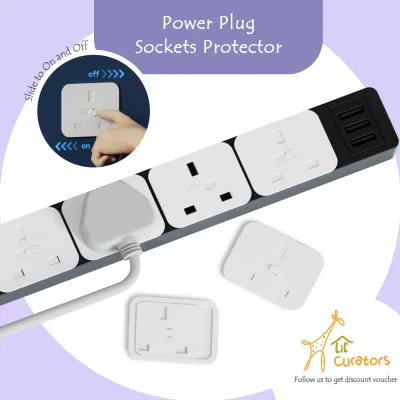
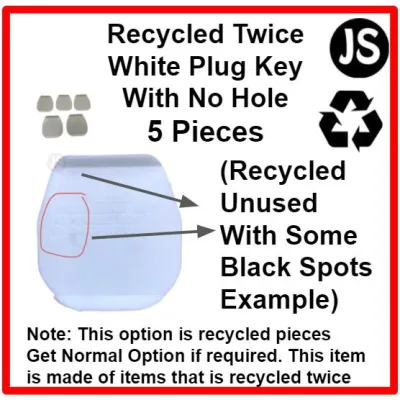
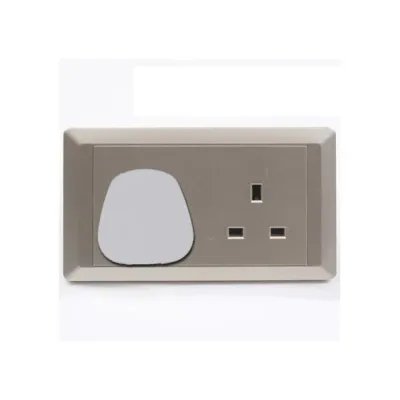
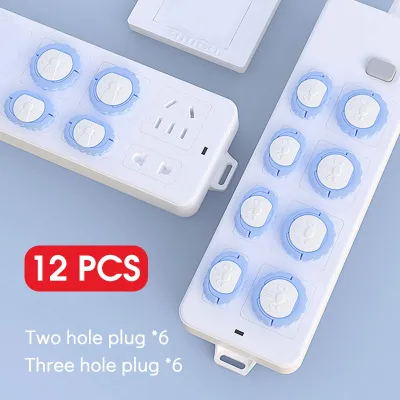
Prices are valid at publication and may change. Please refer to the product page for the latest price.
A key design feature of the Type G outlet is the internal safety shutter mechanism. In theory, these shutters remain closed over the live and neutral apertures until a longer earth pin enters the top slot first, which mechanically pushes the shutters aside. This design is intended to prevent children from inserting single foreign objects, such as hairpins or keys, directly into the live slots.
However, these built-in shutters are not entirely foolproof. A determined toddler playing with multiple objects or applying significant force can sometimes bypass or damage the internal mechanism. For instance, if a child inserts an object into the top earth slot, they may inadvertently open the lower shutters, exposing the live terminals to other conductive items.
Furthermore, standard outlets do not prevent children from pulling out active plugs. When an appliance like a fan or vacuum cleaner is plugged in, a child can pull the cord, partially exposing the metal pins while the plug is still carrying electrical current. Supplementary external covers are therefore useful to block access to empty sockets, secure active plugs, and protect the internal shutter mechanisms from dust, liquid spills, or physical damage.
Comparing Common Socket Cover Designs for 3-Pin Outlets
When selecting child proof socket covers for Type G outlets, parents must evaluate several distinct mechanical designs. Each category offers a different balance of toddler resistance, ease of adult use, and installation complexity. Understanding these trade-offs is essential for creating a practical home safety plan that does not cause daily frustration for caregivers.

Standard Plug-in Plastic Caps
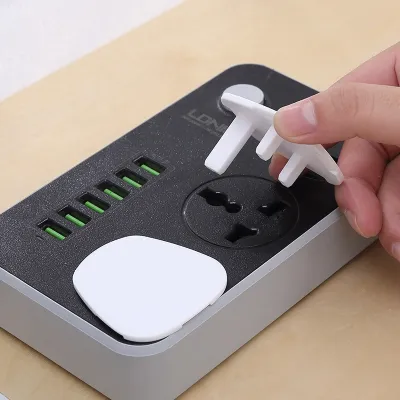
Standard plug-in plastic caps are the most common and economical option available on the market. These simple covers consist of a plastic face with three dummy pins that mimic a standard Type G plug, allowing them to insert directly into the outlet and block the slots completely. They are designed to fit flush against the wall plate, leaving very little edge for small fingers to grip.
While these caps are exceptionally easy to install, their effectiveness depends heavily on the physical effort required for removal. Some models are designed so tightly that adults require a tool or another plug to pry them out, which provides effective toddler resistance but can be highly inconvenient in high-use areas. Conversely, looser caps may be easily pried loose by older toddlers who have developed better fine motor skills and grip strength.
Another critical consideration is the impact of these caps on the outlet’s internal shutters. Repeatedly inserting and removing low-quality plastic caps can wear down or misalign the internal spring-loaded shutters over time. Parents should regularly check the grip tension of these caps to ensure they remain secure without causing damage to the wall socket itself.
Locking or Hinged Plug-in Covers
To address the vulnerability of standard caps, some manufacturers offer upgraded insert designs featuring locking or hinged mechanisms. These covers often require a specific, coordinated physical action to remove, such as pressing dual-action release buttons, squeezing side tabs, or using a specialized plastic key.
These mechanical barriers significantly increase toddler resistance, as the multi-step removal process generally exceeds the cognitive and motor capabilities of young children. They are particularly useful for outlets located in common play areas where children have unsupervised time, providing an extra layer of security against persistent tampering.
However, this increased security comes with a trade-off in adult convenience. Caregivers must navigate the locking mechanism every time they need to plug in an appliance, which can be frustrating during daily chores. Additionally, there is a practical risk of misplacing the specialized removal keys or tools, which can temporarily prevent adults from accessing the outlet in an emergency.
Sliding Socket Plate Replacements
Sliding socket plate replacements offer a more permanent and integrated safety solution. These devices replace the existing outlet faceplate or attach securely over it, featuring spring-loaded sliding covers over the pinholes. When you want to plug in an appliance, you must insert the plug pins and slide the cover to the side to align with the internal slots.
The primary advantage of this design is its automatic operation. The moment a plug is withdrawn, the spring-loaded cover slides back into place, instantly blocking access to the live terminals without requiring any manual intervention from the caregiver. This makes them highly suitable for high-traffic outlets that are frequently used for vacuum cleaners, phone chargers, or kitchen appliances.
Installation of sliding plates is more complex than simply pushing in a plastic cap. Depending on the specific product design, it may require unscrewing the existing faceplate and installing the replacement, which requires basic electrical safety knowledge or professional assistance. Parents must also evaluate the long-term durability of the internal springs, as wear and tear can eventually prevent the cover from sliding back fully.
Socket Boxes and Outlet Covers
Socket boxes, also known as outlet enclosures, are protective covers designed to enclose both the outlet faceplate and any plugged-in cords simultaneously. These boxes typically feature a clear or opaque plastic dome that clips or locks over the entire outlet, with a small opening at the bottom for cords to exit safely.
This design is specifically engineered for outlets that must remain active, such as those powering refrigerators, air conditioners, television consoles, or baby monitors. By enclosing the entire plug, these boxes prevent toddlers from pulling cords out of the wall, which protects both the child from electrical contact and the appliance from sudden power loss.
While highly effective, socket boxes are physically large and can impact the aesthetics of a room. They require sufficient wall space around the outlet to install properly, which may be limited behind furniture or in tight corners. Furthermore, parents must ensure adequate ventilation within the box, especially when enclosing larger power adapters or transformers that can generate heat during continuous operation.
How to Choose the Right Cover for Your Home
Selecting the right mix of socket covers requires a systematic approach based on how your family uses each room. Rather than buying a single type of cover in bulk, a hybrid strategy tailored to specific outlet locations and appliance usage typically yields the most practical results for safety and convenience.
For outlets that are rarely or never used, such as those hidden behind heavy wardrobes or low-level sockets in guest rooms, standard plug-in plastic caps are usually sufficient. Since these outlets are seldom accessed, the inconvenience of prying out a tight cap is minimized, and the physical barrier remains undisturbed for long periods.
For high-frequency outlets located in open areas—such as kitchen counters, living room walls, or hallway corridors—sliding socket plate replacements are highly recommended. These covers eliminate the risk of loose caps lying around the floor and ensure the outlet is immediately protected the moment an appliance is unplugged.
For outlets with permanently plugged-in appliances, particularly those within a child’s reach like low-lying entertainment centers or bedside tables, socket boxes are the most appropriate choice. They prevent the dangerous scenario of a child pulling on a live cord, which can lead to electrical exposure or cause heavy appliances to fall.
When choosing a locking mechanism, parents must also factor in their child’s age, manual dexterity, and observed problem-solving skills. A simple cap that deters a twelve-month-old infant may be easily bypassed by a curious two-year-old who has watched adults use the outlet. Regularly observing how your child interacts with household objects will help you determine when it is time to upgrade to a more complex locking system. Always verify the recommended age range, method of use, and manufacturer warnings from the specific product documentation before installation.
Finally, standard wall outlet covers are generally incompatible with multi-plug adapters, extension cords, or power strips. For these devices, parents should look for specialized cable management boxes or safety covers designed specifically to enclose entire power strips, keeping them completely out of sight and reach of children.
Safety Checks and Installation Guidelines
Implementing electrical safety measures in the home requires careful attention to detail to avoid introducing new hazards. Before purchasing any child proof socket covers, parents must verify that the products are explicitly compatible with Type G 3-pin configurations and check for any relevant safety certifications or manufacturer recalls on the product packaging. Using covers designed for other international plug standards can result in a loose fit, exposing live parts or damaging the outlet.
Under no circumstances should parents attempt to modify an outlet faceplate, file down plastic pins, or bypass internal safety shutters to force a poorly fitting cover into place. Forcing incompatible items into an electrical socket can damage the internal contacts, create short circuits, or lead to electrical fires. If a cover does not slide in smoothly with moderate pressure, stop immediately and verify its specifications.
Regular maintenance and inspection are critical to ensuring ongoing protection. Parents should routinely inspect all installed covers for signs of wear, cracked plastic, or loose fits. Damaged plastic caps can easily break, creating sharp edges or small pieces that present a serious choking hazard to young children. Any cover that shows signs of teething damage, discoloration, or structural weakness must be replaced immediately.
For safety solutions that require replacing the physical faceplate or altering the home’s electrical wiring, it is highly recommended to consult a qualified electrician. This is particularly important in older homes where wiring may be fragile, or where standard mounting brackets may not align with modern safety covers. If you notice any signs of electrical sparking, loose wall sockets, or damaged wiring, stop using the outlet immediately and consult a qualified professional electrician.
Frequently Asked Questions (FAQ)
Do I still need covers if my Type G outlets have built-in shutters?
Yes, supplementary covers are still highly recommended even if your Type G outlets feature built-in safety shutters. While the internal shutters provide an excellent baseline defense against the casual insertion of single objects, they do not prevent a child from inserting multiple objects simultaneously or using excessive force to bypass the mechanism. Additionally, internal shutters offer no protection against children pulling on active power cords, which can partially expose live plug pins or cause heavy appliances to fall. External covers act as a vital secondary barrier, keeping the outlet completely inaccessible and securing active plugs in place.
Are plug-in caps a choking hazard?
Yes, standard plug-in caps can pose a significant choking hazard if they are easily removed, broken, or left lying around the floor. Because these caps are relatively small, a determined toddler who manages to pry one out of the wall may immediately place it in their mouth. Parents must ensure that any plug-in cap used fits extremely tightly and cannot be removed by a child’s fingers or teeth. It is also essential to store removed caps safely out of reach when an outlet is temporarily in use, and to immediately discard and replace any cap that shows signs of cracking, wear, or structural damage.

Community discussion
Share your experience or ask a question. Comments are reviewed before publication.