
In Singapore, the law mandates that anyone below 1.35 metres in height, regardless of age, must be secured with an approved child restraint, booster seat, or adjustable seat belt while travelling in a motor vehicle. This requirement serves as the baseline for child passenger safety across the country. Ensuring compliance not only protects young passengers from severe injury but also keeps drivers aligned with local traffic regulations.
Understanding how these rules apply to different vehicle types, recognizing approved safety standards, and mastering proper installation are essential steps for every parent and caregiver. Navigating these requirements carefully ensures that every journey is both legally compliant and physically secure.
The Core Legal Requirement: Height and Age Rules
Singapore’s Road Traffic Act establishes a clear physical threshold for child passenger safety: height, rather than age, is the definitive legal metric. Anyone under 1.35 metres in height must be secured using an appropriate child restraint system, booster seat, or an adjustable seat belt. This rule applies to all motor vehicles, with specific exceptions managed by vehicle classification.
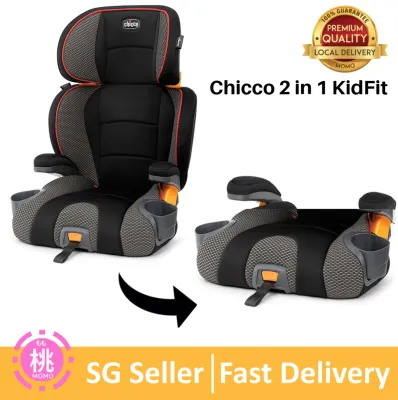
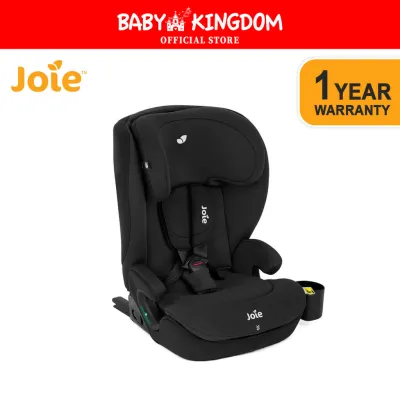
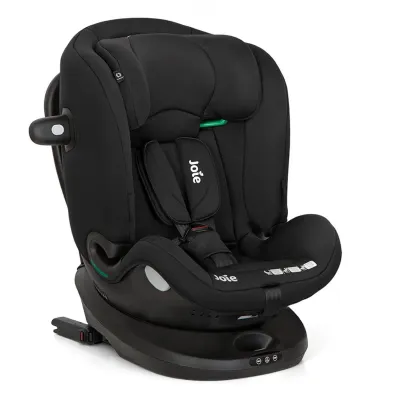
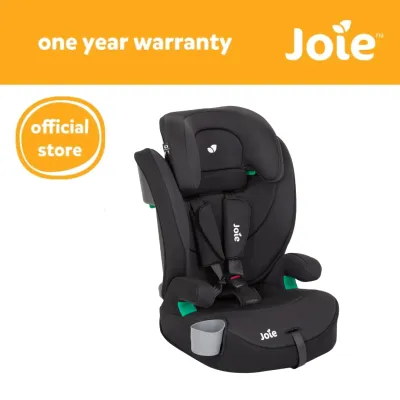
Products mentioned in this guide
![[Jarrons & Co] EvenFlo Sutton Car Seat (1 Year Warranty)](https://img.lazcdn.com/g/p/3dafa69fe4d821132935aa8ff9dda921.png_400x400q80.png_.webp)
![Easyhome.sg [Child SAFETY] Baby Booster Car Seat Chair – Toddler Safety Travel Carrier for Children](https://img.lazcdn.com/g/p/9a1e79f7193f323d784f040bd84fc2a9.png_400x400q80.png_.webp)
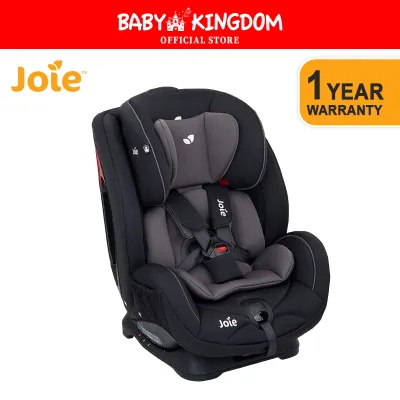
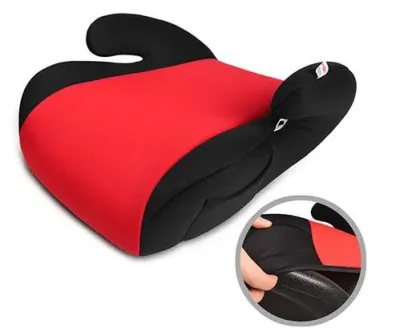
Prices are valid at publication and may change. Please refer to the product page for the latest price.
While manufacturers often categorize car seats by age groups, traffic authorities enforce the height limit strictly because standard vehicle seat belts are designed to protect adults who are at least 1.35 metres tall. A standard seat belt on a shorter child can rest dangerously across the neck or abdomen, risking severe internal injuries during sudden braking or a collision. Age serves as a helpful developmental guide, but height remains the absolute legal standard.
Travelling in the front passenger seat introduces additional legal and physical risks for minors. While the law does not completely ban children from the front seat if they are properly secured in an approved restraint, placing a rear-facing child car seat in a front seat with an active airbag is highly dangerous and legally restricted. The rapid deployment of a front airbag can strike a rear-facing seat with immense force, leading to catastrophic injuries.
Ultimately, the driver of the vehicle bears the legal responsibility for ensuring that every child passenger is secured correctly. If a child under the height threshold is found unrestrained or improperly secured, the driver is the party subject to legal penalties. This responsibility emphasizes the need for drivers to verify safety setups before starting the engine.
Recognized Safety Standards: How to Identify an Approved Car Seat
To comply with Singapore’s traffic laws, a car seat must be certified under recognized international safety standards. The Land Transport Authority (LTA) and Traffic Police recognize specific standards, most notably the United Nations Economic Commission for Europe (UN ECE) regulations, specifically UN ECE R44/04 and the newer UN ECE R129 (commonly known as i-Size). Caregivers must verify current accepted certifications directly with official local transport authorities before purchasing a seat.

Identifying an approved car seat requires inspecting the physical product for an official certification label, which is typically an orange sticker or tag affixed to the seat shell. This label contains critical data, including the specific standard code, the weight or height parameters for which the seat is approved, and a unique approval number. If a seat lacks this label or if the text is illegible, its compliance cannot be legally verified.
When evaluating second-hand car seats, caregivers must exercise extreme caution. A pre-owned seat with an unknown history, or one that has been involved in even a minor collision, may suffer from invisible structural micro-fractures that compromise its ability to absorb impact forces. If you cannot verify the complete history of the seat, or if the original certification labels and manufacturer instructions are missing, the seat should not be used.
Caregivers should regularly cross-check their child’s physical measurements against the limits printed on the car seat’s certification label. Children grow at highly individual rates, and exceeding the manufacturer’s specified weight or height limits for a particular seat model invalidates its safety performance. Always consult the specific product documentation to ensure the seat remains suitable for your child’s current development stage.
Private Cars vs. Taxis and Ride-Hailing Services
The legal requirements for child restraints in Singapore vary significantly depending on the classification of the vehicle. In private passenger cars, there are no exemptions: any child under 1.35 metres must be secured in an appropriate restraint, and the caregiver is entirely responsible for supplying and installing the equipment.
Standard metered taxis, which are hailed on the street or queued at taxi stands, hold a specific legal exemption under current traffic regulations. Because these vehicles are public transport options that passengers utilize spontaneously, they are exempt from the mandatory requirement to provide child car seats. However, safety regulations still mandate that any child under 1.35 metres travelling in a taxi must sit in the rear seats to minimize injury risks.
In contrast, private hire cars and ride-hailing services booked via mobile applications are legally classified similarly to private passenger vehicles. This means the taxi exemption does not apply to them. Caregivers booking a ride-hailing vehicle must either bring their own portable, approved car seat or select specific booking tiers that guarantee a vehicle equipped with an appropriate child restraint system.
Because transport regulations and service provider policies are subject to change, caregivers should regularly consult the latest official guidelines from the Traffic Police and the Land Transport Authority (LTA) to verify current exemptions and requirements for different vehicle types.
Legal Penalties for Non-Compliance
Failing to secure a child under 1.35 metres in an approved restraint system carries immediate legal consequences for the driver of the vehicle. Under the Road Traffic Act, the Traffic Police can issue composition fines and assign demerit points directly to the driver’s license for non-compliance.
Because penalty structures, fine amounts, and demerit point values are adjusted periodically by traffic authorities, drivers should consult the official Singapore Police Force (SPF) or Land Transport Authority (LTA) portals to review the most current penalty schedules. Relying on outdated figures can lead to unexpected legal and financial liabilities.
The legal consequences escalate significantly for repeat offenders or in situations where an unrestrained child is involved in a traffic accident resulting in injury. In such cases, drivers can face formal prosecution in court, potentially leading to heavier court-imposed fines, longer driving disqualifications, or custodial sentences depending on the severity of the negligence.
While the threat of fines and license points serves as an enforcement mechanism, the primary objective of these regulations is to prevent preventable injuries. Proper restraint usage dramatically lowers the physical forces exerted on a child’s body during a crash, transforming legal compliance into a direct act of life-saving care.
Safe Installation and Usage Best Practices
Achieving legal compliance is only the first step; a car seat must be installed correctly to perform as engineered. Caregivers generally choose between two primary installation methods: the vehicle’s three-point seat belt system or the ISOFIX anchor system. While both methods are safe when executed properly, ISOFIX systems are widely recognized for significantly reducing the risk of installation errors, as they clip directly into the vehicle’s structural chassis.
For infants and young toddlers, keeping the car seat in a rear-facing position for as long as possible is highly recommended by safety experts. When installing a rear-facing seat, it must never be placed in a passenger seat equipped with an active frontal airbag. If the airbag deploys, the force of the impact against the back of the car seat can cause severe or fatal head and neck trauma.
Before every journey, caregivers should perform a quick safety checklist to verify a secure fit. First, conduct the “pinch test” on the harness straps: if you can pinch any slack webbing between your fingers at the child’s collarbone, the harness is too loose. Second, grasp the base of the seat and attempt to move it; it should not slide more than 2.5 centimetres in any direction. Third, ensure that the vehicle seat belt or ISOFIX connectors are routed precisely through the paths designated by the manufacturer.
Deciding when to transition a child to the next stage of restraint—such as moving from an infant carrier to a convertible seat, or from a harnessed seat to a high-back booster—must be guided by physical growth limits rather than age. Always refer to the specific weight and height boundaries detailed in your car seat’s instruction manual. Transitioning a child to a booster seat too early reduces the protection offered by a dedicated multi-point harness.
Frequently Asked Questions (FAQ)
Can a child sit in the front seat of a car in Singapore?
While Singapore law does not strictly forbid a child from sitting in the front passenger seat provided they are secured in an appropriate, approved child restraint, doing so is highly discouraged by safety experts. The rear seat remains the statistically safest location in a vehicle. If you must place a rear-facing car seat in the front, you must ensure the passenger airbag is deactivated, as an active airbag deployment can cause severe injuries to an infant. For forward-facing children in the front seat, slide the vehicle seat as far back as possible to maximize the distance from the airbag deployment zone.
Are car seats required on public buses or coaches?
Public buses in Singapore are legally exempt from child car seat requirements due to their large size, weight, and specific passenger seating configurations. However, this exemption does not automatically apply to private coaches, tour buses, or school transport vehicles. Some private coach operators may enforce their own safety policies or require passengers to provide suitable travel restraints. Caregivers should contact the transport provider in advance of the journey to clarify their specific safety rules and boarding requirements.
What should I do if my child exceeds the weight limit but is under 1.35 meters?
If a child outgrows the weight limit of their harnessed car seat but remains under the legally mandated height of 1.35 metres, they must transition to a high-back booster seat or an approved booster cushion. Booster seats are designed to raise the child so that the vehicle’s adult seat belt fits correctly across the strong skeletal points of the shoulder and pelvis rather than the soft tissues of the neck and abdomen. Always check the certification label on the new booster seat to verify that its specified weight and height limits accommodate your child’s current measurements.

Community discussion
Share your experience or ask a question. Comments are reviewed before publication.