
In Singapore, road safety regulations dictate that any passenger under the height of 1.35 metres must be secured with an approved child restraint system or booster seat appropriate for their height and weight when traveling in a motor vehicle. If your child is 1.35 metres or taller, they are legally exempt from using a child car seat but must wear a standard adult seat belt. While these rules are strictly enforced to protect young passengers, specific exemptions exist for public service vehicles like taxis, though these exemptions do not extend to private hire cars. Understanding how these laws apply to your daily commute is essential for maintaining legal compliance and supporting your child’s safety on every journey.
Understanding the Core Legal Requirements
Navigating the legal landscape of child passenger safety in Singapore requires a clear understanding of the rules enforced by the local Traffic Police. Under the Road Traffic Act, the primary metric for determining whether a child requires a dedicated car seat or booster is their height, rather than their age alone. The law mandates that any passenger below the height of 1.35 metres must be properly secured using an approved child restraint system that is suitable for their physical size and weight.
This height-based threshold is chosen because standard vehicle seat belts are engineered to fit adult skeletal structures. When a child who is shorter than 1.35 metres uses a standard seat belt without a booster, the belt cannot rest safely across their pelvis and shoulder, posing significant safety risks. Therefore, the law requires a transition from infant car seats to toddler seats, and eventually to booster seats, as the child grows, helping the vehicle’s safety systems function as intended.
Products mentioned in this guide
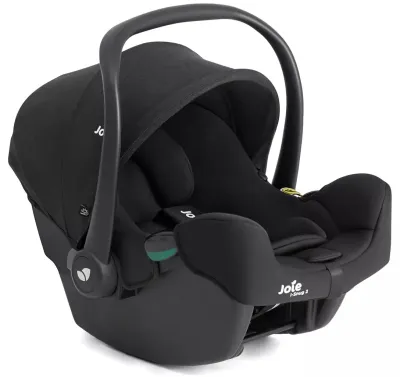
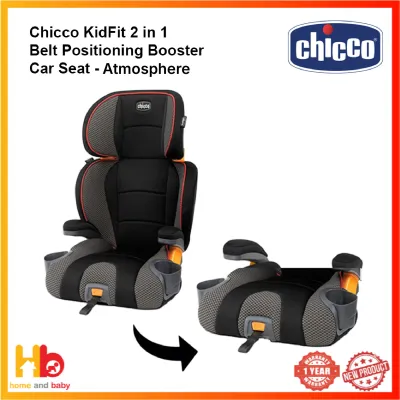
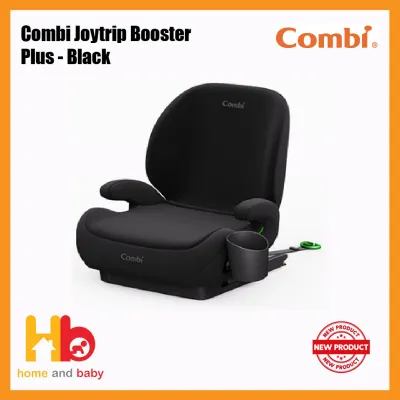
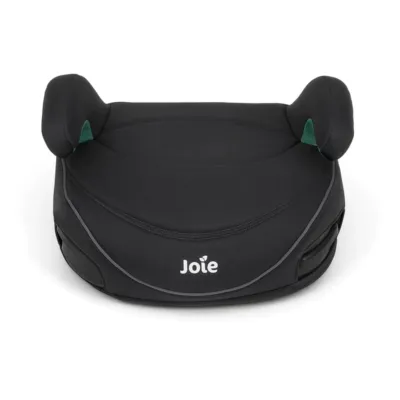
![[SG] Foldable Child Safety Car Booster Seat Compact Travel Portable Baby Seat Blue Pink For 3-13 yrs](https://img.lazcdn.com/g/p/64b57362b4b2ceb65045c329016802cd.jpg_400x400q80.jpg_.webp)
Prices are valid at publication and may change. Please refer to the product page for the latest price.
As a driver in Singapore, you bear the sole legal responsibility for the safety of all passengers in your vehicle. If you transport a child under the height of 1.35 metres without an appropriate restraint, you are committing a traffic offense. The legal consequences for non-compliance are structured to deter unsafe practices, involving a composition fine and the accumulation of demerit points on your driving license. For serious or repeat offenses, drivers may be prosecuted in court, where they face much higher fines or potential imprisonment.
To maintain compliance, parents and caregivers must regularly monitor their child’s height and verify that their current car seat or booster matches their physical dimensions. The Traffic Police actively enforce these regulations across Singapore roads, making it vital to understand that convenience does not override legal obligations. Securing your child correctly is not just a safety recommendation; it is a strict legal mandate that every driver must uphold.
Determining If Your Child Qualifies for an Exemption
While the law is comprehensive, there are specific scenarios where a child may be legally exempt from using a standard child car seat. The most common exemption is based on physical growth. Once your child reaches or surpasses the height of 1.35 metres, they are no longer legally required to use a child restraint or booster seat. At this stage, their body is large enough for the vehicle’s standard three-point seat belt to fit securely across their collarbone and hips, allowing them to travel safely using only the vehicle’s built-in safety belt.

Another critical category of exemption involves medical conditions. Some children may have physical disabilities, medical conditions, or temporary injuries that make the use of a standard child car seat impractical, painful, or unsafe. In such cases, parents must obtain official documentation from a qualified medical professional. This medical exemption certificate must clearly state the child’s condition and the specific reasons why they cannot use a standard restraint. This documentation must be kept in the vehicle at all times to be presented to traffic authorities during inspections.
The rules also differ significantly depending on the type of commercial transport you use. In Singapore, public service vehicles, specifically traditional street-hailed or app-booked taxis, are legally exempt from the child car seat mandate. This exemption exists for practical reasons, as taxis serve the general public on demand, and it is unreasonable to expect taxi drivers to carry multiple car seat variations for every potential passenger. Consequently, children under 1.35 metres are legally permitted to travel in the rear seat of a taxi without a child restraint, though they should still be secured with the vehicle’s seat belt if possible.
However, this taxi exemption does not apply to private hire cars, such as those booked through ride-hailing applications. Private hire vehicles are classified differently under the law and are treated as private passenger cars. Therefore, if you book a private hire ride, any child under 1.35 metres must be secured in an appropriate child restraint or booster seat. Drivers of private hire cars are legally required to refuse passengers with young children if a suitable car seat is not available, making it essential for parents to plan ahead by bringing portable travel seats or booking specialized family-friendly ride options.
Choosing an Approved Child Restraint System
Selecting a child car seat that complies with Singapore’s legal standards requires careful attention to product certifications and specifications. The Traffic Police and local safety authorities do not permit just any seat; the restraint system must be certified by recognized international testing bodies. When shopping for a car seat, you must check the product packaging or the seat itself for approved safety certification labels. These typically include the European standard (ECE R44/04 or R129/i-Size), the American standard (FMVSS 213), the Australian standard (AS/NZS 1754), or the Japanese standard (JIS).
The selection process must be guided by your child’s current weight, height, and developmental stage rather than their age alone. Children grow at different rates, and a seat that is safe for one four-year-old may be entirely unsuitable for another of the same age. Infant carrier seats are designed for newborns and young babies, offering crucial head and neck support in a rear-facing position. As your child outgrows the infant carrier, they should transition to a convertible or forward-facing toddler seat with a five-point harness, and eventually to a booster seat that positions the vehicle’s seat belt correctly across their body.
Before finalizing your purchase, it is critical to verify the compatibility of the child restraint system with your specific vehicle. Not all car seats fit securely in every car model. You should check whether your vehicle is equipped with ISOFIX anchorage points, which allow for a direct, rigid connection between the car seat and the vehicle’s chassis. If your vehicle does not have ISOFIX, you must ensure the car seat is approved for installation using the vehicle’s three-point seat belt system, following the manufacturer’s routing instructions precisely.
Safety Risks of Non-Compliance and Improper Use
The consequences of failing to use a child car seat, or installing one incorrectly, extend far beyond legal fines and demerit points. During a collision, an unrestrained or improperly secured child is subjected to extreme forces that their developing body is not equipped to handle. If a child under 1.35 metres is secured only by an adult seat belt, the lap belt can easily slide upward onto their soft abdomen, risking severe internal organ damage or spinal injuries in an accident. The shoulder belt may also rest across their neck, posing a serious risk of airway obstruction or laceration.
From a legal perspective, drivers who fail to secure child passengers face immediate penalties. The Traffic Police enforce these laws strictly to cultivate a culture of road safety. A single violation can result in a composition fine and demerit points, which can impact your driving record and insurance premiums. For commercial drivers, such as private hire operators, non-compliance can also lead to platform suspension or the loss of their vocational license, emphasizing the high stakes of ignoring these regulations.
To help protect your child, you must perform a quick safety check before every single trip. Even a certified car seat cannot protect a child if it is installed incorrectly. Start by checking the stability of the seat; it should not move more than an inch in any direction when pulled at the belt path. Next, inspect the harness tightness on your child using the “pinch test”—if you can pinch any excess webbing between your fingers at the collarbone, the harness is too loose and must be tightened. Additionally, pay close attention to the seat angle and harness height to help your child remain secure and ensure their airway is completely clear.
Frequently Asked Questions (FAQ)
Can my child sit in the front passenger seat?
While it is legally permissible under certain conditions, safety experts strongly recommend that children under 12 years old sit in the rear seats of the vehicle. If you must place a child restraint system in the front passenger seat, you must ensure that the vehicle’s front passenger airbag is completely deactivated. If an airbag deploys during a collision, the force of the inflating bag hitting a child car seat—especially a rear-facing infant carrier—can cause severe injuries. Additionally, the front seat must be pushed as far back as possible on its tracks to maximize the distance between the child and the dashboard.
Are booster cushions legally sufficient for older children?
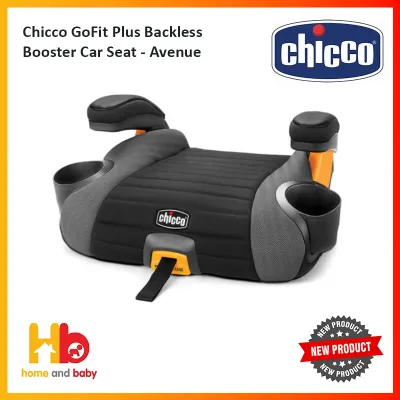
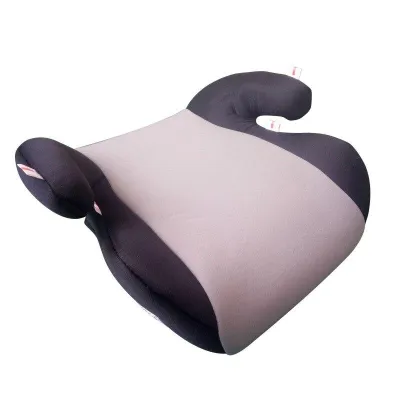
Yes, booster cushions, also known as backless boosters, can be legally sufficient for older children who have outgrown their forward-facing harness seats but are still under the 1.35-metre height threshold. However, the booster cushion must carry a recognized safety certification label and be appropriate for your child’s weight and height according to the manufacturer’s specifications. While backless boosters help position the lap and shoulder belts correctly, high-back booster seats are generally recommended because they offer additional side-impact protection and keep the shoulder belt positioned more securely across the chest.
What are the rules for child seats in private hire cars?
Unlike traditional taxis, private hire cars booked through mobile applications are not exempt from child restraint laws in Singapore. Because private hire vehicles are legally classified as private passenger cars, any passenger under 1.35 metres must be secured in an appropriate child restraint or booster seat. If you plan to travel with a young child in a private hire car, you must bring your own portable travel car seat, use a compatible harness system, or book a specific ride tier that provides a child seat. Private hire drivers are legally obligated to decline your ride if your child is not properly secured, as they would face fines and demerit points for non-compliance.

Community discussion
Share your experience or ask a question. Comments are reviewed before publication.