
In Singapore, the law requires all passengers in a motor vehicle who are under the height of 1.35 metres to be properly secured using an approved child restraint system or booster seat appropriate for their height and weight. This legal mandate, enforced under the Road Traffic Act, applies to all motor vehicles on the road, with very specific exceptions. Ensuring compliance is not only a matter of avoiding strict legal penalties but is also a fundamental step in protecting young passengers from severe injury during sudden stops or collisions.
Who Needs a Child Car Seat in Singapore?
The primary legal threshold for child passenger safety in Singapore is a height of 1.35 metres. Once a child reaches or exceeds this height, they are legally permitted to use the vehicle’s standard adult seatbelt without an additional booster seat or restraint. Standard adult seatbelts are engineered to secure individuals who are at least 1.35 metres tall; using them on smaller children can cause the belt to rest dangerously across the neck and abdomen, posing a severe risk of internal injuries during a sudden deceleration.
While height is the primary legal trigger for transitioning out of a child seat, weight and physical development are critical factors in determining which specific type of restraint is appropriate. Parents must verify their child’s weight and physical development against the manufacturer’s specifications for each seat type. Age alone is not a reliable indicator of safety, as children of the same age can vary significantly in height and skeletal maturity.
Products mentioned in this guide
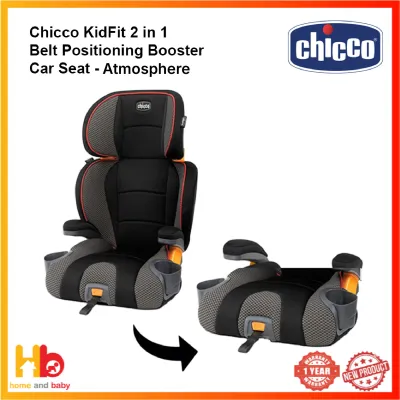
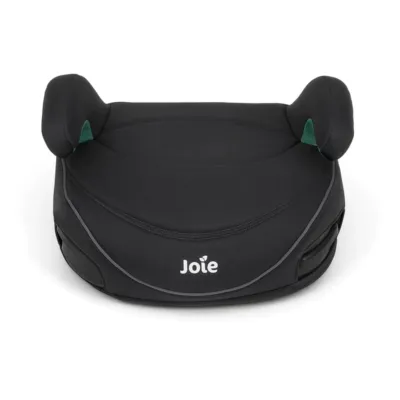
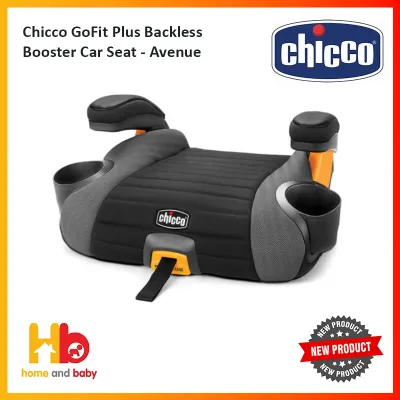
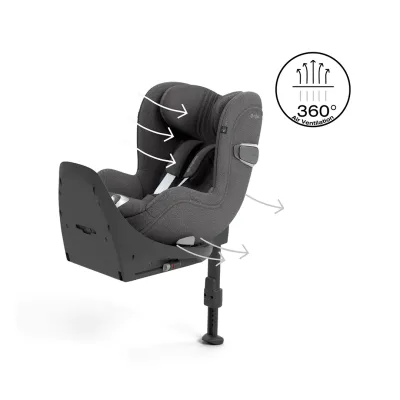
![[NEW] Maxi Cosi Nomad Plus Foldable Toddler Car Seat - 15M -4Y / 9kg - 18kg / 76 - 105 cm](https://img.lazcdn.com/g/p/f2a7fd1067ff7e20755010697c42ba39.jpg_400x400q80.jpg_.webp)
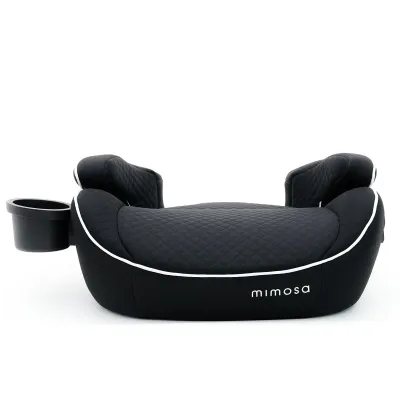
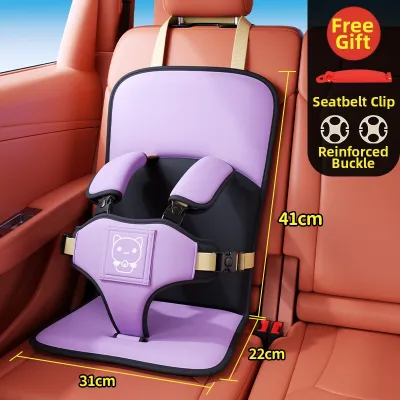
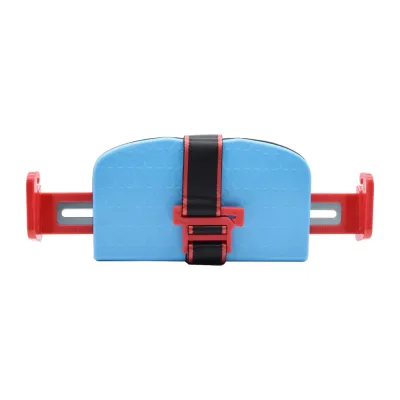
Prices are valid at publication and may change. Please refer to the product page for the latest price.
Under Singapore’s traffic laws, the driver of the vehicle bears the primary legal responsibility for ensuring that all passengers under the age of 21 are properly secured. If a child under 1.35 metres is found riding unrestrained, the driver—not the parent or passenger—is the one who faces immediate legal consequences. This makes it imperative for anyone behind the wheel to verify that young passengers are safely buckled into compliant seats before starting the engine.
Approved Safety Standards and Certifications
To be legally compliant on Singapore’s roads, child car seats must meet recognized international safety standards. The Land Transport Authority (LTA) and Traffic Police recognize several major international standards. These typically include the European standards (such as UN ECE R44/04 or the newer UN ECE R129, also known as i-Size), the American Federal Motor Vehicle Safety Standard (FMVSS 213), British Standards (BS), Japanese Standards (JIS), or Australian/New Zealand Standards (AS/NZS 1754).

Parents must physically inspect any child seat car before purchase to ensure it features an official, intact certification label. These labels are usually orange or white stickers permanently affixed to the shell of the seat, displaying the standard’s code, the approval number, and the weight or height range for which the seat is certified. If a seat lacks these visible markings, it cannot be verified as legally compliant.
Purchasing or accepting a second-hand car seat carries significant legal and safety risks. Over time, the plastic shell and energy-absorbing foam inside a car seat can degrade, especially when exposed to Singapore’s hot and humid tropical climate inside parked vehicles. Furthermore, a second-hand seat may have been involved in a collision, which can cause invisible structural micro-fractures that compromise its ability to protect a child in a future accident. If the seat’s history, instruction manual, or certification labels are missing, it should not be used.
Choosing the Right Restraint System for Your Child
Restraint systems are generally categorized into rear-facing infant seats, forward-facing child seats, and booster seats. Each category is engineered to manage crash forces based on a child’s skeletal development. Choosing the correct category requires matching the child’s current physical measurements to the seat’s design parameters.
Rear-facing infant seats are designed for newborns and young toddlers. These seats cradle the child’s head, neck, and spine, distributing the force of a frontal impact across the back of the seat. Parents should keep their children rear-facing for as long as possible, verifying the maximum weight or height limits specified by the manufacturer before transitioning to a forward-facing model.
Forward-facing child seats utilize an internal five-point harness to secure the child. These are suitable for older toddlers and young children who have outgrown their rear-facing seats. The harness keeps the child securely positioned within the protective shell of the seat during a collision.
Booster seats are the final stage before a child can transition to a standard adult seatbelt. Boosters raise the child so that the vehicle’s lap-and-shoulder belt fits correctly across the strong bones of the pelvis and shoulder. High-back boosters provide additional side-impact protection and head support, while backless boosters are highly portable but offer less upper-body support.
When selecting a seat, parents must prioritize the child’s current physical measurements—specifically height and weight—over their chronological age. Children grow at different rates, and a child who is legally required to use a restraint may outgrow a specific seat category earlier or later than average. Always consult the manufacturer’s instruction manual to verify the exact limits of the seat.
Penalties for Non-Compliance
Failing to secure a child under 1.35 metres in an approved restraint while the vehicle is in motion is a serious traffic offence in Singapore. The legal framework imposes composition fines and demerit points on drivers who fail to comply with these regulations.
For a first-time offence, drivers typically face a composition fine and a set number of demerit points. However, if the case is referred to court—such as in instances where non-compliance contributes to a serious accident or for repeat offenders—the penalties can escalate significantly, potentially resulting in larger court-imposed fines or even imprisonment.
While the threat of fines and demerit points serves as a strong legal deterrent, the primary objective of these laws is the prevention of preventable injuries and fatalities. Standard vehicle seatbelts are simply not designed to protect small bodies, and non-compliance significantly increases the risk of severe harm during a collision. Parents and drivers should view these regulations as a vital safety baseline rather than a mere administrative hurdle. To ensure complete accuracy regarding current penalty structures, drivers should regularly check the official Singapore Police Force or Traffic Police portals for the latest schedule of fines and demerit points.
Common Exemptions and Special Scenarios
One of the most common points of confusion for parents in Singapore is the legal distinction between public taxis and private hire vehicles (PHVs). Under the Road Traffic Act, street-hailed taxis and taxis boarded at designated taxi stands are legally exempt from the child restraint requirement. This exemption exists because taxis are classified as public service vehicles that must be readily accessible to all commuters on demand.
However, this exemption does not apply to private hire cars booked via mobile applications or ride-hailing platforms. Because PHVs are pre-booked, drivers and passengers have the opportunity to arrange for appropriate child seats in advance. Travelling in a PHV with a child under 1.35 metres without an approved restraint is illegal and subjects the driver to penalties.
While the law does not explicitly ban children from sitting in the front passenger seat if they are properly secured in an approved restraint, doing so is highly discouraged by safety experts. If a rear-facing infant seat is installed in the front passenger seat, the vehicle’s passenger airbag must be deactivated. If the airbag deploys during an accident, it can strike the back of the infant seat with immense force, posing a life-threatening risk to the child. In vehicles where the passenger airbag cannot be manually deactivated, installing a rear-facing seat in the front is extremely dangerous and should be avoided entirely.
Many families in Singapore drive compact cars where installing multiple bulky car seats across the rear bench is physically challenging. In such scenarios, parents must carefully measure the vehicle’s rear seat dimensions and compare them with the specifications of slim-profile car seats. It is crucial to verify that each seat can be installed securely according to the manufacturer’s instructions without compromising the stability of adjacent seats. If a secure installation cannot be achieved, parents should consult professional car seat technicians or vehicle manufacturers to find a safe, compliant configuration.
Frequently Asked Questions (FAQ)
Can my child sit in the front seat if they are under 1.35 meters?
Legally, a child under 1.35 metres may sit in the front passenger seat only if they are secured in an approved child restraint appropriate for their height and weight. However, this is strongly discouraged due to the extreme danger posed by deploying passenger airbags, especially for rear-facing infant seats. If you must place a child seat in the front, you must verify that the passenger airbag is deactivated. The safest location for any child under 1.35 metres remains the rear seat of the vehicle.
Do I need to bring my own child seat car when taking a taxi?
While standard street-hailed taxis are legally exempt from the child car seat requirement in Singapore, riding without a restraint still poses significant safety risks. For private hire vehicles booked via ride-hailing apps, there is no legal exemption; you must use an approved child restraint. To ensure safety and legal compliance, parents are advised to bring their own portable booster seats, use ride-hailing services that offer child-seat options, or carry lightweight, travel-friendly restraints certified to recognized international standards.

Community discussion
Share your experience or ask a question. Comments are reviewed before publication.