
In Singapore, child passenger safety is governed by strict, height-based legal requirements designed to protect young passengers in the event of a collision. Under the Road Traffic Act, any passenger below 1.35 metres in height must be properly secured in an appropriate child restraint, regardless of their age or weight. Understanding these regulations is essential for every parent and driver, as compliance is not only a legal obligation but a critical factor in protecting a child’s life on the road.
While age and weight are frequently used by manufacturers to categorize car seats, Singapore law uses height as the absolute threshold for compliance. This guide details the legal framework, approved safety standards, driver responsibilities, and practical steps to ensure your child remains safe and secure during every journey.
The Core Legal Requirement: Height and Restraint Rules
Singapore’s traffic laws prioritize a child’s height over their age when determining the need for a car seat. The law dictates that any passenger under 1.35 metres in height must be secured using an appropriate child restraint. This rule applies to all private motor vehicles operating on Singapore roads, making it a universal requirement for personal transport.
Products mentioned in this guide
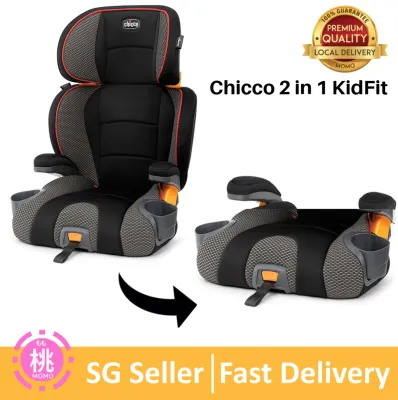
![[Jarrons & Co] EvenFlo Sutton Car Seat (1 Year Warranty)](https://img.lazcdn.com/g/p/3dafa69fe4d821132935aa8ff9dda921.png_400x400q80.png_.webp)
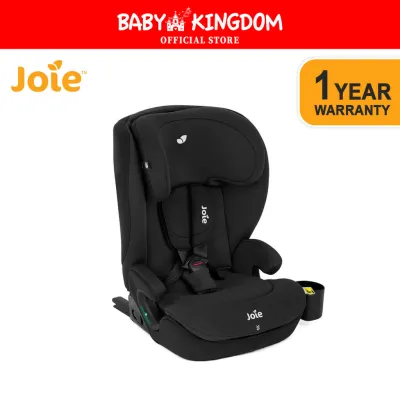
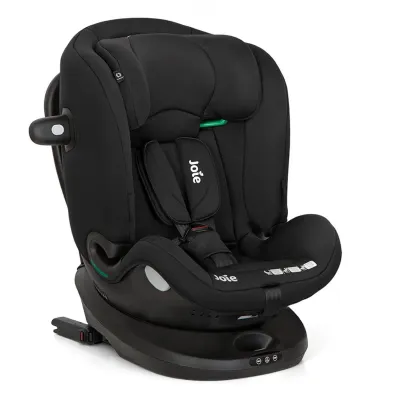
![Easyhome.sg [Child SAFETY] Baby Booster Car Seat Chair – Toddler Safety Travel Carrier for Children](https://img.lazcdn.com/g/p/9a1e79f7193f323d784f040bd84fc2a9.png_400x400q80.png_.webp)
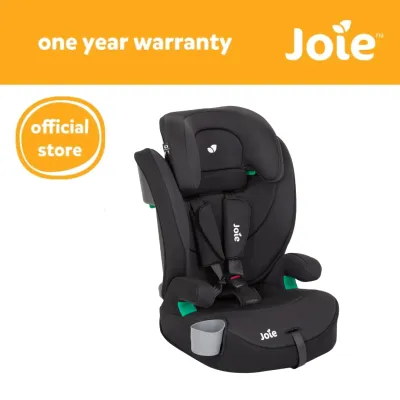
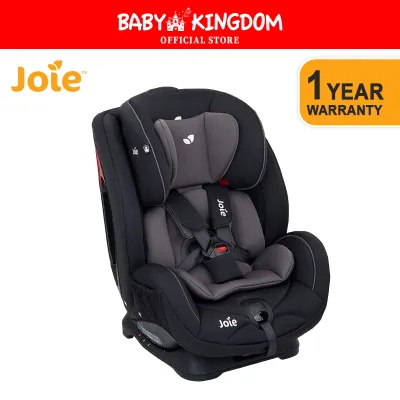
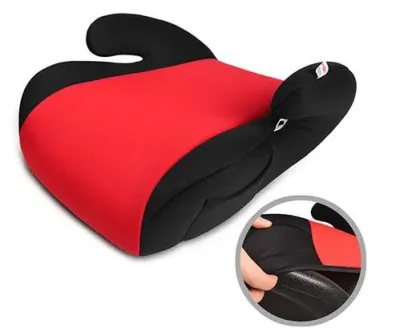
Prices are valid at publication and may change. Please refer to the product page for the latest price.
An “appropriate child restraint” is defined by how well the safety device fits the child’s physical dimensions. For newborns and infants, this typically means a rear-facing infant carrier. As the child grows, they transition to a forward-facing child seat with an integrated harness, and eventually to a booster seat that positions the vehicle’s adult seat belt correctly over their smaller frame.
Although manufacturers design car seats with age recommendations, these are only general guidelines. A child who is older but still under the 1.35-metre threshold must legally continue using a booster seat or another suitable restraint. Parents must measure their child’s height regularly to ensure they do not transition out of a safety restraint prematurely.
Once a child reaches a height of 1.35 metres or taller, they are legally permitted to use the vehicle’s standard adult seat belt. However, the seat belt must fit correctly, meaning the shoulder belt must cross the center of the chest and rest on the shoulder, while the lap belt must sit low across the hips. If the belt rides up against the neck or stomach, the child may still require a booster seat for proper positioning and safety.
Approved Safety Standards: What Labels to Look For
To comply with Singapore law, a car seat must meet recognized international safety standards. The Singapore Traffic Police and the Land Transport Authority (LTA) do not permit the use of uncertified or substandard restraints. Parents must verify that any car seat they purchase features a valid safety certification label.

Two of the most common and widely accepted standards in Singapore are the European regulations:
- UN ECE R44/04: A weight-based standard that groups car seats into specific categories based on the child's mass.
- UN R129 (i-Size): A newer, height-based standard that requires side-impact testing and keeps children rear-facing for longer periods.
In addition to these European standards, Singapore also recognizes approved standards from other reputable jurisdictions, including the United States (FMVSS 213), the United Kingdom, Australia, and Japan. These certifications ensure the seat has undergone rigorous crash testing to withstand collision forces.
To verify compliance, look for an orange certification sticker or label, which is typically affixed to the base or back of the car seat shell. This label displays critical information, including the specific standard met, the weight or height limits of the seat, and a unique approval number. If a seat lacks this label, or if the text is faded and unreadable, it should not be used.
Avoid purchasing cheap, unbranded car seats from online marketplaces that do not clearly state their safety certifications. These products often lack the structural integrity needed to protect a child during a crash. Always verify the authenticity of the safety labels and consult official regulatory portals if you are unsure about a specific model’s compliance.
Legal Obligations and Penalties for Non-Compliance
Under Singapore’s Road Traffic Act, the legal responsibility for passenger safety rests squarely on the driver of the vehicle. If a child under 1.35 metres is found riding in a private vehicle without an appropriate restraint, the driver is the party who will face legal consequences, regardless of whether they are the child’s parent.
Failing to secure a child passenger properly is a serious traffic offense. Drivers who violate this law face composition fines and the accumulation of demerit points on their driving license. For first-time offenders, the penalties are substantial, and repeat offenses can lead to prosecution in court, resulting in significantly higher fines or even imprisonment.
These penalties apply not only when a child is completely unrestrained but also when they are secured incorrectly. For example, placing a child under 1.35 metres in a standard adult seat belt without a booster seat constitutes a violation. The law requires the restraint to be appropriate for the child’s height and weight, meaning an ill-fitting seat can still result in a fine.
Because traffic regulations and penalty structures are subject to periodic updates, drivers should regularly check the official Singapore Police Force or Traffic Police portals for the most current information. Maintaining compliance is essential for avoiding legal penalties and, more importantly, ensuring the physical safety of your passengers.
Safety Risks of Incorrect Car Seat Usage
Using a car seat is only effective if the seat is appropriate for the child and installed correctly. Many parents view legal compliance as a checklist item, but true safety requires understanding the physical forces involved in a vehicle collision. Using the wrong seat size or installing it incorrectly can lead to catastrophic injuries.
When a child is placed in a seat that is too large, the integrated harness cannot secure them properly. In a collision, the child can slip out of the harness entirely, leading to impact with the vehicle’s interior or ejection from the car. Conversely, a seat that is too small can restrict blood flow or fail to protect the child’s head and neck.
Transitioning a child to a forward-facing seat or a booster seat too early is another common safety hazard. Young children have fragile neck muscles and developing spines. In a frontal collision, a forward-facing child’s head is thrown forward with immense force, which can cause severe spinal cord injuries. Keeping a child rear-facing for as long as possible—up to the maximum limits allowed by the seat manufacturer—provides the best protection for their head, neck, and spine.
Improper installation is a widespread issue that compromises even the highest-rated car seats. Common errors include leaving the ISOFIX connectors loose, routing the seat belt through the wrong paths, or failing to use the top tether strap. If the car seat can move more than a few centimeters, it will not absorb the impact forces correctly, transferring the energy of the crash directly to the child.
To mitigate these risks, always prioritize the manufacturer’s specific guidelines over general assumptions. Read both the car seat manual and your vehicle’s owner manual thoroughly. If there is a conflict between the two, or if you are unsure how to secure the seat tightly, seek assistance from a certified child passenger safety technician.
How to Ensure Your Car Seat is Compliant and Safe
Securing your child on Singapore’s roads requires a proactive approach to selection, installation, and ongoing maintenance. By following a structured safety checklist, you can ensure your car seat performs optimally when it matters most.
Pre-Purchase Verification
Before buying a car seat, verify that it carries a valid UN ECE R44/04 or UN R129 (i-Size) label. Check your vehicle’s manual to confirm whether it supports ISOFIX anchor points or requires a seat belt-installed model. Additionally, ensure the seat’s physical dimensions fit comfortably within your vehicle’s rear cabin without forcing the front seats too far forward.
Installation Checks
Once installed, perform two simple diagnostic tests to verify a secure fit:
- The Inch Test: Grasp the car seat at the belt path (where it connects to the vehicle via ISOFIX or the seat belt) and pull firmly from side to side and front to back. The seat should not move more than 2.5 centimetres (one inch) in any direction.
- The Pinch Test: Once your child is buckled into the harness, try to pinch the strap webbing at their shoulder. If you can pinch any excess fabric between your fingers, the harness is too loose and must be tightened until your fingers slide smoothly off the strap.
Lifespan and Expiration
Car seats do not last indefinitely; they have expiration dates, typically ranging from 6 to 10 years from the date of manufacture. You can find this date stamped into the plastic shell or printed on a white label on the underside of the seat. Over time, exposure to Singapore’s high humidity and intense cabin heat degrades the plastic shell and harness fibers, reducing their ability to withstand crash forces.
Post-Collision Protocol
If your vehicle is involved in a moderate or severe collision, you must replace the car seat immediately, even if there is no visible damage. The extreme forces of a crash can cause hairline fractures in the plastic or stretch the internal webbing, rendering the seat unsafe for future use. Always consult your insurance provider, as many motor policies cover the cost of replacing a car seat after an accident.
If you experience difficulty installing the seat or adjusting the harness, do not guess. Refer to the manufacturer’s step-by-step instructions or contact a certified child passenger safety professional to inspect your setup.
Frequently Asked Questions (FAQ)
Can my child sit in the front seat in Singapore?
Under Singapore law, a child under 1.35 metres is legally permitted to sit in the front passenger seat only if they are secured in an appropriate child restraint. However, placing a rear-facing infant carrier in the front seat is highly dangerous and strictly prohibited if the front passenger airbag is active. If the airbag deploys during a collision, it will strike the back of the infant seat with immense force, which can cause fatal injuries. For maximum safety, the rear seat remains the safest location for all children.
Are second-hand car seats legal and safe to use?
Using a second-hand car seat is legal in Singapore, provided it carries a valid safety certification label and has not expired. However, from a safety perspective, it is highly discouraged unless you obtain the seat from a trusted source, such as a close family member, who can guarantee its history. A second-hand seat may have been involved in a collision, stored in poor conditions that degraded its materials, or subject to a manufacturer recall. Without the original instruction manual and a complete history, using a pre-owned seat carries significant safety risks.
Do taxis and private hire cars need to provide car seats?
In Singapore, standard street-hail taxis are legally exempt from the child restraint requirement, as they are classified as public transport. This means a child under 1.35 metres can ride in the rear seat of a taxi using only the adult seat belt, though parents are strongly encouraged to bring portable travel boosters for safety. Conversely, private hire cars (such as ride-hailing services) are not exempt from this law. Because they are classified as private passenger vehicles, children under 1.35 metres must be secured in an appropriate restraint. Parents must bring their own portable car seat or book a specialized ride-hailing service tier that provides a child seat.

Community discussion
Share your experience or ask a question. Comments are reviewed before publication.