
Under the Singapore Road Traffic Act, any passenger under 1.35 metres in height, regardless of age, must be secured in an approved child restraint system (CRS) or car seat for kids appropriate for their height and weight when traveling in a motor vehicle. If they are 1.35 metres or taller, they must use a standard adult seat belt. Age is not the primary legal determinant; physical height is the threshold that dictates compliance. This law ensures that children are protected by safety systems designed specifically for their physical proportions, minimizing the risk of severe injury in the event of a collision.
The 1.35-Metre Rule: Understanding Singapore's Legal Threshold
The 1.35-metre threshold is a science-based legal standard designed to address the physical limitations of standard vehicle safety systems. Adult seat belts are engineered to protect passengers whose skeletal structures have reached a minimum height and maturity. For individuals shorter than 1.35 metres, a standard three-point seat belt cannot route safely across the body. Instead of resting securely on the collarbone and pelvis, the belt often crosses the child’s neck and soft abdominal area. In a sudden deceleration or collision, this improper positioning can lead to severe internal organ lacerations, spinal injuries, or neck trauma.
By focusing on height rather than age, Singapore’s traffic laws prioritize physiological readiness over chronological age. Children grow at vastly different rates; a child of eight may have already surpassed the threshold, while another may not reach it until they are eleven or twelve. Once a child reaches 1.35 metres, they are legally permitted to transition to a standard adult seat belt, provided the belt fits them correctly. A correct fit means the lap belt sits low across the hips and the shoulder belt rests comfortably across the center of the chest without rubbing against the neck.
Products mentioned in this guide
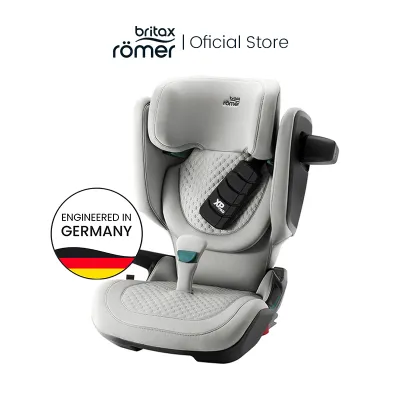
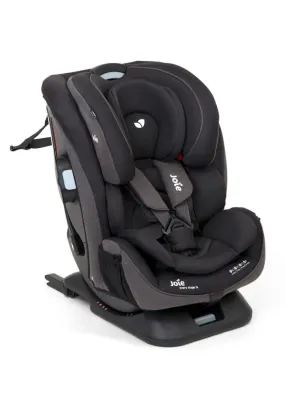
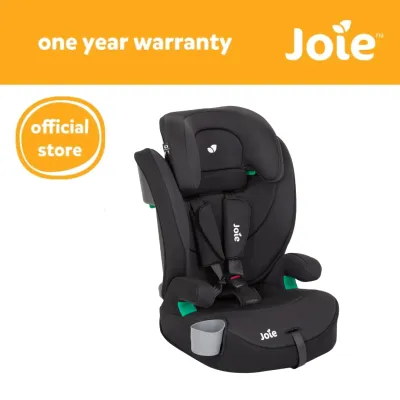
![[SG] Baby Safety Seat Child Car Seat for 0-12yrs 360° swivel and flat with footrest awning for most cars](https://img.lazcdn.com/g/p/1cc0b7987228612929394815f500d81b.jpg_400x400q80.jpg_.webp)
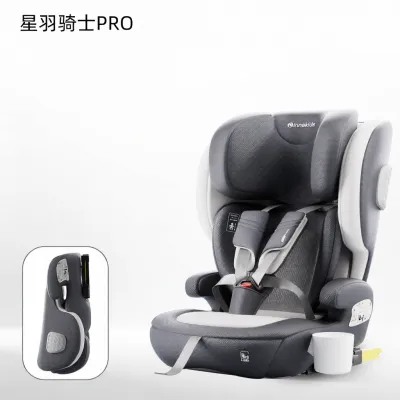
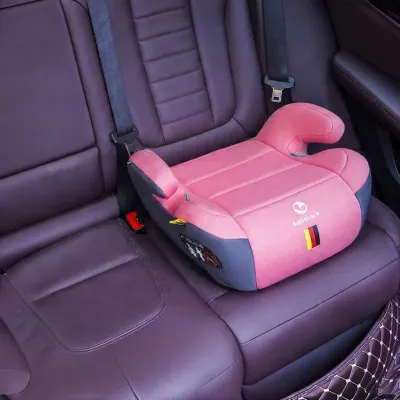
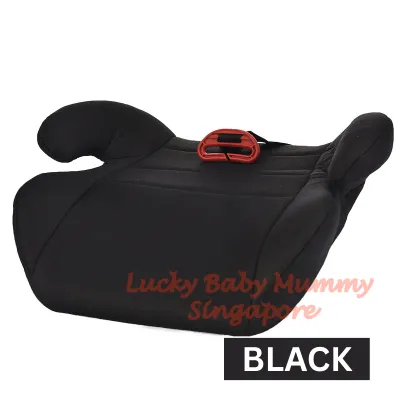
![[SG] Foldable Child Safety Car Booster Seat Compact Travel Portable Baby Seat Blue Pink For 3-13 yrs](https://img.lazcdn.com/g/p/e4b0a56c751e7aef08c3a5f6c2dbb9e1.jpg_400x400q80.jpg_.webp)
Prices are valid at publication and may change. Please refer to the product page for the latest price.
To ensure continuous compliance and safety, parents should establish a routine of measuring their child’s height at regular intervals. It is also essential to check the specific height limits printed on the labels of your current child restraint system. Many convertible car seats have maximum height limits that a child might outgrow before they reach the legal 1.35-metre threshold, necessitating a transition to a booster seat.
Choosing the Right Approved Car Seat for Kids at Every Stage
Selecting a child car seat in Singapore requires balancing legal compliance with your child’s physical development. The market offers various categories of child restraint systems, each designed to manage crash forces at specific growth stages.

Infant and Toddler Seats (Rear-Facing and Forward-Facing)
Infants and young toddlers possess fragile skeletal structures, particularly in their neck and spine, and their heads make up a disproportionately large percentage of their body weight. For this reason, medical and safety professionals recommend keeping children in rear-facing car seats for as long as possible. In a frontal collision, a rear-facing seat cradles the child’s head, neck, and back, distributing the impact forces evenly across the shell of the seat and reducing the risk of spinal cord injury.
The transition from a rear-facing seat to a forward-facing harness seat should never be rushed. Parents should only make this change when the child has fully outgrown the manufacturer’s maximum weight or height limits for the rear-facing mode, rather than simply when they reach a specific age. When choosing any infant or toddler seat, it is critical to verify that the product carries recognized safety certification labels. In Singapore, approved child restraint systems must comply with international standards such as the United Nations Economic Commission for Europe (UN ECE) regulations R44/04 or R129 (i-Size). Uncertified seats do not fulfill the legal requirements and may fail to protect your child in a crash.
Booster Seats for Older Children
As children outgrow their forward-facing harness seats, they transition to booster seats, which serve as a crucial safety bridge before they can safely use an adult seat belt alone. Booster seats do not feature built-in harnesses; instead, they function by elevating the child so that the vehicle’s standard three-point seat belt is routed correctly over their skeletal frame. High-back boosters provide additional side-impact protection and head support, while backless boosters offer a more portable, lightweight alternative that is highly convenient for carpooling or travel.
Using a booster seat is legally mandatory in Singapore for any child who is under 1.35 metres but has outgrown their toddler car seat. Before moving a child out of a booster seat, parents should run through a safety checklist to verify a proper seat belt fit. The child’s knees must bend comfortably over the edge of the booster seat with their back flat against the vehicle seat back. The lap belt must sit low and snug across the upper thighs and pelvis, and the shoulder belt must cross the center of the shoulder and chest. If the child is close to the height limit but the seat belt still rides up against their neck, they must remain in the booster seat to ensure legal compliance and physical safety.
Taxis, Private Hire Cars, and Legal Exemptions
Navigating urban transport in Singapore with young children requires a clear understanding of how different vehicle classifications affect car seat regulations. The laws distinguish clearly between public transport taxis and private hire vehicles, creating distinct compliance requirements for parents.
Standard street-hail or app-booked taxis (such as those operated by ComfortDelGro or Trans-Cab) are legally exempt from the 1.35-metre child restraint requirement. Under Singapore law, a child under 1.35 metres is permitted to travel in the rear seat of a taxi using only the standard adult seat belt. This exemption is a practical concession designed to facilitate public transport accessibility, acknowledging that taxi drivers cannot reasonably carry multiple car seat sizes for spontaneous passengers. However, parents should note that this is a legal exemption and not a safety recommendation; a child is still vulnerable to injury in a taxi collision if they are not in a proper car seat.
In contrast, private hire cars (such as those booked via Grab, Gojek, Ryde, or Tada) are legally classified as private passenger vehicles. Consequently, they do not share the taxi exemption. If you are traveling with a child under 1.35 metres in a private hire vehicle, the child must be secured in an appropriate child restraint or booster seat. Private hire drivers are legally required to refuse bookings if a passenger with a child under the height limit does not have a compliant car seat, and both the driver and the passenger can face legal penalties for non-compliance.
To manage this requirement, parents using ride-hailing services have several practical options. Many ride-hailing platforms offer specialized family-friendly vehicle tiers (such as GrabFamily) that come equipped with age-appropriate child seats or booster seats for a slightly higher fare. Alternatively, parents can invest in highly portable, travel-approved booster seats or compact, foldable car seats that meet UN ECE safety standards. For infants, a compatible stroller-and-car-seat travel system allows the infant carrier to be secured quickly in a private hire vehicle using the vehicle’s seat belt system.
For children with specific medical conditions or physical disabilities that make the use of standard child restraints impossible or dangerous, medical exemptions are available. Parents must secure a formal medical certificate from a registered medical practitioner in Singapore. This certificate must be kept in the vehicle and presented to traffic authorities upon request to prove legal compliance.
Fines and Penalties for Non-Compliance
Failing to ensure that a child under 1.35 metres in height is properly secured in an approved child restraint system is a serious traffic offense under Singapore’s Road Traffic Act. The legal system places the responsibility for passenger safety directly on the driver of the vehicle, regardless of who owns the vehicle or the car seat.
If a driver is caught transporting an unrestrained child under the legal height limit, they face immediate penalties. These typically involve a composition fine and the deduction of demerit points from their driving license. For more serious or repeated offenses, the driver may be prosecuted in court, where the statutory penalties can escalate to much larger financial fines or even imprisonment.
Because traffic regulations and penalty structures are subject to periodic updates, parents and drivers should consult the official Singapore Police Force (Traffic Police) website or the latest Road Traffic Act guidelines to verify the exact, current fine amounts and demerit point values. Ensuring compliance not only protects the driver from costly penalties and licensing consequences but, more importantly, safeguards the lives of young passengers.
Critical Safety Practices Beyond the Legal Minimum
While adhering to the letter of the law is necessary to avoid penalties, maximizing your child’s safety on Singapore’s roads often requires implementing best practices that go beyond the absolute legal minimums.
First, always prioritize placing children in the rear seats of the vehicle. Active front passenger airbags are designed to protect adults, deploying with immense explosive force in a collision. If a child car seat—especially a rear-facing infant carrier—is placed in the front passenger seat, a deploying airbag can strike the back of the seat with enough force to cause severe or fatal injuries. If circumstances dictate that a child must sit in the front seat (for example, in a single-cab commercial vehicle), you must manually deactivate the front passenger airbag and slide the vehicle seat as far back as possible.
Second, exercise extreme caution regarding second-hand car seats. While purchasing pre-owned baby gear can be cost-effective, a second-hand car seat carries hidden risks. If a car seat has been involved in even a minor collision, its structural integrity may have been compromised by microscopic fractures in the plastic shell that are invisible to the naked eye. Additionally, car seat materials degrade over time, particularly under the intense heat and humidity characteristic of Singapore’s climate. Always verify the seat’s history, check its expiration date (typically printed on a label on the underside or back of the seat), and inspect it for any signs of wear or damage.
Third, ensure correct installation by meticulously following both the car seat manufacturer’s instruction manual and your vehicle’s owner manual. A poorly installed car seat cannot perform its protective function effectively. Whether you are utilizing the vehicle’s seat belt system or the ISOFIX anchor points, the seat should be secured tightly enough that it moves less than 2.5 centimeters in any direction when pulled at the belt path. If you are unsure about the safety of your installation, consider seeking a professional installation check from a certified child passenger safety technician.
Finally, avoid dressing your child in bulky clothing or thick jackets when securing them in their car seat. Although Singapore’s outdoor climate is warm, heavily air-conditioned environments or travel to colder destinations can tempt parents to use thick outerwear. Bulky fabrics compress instantly under the force of a collision, creating dangerous slack in the harness system that can allow the child to be ejected from the seat. Instead, secure the harness snugly over lightweight, everyday clothing, and drape blankets or jackets over the outside of the buckled harness to keep your child warm.
Frequently Asked Questions (FAQ)
Can a child under 1.35 metres sit in the front passenger seat?
While Singapore law focuses primarily on the mandatory use of an approved child restraint system rather than banning front-seat travel entirely, safety guidelines strongly advise keeping children in the rear. Placing a rear-facing car seat in the front passenger seat with an active airbag is extremely dangerous and prohibited by safety standards. If a child under 1.35 metres must sit in the front, the airbag must be deactivated, the vehicle seat pushed back fully, and an appropriate, approved child restraint must be used. The rear seat remains the safest location.
Are private hire cars like Grab exempt from car seat laws?
No, private hire cars are not exempt from Singapore’s child car seat laws. Unlike standard metered taxis, private hire vehicles are legally classified as private passenger cars. Any child passenger under 1.35 metres traveling in a private hire vehicle must be secured in an approved child restraint or booster seat. Drivers are legally permitted and encouraged to refuse bookings if passengers do not provide their own compliant car seat or have not booked a specialized vehicle tier equipped with a child seat.
How can I verify if a car seat meets Singapore's safety standards?
To verify compliance, inspect the car seat for an official safety certification label, which is typically stitched into the fabric or molded directly onto the plastic shell. In Singapore, approved standards include the UN ECE R44/04 or the newer UN ECE R129 (i-Size) standards, as well as recognized equivalents from the United States (FMVSS 213), the United Kingdom, or Australia. Avoid using seats that lack clear, internationally recognized certification labels or only feature unverified local import stickers, as these may not meet the legal definition of an approved child restraint system.

Community discussion
Share your experience or ask a question. Comments are reviewed before publication.