
In Singapore, ensuring the safety of young passengers on the road is both a critical parental responsibility and a strict legal requirement. Under the Road Traffic Act, any passenger under the height of 1.35 metres must be secured with an approved child restraint or booster seat appropriate for their height and weight when travelling in a motor vehicle. This regulation applies across various vehicle types, with specific nuances that parents must navigate to avoid penalties and, more importantly, protect their children. When purchasing a child car seat, identifying recognized international safety certifications—such as the United Nations Economic Commission for Europe (UN ECE) standards R44/04 or R129—is the first line of defense in verifying structural integrity.
Navigating the transition from infant carriers to booster seats requires a clear understanding of both local legislation and physical safety principles. While the law sets the baseline, best safety practices often dictate going beyond the legal minimums to ensure maximum protection. This guide outlines Singapore’s current legal framework, details the key safety certifications to look for, and provides actionable steps for selecting, installing, and maintaining your child’s car seat.
Understanding Singapore's Legal Requirements for Child Car Seats
The legal framework governing child passenger safety in Singapore is clear-cut, prioritizing physical height over age. The Land Transport Authority (LTA) and the Traffic Police mandate that any passenger below 1.35 metres, regardless of age, must be secured using an approved child restraint system. If a child has reached or exceeded 1.35 metres, they are legally permitted to use the vehicle’s standard adult seat belt, provided it fits them correctly across the shoulder and pelvis. Parents should regularly consult official Traffic Police or LTA resources to verify if any amendments have been made to these height thresholds or enforcement guidelines.
Products mentioned in this guide
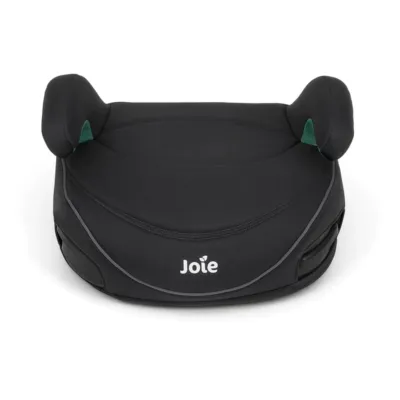
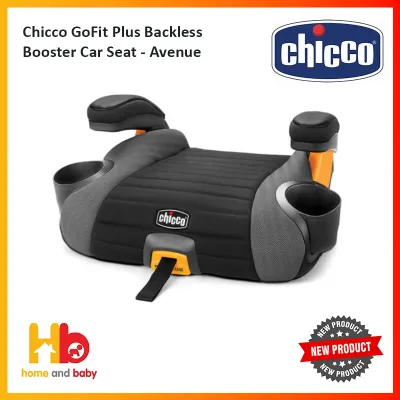
Prices are valid at publication and may change. Please refer to the product page for the latest price.
The position of the car seat within the vehicle also carries significant legal and safety implications. Placing a rear-facing child restraint in the front passenger seat is highly discouraged and often restricted, particularly if the vehicle is equipped with an active passenger airbag. In the event of a collision, the rapid deployment of an airbag can strike the back of a rear-facing seat with extreme force, leading to severe injuries. If you must place a child in the front seat, you must ensure the passenger airbag is fully deactivated, though keeping children in the rear seats remains the safest practice.
A common point of confusion for parents in Singapore is how these laws apply to different types of commercial transport. Public transport buses and traditional street-hailed or app-booked taxis are legally exempt from the child restraint requirement. This exemption is a practical concession to allow taxis to operate freely without carrying multiple seats for different age groups. However, private hire vehicles booked through ride-hailing platforms do not share this exemption. Because private hire vehicles are pre-booked, passengers under 1.35 metres must be secured in an appropriate restraint, making it essential for parents to plan ahead when using these services.
Key Safety Certifications to Look For When Buying a Car Seat
When shopping for a car seat in Singapore, you will encounter various international safety standards, with European regulations being the most common and widely accepted. The older UN ECE R44/04 standard classifies seats based on the child’s weight groups. In contrast, the newer UN ECE R129 (often referred to as i-Size) classifies seats based on the child’s height. The R129 standard introduces more rigorous testing protocols, including mandatory side-impact collision testing, and requires children to remain rear-facing for longer periods. Both standards are legally recognized in Singapore, but R129 represents the current benchmark in safety engineering.

To verify that a seat complies with these standards, parents must inspect the physical product for an official certification label. This is typically an orange sticker affixed to the shell of the seat. The label contains crucial information, including the specific standard version (such as ECE R44/04 or R129), the approved height or weight range, and an “E” mark inside a circle. The number next to the “E” indicates the European country that granted the certification. If a seat lacks this orange label or a verifiable equivalent from recognized jurisdictions like the United States (FMVSS 213) or Australia (AS/NZS 1754), it should not be used.
Before finalizing a purchase, parents must cross-reference the details on the certification label with their child’s actual physical measurements. Do not rely on generic age recommendations printed on the packaging, as children grow at vastly different rates. Additionally, check the label to see if the seat is classified as “Universal,” which means it is designed to fit using standard three-point seat belts in most cars, or if it requires specific vehicle compatibility, such as ISOFIX anchor points.
How to Choose the Right Car Seat for Your Child's Development Stage
Selecting the right car seat involves matching the product’s design to your child’s developmental milestones. The journey typically begins with an infant carrier, which is designed specifically for newborns and young babies. As your child grows, they will transition to a convertible seat, which can be installed rear-facing initially and later turned forward-facing. Finally, once they outgrow the convertible seat but remain under the 1.35-metre legal threshold, they must transition to a booster seat. This progression should always be guided by the manufacturer’s maximum height and weight limits for each specific seat, rather than arbitrary age milestones.
Keeping your child in a rear-facing position for as long as possible is one of the most effective ways to protect them. In a frontal collision, which is the most common type of serious crash, a rear-facing seat supports the child’s head, neck, and spine by distributing the impact forces evenly across the back of the seat. Infants have relatively heavy heads and weak neck muscles, making them highly vulnerable to whiplash injuries if positioned forward-facing too early. Parents should maximize the use of the rear-facing mode up to the maximum limit allowed by the seat’s manufacturer.
Vehicle compatibility is another critical factor that dictates your choice of seat. Most modern vehicles in Singapore are equipped with ISOFIX anchor points, which are metal bars welded directly into the vehicle’s chassis. ISOFIX provides a rigid, secure connection and significantly reduces the risk of installation errors compared to seat belt installations. Before buying, inspect your vehicle’s rear seats for the ISOFIX labels or feel between the seat cushions to locate the anchors. If your vehicle does not have ISOFIX, you must choose a seat designed for secure installation using the vehicle’s three-point seat belt system, carefully following the designated routing paths.
Essential Installation and Daily Safety Checks
An improperly installed car seat cannot perform its protective function effectively, making regular installation checks vital. Once the seat is installed, perform the stability test by grasping the base near the belt path or ISOFIX connectors and shaking it firmly. The seat should not move more than 2.5 centimetres in any direction. If you are using an ISOFIX system or a support leg, verify that all visual indicators have turned green, confirming that the connectors are fully engaged and the leg is properly tensioned against the vehicle floor.
Daily use requires careful attention to the harness tension and positioning. For seats with an internal harness, perform the “pinch test” every time you buckle your child in. Once the harness is buckled, try to pinch the strap webbing at the child’s collarbone using your thumb and forefinger. If you can pinch any webbing together, the harness is too loose and must be tightened further. Additionally, ensure the shoulder straps are positioned correctly: at or slightly below the shoulders for rear-facing seats, and at or slightly above the shoulders for forward-facing seats.
Car seats do not last indefinitely and must be retired immediately under specific conditions. Any seat involved in a moderate-to-severe collision must be replaced, even if there is no visible damage, as the internal plastic structure may have suffered micro-fractures that compromise its strength. Furthermore, check the manufacturer’s expiration date, which is usually stamped on the bottom or back of the plastic shell; most seats have a lifespan of six to ten years due to the natural degradation of plastic over time. You must also retire a seat if the harness straps are frayed, the buckles are damaged, or if the model is subject to an active safety recall.
Frequently Asked Questions (FAQ)
Can I use a second-hand car seat in Singapore?
Using a second-hand car seat is generally discouraged due to the hidden risks associated with pre-owned safety gear. It is virtually impossible to verify the seat’s complete history, including whether it has been involved in a collision or subjected to improper cleaning chemicals that degrade the harness strength. Additionally, Singapore’s hot and humid climate can accelerate the aging of plastic components, potentially weakening the seat’s structural integrity over time.
If you must use a second-hand seat, you must perform several mandatory safety verifications before placing your child in it. First, obtain the seat from a trusted source who can guarantee its history. Inspect the entire seat for the manufacturer’s label to verify the production date and ensure it has not exceeded its expiration lifespan. Check that all original parts, including the infant inserts, harness pads, and the instruction manual, are present. Finally, cross-reference the model number and manufacture date with online safety databases to ensure the seat is not subject to any active product recalls.
Are car seats required in private hire cars and taxis?
In Singapore, there is a distinct legal difference between taxis and private hire cars regarding child restraint requirements. Taxis are legally exempt from the mandate to use child car seats or booster seats for passengers under 1.35 metres. This exemption is designed to facilitate spontaneous travel for families using public taxi services. In contrast, private hire cars booked via ride-hailing applications are not exempt; passengers under 1.35 metres must be secured in an appropriate restraint by law.
Despite the legal exemption for taxis, the physical risks of riding unrestrained remain identical in any vehicle. Parents are strongly encouraged to prioritize safety over legal minimums by utilizing portable travel solutions. For infants, a compatible infant carrier can be easily installed in a taxi using the vehicle’s seat belt. For older toddlers and children, lightweight, foldable booster seats or specialized travel vests that meet international safety standards offer a practical way to ensure protection while complying with safety best practices on every journey.

Community discussion
Share your experience or ask a question. Comments are reviewed before publication.