
Ensuring your child is safe during every car journey is a top priority for parents in Singapore. Navigating the legal landscape of road safety is not just about avoiding heavy fines; it is about understanding how physics and vehicle safety systems protect small bodies in a collision. In Singapore, the law dictates a clear physical threshold for when a child can transition from a dedicated child car seat to a standard adult seat belt. If you are wondering how the rules apply to your family, the short answer is that height, not age, is the primary legal metric. Anyone under 1.35 metres in height must be secured in an approved child restraint system appropriate for their build, while those who have reached or exceeded 1.35 metres must use a properly adjusted adult seat belt.
Understanding how a kids seat belt car setup functions is critical because adult seat belts are designed for fully grown adult skeletons. When a child who is too small uses a standard seat belt without a booster, the lap belt can ride up onto the vulnerable abdomen, and the shoulder belt can rest against the neck, posing severe risks during sudden braking or an impact. By aligning your vehicle’s safety gear with Singapore’s road traffic laws, you protect your child from preventable injuries and ensure full legal compliance on every trip.
The 1.35-Meter Rule: Core Legal Requirements for Children
Singapore’s Road Traffic Act establishes a clear line of demarcation for child passenger safety: the 1.35-metre rule. Under this regulation, any passenger under the height of 1.35 metres, regardless of age, must be properly secured in an approved child restraint system (CRS) or booster seat when riding in a motor vehicle. This rule is grounded in biomechanical safety research, which shows that adult seat belts do not safely fit individuals below this height. Once a child reaches or exceeds the 1.35-metre threshold, they are legally permitted to use a standard adult seat belt, provided it is adjusted correctly across their collarbone and hips.
Products mentioned in this guide
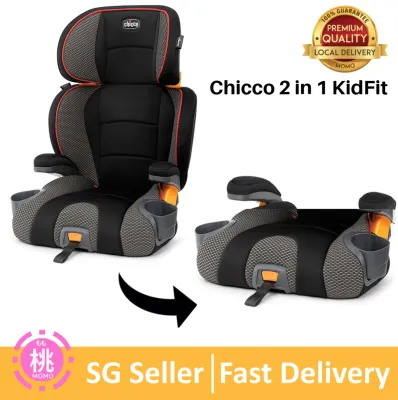
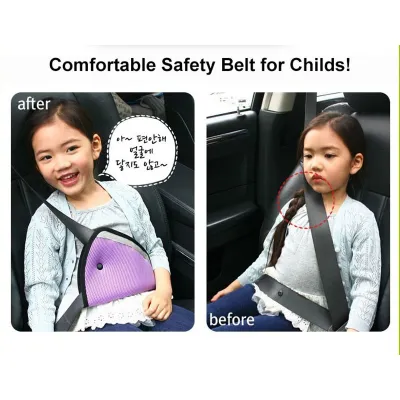
Prices are valid at publication and may change. Please refer to the product page for the latest price.
Many parents mistakenly believe that a child’s age determines when they can stop using a car seat. However, Singapore’s legal framework prioritizes physical stature over age because children grow at vastly different rates. A child might reach the age of eight or nine and still be under 1.35 metres, meaning they legally must remain in a booster seat. Conversely, an exceptionally tall child who reaches 1.35 metres early may legally transition to the adult seat belt, though safety experts often recommend keeping them in a booster until the adult belt fits perfectly.
The legal responsibility for compliance rests squarely on the driver of the vehicle. Under Singapore law, the driver is responsible for ensuring that every passenger in the vehicle is properly restrained before the wheels start turning. If a child under 1.35 metres is found riding in a private vehicle without an appropriate restraint, the driver is the party who will be held legally liable and face immediate penalties. This applies to all private passenger cars, station wagons, and commercial vehicles, making it imperative for anyone behind the wheel to verify the height and seating arrangements of their young passengers.
What Qualifies as an "Appropriate" Child Restraint?
To comply with Singapore’s laws, simply having any car seat is not enough; the restraint system must be appropriate for the child’s physical build. Child restraint systems (CRS) are generally categorized into infant carriers, convertible car seats, and booster seats. Infant carriers are designed specifically for newborns and young babies, offering deep shells and harness systems that protect fragile necks and spines. As a child grows, they transition to forward-facing convertible seats with integrated five-point harnesses, and eventually to booster seats, which raise the child so that the vehicle’s adult seat belt aligns safely with their stronger skeletal points.

When selecting a CRS, parents must match the system to the child’s current height and weight, adhering strictly to the manufacturer’s stated limits rather than relying on generalized age recommendations. A child who exceeds the weight or height limit of an infant carrier must transition to a convertible seat, even if they are younger than the average transition age. Caregivers should regularly measure and weigh their children to verify that their current seat remains suitable, as using a seat that a child has outgrown compromises its structural integrity during a crash.
Proper installation is another critical legal and safety requirement. A car seat that is loosely fitted or incorrectly routed can fail completely in an accident. Parents must choose between ISOFIX anchor systems or seat belt installations based on their vehicle’s compatibility and the car seat manufacturer’s detailed instructions. Always refer to both the vehicle owner’s manual and the car seat installation guide to ensure a secure fit. If you are unsure whether a seat is installed correctly, consulting a certified child passenger safety technician is highly recommended.
Furthermore, Singapore law requires that child restraints meet recognized international safety standards. When purchasing a car seat, parents must verify the presence of safety standard labels, such as the European standard (ECE R44/04 or UN R129), or recognized standards from the United States, Australia, or Japan. Using uncertified, counterfeit, or heavily worn seats that do not carry these official markings is a violation of safety obligations and may fail to protect your child. Always inspect the product labels carefully before purchasing or installing any restraint system.
Legal Penalties and Driver Liability
Failing to secure a child under 1.35 metres in an appropriate child restraint system is a serious traffic offense in Singapore. The Traffic Police actively enforce these regulations to protect young passengers from preventable harm. If a driver is stopped and found to have an unrestrained or improperly restrained child in their vehicle, they face immediate legal consequences. These penalties are designed to deter negligence and ensure that drivers prioritize passenger safety on every single journey.
The legal penalties for non-compliance typically include a composition fine and the accumulation of demerit points on the driver’s license. For a first-time offense, the financial penalty can be substantial, and the demerit points can bring a driver closer to license suspension. If the case proceeds to court, or if the driver is a repeat offender, the fines can escalate dramatically, and the court may impose jail terms in severe cases of negligence. Because these legal and financial parameters can be adjusted by authorities over time, drivers should always consult the latest updates from the Singapore Police Force or Land Transport Authority to verify current penalty structures.
It is important to note that penalties can compound if multiple children in the vehicle are found to be unrestrained. A driver carrying three children under 1.35 metres without proper booster seats or car seats faces separate counts of non-compliance, leading to multiple fines and a rapid accumulation of demerit points that could result in an immediate suspension of driving privileges. The law does not offer leniency for large families or short trips down the street.
Crucially, the legal liability remains with the driver at the time of the offense. Even if the child’s parent or legal guardian is sitting in the passenger seat, the person operating the vehicle is the one who will be prosecuted or fined. This means that grandparents, relatives, family friends, or ride-hailing drivers must refuse to transport a child under 1.35 metres unless a compliant child restraint system is installed and used correctly.
Safety Best Practices Beyond the Legal Minimum
While complying with Singapore’s 1.35-metre rule keeps you on the right side of the law, safety experts recommend going beyond the bare legal minimum to maximize your child’s protection. One of the most significant safety recommendations is keeping your child in a rear-facing car seat for as long as possible. Although Singapore law does not explicitly mandate rear-facing placement past infancy, biomechanical evidence shows that rear-facing seats support the head, neck, and spine far better in a frontal collision. Many modern convertible car seats allow rear-facing use up to 18 or 22 kilograms; parents should keep their children rear-facing until they reach the maximum height or weight limit specified by the seat manufacturer.
Another critical safety hazard is the placement of a rear-facing child car seat in the front passenger seat of a vehicle equipped with an active passenger airbag. If the airbag deploys during a collision, it strikes the back of the child seat with immense force, which can cause severe or fatal head injuries. If you must place a child seat in the front passenger seat—such as in a single-cab commercial vehicle—you must verify that the passenger airbag is manually deactivated, and the vehicle seat is pushed as far back as possible. However, the safest place for any child under 12 years old remains the rear passenger seats.
To determine if your child is truly ready to transition from a booster seat to a standard adult seat belt, you should perform the industry-standard 5-step fit test rather than relying solely on the 1.35-metre legal threshold. Even if a child has reached 1.35 metres, the vehicle’s seat belts may not fit them correctly depending on the shape of the car’s seats. To perform the test, check the following conditions:
- Seat Back: The child can sit all the way back against the vehicle seat back.
- Knee Bend: The child's knees bend comfortably over the edge of the seat cushion.
- Shoulder Belt: The shoulder belt crosses the middle of their shoulder and chest, not their neck or face.
- Lap Belt: The lap belt sits low across their hips and upper thighs, not their soft stomach.
- Duration: The child can comfortably maintain this correct seating position for the entire duration of the ride.
If the child fails any of these steps, they should continue using a booster seat to ensure their safety, regardless of their legal eligibility to use the adult belt.
Frequently Asked Questions (FAQ)
Are child car seats legally required in taxis and private hire cars?
In Singapore, public taxis are legally exempt from the child restraint requirements. This exemption exists because taxis are hailed on demand, making it impractical for passengers or drivers to always carry a bulky car seat. However, while traveling in a taxi without a car seat is legally permitted, it is not physically safer; the laws of physics still apply in a collision.
In contrast, private hire cars (such as those booked via ride-hailing apps) do not share this legal exemption. Because these rides are pre-booked, drivers are legally required to ensure that any passenger under 1.35 metres is secured in an appropriate child restraint system. To ensure compliance and safety, parents should bring a portable booster seat, use a ride-hailing service specifically designed for families that provides child seats, or choose public transport options like trains and buses where car seats are not required.
What if my child is under 1.35 meters but refuses to sit in a booster seat?
A child’s refusal or discomfort does not excuse a driver from legal liability or safety responsibilities. The 1.35-metre rule is strictly enforced, and drivers must maintain a firm boundary: the vehicle does not move until everyone is properly buckled up. If your child resists sitting in their booster seat, try addressing the root cause of their discomfort by checking if the harness is pinching, the seat is too hot, or the booster is too small.
You can also encourage compliance by explaining the safety rules in age-appropriate terms, involving them in choosing a comfortable, certified booster seat, or using positive reinforcement. Letting your child know that the car simply cannot start until their harness is clicked in helps establish a non-negotiable safety routine that they will eventually accept as a normal part of traveling.
Can my child legally use a second-hand or expired car seat?
Using a second-hand or expired car seat is not explicitly illegal under Singapore’s road traffic laws, provided the seat still bears a recognized international safety certification label. However, child passenger safety experts strongly advise against using pre-owned seats unless you know their complete history. A second-hand seat may have been involved in a collision, which can cause invisible micro-fractures in the plastic shell that compromise its ability to protect your child in a future accident.
Additionally, car seats have expiration dates, typically ranging from six to ten years from the date of manufacture. Over time, exposure to Singapore’s high heat and humidity can degrade the plastic shell and harness webbing, making them brittle and prone to failure. Always check the manufacturer’s label or stamp on the bottom of the seat to verify the expiration date, and strictly avoid using any seat that has been recalled, lacks clear safety labels, or shows visible signs of wear and tear.

Community discussion
Share your experience or ask a question. Comments are reviewed before publication.