
When preparing your home for a new baby, choosing where your child will sleep is one of the most critical decisions you will make. While style, size, and price are common considerations, safety must always be the absolute priority. A child bed is not just a piece of furniture; it is an environment where your infant or toddler will spend up to 16 hours a day sleeping unsupervised. To protect your little one from preventable hazards like entrapment, falls, and chemical exposure, you must ensure their sleeping space complies with rigorous safety standards before making a purchase.
Understanding Regulatory Standards and Certifications
In Singapore, consumer goods, including children’s furniture, are monitored for safety, and parents should look for compliance with recognized international and local safety benchmarks. While Singapore’s Consumer Product Safety Office (CPSO) oversees general product safety, child beds sold locally are typically manufactured to meet well-established global standards. When shopping, do not rely on vague marketing terms like “safety tested” or “certified safe.” Instead, look for explicit references to specific regulatory standards.
For beds imported from or sold in European markets, look for compliance with EN 716 (the European safety standard for children’s cots and folding cots). For American products, look for ASTM F1169 (the standard consumer safety specification for full-size baby cribs). Australian and New Zealand imports should reference AS/NZS 2172. These standards govern everything from structural stability to material toxicity.
Products mentioned in this guide
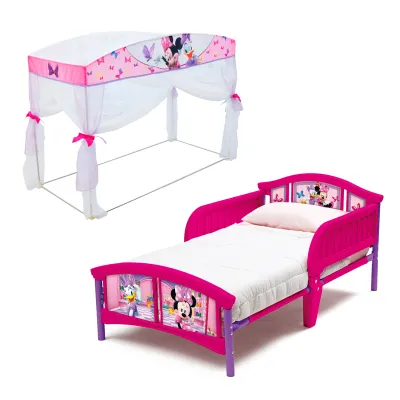
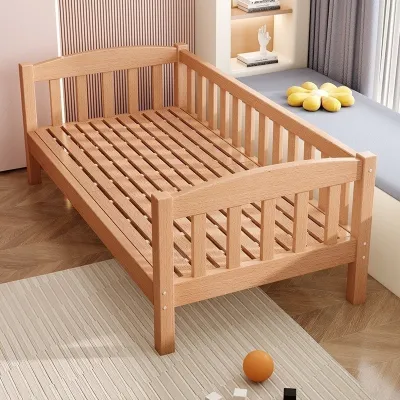
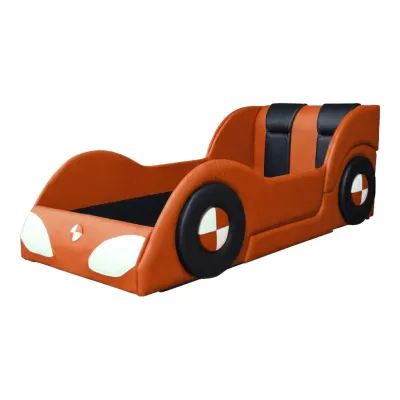
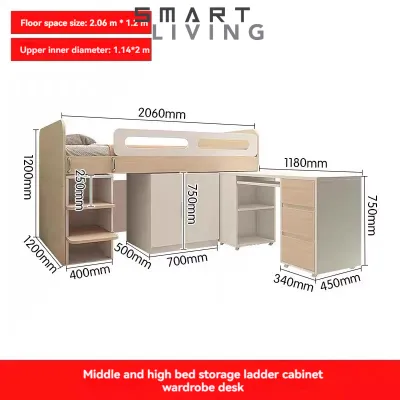
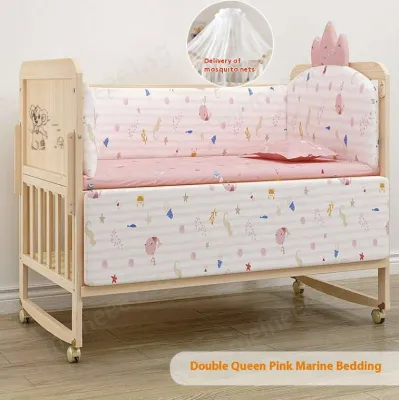
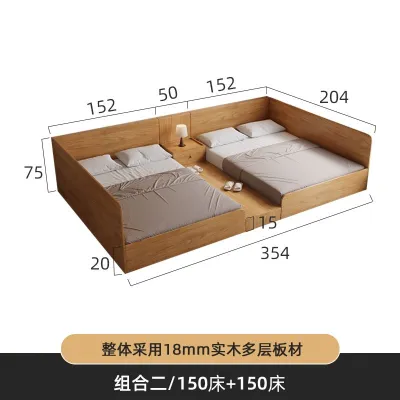
Prices are valid at publication and may change. Please refer to the product page for the latest price.
To verify these claims, inspect the bed frame itself. Legitimate safety certifications are usually printed on a permanent label or stamp located on the inner headboard, the mattress support base, or the lower rails. The product packaging and the user manual should also display these certification marks clearly. If you are purchasing online or cannot find physical labels on a display model, visit the manufacturer’s official website or contact their customer service department directly to request a copy of their safety compliance certificate before finalizing your purchase.
Critical Physical Safety Dimensions to Inspect
Slat Spacing and Entrapment Risks
The vertical slats of a child bed are designed to keep your child safely inside, but if the gaps between them are too wide, they pose a severe hazard. The primary risk is head entrapment or limb strangulation, which can occur if a baby’s body slips through the slats but their head becomes caught.

To meet standard safety requirements, the gap between slats must be no wider than 60 millimetres (6 centimetres). You should physically measure these gaps using a standard measuring tape or ruler before buying. A common household test is the “soda can test”—if a standard soft drink can fits through the slats, the gaps are too wide, and the bed is unsafe. Additionally, ensure that none of the slats are loose, cracked, or flexible, as a child’s weight could bend them and create a dangerous opening.
Mattress Fit and Suffocation Prevention
A secure mattress fit is essential to prevent suffocation and entrapment. If a mattress is too small for the bed frame, a baby can slip into the gap between the mattress edge and the side rails, leading to a highly dangerous situation.
To verify a safe fit, apply the “two-finger rule.” Once the mattress is placed flat inside the bed, there should be no gap wider than 30 millimetres (3 centimetres) between the mattress outer edge and the inner frame of the bed. If you can easily fit more than two fingers into this space, the mattress is too small for that specific bed model. Always purchase a mattress that is explicitly sized to match the dimensions specified by the bed manufacturer. Additionally, the mattress must be firm; soft mattresses conform to a baby’s face and increase the risk of suffocation. If you press your hand down and the surface does not immediately spring back, the mattress is too soft for safe sleep.
Hardware and Protrusions
The structural hardware of a child bed must be meticulously engineered to prevent injuries. Loose screws, sharp edges, and protruding components can catch on a child’s clothing, especially sleep sacks, pacifier clips, or loose threads, presenting a severe strangulation risk.
When inspecting a bed, run your hands along all surfaces to check for protruding bolts, screws, or corner posts. Corner posts should either be virtually flush with the end panels (protruding no more than 1.5 millimetres) or exceptionally tall (over 600 millimetres) to support a canopy, ensuring there are no mid-height protrusions that could snag clothing. Furthermore, avoid any child beds with decorative cut-outs in the headboard or footboard, as these can easily trap a child’s head, fingers, or limbs.
You should also avoid drop-side mechanisms, where one side of the bed slides down to make accessing the baby easier. Internationally, drop-side cribs have been widely discouraged or banned due to mechanical failures where the sliding hardware warps, breaks, or detaches, creating a fatal entrapment gap between the mattress and the partially detached side rail. Stick to fixed-side beds for maximum structural integrity.
Material Safety and Non-Toxic Finishes
Because infants and toddlers naturally explore their environments with their mouths—especially during teething phases—the chemical composition of the materials, paints, stains, and sealants used on a child bed is just as critical as its physical dimensions.
Exposure to heavy metals, particularly lead, can have severe developmental consequences. Volatile organic compounds (VOCs) and formaldehyde, often found in cheap adhesives and engineered woods like MDF, can off-gas into the nursery air, potentially irritating your child’s respiratory system. To mitigate these risks, verify that the bed uses non-toxic, lead-free finishes. Look for specific certifications such as EN 71-3 (the European safety standard for toy safety, which restricts heavy metal migration) or Greenguard Gold certification, which ensures extremely low chemical emissions.
Do not rely on unverified marketing terms like “eco-friendly,” “natural,” or “organic” unless they are backed by these specific, verifiable certification labels on the product packaging or documentation. Additionally, because Singapore’s warm and highly humid climate can accelerate the off-gassing of chemical finishes, it is highly recommended to assemble a new child bed in a well-ventilated room. Allow the assembled bed to air out with open windows or active mechanical ventilation for several days before allowing your child to sleep in it. Always follow the manufacturer’s care, cleaning, and setup instructions to preserve the integrity of the non-toxic finishes.
Red Flags: When to Reject a Child Bed
Knowing when to walk away from a purchase is a vital skill for parents. While second-hand, vintage, or hand-me-down child beds may seem like an attractive, budget-friendly, or sentimental option, they frequently carry hidden dangers that make them unsuitable.
Older beds often fail to meet modern safety standards. They may have wider slat spacing, unsafe drop-side mechanisms, or lead-based paints that have degraded over time. Additionally, wood can warp, and plastic components can become brittle in Singapore’s humid climate, leading to structural fatigue that is invisible to the naked eye.
When evaluating any child bed, treat the following as immediate red flags:
- Missing documentation: The seller cannot provide the original instruction manual, safety warnings, or proof of regulatory compliance.
- Incomplete hardware: The bed is missing original screws, brackets, or supports, or uses mismatched, non-original hardware.
- Structural defects: There are visible cracks in the wood, splintering rails, rusted metal joints, or loose-fitting parts that wobble when shaken.
- Modifications: The bed shows signs of DIY alterations, such as re-drilled holes, custom paint jobs of unknown chemical composition, or home-made replacement parts.
If a seller cannot verify the bed’s history, or if the product shows any of these warning signs, reject it immediately. The risk to your child’s safety far outweighs any financial savings.
Safe Assembly and Ongoing Maintenance Checks
A safety-certified child bed is only safe if it is assembled correctly and maintained diligently throughout its lifespan. Incorrect assembly can compromise even the highest-quality bed, leading to structural failure.
Always read and strictly follow the manufacturer’s exact assembly instructions. Use only the hardware provided in the original packaging; never substitute missing screws or brackets with generic hardware store alternatives, as even minor differences in thread pitch or length can damage the wood or loosen over time. Avoid using power tools unless the manual explicitly directs you to do so, as high torque can easily split wooden components or strip pre-drilled screw holes.
Once the bed is assembled, establish a routine maintenance schedule to ensure it remains structurally sound:
- Weekly checks: Gently shake the bed frame to ensure all joints remain tight and stable. Run your hands along the top rails to check for new splinters or peeling finishes, especially if your child has started teething.
- Monthly checks: Inspect all structural bolts and screws, gently tightening any that have loosened from the natural movement of your child shifting or jumping in the bed.
- Base verification: Check the mattress support base to ensure the metal hangers or wooden supports are securely locked into their designated slots and show no signs of bending or fatigue.
If you discover any cracked wood, stripped threads, missing parts, or structural instability during these checks, stop using the bed immediately. Do not attempt temporary DIY repairs with glue or tape. Consult the manufacturer or a qualified professional to obtain approved replacement parts or advice on whether the bed needs to be replaced.
Frequently Asked Questions (FAQ)
Is it safe to use a second-hand child bed if it looks sturdy?
No, visual sturdiness is not a reliable indicator of safety. A second-hand bed may look solid but could have suffered internal structural fatigue from years of use or improper storage in humid conditions. It may also lack its original assembly hardware, have outdated dimensions (such as unsafe slat spacing), or have been subject to a manufacturer safety recall that you are unaware of. Unless you can verify the exact model, obtain the original manual, confirm it meets all modern safety standards, and ensure no parts are missing or modified, it is safest to avoid used beds.
Do bedside sleepers require different safety standards than standard cribs?
Yes, bedside sleepers and co-sleepers are subject to distinct safety standards because they attach directly to an adult bed. In addition to standard crib safety, bedside sleepers must comply with specific regulations, such as the European standard EN 1130 or the American standard ASTM F2906. When using a bedside sleeper, you must verify that the attachment mechanisms are fully secure and compatible with your specific adult bed frame. There must be no gap between the adult mattress and the sleeper’s mattress, as a baby can easily slip into this space and suffocate. Always adhere strictly to the manufacturer’s weight limits, age/developmental stage guidelines, and warnings regarding when to transition your child to a standalone bed.

Community discussion
Share your experience or ask a question. Comments are reviewed before publication.