
Choosing the right bathing products for your baby is a primary concern for many parents in Singapore. With numerous skincare brands lining the shelves, Cetaphil is a household name often associated with gentle skin care. However, when it comes to newborns and infants, parents frequently wonder if standard Cetaphil soap is safe, or if they need to look for specific formulations. Understanding how to evaluate these products, read ingredient labels, and interpret local regulatory standards is essential for protecting your baby’s delicate skin barrier.
In Singapore, cosmetic products—including baby washes and soaps—are regulated by the Health Sciences Authority (HSA). It is a common misconception that the HSA “certifies” or “approves” these products for safety before they go on sale. Instead, the HSA operates a notification system that places the primary responsibility of safety and compliance on the manufacturer or importer. This means parents must take an active role in verifying product details, understanding formulation differences, and monitoring their baby’s skin for any adverse reactions.
Evaluating Cetaphil Soap Variants for Infant Use
The brand Cetaphil offers a wide range of cleansing products, but not all of them are designed with infants in mind. The classic Cetaphil Gentle Cleansing Bar or the standard Gentle Skin Cleanser are highly popular among adults with sensitive skin, but they are not automatically suitable for newborns. Infant skin is structurally different from adult skin; it is up to thirty percent thinner, loses moisture much faster, and has a developing skin barrier that is highly susceptible to environmental irritants. Therefore, using an adult formulation on a baby can lead to unexpected dryness or irritation.
Products mentioned in this guide
![Cetaphil Gentle Cleansing Bar 4.5Oz [For All Skin Types] With Hydrating Glycerin](https://img.lazcdn.com/g/p/77b1141fbccf6170a41c53cfa7f49628.jpg_400x400q80.jpg_.webp)
Prices are valid at publication and may change. Please refer to the product page for the latest price.
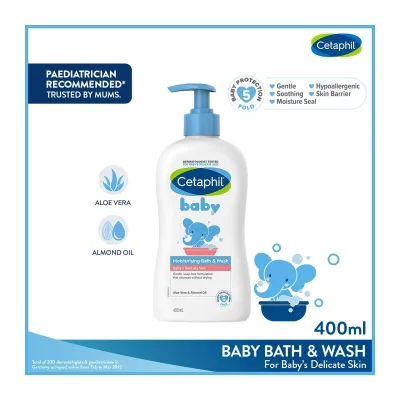
To ensure you are choosing a safe option, always look for the dedicated “Cetaphil Baby” product line. These formulations are specifically engineered to meet the needs of delicate infant skin. When examining a product, check the label for explicit age recommendations, such as “suitable from birth” or “for newborns.” If a product packaging does not clearly state that it is formulated for babies or infants, it is best to avoid using it on your child until they are older.
In addition to age recommendations, parents should verify specific formulation claims printed on the packaging. Look for terms such as “pH-balanced,” “hypoallergenic,” and “tear-free.” A pH-balanced cleanser helps maintain the natural acidic mantle of your baby’s skin, which acts as a barrier against harmful bacteria. “Tear-free” formulations are designed to be gentle on the eyes, reducing discomfort during bath time. While these claims are helpful indicators, they are not absolute guarantees of safety, and parents should still cross-reference them with the ingredient list.
Before fully integrating any new cleanser into your baby’s bath routine, performing a simple patch test is a highly recommended safety measure. Apply a small, pea-sized amount of the product to a localized area of your baby’s skin, such as the inner forearm or the side of the neck. Observe the area over twenty-four to forty-eight hours for any signs of redness, swelling, or irritation. If the skin remains clear, the product is generally considered suitable for broader use on your baby’s body.
What HSA Oversight Means for Baby Skincare in Singapore
When shopping for baby skincare products in Singapore, you might hear claims that a product is “HSA-approved” or “HSA-certified.” It is crucial to understand that the Health Sciences Authority does not issue safety certifications or pre-market approvals for cosmetic products. Under the ASEAN Cosmetic Directive, which Singapore follows, cosmetics are regulated through a post-market surveillance and pre-market notification system. This distinction is vital for parents to understand when evaluating safety claims.

Under the notification framework, manufacturers, importers, or local distributors must submit a product notification to the HSA before placing the product on the Singapore market. This notification is a formal declaration by the company that the product complies with all safety guidelines, does not contain prohibited substances, and is manufactured under hygienic conditions. The HSA does not conduct laboratory testing on every notified product before it is sold; instead, they monitor the market and take action if safety issues or adverse events are reported.
Because the notification system relies on manufacturer compliance, a notified status does not guarantee that a product is entirely free from risk or will not cause an allergic reaction in your specific child. It simply means the product has met the legal administrative requirements to be sold in Singapore. Parents can independently verify whether a baby wash or soap has been properly notified by visiting the official HSA online portal. Using the cosmetic product notification database, you can search for the brand or product name to ensure it is legally registered, which helps guard against counterfeit or unauthorized parallel imports.
Furthermore, parents should be cautious when purchasing baby skincare products from online marketplaces or unauthorized parallel importers. Products formulated for other regions may not adhere to the same ingredient restrictions or notification standards required in Singapore. Buying from reputable local retailers, official brand stores, or established pharmacies ensures that the products have gone through the proper local notification channels and have been stored under appropriate conditions before reaching your home.
Reading Baby Bath Labels: Ingredients and Formulation Checks
Equipping yourself with the ability to read and understand baby bath labels is one of the most effective ways to protect your infant’s skin. When reviewing the ingredient list on a baby wash, look for nourishing and soothing components that support skin hydration. Ingredients such as glycerin, panthenol (Vitamin B5), aloe vera, and calendula extract are commonly used in high-quality baby formulations. These ingredients help lock in moisture, soothe minor irritations, and reinforce the skin’s natural protective barrier.
Conversely, there are several ingredients that parents may want to avoid or monitor closely, especially if their baby has sensitive skin or a family history of eczema. Strong synthetic fragrances are a primary cause of contact dermatitis in infants, so choosing “fragrance-free” products is often recommended. Note that “unscented” is not the same as “fragrance-free,” as unscented products may contain masking fragrances to neutralize chemical odors. Additionally, avoid harsh surfactants like sodium lauryl sulfate (SLS), which can strip the skin of its natural oils, and certain preservatives like parabens or formaldehyde-releasing agents.
It is also helpful to understand the difference between traditional soap and modern “syndet” (synthetic detergent) bars or liquid cleansers. Traditional soaps are often highly alkaline, which can disrupt the skin’s natural acidic pH and cause severe dryness. Most gentle cleansers, including those from Cetaphil, are formulated as syndets. These are designed to match the natural pH of the skin (around 5.5), making them significantly milder and less likely to cause irritation or dryness during cleansing.
Beyond the ingredient list, always inspect the physical packaging for essential quality indicators. Check for a clear expiry date and batch number, which are critical for tracking product freshness and potential manufacturer recalls. In Singapore’s warm and highly humid climate, skincare products can degrade more rapidly if stored incorrectly. Ensure that baby soaps and washes are kept in a cool, dry place away from direct sunlight, and always close the caps tightly after use to prevent bacterial contamination.
Observing Skin Reactions and When to Stop Use
Even when using a highly recommended, notified baby product, every infant’s skin is unique, and individual sensitivities can occur. After introducing a new soap or wash, closely monitor your baby’s skin for any signs of irritation. Common observable reactions include localized redness, dry or flaky patches, small raised bumps, or signs of itchiness, such as the baby rubbing their skin or showing unusual fussiness during or after bath time.
If you notice any signs of skin irritation, take immediate, low-risk steps to manage the reaction. Stop using the product immediately and rinse your baby’s skin thoroughly with lukewarm, plain water to remove any lingering residue. Gently pat the skin dry with a clean, soft cotton towel, avoiding any rubbing motion that could further irritate the skin barrier. Do not apply any new lotions, creams, or home remedies to the irritated area without professional guidance, as this can complicate the reaction.
Establish clear thresholds for when to seek professional medical help. If the skin irritation does not improve within a couple of days after discontinuing the product, or if the redness spreads, develops blisters, oozes, or is accompanied by a fever, consult a pediatrician or a dermatologist immediately. For babies with pre-existing skin conditions like eczema, it is highly advisable to consult a healthcare professional before introducing any new bathing products to establish a safe, tailored skincare routine.
Frequently Asked Questions (FAQ)
Can I use a regular gentle body wash instead of a dedicated baby wash?
It is generally not recommended to use regular adult gentle body washes on infants. Even those formulated for sensitive adult skin often contain higher concentrations of cleansing agents, active ingredients, or fragrances that can easily disrupt a baby’s thin and developing skin barrier. Dedicated baby washes are specifically formulated with milder, low-foaming surfactants and are typically tested to ensure they do not irritate a baby’s eyes or skin.
How often should I bathe my newborn with soap?
Newborns do not require daily baths with soap. Bathing your baby two to three times a week with plain, lukewarm water is generally sufficient to keep them clean without drying out their skin. When you do use a mild baby cleanser, focus primarily on areas that accumulate dirt or moisture, such as the diaper area, neck folds, and hands. Over-using soap can strip away the natural oils that protect your baby’s skin, especially in air-conditioned environments common in Singapore.

Community discussion
Share your experience or ask a question. Comments are reviewed before publication.