
Finding the right diaper cream for your baby in Singapore’s warm, humid climate can feel like a trial-and-error process. With high humidity levels, moisture easily gets trapped inside diapers, making delicate baby skin highly susceptible to irritation, redness, and chafing. To manage this, parents often turn to three popular options: Ceradan, Bepanthen, and Sudocrem.
Each of these products takes a fundamentally different approach to protecting your baby’s skin. Rather than one being universally superior, the best choice depends on whether you are looking to rebuild a sensitive skin barrier, prevent daily wetness irritation, or soothe an active, angry rash. Understanding how their formulations interact with your baby’s skin is key to making an informed decision.
Understanding the Core Ingredients and How They Work
To choose the right product, it helps to understand the science behind their active ingredients. Each brand targets a different aspect of skin health, from deep barrier repair to surface-level physical protection.
Products mentioned in this guide
![Ceradan Diaper Cream 50g [NUHS Pharmacy]](https://img.lazcdn.com/g/ff/kf/S2e2cbd61455a4403a1d3b54d2b9e0ca8K.jpg_400x400q80.jpg_.webp)

Prices are valid at publication and may change. Please refer to the product page for the latest price.
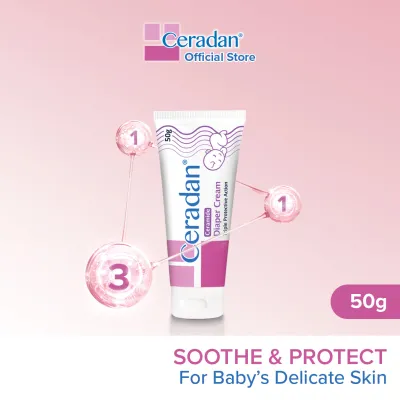
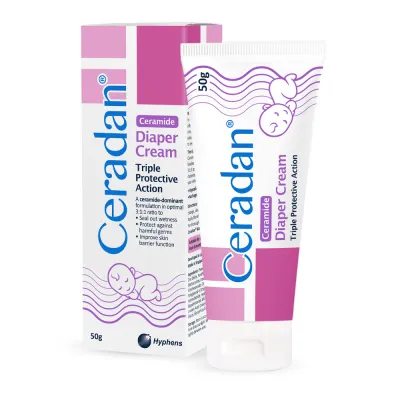
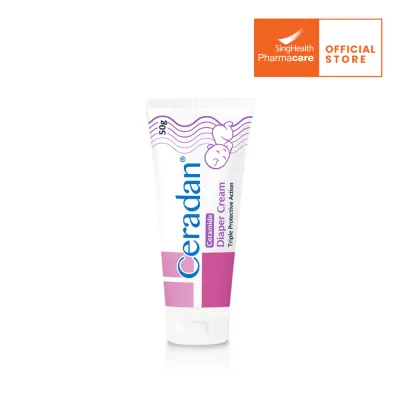
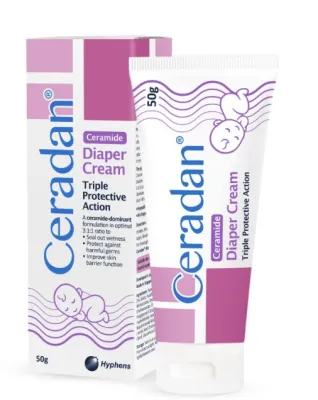
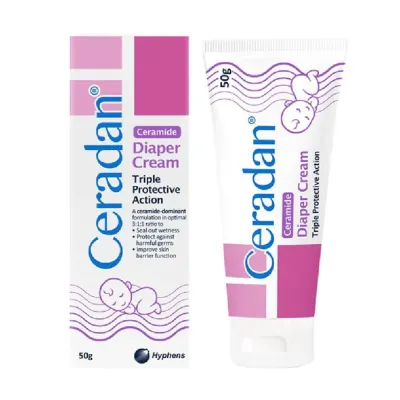
Ceradan diaper cream relies heavily on ceramides, which are natural lipids that make up a significant portion of the skin barrier. When a baby’s skin is dry or irritated, the natural ceramide levels are often depleted. Applying a ceramide-dominant cream helps replenish these lipids, supporting the skin’s natural moisture barrier and keeping external irritants out.
Bepanthen Nappy Care Ointment utilizes provitamin B5, also known as dexpanthenol. This ingredient is widely recognized for its ability to aid hydration and support natural skin recovery. By attracting moisture and holding it within the skin, provitamin B5 helps the skin heal itself while maintaining its natural elasticity and softness.
Sudocrem Antiseptic Healing Cream takes a physical barrier approach by using zinc oxide as its primary active ingredient. Zinc oxide does not absorb deeply into the skin; instead, it sits on the surface to form a robust, water-resistant shield. This physical barrier blocks urine, feces, and diaper friction from directly contacting the irritated skin underneath.
When evaluating these options, always check the product labels for specific ingredient concentrations. Some formulations may include additional soothing agents like calendula, while others might contain fragrances or preservatives that could trigger reactions in highly sensitive babies.
Ceradan Diaper Cream: Focus on Barrier Repair
Ceradan diaper cream is specifically formulated to address the needs of babies with chronically dry, sensitive, or eczema-prone skin. Rather than just blocking moisture, it focuses on rebuilding the skin’s natural defenses from within.

This cream is highly suitable for daily use, particularly for infants who show early signs of skin barrier compromise. If your baby frequently experiences dry patches or has a family history of eczema, a ceramide-dominant formula helps maintain skin integrity before a rash even has a chance to develop.
In terms of texture, Ceradan is typically lighter than traditional diaper ointments. It spreads smoothly and absorbs relatively quickly into the skin, leaving a minimal greasy residue. This makes it comfortable for daily application in Singapore’s humid weather, where heavy, sticky creams can sometimes feel uncomfortable for babies.
However, because of its lighter texture, Ceradan may not provide the thick, heavy physical barrier required to manage severe, weeping diaper rashes. When a rash is actively oozing or highly inflamed, a physical shield is often necessary to keep wetness away, which is where lighter creams may fall short.
Before purchasing, always verify the specific product variant and check the packaging for age recommendations. Some barrier creams are formulated for newborns, while others are better suited for older infants.
Bepanthen Nappy Care Ointment: Focus on Everyday Prevention
Bepanthen Nappy Care Ointment is designed as a daily preventative measure to protect healthy skin from the constant moisture and friction of diaper wear. It aims to stop diaper rash from developing in the first place.
The formula features a breathable, water-in-oil emulsion. This unique structure allows the ointment to protect the skin from external wetness while still letting the skin breathe. Unlike completely occlusive barriers, a breathable layer prevents sweat and heat from becoming trapped against the baby’s skin, which is crucial in tropical climates.
This ointment is ideal for use during everyday nappy changes. Applying a thin layer after each change creates a consistent, protective shield that guards against the irritating enzymes found in urine and feces.
The texture of Bepanthen is translucent and ointment-like. While it can feel slightly greasy upon initial application, it remains easy to spread and simple to wipe off during subsequent diaper changes. It does not leave a stubborn white residue on the skin or diaper.
As with any skincare product, it is wise to verify the ingredient list on your specific local variant. Some formulations may contain lanolin or other additives that, while generally safe, could occasionally cause sensitivity in some babies.
Sudocrem Antiseptic Healing Cream: Focus on Active Rashes
Sudocrem Antiseptic Healing Cream is a traditional favorite when it comes to managing active, red, and irritated diaper rashes. It is formulated to provide heavy-duty protection when the skin is already compromised.
The hallmark of Sudocrem is its thick, paste-like consistency, driven by its high zinc oxide content. When applied, it creates a dense, opaque physical barrier that completely isolates the skin from moisture, friction, and waste products inside the diaper.
This thick paste is highly effective at soothing existing redness and chafing. If your baby has developed a bright red rash from prolonged diaper wear or a bout of diarrhea, the physical shield helps the skin rest and recover without further irritation.
However, the practical handling of Sudocrem requires some effort. The thick white paste can be challenging to apply evenly, and removing it completely during diaper changes often requires gentle wiping or the use of a baby-safe cleansing oil. Additionally, the paste can easily transfer to and stain clothing or fabric diapers if not covered carefully.
Parents should also check the ingredient list for potential sensitivities. Sudocrem contains specific soothing agents and mild fragrances that give it its signature scent, which may not be suitable for babies with extremely sensitive skin or open wounds.
Side-by-Side Comparison: Texture, Application, and Cleanup
Comparing the physical characteristics of these three creams helps parents understand how they fit into a busy daily routine. The ease of application and cleanup can significantly impact your diaper-changing experience.
The thickness and spreadability of these products vary greatly. Ceradan behaves like a light, hydrating cream that glides on easily and absorbs quickly. Bepanthen is a mid-weight, translucent ointment that spreads smoothly but leaves a breathable, protective sheen. Sudocrem is a heavy, dense paste that requires a bit of patting to distribute evenly over the skin.
Visually, they look very different once applied. Ceradan becomes virtually invisible as it absorbs. Bepanthen leaves a clear, shiny layer that allows you to monitor the skin underneath easily. Sudocrem leaves a distinct, opaque white layer that remains visible until it is wiped away.
Cleanup effort is another practical consideration. Ceradan requires almost no effort to clean, as it mostly absorbs into the skin. Bepanthen wipes off easily with a standard baby wipe. Sudocrem, due to its water-resistant nature, can cling to the skin and may require multiple wipes or a gentle oil-based cleanser to remove completely without rubbing the baby’s skin too harshly.
| Product | Primary Active Ingredient | Best Use Case | Texture | Cleanup Effort |
|---|---|---|---|---|
| Ceradan Diaper Cream | Ceramides | Daily barrier repair for dry, sensitive, or eczema-prone skin | Light, fast-absorbing cream | Very low (absorbs into skin) |
| Bepanthen Nappy Care Ointment | Provitamin B5 (Dexpanthenol) | Everyday prevention and breathable moisture protection | Translucent, mid-weight ointment | Low (wipes off easily) |
| Sudocrem Antiseptic Healing Cream | Zinc Oxide | Soothing active, red, and irritated diaper rashes | Thick, opaque white paste | Moderate to high (requires gentle wiping) |
How to Choose the Right Diaper Cream for Your Baby
Selecting the right cream does not require finding a single winner; instead, it involves matching the product to your baby’s current skin condition and your daily routine.
Choose Ceradan if your baby has chronically dry skin, a compromised skin barrier, or a history of eczema. This option is best when you need to actively replenish skin lipids and support long-term skin health rather than just blocking surface moisture.
Choose Bepanthen if your primary goal is everyday prevention. It is the ideal choice for parents who want a breathable, easy-to-apply barrier for frequent diaper changes to keep healthy skin protected from daily wetness.
Choose Sudocrem if your baby is currently dealing with an active, red, or chafed diaper rash. The thick zinc oxide paste is designed to provide the heavy-duty physical protection needed to shield irritated skin while it heals.
Before committing to any new product, always verify if your baby has known allergies to specific ingredients by reading the product label carefully. It is highly recommended to perform a patch test on a small, healthy area of skin, such as the inner arm, before applying any cream extensively to the diaper area.
Safe Application and When to Seek Professional Care
Proper application technique is just as important as choosing the right cream. Following a consistent routine helps maximize the effectiveness of whichever product you choose.
Start by gently cleaning the diaper area with mild wipes or warm water during a change. Pat the skin completely dry with a clean, soft towel rather than rubbing, as friction can worsen irritation. Once dry, apply a thin, even layer of your chosen cream according to the manufacturer’s specific thickness instructions.
Be cautious not to apply thick, occlusive barrier creams over suspected fungal infections. In Singapore’s warm and humid environment, yeast infections can easily develop in the diaper area. Applying a heavy barrier cream over a fungal rash can trap moisture and warmth, creating an ideal environment for the fungus to multiply and worsen the condition.
Monitor your baby’s skin closely and know when to stop using over-the-counter creams. If you notice bleeding, blistering, oozing, or if the rash spreads beyond the diaper area, stop application immediately. You should also seek professional advice if the rash does not show any improvement after a few days of consistent care.
Always consult a pediatrician or a qualified healthcare professional for persistent, severe, or worsening rashes. They can provide an accurate diagnosis and prescribe targeted treatments, such as antifungal or mild topical steroid creams, if necessary.
Frequently Asked Questions (FAQ)
Can I use these diaper creams on my baby's face or other body parts?
While some of the active ingredients in these creams are generally safe, diaper creams are specifically formulated for the unique, high-moisture environment of the diaper region. The thick, occlusive nature of some barrier creams can clog delicate facial pores and lead to breakouts or localized irritation. Always check the manufacturer’s label for specific age and body-area restrictions. For facial dryness or body eczema, it is best to use products specifically formulated and tested for those areas.
Do I need to wipe off all the old cream before applying a new layer?
Aggressively scrubbing off every trace of remaining barrier cream during a diaper change can cause friction and further irritate your baby’s delicate skin. If the previous layer of cream is clean, dry, and has not been soiled by stool, you do not need to remove it entirely. Simply wipe away any soiled areas gently, pat the skin dry, and apply a fresh layer over the clean skin according to the product’s guidelines.
Are these creams safe to use with cloth nappies?
Thick zinc oxide pastes and heavy petroleum-based ointments can pose challenges for cloth diaper users. These ingredients can coat the fabric fibers of reusable cloth nappies, creating a water-resistant buildup that reduces absorbency and causes liquid to repel. Before applying these creams, check your cloth nappy manufacturer’s care instructions. If you need to use a heavy barrier cream, consider using a disposable flushable liner or choosing a lighter, water-based cream to protect the fabric.

Community discussion
Share your experience or ask a question. Comments are reviewed before publication.