
Introducing solid foods is an exciting milestone in your baby’s first year, and carrots are often one of the very first vegetables parents choose to offer. With their naturally sweet taste, appealing bright color, and smooth texture when cooked, carrots are generally well-received by infants transitioning from a milk-only diet. Beyond their pleasant flavor, these root vegetables provide essential nutrients that support rapid physical development, visual health, and immune function.
Knowing when and how to introduce carrots safely is crucial for a smooth weaning journey. While carrots are highly nutritious, preparing them incorrectly can present safety risks, particularly regarding choking. By understanding your baby’s developmental readiness and mastering safe preparation techniques, you can confidently make carrots a staple in your little one’s early diet.
When to Introduce Carrots to Your Baby
Most babies are ready to start their solid food journey around six months of age. This timeline aligns with general pediatric guidelines, which recommend exclusive breastfeeding or formula feeding for the first six months of life. At this stage, an infant’s digestive system has matured sufficiently to process solid foods, and their natural iron stores begin to deplete, making nutrient-dense complementary foods essential.
Products mentioned in this guide
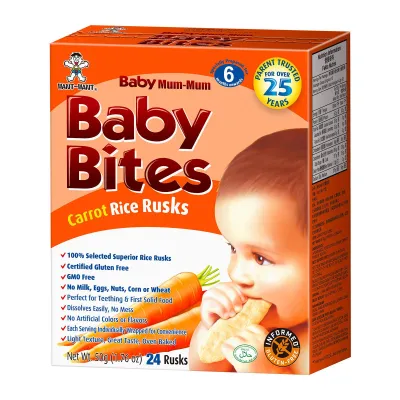





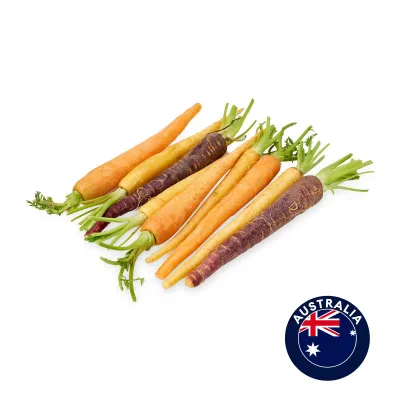

Prices are valid at publication and may change. Please refer to the product page for the latest price.
Before offering carrots, it is important to look for key signs of developmental readiness rather than relying solely on the calendar. Your baby should be able to sit upright with minimal support and maintain good head and neck control, which are vital for safe swallowing. Another crucial indicator is the disappearance of the tongue-thrust reflex, an involuntary reaction where babies push solid objects out of their mouths with their tongues. If your baby actively watches you eat, reaches for food, and can lean forward to show interest, they may be ready to try their first spoonful of carrot puree.
Every baby develops at their own unique pace. Before introducing any new solid foods into your infant’s diet, consult your pediatrician, family doctor, or a child health professional at a local polyclinic. A healthcare professional can evaluate your baby’s physical growth and developmental milestones to confirm they are fully prepared to begin weaning safely.
Key Nutritional Benefits of Carrots for Infant Development
Carrots are widely celebrated for their exceptional nutritional profile, making them an excellent choice for growing infants. One of the most significant benefits of carrots is their high concentration of beta-carotene, an organic compound that the human body converts into Vitamin A. This essential vitamin plays a critical role in supporting healthy vision development, particularly in helping the eyes adjust to low-light conditions. Additionally, Vitamin A is vital for maintaining a robust immune system, helping your baby’s body build a natural defense against common childhood infections.

As babies transition to solid foods, their digestive systems undergo a period of adjustment, which can sometimes lead to changes in bowel habits. The dietary fiber naturally present in carrots helps promote healthy digestion by adding bulk to the stool and encouraging regular bowel movements. Introducing fiber-rich vegetables early on supports the development of a healthy gut microbiome, laying a strong foundation for long-term digestive wellness.
In addition to beta-carotene and fiber, carrots contain a variety of other essential vitamins and minerals that support overall physical development. They provide Vitamin K, which is necessary for proper blood clotting and plays a supportive role in bone health. Carrots also contain potassium, an essential mineral that helps regulate fluid balance, supports muscle function, and assists in maintaining healthy blood pressure levels as your baby grows.
Safe Preparation and Serving Methods by Age
To ensure your baby enjoys the benefits of carrots without unnecessary risk, you must adapt the preparation method to match their specific stage of physical development. For beginners who are just starting solids around six months of age, carrots should always be served as a completely smooth, runny puree. To prepare this, peel and chop fresh carrots, then steam or boil them until they are completely tender. Blend the cooked carrots thoroughly, adding a small amount of breast milk, formula, or the cooking water to achieve a thin, easily swallowable consistency that can be fed with a soft weaning spoon.
If you choose to purchase pre-packaged commercial carrot purees or jarred baby foods, always verify the age and development stage recommendations printed on the packaging. It is essential to check the ingredients list to ensure there are no added sugars, excessive sodium, or unexpected allergens, and to verify that the product has not been subject to any recent safety recalls. Always follow the manufacturer’s instructions for safe storage, heating, and serving to protect your infant’s health.
As your baby becomes more experienced with swallowing and reaches around seven to eight months of age, you can gradually transition to a thicker, lumpy texture. Instead of blending the carrots into a smooth liquid, try mashing them thoroughly with a fork. This slightly textured consistency encourages your baby to practice moving food around their mouth and engages their jaw muscles, which is an important step in developing mature chewing skills.
For babies practicing baby-led weaning or those around nine months and older who have developed the pincer grasp, carrots can be served as soft finger foods. At this stage, safety lies entirely in the shape and texture of the food. Cut carrots into long, thick sticks—roughly the size and shape of an adult index finger—and cook them until they are incredibly soft. A reliable way to test this is the “squish test”: you should be able to easily flatten the carrot stick between your thumb and forefinger with minimal pressure. Avoid cutting carrots into hard, round, or coin-shaped pieces, as these can easily block a baby’s small airway if swallowed whole.
Whether you source fresh organic carrots from local wet markets or supermarkets, preparing them at home allows you to control the texture and quality. Steaming is often preferred over boiling to preserve water-soluble vitamins, though boiling is also highly effective if you use the cooking water to thin the puree.
Potential Risks and When to Consult a Pediatrician
While carrots are a highly beneficial food, parents must remain vigilant about potential safety hazards. Raw, hard, or improperly prepared carrots are among the most common choking hazards for infants and young children. Because babies do not yet have the molars required to grind down tough, fibrous foods, offering raw carrots can lead to accidental choking. To minimize this risk, always ensure carrots are cooked to a soft texture, and maintain constant, undivided adult supervision during every mealtime.
When introducing carrots for the first time, it is wise to follow the standard practice of offering them individually for a few days without introducing other new foods. This allows you to monitor your baby closely for any signs of an allergic reaction or food intolerance. Although carrot allergies are uncommon, watch for symptoms such as skin rashes, hives, swelling around the mouth or face, vomiting, or sudden breathing difficulties. If you observe any mild symptoms, stop feeding carrots and consult your pediatrician; if your baby experiences severe symptoms like difficulty breathing, seek immediate emergency medical attention.
Another condition associated with a high intake of carrots is carotenemia, which is a harmless, temporary yellowing or orange tinting of the skin. This occurs when a baby consumes large amounts of beta-carotene-rich foods, such as carrots, sweet potatoes, and pumpkins, causing the pigment to accumulate in the skin, most noticeably on the palms of the hands and soles of the feet. Carotenemia is completely benign and should not be confused with jaundice, which typically causes the whites of the eyes to turn yellow. If you notice an orange tint to your baby’s skin, simply consult your pediatrician to confirm the condition, and manage it by offering a wider variety of green, yellow, and white vegetables to balance their nutrient intake.
Frequently Asked Questions (FAQ)
Can babies eat raw carrots?
No, babies and young toddlers should not be given raw carrots. Raw carrots are extremely hard and fibrous, presenting a severe choking hazard because young children lack the back molars necessary to grind them down safely. You should avoid offering raw carrot sticks or large raw pieces until your child is older, typically around four years of age, or when a healthcare professional confirms their chewing skills are fully mature. If you wish to introduce raw carrots earlier to an older toddler, ensure they are finely grated or shredded, and always supervise them closely while eating.
Do carrots cause constipation in babies?
Generally, carrots do not cause constipation; in fact, their natural dietary fiber content is designed to support healthy digestion and keep bowel movements regular. However, if a baby consumes large quantities of cooked carrots without receiving adequate hydration from breast milk, formula, or small sips of water (if over six months), the stool can occasionally become firmer. To maintain a healthy digestive balance, offer carrots alongside hydrating fruits and vegetables, such as pears or plums, and ensure your baby is receiving sufficient fluids throughout the day.

Community discussion
Share your experience or ask a question. Comments are reviewed before publication.