
Navigating child passenger safety laws is a vital responsibility for every parent and caregiver in Singapore. When children outgrow their rear-facing or forward-facing car seats with integrated harnesses, they transition to a booster seat. This stage is critical because standard vehicle seat belts are designed for adult bodies, not the smaller skeletal frames of growing children. Understanding the specific legal requirements and safety standards in Singapore ensures that your child remains both legally compliant and physically protected on every journey.
In Singapore, the law mandates that all passengers under a certain height must use an approved child restraint system when traveling in a motor vehicle. This requirement is strictly enforced to reduce the risk of severe injury during sudden braking or collisions. By learning how the law applies to different types of vehicles, how to select a certified booster seat, and how to determine when your child is ready to transition to an adult seat belt, you can make informed decisions that prioritize safety and peace of mind.
Understanding the Legal Height and Age Thresholds
The primary legal benchmark for child passenger safety in Singapore is height rather than age. Under the Road Traffic Act, any passenger who is under the height of 1.35 metres must be secured with an approved child restraint system, such as a booster seat, appropriate for their height and weight. This means that even if a child is older or weighs more than their peers, they must continue to use a booster seat until they physically reach the 1.35-metre threshold.
Products mentioned in this guide
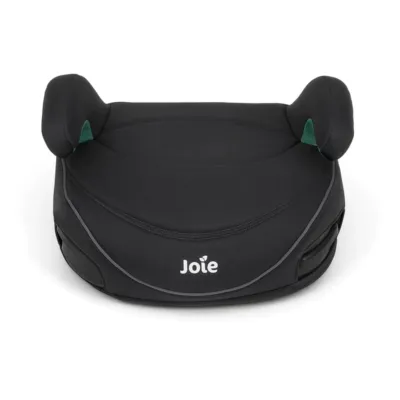
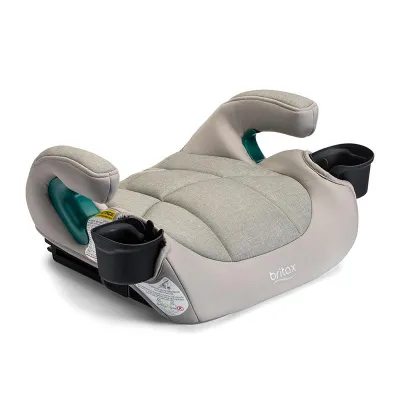
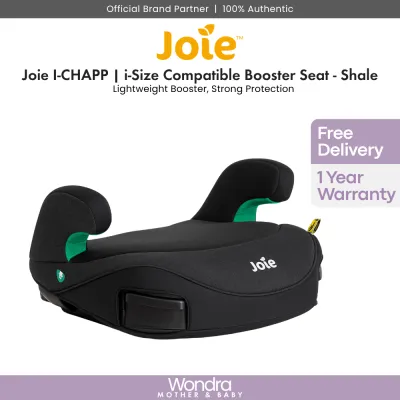
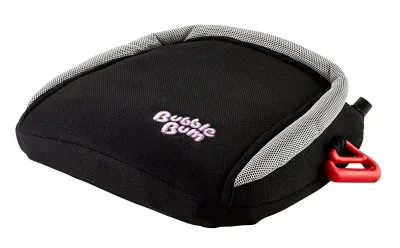
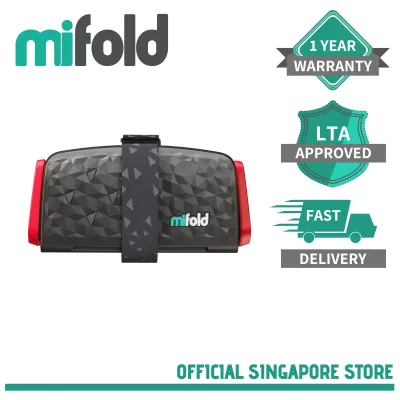
![Easyhome.sg [Child SAFETY] Baby Booster Car Seat Chair – Toddler Safety Travel Carrier for Children](https://img.lazcdn.com/g/p/9a1e79f7193f323d784f040bd84fc2a9.png_400x400q80.png_.webp)
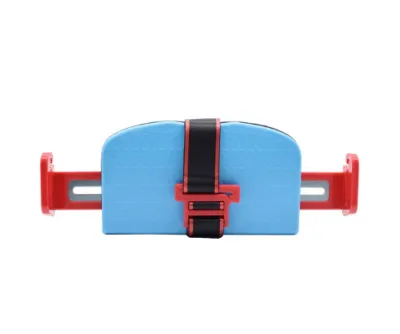
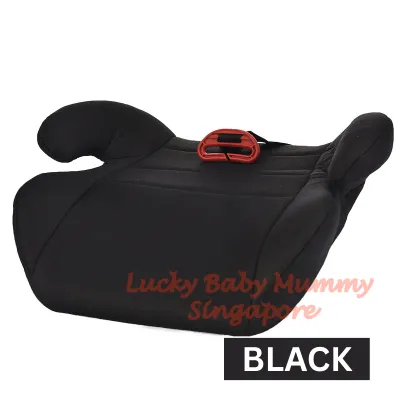
Prices are valid at publication and may change. Please refer to the product page for the latest price.
The focus on height is based on how standard three-point seat belts function. Vehicle seat belts are engineered to distribute crash forces across the strongest parts of an adult’s skeletal structure: the collarbone and the pelvis. For a child under 1.35 metres, an adult seat belt sits too high, crossing the neck or face instead of the shoulder, and riding up onto the soft abdomen instead of the hips. In a collision, this improper fit can cause severe internal injuries or allow the child to slide out from under the belt.
While height is the legal trigger, age and weight are critical factors for choosing the correct category of restraint. Manufacturers design booster seats to support specific weight ranges, which parents must verify by checking the product’s instruction manual or physical labels. Using a booster seat that does not match your child’s weight can compromise its structural integrity and effectiveness during an impact.
Failing to comply with Singapore’s child passenger safety laws carries serious legal penalties. Drivers who fail to ensure that passengers under 1.35 metres are properly secured can face a composition fine and demerit points. For serious or repeat offenses, drivers may be prosecuted in court, which can result in heavier fines or imprisonment. These penalties underscore the gravity with which the authorities view child safety on the road.
Choosing a Compliant Car Seat Booster for Your Child
Selecting a compliant booster seat requires understanding the different designs available and how they align with your child’s developmental stage. The two primary types of booster seats are high-back boosters and backless boosters. Each design offers distinct advantages depending on your child’s height, weight, and the configuration of your vehicle’s seats.

High-back booster seats are highly recommended for younger children who have recently outgrown their forward-facing car seats with internal harnesses. These seats feature a built-in backrest and head support, which provide crucial lateral protection for the child’s head, neck, and torso. The integrated belt guides on a high-back booster ensure that the vehicle’s shoulder belt is positioned precisely across the chest, even if the child falls asleep and slumps to the side.
Backless booster seats are a more compact and portable option, designed primarily for older children who still require a lift to achieve a proper seat belt fit. These seats raise the child’s body so that the lap belt sits low across the hips and the shoulder belt crosses the collarbone. Backless boosters are highly convenient for families who frequently switch vehicles, but they should only be used in vehicle seats that feature built-in headrests to protect the child’s neck from whiplash.
In Singapore, parents must verify that any booster seat they purchase complies with recognized international safety standards. The Land Transport Authority recognizes several certification standards, including the United Nations standard (ECE R44/04 or R129/i-Size), the American standard (FMVSS 213), the British standard (BS EN 44/04), or equivalent Japanese and Australian standards. Before buying, inspect the booster seat for an official orange certification label or a clear indication of compliance in the product documentation.
To ensure a proper fit, parents must measure their child’s height and weight before selecting a booster seat. Compare these measurements against the manufacturer’s specifications to confirm that the child falls within the approved limits. A booster seat that is too large or too small will not position the seat belt correctly, defeating the safety purpose of the device.
Proper Installation and Daily Safety Checks
An approved booster seat can only protect your child if it is installed and used correctly on every single trip. Parents must carefully review the booster seat’s instruction manual alongside the vehicle’s owner manual to understand the exact installation procedures. Different vehicles have different seat belt designs and anchor points, which can affect how the booster seat sits on the vehicle seat.
The core function of a booster seat is to guide the vehicle’s three-point seat belt over the child’s body. When installing the seat, ensure that the lap belt passes through the lower belt guides on both sides of the booster, sitting low across the child’s pelvis. The shoulder belt must be threaded through the shoulder belt guide (on high-back models) to keep it centered on the collarbone, away from the neck and face.
Caregivers should establish a routine of performing quick visual and physical checks before starting the vehicle’s engine. First, check that the seat belt is completely flat and free of twists. A twisted seat belt can concentrate the force of a collision onto a narrow strip of the child’s body, potentially causing severe bruising or internal injuries.
Second, verify that the seat belt is pulled taut and has no excess slack. The belt must be snug against the child’s body to hold them securely in place during sudden braking. Third, ensure that the booster seat itself is positioned flat against the vehicle’s seat back and does not slide or tilt excessively.
Parents must also know when to stop using a specific booster seat. If the booster seat is involved in a vehicle collision, even a minor one, it must be replaced immediately, as invisible structural damage may have occurred. Additionally, stop using the seat if you notice any visible cracks in the plastic shell, frayed webbing, or broken adjustment mechanisms, or if your child exceeds the manufacturer’s maximum height or weight limits.
Transitioning Out of a Booster Seat Safely
Deciding when to transition your child out of a booster seat is a critical safety decision that should not be based solely on reaching the legal height of 1.35 metres. Physical development varies from child to child, and some children may still require a booster seat even after reaching the legal height to ensure a safe seat belt fit. Parents should use the standard five-step test to evaluate their child’s physical readiness.
The first step of the test requires the child to sit all the way back against the vehicle’s seat back. Their back must remain completely flat against the seat cushion without any gap. The second step is to check if the child’s knees bend comfortably over the front edge of the vehicle seat cushion. If their legs are too short and their knees stick straight out, they will naturally slouch forward, which compromises their safety.
The third step is to observe the position of the shoulder belt. It must cross the center of the child’s shoulder and rest flat against their collarbone. If the belt rubs against their neck or slips off their shoulder, they still need a booster seat. The fourth step is to check the lap belt, which must sit low and snug across the upper thighs and hips, touching the pelvic bones rather than resting on the soft abdomen.
The fifth and final step is assessing the child’s behavioral maturity. The child must be able to maintain this correct seating position for the entire duration of the journey. If they frequently slouch, lean over, wiggle out of the shoulder belt, or tuck the belt under their arm, they are not yet ready to ride without a booster seat.
It is also important to remember that a child may pass the five-step test in one vehicle but not in another. The shape of the vehicle seats, the angle of the seat back, and the location of the seat belt anchor points vary significantly between sedans, SUVs, and multi-purpose vehicles. Parents should perform the five-step test in every vehicle the child regularly rides in and consult the vehicle’s manual for specific recommendations.
Frequently Asked Questions (FAQ)
Are there legal exemptions for taking a taxi or private hire car?
In Singapore, the law draws a clear distinction between public taxis and private hire vehicles regarding child restraint requirements. Public taxis are legally exempt from the child restraint law, meaning children under 1.35 metres can travel in the rear seat of a taxi using the standard adult seat belt. This exemption is a practical concession for public transport services hailed on the street, where drivers cannot reasonably carry child seats for every potential passenger.
However, this legal exemption does not apply to private hire cars booked through ride-hailing applications. Private hire vehicles are classified as pre-booked transport, and drivers are legally required to ensure that any passenger under 1.35 metres is secured in an approved child restraint or booster seat. Many ride-hailing platforms in Singapore offer specialized booking options that include a child booster seat for a small additional fee, which parents should utilize to ensure compliance and safety.
Can I use a second-hand car seat booster?
While purchasing a pre-owned booster seat may seem like an economical choice, safety experts strongly advise against it due to several hidden risks. The most critical concern is the inability to verify the seat’s complete history. A booster seat that has been involved in a motor vehicle collision, even a minor one, may have sustained internal structural damage or hairline cracks that are completely invisible to the naked eye but compromise its ability to protect a child in a future crash.
Furthermore, booster seats have expiration dates, typically ranging from six to ten years from the date of manufacture. Over time, the plastic materials degrade due to exposure to heat, sunlight, and temperature fluctuations inside the vehicle, making the seat brittle and prone to cracking under impact. Second-hand seats often lack their original instruction manuals, registration cards, and safety labels, making it impossible to check for manufacturer recalls or verify the seat’s exact age.

Community discussion
Share your experience or ask a question. Comments are reviewed before publication.