
Understanding the legal and safety requirements for child restraints is a critical responsibility for every parent and caregiver in Singapore. Navigating the transition from a forward-facing car seat to a booster seat involves more than just age; it requires careful attention to your child’s physical development, the specific traffic laws enforced by local authorities, and the safety standards of the equipment you choose. This guide breaks down the essential legal thresholds, safety checks, and practical usage boundaries to help you ensure your child is both legally compliant and properly protected on every journey.
Singapore's Legal Requirements for Child Restraints
Under the Road Traffic (Motor Vehicles – Wearing of Seat Belts) Rules in Singapore, any passenger below the height of 1.35 metres must be secured with an approved child restraint appropriate for their height and weight. While age is often discussed as a general guideline, the law is strictly based on height because standard vehicle seat belts are designed for adults who are at least 1.35 metres tall. When a child who is shorter than this threshold uses a standard seat belt without a booster, the belt cannot sit across the strong bony structures of the body, posing a severe safety risk.
The legal distinction between front-seat and rear-seat passengers is also critical. Children under 1.35 metres are legally permitted to sit in the rear seat only if they are secured in an appropriate child restraint. If a child is placed in the front passenger seat, they must use an approved child restraint or booster seat; they cannot simply use the adult seat belt, even if they are close to the height limit. However, safety authorities strongly recommend that children remain in the rear seat, as it is statistically much safer in the event of a frontal collision.
Products mentioned in this guide
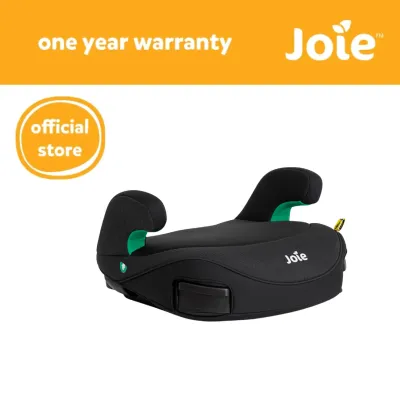
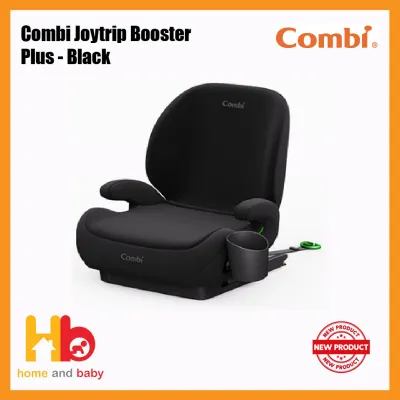
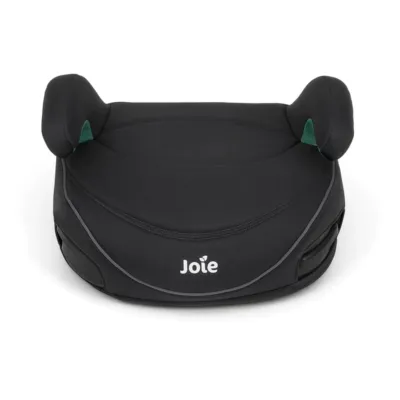
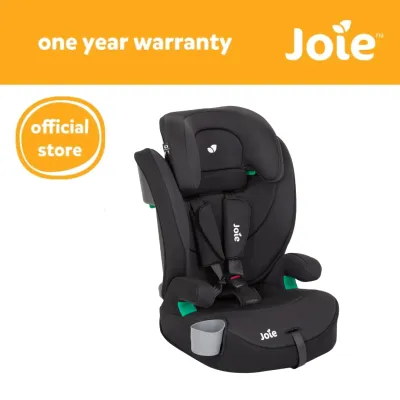
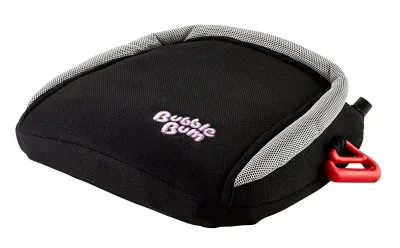
![Easyhome.sg [Child SAFETY] Baby Booster Car Seat Chair – Toddler Safety Travel Carrier for Children](https://img.lazcdn.com/g/p/9a1e79f7193f323d784f040bd84fc2a9.png_400x400q80.png_.webp)
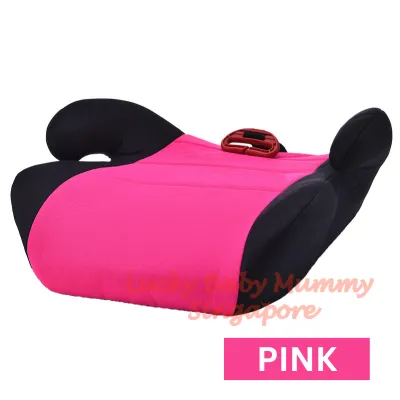
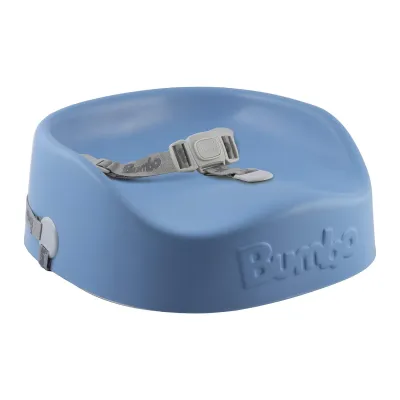
Prices are valid at publication and may change. Please refer to the product page for the latest price.
Drivers bear the legal responsibility for ensuring all passengers are properly restrained. If a driver is caught carrying a passenger under 1.35 metres who is not secured in an approved restraint, they face strict penalties. These penalties typically include a composition fine and demerit points issued to the driver’s license. For serious or repeat offences, drivers may be prosecuted in court, which can lead to heavier fines or even custodial sentences. Parents should verify the current penalty schedules directly with the Singapore Traffic Police.
An “appropriate child restraint” is legally defined by the child’s physical size rather than just their age. This means parents must select a booster seat or car seat that is specifically rated for their child’s current weight and height, as indicated by the manufacturer’s specifications. Simply using any booster seat is not enough; the seat must be certified and suitable for the child’s specific physical dimensions to be considered legally compliant.
When to Transition to a Car Booster Seat
Transitioning your child from a forward-facing car seat with a built-in five-point harness to a booster seat is a major milestone that must not be rushed. A five-point harness provides superior protection by securing the child at the shoulders and hips, distributing crash forces over a wider, stronger area of the body. You should only consider moving your child to a booster seat when they have fully outgrown their forward-facing harness seat.

To determine if your child has outgrown their current seat, check the manufacturer’s label for the maximum height and weight limits. Physical signs also indicate it is time to transition: the child’s shoulders are higher than the top harness slots, or the tops of their ears have reached the top of the car seat shell. If your child still fits within the height and weight limits of their harness seat, it is safest to keep them in it for as long as possible.
Transitioning a child to a booster seat too early carries significant safety risks. Because a booster seat relies on the vehicle’s three-point seat belt to secure both the child and the seat, the child must be large enough for the seat belt to fit correctly. If the child is too small, the lap belt may ride up onto their soft abdomen, and the shoulder belt may rub against their neck or face. In a collision, this improper fit can lead to severe internal organ damage, spinal injuries, or head trauma.
Before making the switch, evaluate your child’s behavioral readiness using a simple checklist. Your child must be able to sit relatively still for the entire duration of every journey. They must not slouch, lean forward, slide down, or pull the shoulder belt behind their back or under their arm. If your child cannot maintain a proper sitting position for the whole ride, they are not yet ready for a booster seat, regardless of their physical size.
Verifying Safety Standards and Product Compliance
When purchasing a car booster seat in Singapore, verifying that the product meets recognized international safety standards is essential for both legal compliance and safety. Singapore’s Land Transport Authority and Traffic Police recognize several international standards. Look for certification labels on the booster seat or its packaging, such as the United Nations standard (UN ECE R44/04 or the newer R129/i-Size), the American standard (FMVSS 213), the British standard (BS 3254), or the Australian standard (AS/NZS 1754).
The manufacturer’s label provides crucial information that you must read carefully before buying. This label, often an orange sticker on European-certified seats, specifies the approved weight and height ranges for the seat. It also indicates the category of approval, such as “universal,” which means the seat is designed to fit in most vehicle models. Ensure these specifications align perfectly with your child’s current physical measurements.
While second-hand booster seats may seem like a cost-effective option, they carry hidden risks that can compromise your child’s safety. A second-hand seat may have an unknown history, including involvement in a minor collision that might not leave visible damage but could weaken the internal plastic structure. Additionally, plastic degrades over time, especially when exposed to Singapore’s hot and humid climate. Missing labels, expired components, or lack of instruction manuals are other common issues with used seats, making them highly risky.
Before using any booster seat, check for active manufacturer recalls or safety notices. You can do this by visiting the manufacturer’s official website and entering the model name, serial number, and date of manufacture, which are typically found on a white sticker on the base or back of the seat. Staying informed about recalls ensures that you do not unknowingly use a product with a known design or manufacturing defect.
Proper Installation and Usage Boundaries
Correct installation is just as important as choosing the right booster seat. A booster seat works by raising the child so that the vehicle’s adult seat belt fits them properly. To install it correctly, place the booster seat flat against the vehicle’s seat back. Route the lap belt through the lower belt guides on both sides of the booster seat, ensuring it sits low across the child’s upper thighs and hips, not their stomach.
The shoulder belt must be routed through the shoulder belt guide (on high-back boosters) to ensure it crosses the center of the child’s shoulder and chest. It should never rest on the neck or slip off the shoulder. Make sure there are no twists in the seat belt webbing, as twisted belts can concentrate crash forces on a narrow area of the child’s body, causing injury.
Consistency is vital for child safety. A booster seat must be used on every single trip, no matter how short the distance. In Singapore, while public buses and traditional street-hail taxis are exempt from child restraint laws due to practical reasons, private hire vehicles (such as those booked via ride-hailing apps) are not exempt. If you frequently travel via private hire cars, you must bring a portable, approved booster seat to ensure your child is legally compliant and safe.
Your child can safely transition from a booster seat to using the vehicle’s standard seat belt alone once they reach a height of 1.35 metres and can pass the “five-step test.” This test requires the child to sit all the way back against the vehicle seat, with their knees bending comfortably over the edge of the seat cushion. The lap belt must rest low on their hips, the shoulder belt must cross the middle of their shoulder, and they must be able to sit in this position comfortably for the entire ride.
You must stop using a booster seat immediately if it has been involved in a moderate to severe vehicle collision, even if there is no visible damage. The forces of a crash can cause microscopic fractures in the plastic shell, rendering it unsafe for future use. Additionally, replace the seat immediately if you observe any structural damage, such as cracked plastic, frayed straps, or broken belt guides, or if the seat has passed its manufacturer-specified expiration date.
Frequently Asked Questions (FAQ)
Can my child sit in the front seat with a booster seat in Singapore?
Legally, a child under 1.35 metres can sit in the front passenger seat in Singapore only if they are secured in an approved child restraint, such as a booster seat. However, safety experts strongly recommend placing children in the rear seat instead. Front airbags deploy with immense speed and force, which can cause severe head, neck, or chest injuries to a child. If you must place a booster seat in the front, slide the vehicle seat as far back as possible to maximize the distance between the child and the airbag dashboard.
Are backless booster seats legal and safe for older children?
Backless booster seats are legal in Singapore, provided they carry an approved safety certification label and your child meets the manufacturer’s minimum height and weight requirements. While backless boosters are highly portable and convenient, high-back boosters are generally safer because they offer built-in side-impact protection and keep the shoulder belt positioned correctly even if the child falls asleep. If you choose a backless booster, ensure the vehicle seat has a headrest that supports the child’s head up to the top of their ears to prevent whiplash in a rear-end collision.
What should I do if my child refuses to sit in the booster seat?
If your child resists using their booster seat, establish a firm rule that the vehicle does not move until everyone is safely buckled up. You can encourage cooperation by involving them in the selection process, allowing them to choose a compliant seat in their favorite color or with comfortable padding. Check the fit of the seat belt to ensure it is not rubbing against their neck or causing discomfort, as physical irritation is a common reason for resistance. Using positive reinforcement and explaining the safety rules in a calm, age-appropriate manner can also help build positive habits.

Community discussion
Share your experience or ask a question. Comments are reviewed before publication.