
Offering your baby new foods is an exciting milestone, but it requires careful consideration of textures, sizes, and nutritional content. While fresh strawberries are a soft and nutritious option for infants, dried strawberries present a very different set of physical properties. Traditional dried strawberries are tough, chewy, and highly concentrated in natural sugars, making them a challenging food for developing mouths.
For infants under 12 months, traditional dried strawberries are not recommended due to the significant choking hazards they present. Even for older toddlers, these snacks require careful preparation, texture modification, and constant supervision to ensure they can be consumed safely. Understanding how dehydration changes the physical structure of fruit is the first step in making informed decisions about your child’s snack options.
Understanding the Choking Risks of Dried Fruit
Dehydration removes almost all the water content from fresh strawberries, leaving behind a dense, fibrous, and highly concentrated piece of fruit. This process fundamentally changes how the food behaves in a child’s mouth. While a fresh strawberry is soft and easily mashed by a baby’s gums, a dried strawberry becomes tough, leathery, and highly resistant to gentle pressure.
Products mentioned in this guide
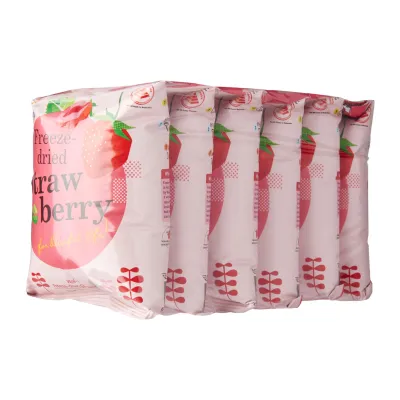
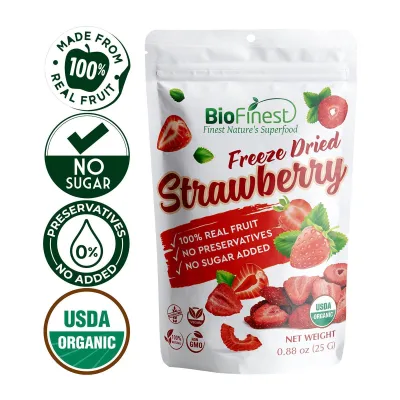

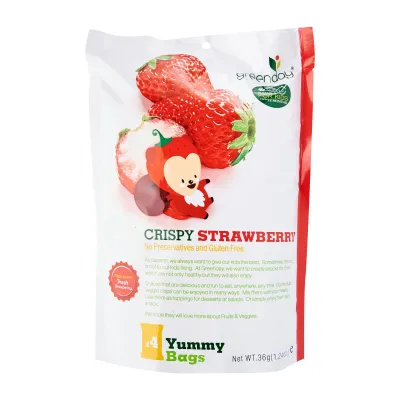


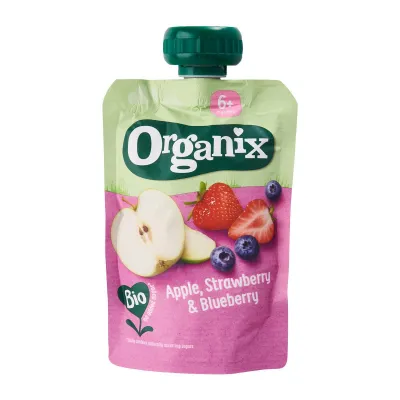
Prices are valid at publication and may change. Please refer to the product page for the latest price.
Young babies do not have the molars required to grind down tough, fibrous textures. Instead, they rely on their front teeth for biting and their gums for mashing. When a baby attempts to chew a dried strawberry, the sticky and chewy texture can easily cause the food to adhere to the roof of the mouth or the tongue, making it difficult for them to manipulate or swallow safely.
This difficulty in oral processing directly increases the risk of airway blockage. If a baby attempts to swallow a piece of dried strawberry before it is adequately broken down, the tough piece can easily lodge in their narrow airway. Additionally, because dried fruit is naturally sticky, multiple small pieces can clump together in the mouth, creating a larger and more dangerous obstruction that is difficult to clear.
In contrast, fresh strawberries have a high moisture content that allows them to break apart quickly when exposed to saliva and gentle chewing. Dried strawberries do not dissolve or soften rapidly in the mouth, meaning they require advanced chewing skills that infants have not yet developed. For this reason, the physical properties of dehydrated fruit make it a high-risk food for young children.
Age Guidelines for Introducing Dried Strawberries
For infants under 12 months, you should strictly avoid offering traditional dried strawberry snacks. At this stage of development, babies are still mastering basic oral motor skills, such as moving food from side to side with their tongue and swallowing solid pieces. Introducing a highly chewy, sticky food during this vulnerable period poses an unnecessary and severe choking risk. Instead, offer fresh, ripe strawberries that have been thoroughly mashed, pureed, or cut into thin, easily manageable slices.

Between 12 and 24 months, toddlers are developing better chewing capabilities, but they still lack the full set of molars needed to grind down tough foods. If you choose to introduce dried strawberries during this stage, you must modify the texture completely. Never offer whole or unmodified dried fruit to a toddler. Instead, rehydrate the dried strawberries to soften them, and then chop them into very fine, bite-sized pieces while maintaining constant, active supervision.
Once your child is over 2 years old, they may begin to develop the oral coordination and chewing skills necessary to handle softer dried fruits. However, readiness varies greatly from child to child, and you must assess your toddler’s individual chewing habits. When introducing dried strawberries to an older toddler, start with very small, bite-sized pieces of a soft variety, and ensure they are seated upright at a table. Establish a strict rule of no running, playing, or talking with food in their mouth, as sudden movements significantly increase the risk of choking.
Reading Ingredient Labels for Hidden Additives
When shopping for commercial dried strawberry snacks, it is essential to read the ingredient labels carefully. Many packaged dried fruits contain additives that are unnecessary or potentially harmful to a young child’s developing system. By understanding what to look for on the label, you can select the safest and most nutritious options for your family.
One of the most common additives in commercial dried fruit is added sugar, which may appear as cane sugar, corn syrup, or concentrated fruit juice. Manufacturers often add these sweeteners to balance the natural tartness of strawberries. However, these extra sugars contribute to an unnecessarily high sugar intake and can increase the risk of early childhood tooth decay. Young children do not need added sugars, so it is best to avoid these products entirely.
Another common additive is sulphites, such as sulfur dioxide, which are used as preservatives to maintain the bright red color of the strawberries and extend their shelf life. While sulphites are generally considered safe for the general population, some children can be highly sensitive to them, experiencing respiratory issues or skin reactions. Choosing unsulfured dried strawberries, which naturally look darker and less vibrant, is a safer approach for young children.
To ensure you are offering the healthiest option, prioritize products that list only one ingredient: 100% dried strawberries. Alternatively, you can prepare dried strawberry snacks at home using a food dehydrator or a low-temperature oven. Making them yourself gives you complete control over the ingredients, ensuring your child’s snacks are free from added sugars, preservatives, and artificial colors.
Safe Preparation and Serving Methods
If you decide to serve dried strawberries to an eligible toddler, taking the time to prepare them correctly is vital for reducing choking hazards. Simple modifications can transform a tough, chewy snack into a much safer option for your child’s developing chewing skills.
The most effective way to soften dried strawberries is through rehydration. Before serving, soak the dried fruit pieces in warm water, breast milk, formula, or a safe fruit puree for 10 to 15 minutes. This process restores moisture to the fruit, making it plump, soft, and significantly easier for your toddler’s gums and teeth to break down.
Once the strawberries are thoroughly softened, use a sharp knife to chop them into very small, fine pieces. Avoid leaving any large, stringy, or chewy sections that could easily block a small airway. The pieces should be small enough that they do not pose a hazard even if your child swallows them without chewing completely.
In addition to modifying the food, you must also establish a safe eating environment. Always serve snacks while your child is seated completely upright in a secured highchair or booster seat. Avoid offering snacks while your child is in a stroller, car seat, or crawling around, as movement increases the risk of accidental inhalation. Active, face-to-face adult supervision is mandatory during every snack and mealtime.
Recognizing Allergic Reactions and Intolerances
Strawberries are a common food that can trigger both allergic reactions and non-allergic sensitivities in young children. When introducing strawberries in any form, it is important to monitor your child closely for any signs of an adverse reaction, especially during the first few exposures.
It is common for babies to experience a mild contact rash around their mouth or diaper area after eating strawberries. This is often a localized skin irritation caused by the natural acids and histamines present in the fruit, rather than a true food allergy. This type of reaction is typically harmless and resolves on its own once the skin is gently cleaned and dried.
In contrast, a true IgE-mediated allergic reaction involves the immune system and can present with more widespread and serious symptoms. Signs of a true allergic reaction usually appear quickly after ingestion and can include hives, swelling of the face, lips, or tongue, vomiting, diarrhea, or difficulty breathing. If you observe any of these symptoms, you must stop serving the food immediately.
For mild localized reactions, consult your pediatrician for guidance on how to proceed. However, if your child shows any signs of a severe allergic reaction, such as swelling, wheezing, or difficulty breathing, seek emergency medical care immediately. Always introduce new foods one at a time, in small amounts, and during the daytime so you can easily monitor your child for several hours afterward.
Frequently Asked Questions (FAQ)
Are freeze-dried strawberries safer than chewy dried strawberries?
Freeze-dried strawberries have a very different physical structure compared to traditional dehydrated strawberries. Because the freeze-drying process removes moisture while preserving the fruit’s cellular structure, these snacks are light, airy, and tend to dissolve quickly when mixed with saliva. This makes them generally safer than tough, chewy dried fruits, which require significant mechanical chewing. However, freeze-dried strawberries are not entirely risk-free. Large pieces can still pose a choking hazard if a child attempts to swallow them whole before they have dissolved, and the dry, powdery texture can sometimes cause a child to cough or inhale the powder. To serve them safely, break freeze-dried strawberries into small, bite-sized pieces and always supervise your child closely.
Can I make my own dried strawberry snacks at home?
Yes, making your own dried strawberry snacks at home is an excellent way to control the ingredients and avoid added sugars or preservatives. To do this safely, wash and hull fresh strawberries, then slice them very thinly to ensure a manageable final texture. You can use a food dehydrator or a low-temperature oven to slowly dry the slices. It is important to maintain proper temperature control according to your appliance’s instructions to ensure food safety and prevent bacterial growth. Keep in mind that even homemade dried strawberries can turn out quite chewy, so you must still rehydrate and finely chop them before serving them to toddlers.
What should I do if my baby chokes on a piece of dried fruit?
If your child is choking, immediate and correct action is critical. First, quickly assess the situation: if your baby is coughing strongly, crying, or making sounds, their airway is not fully blocked. Encourage them to continue coughing to clear the object naturally, and avoid sticking your finger into their mouth, as this can accidentally push the object deeper. If your baby cannot cough, cry, make sound, or breathe, or if their face begins to turn blue, their airway is fully obstructed. You must immediately perform infant choking rescue maneuvers, such as back blows and chest thrusts, and have someone call emergency services. To ensure you are prepared for emergencies, caregivers are strongly encouraged to take a certified infant first aid and CPR course to learn these life-saving techniques from a qualified professional.

Community discussion
Share your experience or ask a question. Comments are reviewed before publication.