
Evaluating what ingredients are in Bzu Bzu detergent and whether they are safe for your baby’s clothes requires a systematic approach to reading product labels and understanding formulation safety. Because infant skin is significantly thinner and more permeable than adult skin, residues left behind by laundry detergents can easily cause irritation, dryness, or contact dermatitis. While many baby-specific detergents are formulated to minimize these risks, formulations can change, and individual sensitivities vary. To ensure the safety of your child’s garments, you must know how to verify the active ingredients on your specific bottle, identify potential irritants, and implement laundry practices that minimize chemical buildup on fabrics.
How to Verify the Current Bzu Bzu Detergent Ingredients
To make an informed decision, you must first locate the most accurate and up-to-date ingredient list for the specific Bzu Bzu detergent bottle or refill pack you plan to purchase. Manufacturers frequently update their formulations to improve performance, comply with changing regional regulations, or source alternative raw materials. Relying on outdated blog reviews or third-party summaries can lead to incorrect assumptions about what is actually touching your baby’s skin.
The primary and most reliable source of ingredient information is the physical product packaging. Look closely at the back or side panel of the detergent container for a section labeled “Ingredients,” “Active Ingredients,” or “Formulation.” This label should list all chemical and plant-derived components in descending order of concentration. Additionally, take note of the batch number and manufacturing date printed on the bottle, as this information is crucial if you ever need to contact the manufacturer regarding a specific formulation query or potential skin reaction.
Products mentioned in this guide
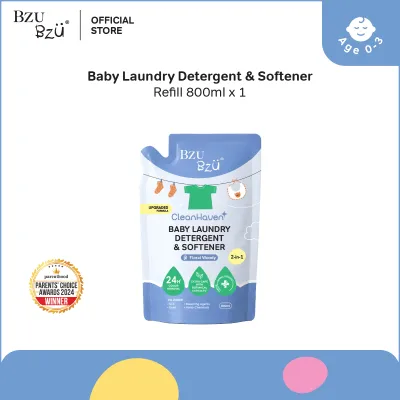
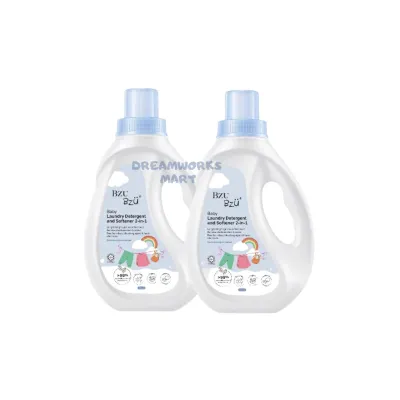
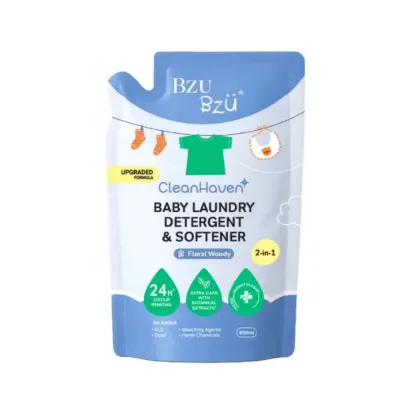
![BZU BZU Baby Laundry Detergent & Softener 2-in-1 / 1Litre Bottle / Refill pack 800ml [MIX & MATCH]](https://img.lazcdn.com/g/p/782ceeb23a89f5a52e3c83e350986ed3.png_400x400q80.png_.webp)
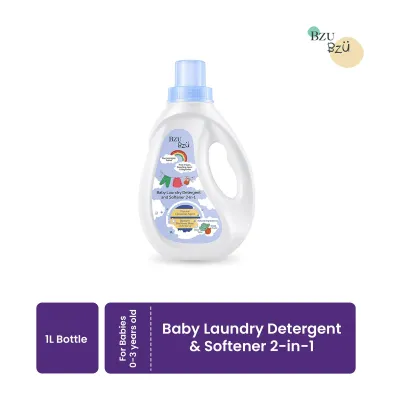
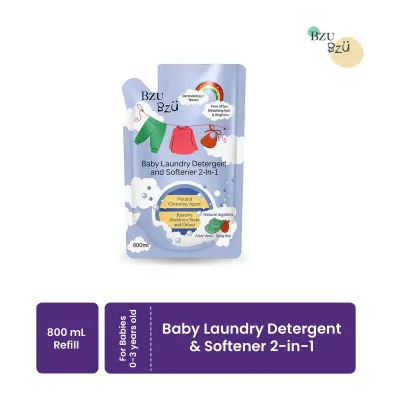
Prices are valid at publication and may change. Please refer to the product page for the latest price.
If you are shopping online or prefer to research before buying, navigate to the official brand website or authorized online storefronts. Reputable brands often provide detailed product pages listing full ingredients, along with downloadable Safety Data Sheets (SDS). These sheets offer a comprehensive breakdown of the chemical properties, hazard classifications, and handling instructions for the product. If the full ingredient list is not readily visible on an ecommerce platform, contact the seller or the brand’s customer service directly to request the complete formulation details before finalizing your purchase.
When reading the ingredient list, you will likely encounter International Nomenclature of Cosmetic Ingredients (INCI) names. These are standardized, systematic names used internationally to identify cosmetic and detergent ingredients. For example, instead of listing a simple term like “coconut-derived cleanser,” a compliant label might list “Sodium Coco-Sulfate” or “Coco-Glucoside.” Familiarizing yourself with these standard terms allows you to cross-reference the ingredients with dermatological databases and make precise comparisons with other baby care products.
Evaluating Ingredient Safety for Baby Skin
Once you have the ingredient list in hand, you can evaluate whether the formulation is appropriate for your baby’s garments. The primary active components in any detergent are surfactants, which lower the surface tension of water to help lift dirt and oils from fabric fibers. Standard adult detergents often rely on strong synthetic surfactants that can be highly stripping. In contrast, gentle baby detergents typically utilize mild, plant-based surfactants derived from coconut, corn, or palm, such as alkyl polyglucosides (including decyl glucoside and coco-glucoside). These ingredients effectively clean fabrics while being much less likely to leave harsh, irritating residues.

Another common category of ingredients in modern baby detergents is enzymes. Enzymes like protease, amylase, and lipase are highly effective at breaking down organic stains, such as spilled breastmilk, infant formula, spit-up, and baby food. While enzymes are excellent for targeted stain removal, they are proteins that can occasionally trigger sensitivities if they are not thoroughly rinsed out of the clothing. If your baby has healthy, normal skin, an enzyme-containing detergent is generally highly beneficial for stain management. However, if your infant has compromised skin barriers or severe eczema, you may want to verify whether the formulation is enzyme-free or ensure you use an extra rinse cycle to remove all traces of these active proteins.
To assist parents in assessing safety, manufacturers often seek external validation for their formulations. When reviewing Bzu Bzu detergent packaging, look for verifiable claims such as “dermatologically tested,” “hypoallergenic,” or “pediatrician recommended.” It is important to treat these claims as indicators that require verification rather than absolute guarantees of safety. “Hypoallergenic” simply means the product is formulated with ingredients that are less likely to cause allergic reactions, but it does not mean a reaction is impossible. Check the manufacturer’s documentation or official website to see if they provide details on the specific testing protocols used to back up these claims.
Common Irritants to Check on the Label
When scanning the ingredient list of any baby detergent, your primary goal should be to identify and avoid specific additives that are known to cause skin irritation or allergic contact dermatitis. One of the most common culprits is synthetic fragrance. While a pleasant scent on baby clothes is appealing to many parents, fragrance mixtures often contain dozens of undisclosed chemical compounds that can linger in fabric fibers and irritate a baby’s sensitive respiratory system and skin. Be cautious of terms like “unscented,” which may simply mean the product contains masking fragrances to neutralize chemical odors; instead, look for “fragrance-free” and verify that no “parfum,” “fragrance,” or specific aromatic compounds are listed.
Optical brighteners are another class of chemicals to watch out for on the label. These synthetic compounds absorb ultraviolet light and emit blue light, making fabrics appear whiter and brighter than they actually are. Optical brighteners do not contribute to the actual cleanliness of the clothes; instead, they are designed to remain bound to the fabric fibers even after rinsing. Because these chemicals stay on the clothing and come into direct, prolonged contact with your baby’s skin, they can easily trigger irritation, especially in warm, humid climates where sweat can facilitate chemical transfer to the skin.
Finally, pay close attention to the preservatives and surfactants used in the formulation. Harsh preservatives such as methylisothiazolinone (MIT) and methylchloroisothiazolinone (CMIT) are highly effective at preventing bacterial growth in liquid detergents, but they are also well-documented skin sensitizers. Similarly, strong sulfates like Sodium Lauryl Sulfate (SLS) can strip the skin’s natural oils if residual amounts remain on the fabric. Opt for formulations that utilize gentler, food-grade preservatives (such as sodium benzoate or potassium sorbate) and sulfate-free or mild sulfate alternatives to protect your baby’s delicate skin barrier.
Practical Steps for Washing and Monitoring Skin Reactions
Even the gentlest detergent can cause skin issues if it is not used correctly. To minimize the risk of detergent buildup on your baby’s clothes, you must optimize your laundry routine. Avoid overloading your washing machine, as tightly packed clothes cannot move freely enough for the water to flush away dissolved dirt and detergent. Always measure the detergent carefully using the manufacturer’s dosing cap; using more than the recommended amount does not make the clothes cleaner and significantly increases the likelihood of soapy residue remaining in the fabric fibers.
Before washing your baby’s entire wardrobe with a new detergent, it is highly recommended to perform a practical patch test. Select a single, low-risk item that comes into direct contact with your baby’s skin, such as a muslin swaddle, a washcloth, or a single onesie. Wash this item according to the detergent’s instructions, ensuring it goes through a complete wash and rinse cycle. Once dry, have your baby wear or use this item for a full day while keeping a close eye on their skin.
Monitor your baby’s skin carefully during and after the patch test, paying special attention to areas where the fabric fits snugly, such as the thighs, waist, and underarms. Look for signs of irritation, which may include localized redness, dry or rough patches, small raised bumps, or signs of itching and discomfort. If you observe any of these symptoms, stop using the detergent immediately. Re-wash all affected garments in plain, warm water to strip away any residual detergent, and consult a qualified pediatrician or dermatologist if the skin irritation does not resolve within a few days.
Frequently Asked Questions (FAQ)
Can I use Bzu Bzu detergent for the whole family's laundry?
You can certainly use a gentle baby detergent like Bzu Bzu for the entire family’s laundry, but you should consider the practical trade-offs. Because baby detergents are formulated with mild surfactants and often omit harsh stain-removing chemicals, they may struggle to clean heavily soiled adult clothing, such as garments stained with grease, heavy sweat, or outdoor mud. Additionally, baby detergents are typically packaged in smaller volumes and carry a higher price per milliliter than standard family detergents. Scaling up their use to cover all household laundry can significantly increase your monthly grocery expenses, so many families choose to wash baby clothes separately to manage costs.
Do I need an extra rinse cycle for baby clothes?
Adding an extra rinse cycle to your baby’s laundry routine is highly beneficial, particularly if your baby has sensitive skin, eczema, or if you live in an area with hard water. Hard water contains high levels of minerals like calcium and magnesium, which can bind to detergent molecules and make them more difficult to rinse out of fabric fibers. An extra rinse cycle helps ensure that all traces of surfactants, enzymes, and soil are completely flushed away, leaving the garments as neutral and non-irritating as possible. While this does increase water consumption slightly, the peace of mind and protection it offers to your baby’s skin barrier make it a worthwhile adjustment.

Community discussion
Share your experience or ask a question. Comments are reviewed before publication.