
Babies can typically begin exploring solid foods around six months of age, but introducing crunchy snacks like broccoli chips depends heavily on individual developmental milestones and the specific formulation of the snack. Rather than relying on a single universal age, parents must evaluate whether their baby exhibits the physical readiness required to handle complex textures. Many commercial broccoli chips are designed for older infants or toddlers who have developed advanced chewing skills, meaning standard adult varieties are highly unsuitable. Before offering any crunchy snack, caregivers must assess the product’s texture, verify the ingredients, and ensure the baby can safely manage the food under active supervision.
Recognizing Developmental Readiness for Crunchy Snacks
Before introducing any snack with a crunchy or firm texture, caregivers must look for specific physical and motor milestones that indicate a baby is developmentally ready. Age in months is only a rough guide; physical capability is the true measure of safety. A primary indicator is the baby’s ability to sit upright independently in a high chair with excellent head and neck control. If a baby slouches or cannot hold their head steady, their airway is not properly aligned, which significantly increases the risk of choking on solid particles.
Another critical milestone is the disappearance of the tongue-thrust reflex. This natural reflex causes young infants to push solid objects out of their mouth with their tongue. Once this reflex fades, typically around six months of age, the baby can actively move food from the front of the mouth to the back to swallow. Caregivers should also observe whether the baby has developed the coordination to grasp small items between their thumb and forefinger, known as the pincer grasp, and bring them accurately to their mouth.
Products mentioned in this guide
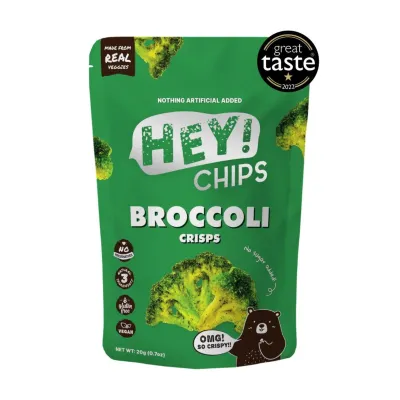
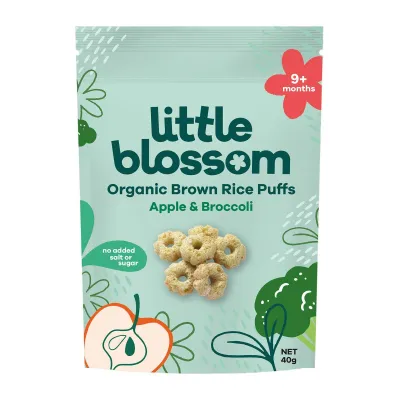

Prices are valid at publication and may change. Please refer to the product page for the latest price.
Even if a baby displays these signs, introducing crunchy textures requires careful progression. The baby must be able to perform basic chewing motions, using their gums to mash food, even before their primary teeth have fully erupted. Because every child develops at a unique pace, it is highly recommended to consult a pediatrician or a qualified family doctor to confirm readiness. A professional evaluation of the baby’s growth curve and oral motor skills provides personalized guidance, ensuring that the introduction of textured snacks aligns perfectly with their physical capabilities.
Evaluating Commercial Broccoli Chips for Infant Safety
When browsing the aisles of a grocery store or searching an online marketplace, parents will find a wide variety of vegetable-based snacks. However, standard commercial broccoli chips formulated for adults are rarely safe for infants. These products are often deep-fried, heavily salted, and processed to achieve a hard, brittle crunch that requires mature molars to break down safely. Caregivers must carefully evaluate the packaging of any commercial snack before purchasing.

The first step is to locate the manufacturer’s stated age recommendation and intended audience on the product packaging. Reputable baby food brands clearly label their products with developmental stages, such as “crawler” or “toddler,” or specify a minimum age in months. These recommendations are based on testing of how the snack behaves in an infant’s mouth. If a package does not explicitly state that it is formulated for infants or toddlers, caregivers should assume the product is intended for older children and adults, making it unsuitable for a baby.
Assessing Texture and Choking Hazards
To ensure a commercial broccoli chip is safe, caregivers can perform a simple manual dissolve test before offering it to their baby. Take a single chip and place it in a small cup of water, or place it in your own mouth without chewing, to observe how quickly it breaks down. A safe infant snack should dissolve rapidly when exposed to moisture, turning into a soft, mushy puree within seconds. If the chip remains hard, sharp, or sticky after several seconds of moisture exposure, it poses a severe choking hazard.
Babies lack the mature molars required to grind down hard, sharp, or fibrous materials. Snacks that break into sharp, jagged shards can scratch the delicate lining of the baby’s throat or block the airway if swallowed whole. Similarly, sticky or overly chewy textures can become lodged in the roof of the mouth or throat, making them difficult for an infant to clear. Any product that requires active, forceful chewing or does not melt easily under the influence of saliva must be discarded from the baby’s menu.
Decoding Nutrition and Ingredient Labels
Reading the nutrition facts panel and ingredient list is a vital step in protecting an infant’s developing digestive system and kidneys. Caregivers must prioritize products with low sodium levels and zero added sugars. An infant’s kidneys are highly sensitive and cannot efficiently process large amounts of sodium, which is frequently found in high concentrations in adult vegetable chips. Comparing the sodium content of a snack against standard infant dietary guidelines helps ensure the product is safe for daily consumption.
The ingredient list should be short, transparent, and easy to understand. Scan the label carefully for common allergens, artificial preservatives, synthetic colors, and unnecessary flavor enhancers. The primary ingredients listed should align directly with the product name, meaning broccoli or a safe starch base should be at the top of the list. Caregivers must also verify that the snack does not contain hidden choking hazards, such as whole seeds, large grain fragments, or tough vegetable fibers, which are sometimes added to adult health snacks for texture.
Safe Feeding Practices and Active Supervision
Establishing a safe environment is just as important as choosing the right snack. Whenever a baby is eating crunchy snacks, they must be seated in a fully upright position in a properly secured high chair. Feeding a baby while they are crawling, walking, playing, or reclining in a stroller or car seat is extremely dangerous. Movement increases the likelihood of a snack slipping down the throat before it is properly mashed, while the motion of a moving vehicle makes it impossible to respond effectively to an emergency.
Active, undistracted adult supervision is mandatory during every single feeding session. A caregiver must remain within arm’s reach and keep their eyes on the baby at all times. Choking is often completely silent; a baby who is choking cannot cry out, cough effectively, or make noise to attract attention. Avoid distractions such as mobile phones, television, or household chores while the baby is eating, ensuring that any sign of distress is noticed and addressed immediately.
Proper portion control and pacing are also essential to prevent feeding accidents. Offer only one small piece of the broccoli snack at a time, allowing the baby to fully dissolve and swallow it before offering another. Piling snacks on the high chair tray can tempt the baby to overstuff their mouth, creating a large, dry mass of food that is difficult to manage. Caregivers should encourage a calm, unhurried eating pace, helping the baby learn healthy eating habits while minimizing physical risks.
Monitoring for Allergies and Digestive Tolerance
When introducing broccoli chips, caregivers must monitor the baby closely for potential allergic reactions and digestive tolerance. If the snack contains multiple ingredients, such as vegetable powders, starches, or oils, it is best to follow the single-ingredient introduction rule. This involves introducing only one new food component at a time over a period of several days. This systematic approach makes it much easier to identify the exact source of any adverse reaction that may occur.
Caregivers must be vigilant for signs of an allergic reaction during and after the feeding session. Immediate symptoms can include hives, redness around the mouth, swelling of the lips or tongue, vomiting, or respiratory changes such as wheezing or coughing. If any of these signs appear, stop feeding the snack immediately and seek medical attention. For severe symptoms, such as difficulty breathing or widespread swelling, contact emergency services without delay.
In addition to allergies, monitor the baby’s digestive system for signs of intolerance. Broccoli is a cruciferous vegetable known for producing gas, which can sometimes cause mild abdominal discomfort or changes in stool consistency in developing digestive tracts. If the baby experiences excessive gas, bloating, or fussiness after consuming the snack, it may be necessary to reduce the portion size or temporarily pause introduction. Always consult a healthcare professional if digestive symptoms persist or cause significant distress.
Frequently Asked Questions (FAQ)
Are homemade baked broccoli chips safer for babies?
Homemade baked broccoli chips are often perceived as a healthier alternative, but they present significant safety challenges for young infants. Achieving a consistent, melt-in-the-mouth texture at home is extremely difficult without the specialized extrusion and dehydration equipment used by commercial baby food manufacturers. Home ovens often bake unevenly, leaving some parts of the broccoli floret tough and fibrous while other edges become burnt, hard, and sharp. These uneven textures can easily become choking hazards for a baby who lacks molars. Unless you can guarantee a completely uniform, soft, and easily dissolvable texture, it is safer to rely on commercially tested infant puffs or crisps that are specifically formulated to melt quickly in an infant’s mouth.
How do I differentiate between normal gagging and choking?
Differentiating between gagging and choking is crucial for every parent introducing solid foods. Gagging is a normal, healthy defense reflex that helps babies learn how to manage food in their mouths. When a baby gags, they will typically cough, sputter, make retching sounds, and their face may turn red. This indicates that their airway is open and they are actively working to push the food forward. In contrast, choking is a life-threatening emergency where the airway is partially or completely blocked. A choking baby will be silent or make high-pitched squeaking noises, unable to cry, cough effectively, or breathe. Their skin, lips, or nails may begin to turn blue, and they will exhibit a look of panic or distress. Caregivers should undergo formal infant CPR and first aid training to ensure they can respond correctly and confidently in a choking emergency.

Community discussion
Share your experience or ask a question. Comments are reviewed before publication.