
Choosing the right bottle cleaning liquid depends heavily on whether your nursery relies on glass or plastic baby bottles. While both materials serve the same primary purpose, their physical and chemical properties require distinct cleaning approaches. Glass is highly transparent and non-porous but prone to mineral scaling and water spots. Plastic is lightweight and durable but highly susceptible to microscopic scratches that trap stubborn milk fats and sour odors. Using a formula that is not optimized for your bottle material can lead to cloudy residues, lingering smells, or premature wear of your feeding gear.
To maintain a hygienic feeding environment, caregivers must understand how different surfactants, enzymes, and rinsing agents interact with these materials. This guide breaks down the science of bottle cleaning liquids, compares the unique maintenance challenges of glass and plastic, and provides a practical, condition-based framework to help you select the most effective cleaning solution for your home.
Understanding Material Differences: Glass vs. Plastic
To select the most effective bottle cleaning liquid, it is essential to understand how glass and plastic behave under daily washing and sterilization. Glass is a silica-based, completely non-porous material. Because it does not absorb liquids, oils, or gases, it is naturally resistant to odor retention and chemical staining. However, its smooth, transparent surface makes any residue highly visible. When milk proteins or minerals from tap water dry on glass, they form a stubborn, cloudy film known as milk scale or hard water spots. This film can harbor microscopic bacteria if not thoroughly dissolved and rinsed away.
Products mentioned in this guide
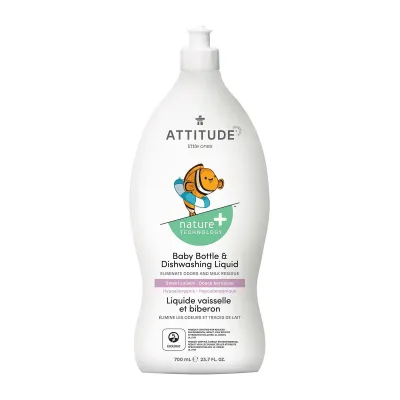
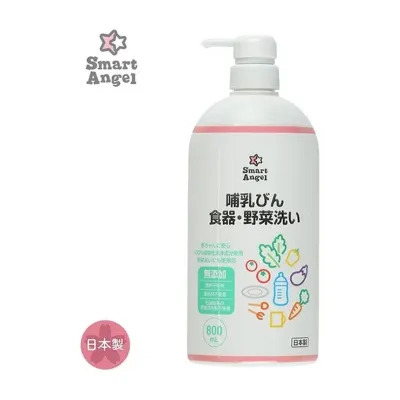
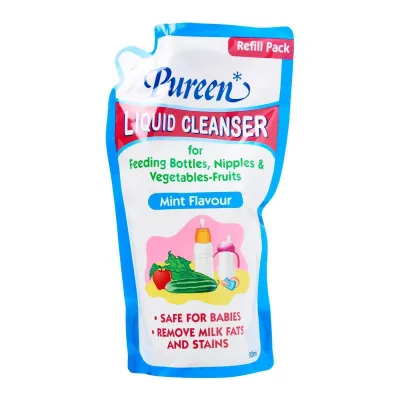
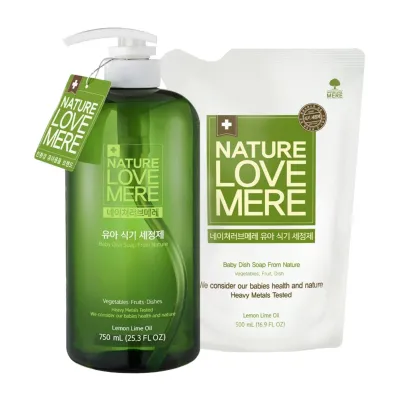
Prices are valid at publication and may change. Please refer to the product page for the latest price.
In contrast, plastic baby bottles—typically made of polypropylene (PP), polyphenylsulfone (PPSU), or polyethersulfone (PESU)—are made of organic polymers. Plastic is softer than glass and is lipophilic, meaning it naturally attracts and binds to fats and oils. Over weeks of daily use, friction from bottle brushes, structural stress from heat sterilization, and general handling create microscopic scratches on the inner walls. These micro-scratches trap milk lipids and proteins, shielding them from basic rinsing and leading to a greasy feel and a persistent sour milk odor.
A one-size-fits-all cleaning approach often fails because the chemical action required to clean these two materials is fundamentally different. A liquid designed solely to rinse cleanly off smooth glass may lack the powerful emulsifying agents needed to pull trapped fats out of plastic micro-scratches. Conversely, a heavy-duty degreasing formula designed for plastic might contain synthetic thickeners or conditioning agents that leave a dull, streaky residue on glass surfaces.
Key Ingredients to Look for in a Bottle Cleaning Liquid
When evaluating a bottle cleaning liquid, reading the ingredient label is crucial for ensuring both safety and efficacy. The primary active ingredients are surfactants, which lower the surface tension of water so it can wet surfaces, penetrate soils, and wash them away. For baby bottles, plant-based surfactants are highly recommended. Look for alkyl polyglucosides (such as coco-glucoside, decyl glucoside, or lauryl glucoside) derived from renewable resources like coconut or corn. These surfactants cut through milk fats while being gentle on the skin and rinsing away much more easily than petroleum-based alternatives.

In addition to plant-based surfactants, enzyme-based formulas offer a significant advantage. Enzymes act as biological catalysts, breaking down complex organic soils into smaller, water-soluble molecules. Protease enzymes target and break down milk proteins (casein and whey), which tend to form a sticky, invisible film on bottle walls. Amylase enzymes break down carbohydrate residues, while lipase enzymes target fats. An enzyme-rich bottle cleaning liquid is particularly beneficial for plastic bottles, as the enzymes can penetrate deep into micro-scratches to dissolve trapped organic matter that physical brush bristles cannot reach.
Finally, the presence of synthetic fragrances and dyes should be carefully evaluated. While a fresh scent might seem appealing, plastic polymers readily absorb volatile organic compounds from synthetic perfumes. This can result in a strong soapy or floral smell that taints subsequent milk feeds, potentially causing baby to reject the bottle. Synthetic dyes serve no functional cleaning purpose and simply add unnecessary chemical exposure. Choosing a completely fragrance-free and dye-free formulation reduces the rinsing burden on the caregiver and ensures that no artificial scents are transferred to your baby’s milk.
Cleaning Challenges and Solutions by Bottle Material
Maintaining the hygiene and longevity of your baby bottles requires pairing the right cleaning liquid with appropriate physical tools and washing techniques. Because glass and plastic react differently to mechanical friction and chemical exposure, your daily washing routine must be tailored to the specific material of your bottles to prevent damage and ensure a complete clean.
Tackling Glass Bottle Stains and Hard Water Spots
The primary challenge with glass bottles is maintaining their crystal-clear transparency. Over time, repeated washing and steam sterilization can cause minerals like calcium and magnesium from tap water to precipitate onto the glass, creating a cloudy, white residue. To combat this, look for bottle cleaning liquids that contain mild, plant-derived chelating agents or natural acid derivatives, such as citric acid or sodium gluconate. These ingredients bind to mineral ions in the water, preventing them from depositing onto the glass and allowing them to be flushed away during the rinse cycle.
High rinsability is another critical factor for glass. The cleaning liquid must be formulated to leave zero residue behind. If a soap leaves a microscopic film, it will not only cause unsightly streaks but will also create a slightly tacky surface that attracts dust and airborne particles. When washing glass, always use a soft sponge or a flexible silicone brush. Avoid stiff wire-bound brushes that could scratch or chip the glass rim, as structural damage can compromise the bottle’s safety under pressure.
Caregivers must also be mindful of thermal shock when washing glass bottles. Glass expands and contracts in response to rapid temperature changes. Combining very cold rinse water with boiling hot sterilization water, or pouring hot liquid into a cold glass bottle, can cause the material to crack or shatter. Always allow glass bottles to cool down gradually after sterilization before washing them, and check the bottle manufacturer’s guidelines regarding maximum temperature differentials to ensure safe handling.
Removing Odors and Grease from Plastic Bottles
The main hurdle with plastic bottles is eliminating the greasy film and sour odor that accumulate over time. Because plastic is lipophilic, milk fats cling tightly to the bottle walls. To break these strong hydrophobic bonds, your bottle cleaning liquid must possess superior emulsifying properties. Emulsification is the process of breaking down fat globules into tiny droplets and suspending them in water. A high-quality plant-based liquid with strong emulsifying surfactants will surround the fat molecules, lifting them out of the plastic’s micro-scratches and keeping them suspended so they do not re-deposit during rinsing.
To neutralize sour milk odors without resorting to harsh bleaching agents, rely on enzyme-driven formulas. Chlorine bleach and other strong oxidizing agents can degrade plastic polymers over time, making them brittle and potentially releasing unwanted chemical compounds. Enzymes, on the other hand, break down the odor-causing protein and fat residues at a molecular level without affecting the plastic structure. If a plastic bottle retains a persistent sour smell even after a thorough wash, it is a sign that organic residue is still trapped in the micro-scratches.
Rinsing plastic bottles requires extra diligence and warm water. Warm water helps keep the emulsified fats and surfactants in a fluid state, making it easier to flush them out of the microscopic crevices. If you rinse plastic bottles with cold water, the fats can solidify and remain trapped in the scratches, leading to a rapid return of sour odors. Always perform a final rinse under running warm water, and inspect the inner walls to ensure they feel squeaky clean rather than slippery.
Safety and Verification Checklist Before You Buy
Before purchasing a bottle cleaning liquid, caregivers should perform a quick verification check to ensure the product is safe for infant feeding gear and compatible with their specific bottles. Do not rely solely on front-of-bottle marketing claims like “natural” or “organic,” as these terms are not strictly regulated for cleaning products. Instead, use this checklist to verify the formulation:
- Verify Food-Contact Safety: Check the label or the manufacturer's website for indications that the product is formulated with food-grade ingredients or has undergone independent safety testing for food-contact surfaces.
- Check Bottle Manufacturer Care Instructions: Review the user manual for your specific baby bottles. Some manufacturers of high-performance plastics (like PPSU) or specialized glass bottles outline specific chemical restrictions or recommend avoiding certain types of surfactants to prevent premature wear or voiding the warranty.
- Audit the Preservative System: Look at the ingredient list for harsh synthetic preservatives. Avoid products containing methylisothiazolinone (MI), benzisothiazolinone (BIT), parabens, or formaldehyde-releasers, which can be skin sensitizers and are difficult to rinse away completely.
- Confirm the Absence of Phosphates and Sulfates: Ensure the liquid is free from sodium lauryl sulfate (SLS), sodium laureth sulfate (SLES), and phosphates. These strong foaming agents can be overly harsh, leave residues, and contribute to environmental water pollution.
- Assess Nipple and Accessory Compatibility: Ensure the liquid is gentle enough for silicone nipples and valve parts. Harsh chemicals can cause silicone to become sticky, cloudy, or inelastic, which can alter the milk flow rate and affect your baby's feeding development.
Decision Framework: Which Liquid Should You Choose?
To simplify your choice, use this condition-based decision framework to select the ideal bottle cleaning liquid based on your nursery’s specific setup:
- If you primarily use glass bottles: Choose an enzyme-rich, high-rinsability formula that features natural chelating agents like citric acid. This combination will actively dissolve mineral scale, prevent cloudy water spots, and ensure a crystal-clear, streak-free finish without leaving any chemical film.
- If you primarily use plastic bottles (PP, PPSU, or PESU): Choose a plant-based, heavy-duty degreasing formula rich in lipases and proteases. This formulation is essential for penetrating microscopic scratches, emulsifying stubborn milk fats, and neutralizing sour odors at the molecular level without degrading the plastic polymer.
- If you use a hybrid setup (both glass and plastic): Start by testing a mild, dual-action, fragrance-free plant-based liquid. Wash one glass bottle and one plastic bottle as a test. After drying, inspect the glass bottle under direct light for cloudy streaks, and sniff the plastic bottle to ensure no sour milk or soapy scent remains. If the universal liquid leaves the glass streaky or the plastic greasy, transition to using two specialized formulas tailored to each material.
Regardless of the liquid you choose, always monitor the physical condition of your bottles. If a plastic bottle becomes heavily cloudy, deeply scratched, or retains a persistent odor despite using a high-quality cleaning liquid, stop using it and replace the bottle to prevent bacterial colonization. Always consult a pediatrician or a qualified healthcare professional if your infant shows persistent signs of feeding discomfort, colic, or digestive issues.
Frequently Asked Questions (FAQ)
Can I use regular dish soap for baby bottles?
Regular dish soaps are formulated to tackle heavy grease on adult cookware and often contain strong anionic surfactants, synthetic dyes, and intense fragrances. These ingredients can leave a persistent chemical residue on baby bottles that is difficult to rinse away completely, posing a risk of ingestion for your infant. Additionally, the strong fragrances in standard dish soaps are easily absorbed by plastic bottles, which can alter the taste of the milk. If you must use regular dish soap in an emergency, ensure it is a mild, completely fragrance-free, and dye-free formula, use a very small amount, and rinse the bottles thoroughly with copious amounts of warm water.
Do I need to buy two different cleaning liquids for glass and plastic?
You do not necessarily need two separate products if you can find a high-quality, universal baby bottle cleaning liquid that balances plant-based degreasers with clean-rinsing agents. However, if you live in an area with hard water and primarily use glass, or if your plastic bottles are older and heavily scratched, using specialized formulas can yield better results. A specialized chelating liquid will keep your glass bottles sparkling, while an enzyme-heavy formula will effectively deodorize your plastic bottles. Testing a single dual-action formula first is a practical way to determine if a universal option meets your standards before investing in multiple products.

Community discussion
Share your experience or ask a question. Comments are reviewed before publication.