
To ensure your child’s booster seat is legally compliant in Singapore, you must verify that the specific model carries an approved international safety certification label, such as the European Union’s ECE R44/04 or ECE R129 (i-Size) standards. Under Singapore’s Road Traffic Act, all passengers under 1.35 metres in height must be secured with an approved child restraint system appropriate for their height and weight when riding in a motor vehicle. Rather than relying solely on brand names—as compliance can vary between different models from the same manufacturer—parents must learn to locate and read the physical certification labels attached to the seat. This guide provides a comprehensive framework to help you navigate local traffic laws, decode safety certification labels, inspect products for authenticity, and select a compliant booster seat that fits both your child and your vehicle.
Understanding Singapore's Legal Requirements for Booster Seats
Singapore’s Land Transport Authority (LTA) enforces strict regulations regarding child passenger safety to minimize the risk of injury during transit. According to the Road Traffic Act, any individual under the height of 1.35 metres must be secured using an approved child restraint, a booster seat, or an adjustable seatbelt appropriate for their physical build. This law applies to all private motor vehicles operating on Singapore roads. While public buses and traditional street-hailed taxis are legally exempt from this requirement due to practical operational constraints, private hire vehicles and ride-hailing services are not exempt. Consequently, parents traveling in private hire cars must provide their own compliant booster seats or utilize those provided by the service operator to remain within the law.
The legal framework prioritizes height over age because vehicle seatbelts are engineered to protect adult bodies. A standard three-point seatbelt is designed to rest securely across the strong skeletal structures of an adult: the pelvis and the center of the shoulder. For a child under 1.35 metres, a standard seatbelt often rides up across the soft abdomen and the neck, which can cause severe internal injuries or asphyxiation in the event of a sudden stop or collision. Therefore, relying on age as the sole indicator for transitioning out of a booster seat is a common and dangerous mistake. Even if a child has reached primary school age, they must continue using a booster seat until their physical height surpasses the 1.35-metre threshold.
Products mentioned in this guide
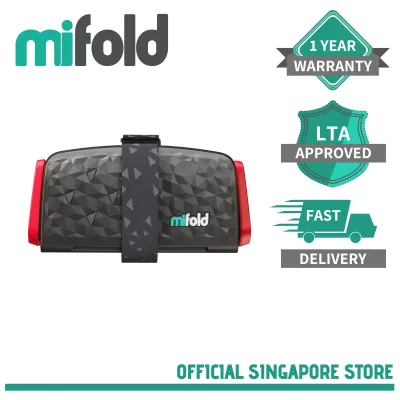
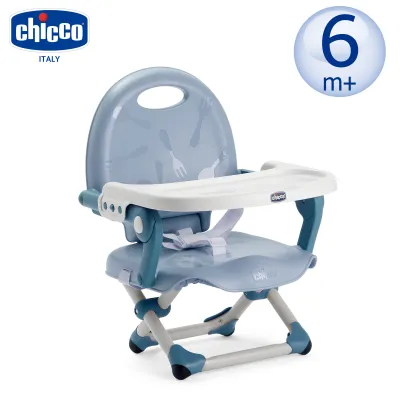
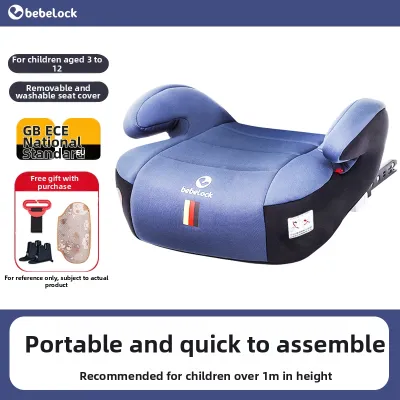
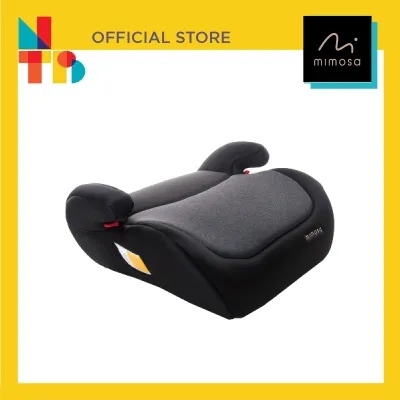
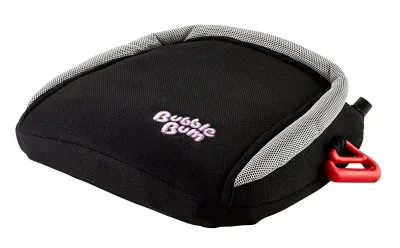
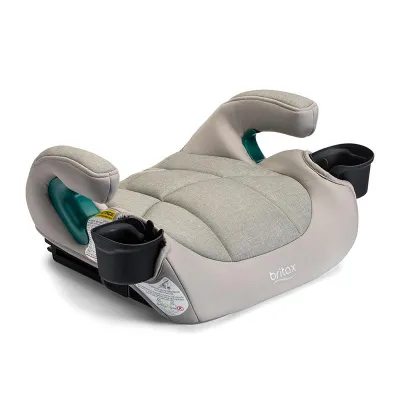
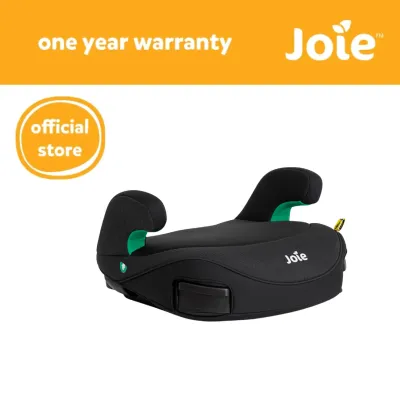
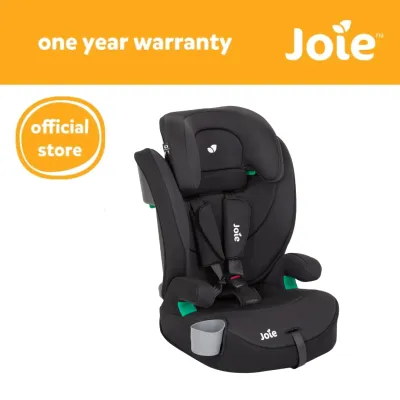
Prices are valid at publication and may change. Please refer to the product page for the latest price.
When selecting a compliant restraint, caregivers must understand the distinction between high-back boosters and backless boosters under local regulations. High-back booster seats feature a structured backrest with integrated side-impact wings and adjustable head support, which helps guide the vehicle’s shoulder belt across the child’s chest while offering lateral protection. Backless booster seats, on the other hand, consist solely of a raised cushion that lifts the child so the lap and shoulder belts sit correctly. While both styles can be legally compliant in Singapore if they carry recognized international certification labels, they serve different developmental stages. High-back models are generally recommended for younger or smaller children who still require torso support, whereas backless models offer a highly portable solution for older children who have outgrown the high-back shell but still fall below the legal height limit.
Recognized Safety Certifications: What the Labels Mean
Singapore does not establish its own independent testing standards for child car seats; instead, local legislation recognizes several rigorous international safety standards. The most prevalent standards you will encounter on compliant booster seats in Singapore are the European Union regulations, specifically ECE R44/04 and the newer ECE R129 (commonly referred to as i-Size). Understanding how to read these certification labels is the most reliable way to verify that a booster seat has undergone standardized crash testing and meets local legal requirements.

The ECE R44/04 standard is a weight-based classification system that has been a benchmark for child safety for decades. Booster seats certified under this standard are typically categorized into Group 2 (designed for children weighing 15 to 25 kg) and Group 3 (designed for children weighing 22 to 36 kg). When inspecting an ECE R44/04 label, which is always a highly visible orange sticker, you should look for several key pieces of information. The top of the label will indicate the standard version; it is crucial to ensure it reads “ECE R44/04” rather than older, obsolete versions like “R44/03” or “R44/02,” which are no longer legally compliant for sale. The label will also display the word “Universal” or “Semi-Universal,” indicating its compatibility with various vehicle types, followed by the approved weight range and an “E” mark with a number that denotes the European country where the certification was granted.
The ECE R129 (i-Size) standard represents a more modern approach to child passenger safety, focusing on the child’s height rather than weight. This standard was developed to simplify the selection process for parents and to mandate rigorous side-impact testing, which was not a formal requirement under the older R44/04 standard. An i-Size compliant booster seat label will clearly state the approved height range of the child (for example, 100 cm to 150 cm) alongside a maximum weight limit. Because i-Size seats are designed to fit specific seating positions in compatible vehicles, you must verify that your car is “i-Size compatible” or check the manufacturer’s vehicle fitting list to ensure a secure and proper installation.
In addition to European standards, Singapore also recognizes safety certifications from other highly regulated jurisdictions, including the American Federal Motor Vehicle Safety Standard (FMVSS 213), the Australian/New Zealand Standard (AS/NZS 1754), and the Japanese Industrial Standards (JIS). Regardless of the country of origin, a compliant booster seat must feature a permanent, legible certification mark from one of these recognized bodies. If a product lacks a physical, molded, or permanently stitched label detailing these standards, it cannot be verified as legally compliant in Singapore, and caregivers should avoid using it.
Step-by-Step Compliance Verification for In-Store and Online Purchases
Verifying the compliance of a booster seat requires a systematic approach, whether you are shopping at a physical boutique in Singapore or browsing digital storefronts. When shopping in person, start by conducting a thorough physical inspection of the product. Locate the orange ECE certification sticker or the corresponding regulatory label, which is typically affixed to the rear or underside of the plastic shell. Ensure the label is printed clearly with sharp text, as blurry printing or peeling stickers can be indicators of counterfeit products. Press firmly on the plastic structure; high-quality, compliant booster seats are constructed from thick, impact-resistant, injection-molded plastic, whereas non-compliant counterfeits often use thin, flexible, or brittle materials that can crack under pressure.
For online purchases on e-commerce platforms or online marketplaces, the verification process requires extra vigilance since you cannot physically handle the seat before delivery. Begin by requesting high-resolution photographs of the actual certification label and the manufacturer’s tracking tag from the seller. Legitimate sellers should be able to provide clear images showing the ECE R44/04 or ECE R129 markings, the country code, and the unique serial number. Avoid listings that rely solely on generic stock photos or those that use vague descriptions such as “certified car seat” without specifying the exact regulatory standard. Additionally, cross-reference the model name and number with the official manufacturer’s website or the local distributor’s database to confirm that the model is authorized for sale in Singapore.
Recognizing red flags is essential to avoiding non-compliant or counterfeit booster seats that could fail in a collision. One of the most common warning signs is an unusually low price; if a booster seat is priced significantly below the average market rate for established brands, it warrants immediate skepticism. Other red flags include instruction manuals written in poorly translated language, missing manufacturer contact details, or the absence of a clear user guide. Furthermore, be wary of booster seats that use flimsy fabric straps or plastic clips instead of standardized belt guides, as these components are critical for maintaining proper seatbelt tension and positioning during an impact.
Comparing Compliant Models: Features That Enhance Safety and Comfort
Once you have established a shortlist of legally compliant booster seats, you can compare their design features to determine which model best suits your vehicle and your child’s daily routine. A primary point of comparison is the installation mechanism, specifically ISOFIX versus vehicle seatbelt installation. ISOFIX-compatible booster seats feature rigid connectors that latch directly onto the metal anchor points built into your vehicle’s chassis. This connection keeps the booster seat securely in place even when the child is not riding in it, preventing it from becoming a dangerous projectile during a sudden stop. However, it is important to note that the ISOFIX anchors on a booster seat do not restrain the child; the vehicle’s three-point seatbelt remains the primary safety restraint. If your car does not have ISOFIX anchors, a seatbelt-secured booster is equally compliant and safe, provided it is installed tightly and correctly according to the manual.
Another critical decision is choosing between a high-back booster and a backless model. High-back boosters are highly recommended for younger children transitioning from a harnessed car seat, as they provide essential side-impact protection for the head, neck, and torso. The contoured headrest of a high-back model also prevents the child’s head from slumping forward or sideways when they fall asleep, keeping them in a safe, upright posture. Backless boosters are exceptionally lightweight, compact, and easy to transfer between vehicles, making them an excellent choice for families who frequently use taxis, ride-hailing services, or participate in school carpools. Some manufacturers offer modular designs where the backrest can be detached as the child grows, providing a versatile, long-term solution that adapts to your child’s changing needs.
Comfort features should not be overlooked, as a comfortable child is less likely to fidget or attempt to escape their seatbelt during a journey. Given Singapore’s hot and humid tropical climate, look for booster seats engineered with breathable, moisture-wicking fabrics and integrated ventilation channels within the plastic shell to promote airflow. Adjustable headrests that can be raised with one hand and expandable side wings ensure the seat grows proportionally with your child, maintaining a snug and supportive fit over several years. Finally, practical features such as removable, machine-washable fabric covers and integrated cup holders can significantly enhance the daily user experience for busy parents.
Installation Checks and Knowing When to Transition
Purchasing a compliant booster seat is only the first step; ensuring it is installed correctly is vital for its performance in an emergency. Before placing the booster seat in your vehicle, consult both the booster seat’s instruction manual and your vehicle’s owner manual to identify the approved seating positions. Position the booster seat flat against the vehicle’s seat cushion and backrest. If your vehicle’s headrest pushes the top of the high-back booster forward, creating a gap behind the seat, adjust or temporarily remove the vehicle’s headrest to allow the booster seat to sit completely flush against the vehicle seatback.
When securing your child, always double-check the routing of the vehicle’s three-point seatbelt through the booster seat’s designated guides. The lap belt portion must sit low and snug across your child’s upper thighs and pelvis, never across their soft stomach, to ensure crash forces are absorbed by the strong hip bones. The shoulder belt must pass through the shoulder guide of the booster seat, positioning it squarely across the center of the child’s shoulder and chest. It should never rub against the child’s neck or slip off the edge of their shoulder. Instruct your child never to place the shoulder belt under their arm or behind their back, as this completely eliminates the upper-body restraint, risking severe head and spinal injuries in a crash.
Knowing when to transition your child out of a booster seat requires observing their physical fit against the vehicle’s seat rather than relying on age alone. Your child is ready to ride safely using only the vehicle’s seatbelt when they can pass the “five-point test” in the specific car they are riding in. First, their back must rest completely flat against the vehicle’s seatback. Second, their knees must bend comfortably over the edge of the seat cushion without slouching. Third, the lap belt must rest low across their hips and upper thighs. Fourth, the shoulder belt must cross the center of their shoulder and chest. Fifth, they must be developmentally mature enough to maintain this correct seating posture for the entire duration of the journey. If they fail any of these criteria, they must remain in a compliant booster seat.
Frequently Asked Questions (FAQ)
Can I use a booster seat in the front passenger seat in Singapore?
Under Singapore traffic regulations, it is legally permissible to install a forward-facing booster seat in the front passenger seat, provided the child is properly secured. However, safety experts strongly advise against this practice unless absolutely necessary. The front passenger airbag is designed to deploy with extreme force to protect an adult, and this deployment can cause severe head or neck injuries to a child seated in the front row. If you must place a booster seat in the front passenger seat, you must slide the vehicle seat as far back as possible along its tracks to maximize the distance between the child and the dashboard. For optimal safety, children under the age of 12 should always ride in the rear seats of the vehicle.
Are second-hand booster seats safe and legally compliant?
While purchasing a second-hand booster seat may seem like a cost-effective option, it introduces significant safety risks that are difficult to mitigate. Plastic materials degrade over time, particularly when subjected to the intense heat and ultraviolet radiation common in Singapore’s tropical climate, which can make the seat’s structure brittle and prone to failure during an impact. Furthermore, a booster seat that has been involved in a moderate-to-severe collision may have sustained internal structural damage or micro-fractures that are completely invisible to the naked eye. If you choose to use a pre-owned booster seat, only accept it from a trusted family member or friend who can guarantee its complete history, verify that it is well within its manufacturer-specified lifespan, and ensure that all original compliance labels and instruction manuals are fully intact.

Community discussion
Share your experience or ask a question. Comments are reviewed before publication.