
Comparing booster seat brands requires looking beyond marketing claims to evaluate verified safety certifications, physical dimensions, and vehicle compatibility. In Singapore, where families often transition between personal cars, taxis, and rideshare vehicles, finding the right booster seat involves balancing portability with robust protection. Rather than relying on brand reputation alone, parents must understand how to read safety labels, assess installation mechanisms, and match the seat to their child’s specific developmental stage.
A booster seat does not protect a child the same way a harnessed car seat does; instead, it positions the vehicle’s adult seat belt correctly over the child’s strong skeletal points. Because of this, the effectiveness of any booster seat—regardless of whether it is a premium or budget model—depends entirely on proper installation and a correct fit. By focusing on objective safety standards and practical daily features, you can confidently select a model that keeps your child secure on every journey.
How to Verify Safety Standards Across Major Brands
When evaluating booster seats from major brands, the orange compliance label affixed to the seat is your primary source of truth. This label indicates which international safety standards the seat has been certified to meet. In Singapore, the two most common standards you will encounter are ECE R44/04 and the newer ECE R129 (often referred to as i-Size). Understanding the differences between these standards is crucial for making an informed decision.
Products mentioned in this guide
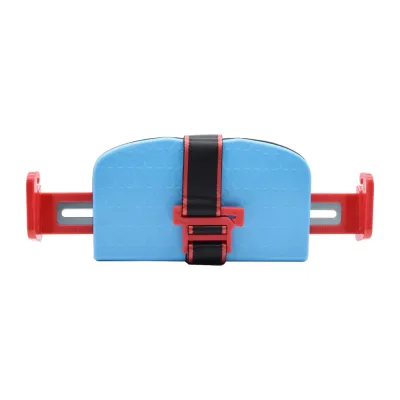
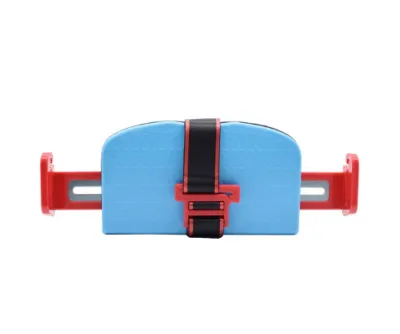
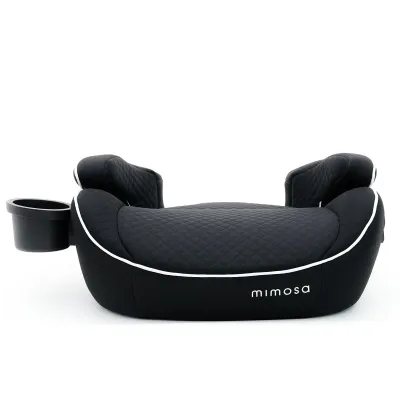
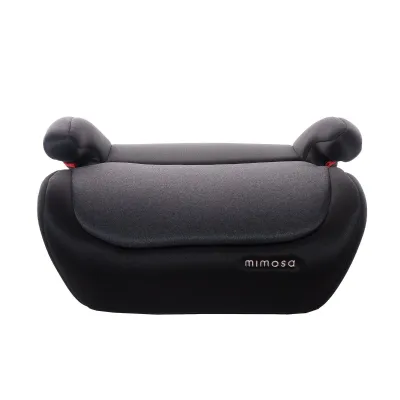
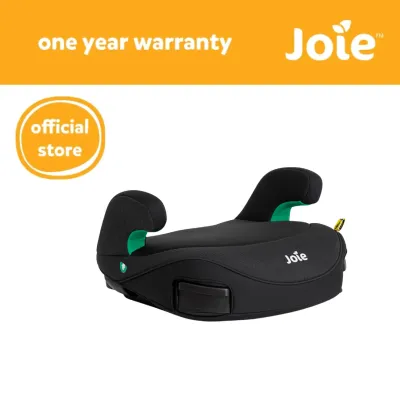
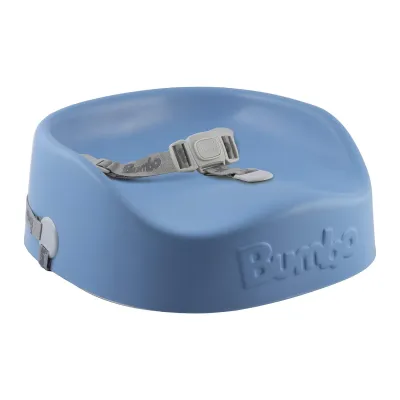
Prices are valid at publication and may change. Please refer to the product page for the latest price.
The ECE R44/04 standard categorizes booster seats based on the child’s weight. Under this framework, seats are divided into weight groups, and testing primarily focuses on frontal and rear impacts. In contrast, the ECE R129 standard represents a more modern approach to child safety. It classifies seats based on the child’s height rather than weight, which generally leads to a more accurate fit. Furthermore, ECE R129 compliance requires mandatory side-impact testing, ensuring the seat provides robust protection in lateral collisions. When comparing brands, look closely at the orange label to confirm which standard the specific model complies with, as some brands offer models under both standards.
Side-impact protection is another critical safety dimension that varies significantly across brands and models. While ECE R129 makes side-impact testing mandatory, the specific technologies used to achieve this protection differ. Premium models often feature deep side wings lined with energy-absorbing materials, such as expanded polystyrene (EPS) or expanded polypropylene (EPP) foam. Some brands also incorporate external impact pods or energy-absorbing shells designed to divert forces away from the child during a crash. To verify these claims, avoid relying solely on promotional terms like “advanced side protection” and instead check the manufacturer’s technical specifications for details on the materials and structural reinforcements used.
The structural design of the booster seat—specifically whether it is a high-back or backless model—profoundly impacts safety. High-back boosters provide integrated head and neck support, lateral side-impact wings, and built-in shoulder belt guides that keep the vehicle belt positioned correctly across the collarbone. Backless boosters, on the other hand, only raise the child so that the lap belt sits low across the hips, leaving the child’s upper body reliant on the vehicle’s own side-impact protection and headrests. Before purchasing, you must cross-reference your child’s current height and weight with the manufacturer’s manual to ensure they meet the minimum thresholds for the specific style of seat.
Evaluating Comfort and Daily Convenience Features
Beyond safety certifications, the daily usability of a booster seat determines how consistently and correctly it will be used. One of the first decisions parents face is choosing between a combination seat with an internal harness and a dedicated belt-positioning booster. A five-point harness system is designed to secure younger, smaller children by distributing crash forces across five points of the body. Transitioning to a vehicle seat belt routing system requires the child to have reached both the physical size limits of the harness and the developmental maturity to sit still without slouching, leaning, or pulling at the belt.

Installation methods play a significant role in daily convenience, especially for families in Singapore who may need to transfer the seat between different vehicles, such as family cars, grandparents’ vehicles, or taxis. Booster seats generally install using either ISOFIX connectors or the vehicle’s three-point seat belt. ISOFIX connectors attach directly to the vehicle’s chassis anchor points, providing a rigid connection that prevents the booster seat from moving when unoccupied. This is a major safety and convenience benefit, as an unsecured booster seat can become a dangerous projectile in a sudden stop. However, if you frequently use rideshares or taxis, a lightweight booster seat designed for quick seat belt installation may be more practical than a heavy, rigid ISOFIX model.
Adjustability features are essential for ensuring the booster seat grows with your child and remains comfortable over years of use. Look for models that offer one-handed headrest height adjustment, which allows you to easily raise the shoulder belt guides as your child grows taller. Some high-back boosters also feature adjustable side wings that expand outward to accommodate broader shoulders, as well as minor recline adjustments to match the angle of your vehicle’s seats. Additionally, consider the practicality of the seat’s fabrics. In Singapore’s hot and humid climate, breathable, moisture-wicking materials are highly desirable. Ensure the fabric cover is fully removable and machine-washable, as maintaining hygiene over several years of daily use is a common challenge.
Understanding Brand Positioning and Value Trade-offs
Major booster seat brands position their products across different segments of the market, offering distinct trade-offs between price, features, and build quality. Premium brands typically focus on advanced engineering, high-end materials, and extended usability. These models often feature sophisticated side-impact technologies, premium breathable fabrics, and highly adjustable components that allow the seat to adapt to a growing child. Many premium options are designed as multi-stage or convertible seats, which can transition from a harnessed seat to a high-back booster, and eventually to a backless booster, providing a single solution for many years.
Mid-range and budget-friendly brands generally prioritize lightweight structures, straightforward installation, and essential safety compliance. These brands often excel at producing highly portable, backless boosters or basic high-back models that meet all necessary safety standards without the added cost of premium fabrics or complex adjustment mechanisms. For families who do not own a car and rely on taxis or rental vehicles, a lightweight, budget-friendly booster that is easy to carry and quick to install can offer outstanding practical value.
When evaluating the long-term value of a booster seat, it is helpful to calculate the cost-per-use rather than focusing solely on the upfront purchase price. A premium multi-stage convertible seat may require a higher initial investment, but if it safely accommodates your child for eight to ten years, the annual cost is highly competitive. Conversely, purchasing a dedicated high-back booster or a simple backless model later in your child’s development can be a highly cost-effective choice if you only need the seat for a few years. Always weigh the initial price against the expected duration of use, the ease of maintenance, and the specific travel habits of your family.
Decision Framework: Choosing the Right Booster Seat
To select the most suitable booster seat for your child and vehicle, apply the following conditional decision framework:
- Choose a high-back convertible booster if your child is transitioning directly from a rear-facing infant seat, still requires the security of a five-point harness, or if your vehicle's rear seats lack built-in headrests to support a backless model.
- Opt for a dedicated high-back booster if your child has outgrown their harnessed seat but still needs lateral support, side-impact protection, and assistance with proper shoulder belt routing.
- Select a backless booster if your child is older, meets the height and weight requirements, can sit properly without slouching for the entire journey, and your vehicle has adequate headrests that extend above your child's ears.
- Verify first if the booster seat is compatible with your vehicle's seat belt geometry. The shoulder belt must rest flat across the center of the collarbone (not rubbing against the neck or slipping off the shoulder), and the lap belt must sit low across the upper thighs and hips, never across the soft abdomen.
Before making a purchase, take precise physical measurements of your child, including their weight, standing height, and seated shoulder height. Compare these measurements directly with the specifications in the manufacturer’s manual. Finally, test the booster seat in your actual vehicle if possible. Check for potential issues such as vehicle headrests pushing the booster seat forward, buckle stalks that are too long and cause the belt to fit loosely, or seat belt retractors that do not slide smoothly through the booster’s guides.
Frequently Asked Questions (FAQ)
When should my child transition from a harnessed car seat to a booster seat?
A child should only transition to a booster seat when they have fully outgrown the maximum height or weight limits of their forward-facing harnessed car seat. In addition to physical size, developmental maturity is critical; your child must be able to sit properly in the booster seat for the entire duration of every trip without slouching, leaning over, or playing with the seat belt. Always consult your specific car seat’s instruction manual and review local traffic regulations in Singapore to ensure compliance with legal safety requirements.
Are backless boosters as safe as high-back boosters?
High-back boosters generally offer a higher level of protection because they feature side-impact wings that shield the head and torso, and they ensure the vehicle’s shoulder belt is consistently routed at the correct height. Backless boosters do not provide side-impact protection or head support, making them dependent on the vehicle’s built-in safety features. A backless booster is appropriate only if your child is tall enough for the seat belt to fit correctly, possesses the maturity to sit upright, and the vehicle seat has a built-in headrest that reaches above the child’s ears to protect against whiplash.

Community discussion
Share your experience or ask a question. Comments are reviewed before publication.