
To protect a baby’s sensitive skin, parents must avoid laundry detergents containing synthetic fragrances, artificial dyes, optical brighteners, harsh surfactants, and sensitizing preservatives. While caregivers often spend hours researching the gentlest baby soap for bath time, the detergent used to wash an infant’s clothes, swaddles, and bedding is just as critical for preventing contact irritation. For infants with sensitive or eczema-prone skin, avoiding these common chemical irritants is essential to prevent uncomfortable flare-ups. If skin irritation or persistent rashes develop despite changing your laundry routine, it is always best to consult a pediatrician or a qualified dermatologist.
Why Detergent Choice Matters Just as Much as Baby Soap
An infant’s skin barrier is significantly thinner, more delicate, and more permeable than that of an adult. Because the outer layer of their skin is still developing, it is highly reactive to environmental triggers and chemical residues. When harsh chemicals come into contact with their skin, they can penetrate the barrier much more easily, leading to rapid moisture loss, dryness, and localized irritation.
Unlike bath products like baby soap, which are applied and rinsed off within a few minutes, laundry detergent residues remain embedded in fabric fibers. Clothing, swaddles, blankets, and bedding wrap a baby’s body almost twenty-four hours a day. This constant, prolonged contact means that any chemical residue left behind by the washing process is continuously transferred to the infant’s skin.
Products mentioned in this guide
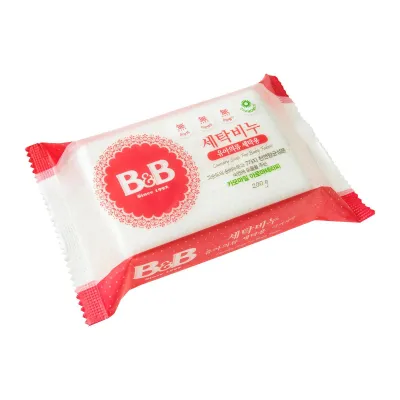
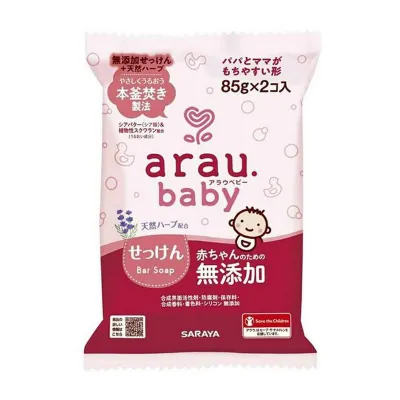
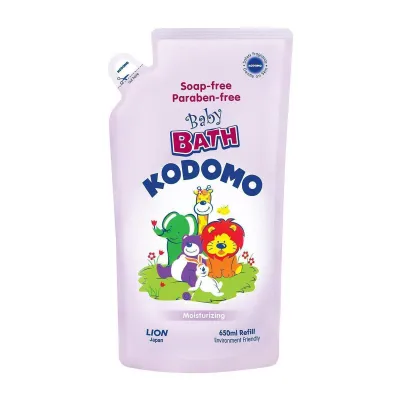
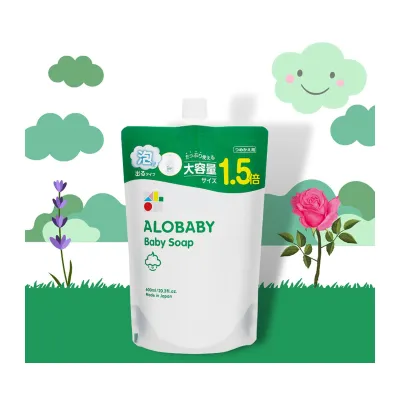
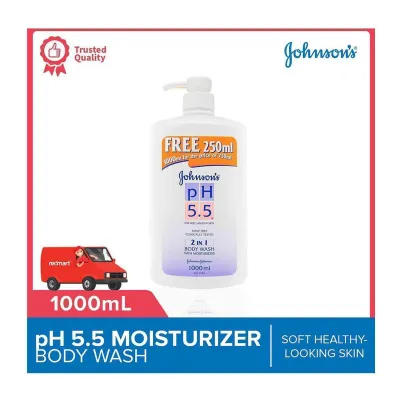
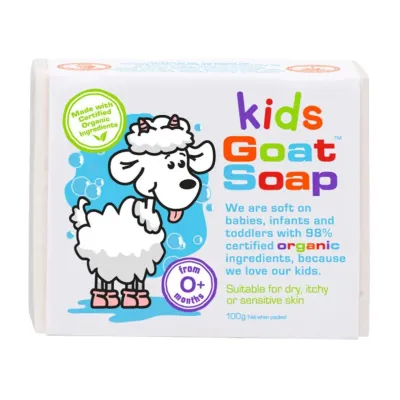
Prices are valid at publication and may change. Please refer to the product page for the latest price.
In warm, humid climates, this exposure can be further intensified. Sweat and friction can dissolve trapped detergent residues from the fabric, allowing them to seep directly into the baby’s skin pores. Consequently, switching to a gentler, fragrance-free laundry routine is widely recognized as a standard first step when unexplained rashes, rough patches, or eczema flare-ups begin to appear.
Common Irritants to Check on Detergent Labels
Equipping yourself to read detergent labels carefully is the most effective way to protect your baby’s skin. Front-of-package marketing claims can be highly misleading, so parents must learn to look past the colorful branding and scrutinize the actual ingredient list on the back of the bottle.

Synthetic Fragrances and Artificial Dyes
Added scents and artificial colors are purely aesthetic additions that serve absolutely no functional purpose in cleaning baby clothes. Unfortunately, synthetic fragrances are among the most frequent triggers for allergic contact dermatitis in infants. These fragrance mixtures often contain dozens of undisclosed chemical compounds, including phthalates, which do not have to be individually listed on the label under trade secret laws.
When checking detergent labels, look out for vague terms such as “fragrance,” “parfum,” or specific color indices like “CI” followed by a series of numbers. It is also important to note that naturally derived scents, such as essential oils, are not inherently safe for sensitive infant skin. Plant-derived oils can still contain natural allergens that trigger contact sensitivity, meaning that “natural” does not always equate to “irritant-free.”
The safest option for sensitive skin is to choose formulations that are explicitly labeled as “free and clear” or completely unscented. True unscented detergents omit both synthetic perfumes and masking fragrances, which some manufacturers use to cover up the chemical scent of raw ingredients.
Optical Brighteners and Fabric Softeners
Optical brighteners are synthetic chemicals designed to remain on fabric fibers after washing to reflect light, making clothes appear whiter and brighter. Because these chemicals do not rinse out and are engineered to cling to the fabric, they result in prolonged, direct skin exposure. For a baby with eczema or a compromised skin barrier, this constant chemical contact can easily trigger itching and redness.
Liquid fabric softeners and dryer sheets present similar risks for delicate skin. These products work by depositing a thin, waxy chemical film over fabric fibers to reduce static and make materials feel softer. This coating is typically loaded with heavy synthetic fragrances and quaternary ammonium compounds, which can trap heat, sweat, and bacteria against the baby’s skin while also reducing the natural absorbency of cotton swaddles and towels.
To keep baby clothes soft without relying on irritating chemical coatings, caregivers can use physical alternatives like 100% wool dryer balls. These reusable balls naturally separate clothing in the dryer, allowing warm air to circulate more efficiently to soften fabrics naturally without leaving any chemical residue behind.
Harsh Surfactants and Certain Preservatives
Surfactants are the primary cleaning agents in detergents, responsible for breaking down oils and lifting dirt from fabric fibers. However, strong anionic surfactants, such as sodium lauryl sulfate (SLS) and sodium laureth sulfate (SLES), can be highly stripping. These ingredients can wash away the natural lipids that maintain the skin’s moisture barrier, leaving the baby’s skin dry, flaky, and vulnerable to external irritants.
Preservatives are necessary in liquid detergents to prevent the growth of harmful bacteria and mold, but certain types are notorious contact allergens. Isothiazolinone preservatives, particularly methylisothiazolinone (MI) and methylchloroisothiazolinone (MCI), are known sensitizers. Parents should carefully check ingredient panels to ensure these specific preservatives are absent from their chosen laundry products.
Instead, look for detergents that utilize mild, plant-based surfactants, such as alkyl polyglucosides (including coco-glucoside, lauryl glucoside, or decyl glucoside). These ingredients clean effectively while remaining gentle on the skin barrier. Additionally, verify that any preservatives used are widely recognized as low-risk, and consult the manufacturer’s official website for a complete ingredient breakdown if the physical label is unclear.
How to Verify "Hypoallergenic" and "Baby-Safe" Claims
It is crucial for parents to understand that terms like “natural,” “gentle,” and “hypoallergenic” are not strictly regulated by standardized legal definitions. A manufacturer can label a detergent as “hypoallergenic” simply because it excludes a few common allergens, even if it still contains other potential irritants like optical brighteners or harsh preservatives. Relying solely on these front-label buzzwords can lead to accidental exposure to skin-sensitizing chemicals.
To verify actual product safety, look for recognized dermatological or eczema association seals of acceptance on the packaging. Organizations like the National Eczema Association (NEA) or other independent dermatological bodies evaluate products based on rigorous ingredient safety criteria. A seal of acceptance indicates that the product has been reviewed and found free of common irritants, providing a much more reliable benchmark for sensitive skin.
Because physical labels on detergent bottles are often small and may use vague grouping terms like “anionic surfactants” or “preservatives,” parents should take the extra step of checking the manufacturer’s official website. Reputable brands provide full ingredient transparency, often publishing detailed safety data sheets or comprehensive ingredient lists. If a brand does not disclose its full ingredient list online, it is best to choose a more transparent alternative.
Washing and Rinsing Practices to Minimize Residue
Even the mildest, most skin-safe detergent can cause irritation if it is not thoroughly rinsed from clothing. Caregivers should always measure detergent strictly according to the manufacturer’s instructions, taking into account the size of the laundry load. Overusing detergent creates excess suds that cannot be easily rinsed away, causing dirt and chemical residues to settle back into the fabric fibers.
Adjusting your washing machine settings is another highly effective way to minimize chemical buildup on baby clothes. Selecting an “extra rinse” or “deep rinse” cycle ensures that any lingering detergent particles are thoroughly flushed out of the fabric. This practice is especially important when using modern, water-efficient front-loading washing machines, which use minimal water during standard cycles.
Additionally, always wash all new baby clothes, blankets, swaddles, and bedding before their very first use. New textiles are frequently treated with chemical sizing agents, starches, flame retardants, or anti-mildew treatments during manufacturing and shipping. Washing these items beforehand removes these manufacturing finishes and any accumulated dust, ensuring that only clean, residue-free fabrics touch your baby’s delicate skin.
Frequently Asked Questions (FAQ)
Can I use regular adult detergent if I double the rinse cycle?
While adding an extra rinse cycle helps reduce detergent residue, it is generally not recommended to use standard adult detergents for a baby with sensitive or eczema-prone skin. Adult detergents are formulated to tackle heavy stains and odors, meaning they contain significantly higher concentrations of strong surfactants, enzymes, optical brighteners, and intense synthetic fragrances that are incredibly difficult to wash out completely. For the first few months of life, or during active eczema flare-ups, sticking to a dedicated fragrance-free, sensitive-skin formula is the safest choice to protect your baby’s developing skin barrier.
Should I wash baby clothes separately from the rest of the family's laundry?
Washing baby clothes separately is highly recommended if your infant has active eczema, severe skin sensitivities, or diagnosed contact allergies, as this prevents cross-contamination from the residues of adult detergents, fabric softeners, or heavily soiled adult garments. However, if the entire household makes the switch to a gentle, fragrance-free, and dye-free detergent, washing everyone’s clothes together is perfectly acceptable. This unified approach is often much more practical and energy-efficient for busy families while still ensuring the baby’s clothes remain free from irritating chemical residues.

Community discussion
Share your experience or ask a question. Comments are reviewed before publication.