
Finding the right diaper xxxl pants for a growing toddler is a common challenge for parents in Singapore. As toddlers reach the 15 to 25-kilogram range, their physical proportions change rapidly, and standard diaper sizes no longer provide adequate coverage or leak protection.
The optimal choice in this size category depends entirely on your toddler’s specific body shape—such as whether they have chunky thighs or a round tummy—and their daily activity level. There is no single brand that fits every child perfectly, as manufacturing cuts and elastic tensions vary significantly across different labels.
For highly active toddlers who require maximum mobility, a thinner-core design with high-stretch side panels is often ideal to prevent chafing. Conversely, for heavy wetters or toddlers with rounder midsections, a robust-core design with a high-waist cut is usually more effective at preventing sag and back leaks. Parents must always verify the weight and size charts on the specific product packaging, as weight recommendations can overlap and cuts differ between brands.
Products mentioned in this guide
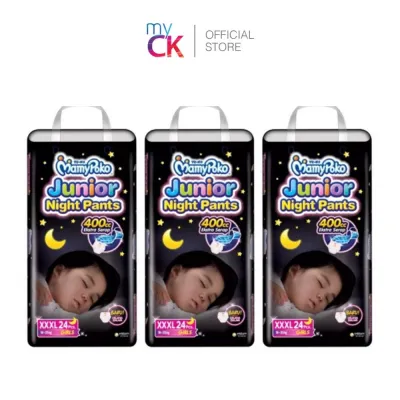
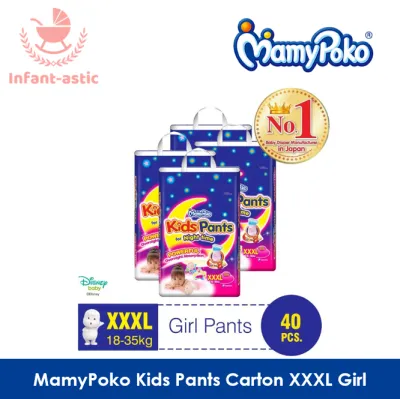
![[1 Carton] MamyPoko Kids Night Pants Boy Size XXXL (10s x 4)](https://img.lazcdn.com/g/p/753e7b87fdbdc341bf5ee40660b08367.png_400x400q80.png_.webp)
![Mamypoko Kids Pants Premium Baby Diapers [BOY] XXXL10 (1 Pack) (18 - 35kg)](https://img.lazcdn.com/g/p/00a35f27ebfbcac6e0f1dd3e688e08c7.jpg_400x400q80.jpg_.webp)
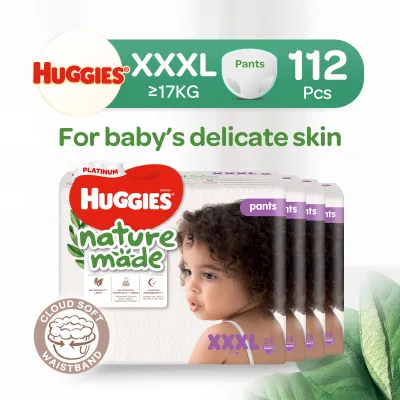
![[3 Packs]Faybel Essential Baby Diaper Pants 3 Packs All Sizes M L XL XXL XXXL for Sensitive Skin Redness-Free Dermatologically Tested](https://img.lazcdn.com/g/p/8e9f94007f2aa179d83464597ae5dce3.jpg_400x400q80.jpg_.webp)
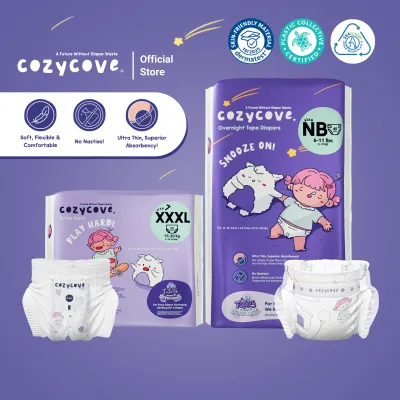
Prices are valid at publication and may change. Please refer to the product page for the latest price.
Key Dimensions for Evaluating Diaper XXXL Pants
Absorbency Capacity and Speed
As toddlers grow, their bladder capacity increases, resulting in larger, more sudden volumes of urine. A high-quality diaper core must not only absorb this volume quickly but also distribute it evenly to prevent heavy sagging in the front or middle.
Look for advanced superabsorbent polymers (SAP) and acquisition distribution layers (ADL) that draw moisture away from the skin instantly. Keeping the top sheet dry is essential for maintaining skin integrity and preventing diaper rash, especially during long periods between changes or during afternoon naps.
Waistband and Leg Cuff Fit
The physical construction of the waistband and leg cuffs determines how well the diaper prevents leaks during active play. A wide, highly elastic waistband distributes pressure evenly around a toddler’s tummy, preventing red marks while keeping the diaper secure.
For toddlers with rounder tummies, a high-waist design ensures the diaper does not slide down under the weight of wetness. Leg cuffs must feature double-layered elastic barriers that comfortably hug the thighs, which is crucial for preventing side leaks in active children who run, climb, and jump.
Breathability and Material Softness
Singapore’s tropical climate, characterized by high humidity and warm temperatures, places extra demands on diaper breathability. Larger toddlers generate more body heat and friction during play, which can trap moisture and sweat inside the diaper.
This trapped humidity is a primary cause of heat rash and skin irritation in the diaper area. Diapers with micro-porous outer covers allow hot air to escape while keeping wetness contained, while exceptionally soft inner linings minimize friction against sensitive skin during repetitive movements.
Comparing Fit Profiles of Leading XXXL Brands
Pampers: Focus on Stretch and Active Mobility
Pampers diaper xxxl pants typically feature a thinner, more ergonomic core profile that does not bunch up between the thighs. This streamlined design allows toddlers to move freely without feeling restricted by bulk, making it highly suitable for daytime wear and active play.

The waistbands are engineered with high-stretch materials that adapt to the toddler’s movements, making them highly suitable for proportionate or leaner builds. The flexible side panels stretch comfortably around the hips, reducing the risk of red marks on active children.
Because these diapers focus on a lightweight, flexible feel, parents should carefully check the specific product line. Premium variants within the brand may offer enhanced softness and faster absorption, whereas standard everyday lines might have different material specifications and absorbency limits.
Huggies: Focus on Secure Leg Cuffs and Absorbency
Huggies diaper pants are characterized by secure, double-barrier leg cuffs that provide an excellent seal around the thighs. This structural emphasis is particularly beneficial for toddlers with thicker thighs, as the elastic is designed to hold firm without digging into the skin when properly adjusted.
The absorbent core is typically thicker and more robust, offering reliable containment for heavy wetters. Parents looking for maximum security during long outings or car rides often find this structure reassuring against sudden, large volumes.
It is important to check for specific overnight or premium variants if your primary goal is maximum dry time. Standard daytime variants may have different core capacities, so verifying the product packaging guidelines is essential for managing heavy wetters.
MamyPoko and Merries: Focus on Softness and High-Waist Coverage
These Japanese-style diaper brands are highly regarded for their focus on material softness and generous, high-waist coverage. They feature pillowy-soft waistbands that sit high on the toddler’s waist, providing full coverage that helps prevent back leaks when the child sits or bends.
The materials used are exceptionally breathable, which is ideal for managing sweat in Singapore’s humid climate. The overall cut of these diaper pants tends to be wider and roomier, making them an excellent match for toddlers with rounder tummies or those prone to skin sensitivity.
Because the cut is more generous, parents of taller, leaner toddlers should verify the exact weight limits on the packaging. A loose fit around the legs could lead to gaps and subsequent leaks if the child’s thigh circumference does not fully fill out the leg openings.
How to Verify the Right Fit and Prevent Leaks
Reading the Size Chart
While weight ranges on the packaging provide a helpful baseline, they should not be the sole factor in your decision. Toddlers of the same weight can have vastly different body shapes, muscle distributions, and thigh circumferences.
If your child is near the upper limit of a size range, or has a particularly round tummy or chunky thighs, transitioning to XXXL can prevent leaks and discomfort. Always prioritize the physical fit over the age or weight label on the box.
The Two-Finger Rule
Once the diaper pants are pulled up, perform a quick waistband check to ensure proper tension. You should be able to slide two fingers comfortably between the waistband and your toddler’s tummy.
This ensures the diaper is secure enough to stay in place without restricting breathing, movement, or digestion after meals. If the band leaves deep red indentations that persist, it is a clear sign that the fit is too tight and you may need a different brand’s cut.
Checking Leg Cuffs
After pulling up the diaper, always run your finger around the leg openings to ensure the outer ruffles are fully pulled out and sitting flat against the skin.
If the ruffles remain tucked inward, the inner leak guards cannot function correctly, which often results in immediate side leaks. The elastic should hug the thigh gently without leaving deep red marks or pinching the skin.
When to Switch or Seek Help
If you experience frequent leaks despite verifying the correct size and fit, or if you notice persistent, deep red marks that do not fade after a few minutes, it may be time to try a different brand’s cut.
Always inspect your child’s skin regularly for signs of irritation, chafing, or persistent redness. If a persistent diaper rash develops, or if you have concerns about your child’s growth percentiles or need specialized pediatric advice for developmental or medical reasons, consult a qualified pediatrician.
Frequently Asked Questions (FAQ)
Is there a size larger than XXXL for toddlers?
XXXL is generally the largest size available in standard commercial toddler diaper pants lines. If your child outgrows this size but still requires overnight protection or daytime support, you may need to look into youth-sized training pants or specialized pediatric absorbent underwear. These products are designed for older children and offer higher capacity and larger dimensions. We recommend consulting a healthcare professional or pediatrician for guidance on finding the most appropriate specialized products for your child’s specific developmental needs.
Can I use standard XXXL diapers overnight for a heavy wetter?
While XXXL diaper pants offer a larger physical capacity than smaller sizes, standard daytime variants may not be designed to handle the prolonged compression that occurs when a toddler sleeps on their stomach or side. This compression can force moisture out of the core, leading to leaks. Always check the manufacturer’s guidelines to see if the product is rated for overnight use. If heavy nighttime wetting persists and causes sleep disruptions, consider looking for dedicated overnight variants with reinforced cores, or consult a pediatrician to discuss your child’s fluid intake and bladder habits.

Community discussion
Share your experience or ask a question. Comments are reviewed before publication.