
Quick Answer: Which Waterproof Wet Bag Brand Should You Choose?
Finding the right wet bag waterproof option in Singapore depends heavily on your daily routine, parenting style, and budget. There is no single brand that fits every family perfectly, as the ideal choice is determined by how you plan to use the bag.
If you are exclusively cloth diapering or travel frequently, investing in premium, double-lined brands with heavy-duty construction is the most reliable path. For daily daycare drop-offs or standard diaper bag organization, mid-range brands offer the best balance of weight, drying speed, and convenience. Meanwhile, budget-friendly options serve perfectly as backup storage in your car or diaper bag, or for carrying damp swimwear after a weekend pool session.
Ultimately, your choice should align with your capacity requirements, washing frequency, and budget. By identifying your primary use case first, you can select a brand that offers the durability you need without overpaying for unnecessary features.
Products mentioned in this guide
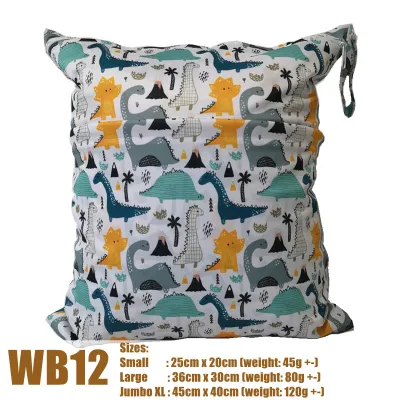
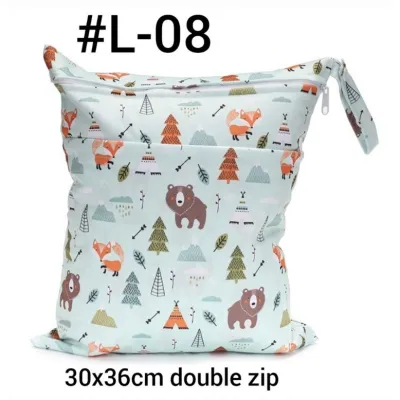
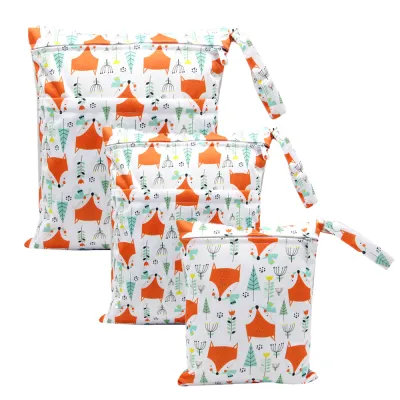
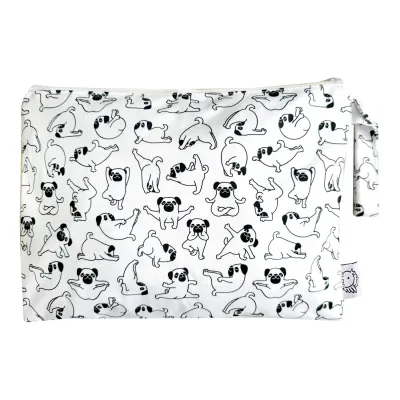
![[3 for $9.90] Baby Waterproof Wet Bag 36x30cm For Diapers And Nappies Travel Outdoor Stroller Toiletries Bag](https://img.lazcdn.com/g/p/964e7ce7fd4d3c48b6496f956e5cd1a5.png_400x400q80.png_.webp)
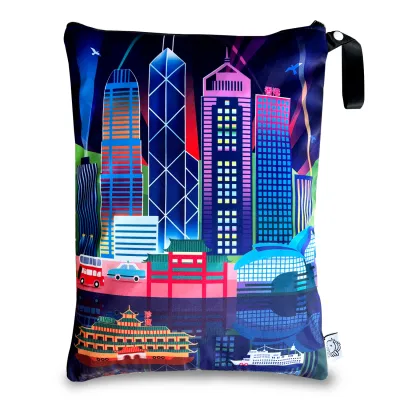
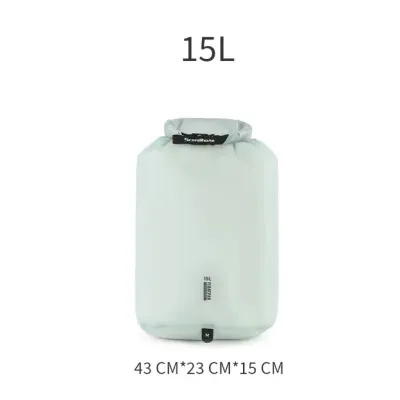
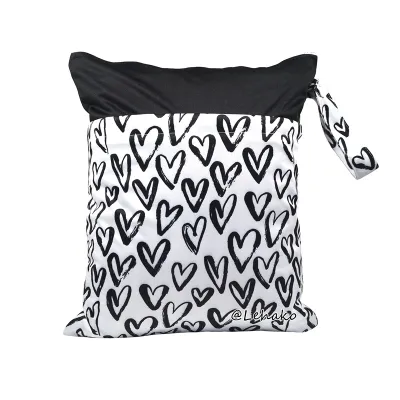
Prices are valid at publication and may change. Please refer to the product page for the latest price.
Key Features to Evaluate Before Buying
To find a reliable wet bag waterproof option, you must look beyond aesthetic patterns and evaluate the core construction of the product. The most critical component is the inner waterproof barrier. Most modern wet bags utilize either Polyurethane Laminate (PUL) or Thermoplastic Polyurethane (TPU).

PUL is typically bonded using chemical solvents, creating a highly durable, slightly stiffer barrier that withstands high-temperature washing well. TPU, on the other hand, uses a heat-bonding process that is more environmentally friendly and results in a softer, more flexible fabric. You should always check the manufacturer’s product documentation or label to verify the lining thickness and specific durability claims, rather than assuming a bag is highly leak-resistant based on brand reputation alone.
Capacity and dimensions are equally important when planning your daily gear. Small bags (roughly 20 by 25 centimeters) are ideal for containing minor items like dirty bibs, reusable breast pads, or pacifiers. Medium bags (around 30 by 40 centimeters) are the standard choice for daily outings, comfortably holding four to six modern cloth diapers or a couple of changes of toddler clothes. Large or extra-large hanging wet bags (often up to 40 by 70 centimeters) are designed for home storage, multi-day travel, or heavy swim gear, holding up to a dozen soiled diapers or several wet beach towels.
The closure mechanism and seam design determine how well a bag contains moisture and odors. Look for high-quality, smooth-gliding zippers that seal tightly at the end of the track. Many premium bags feature heat-sealed seams, which melt the inner lining together to prevent moisture from wicking through the stitching holes. Standard stitched seams are perfectly adequate for damp items but may slowly weep moisture if you pack soaking wet clothes or unwrung swimwear. Additionally, a sturdy snap handle is highly practical for attaching the bag to your stroller handlebar, diaper bag strap, or bathroom changing station.
Washing and care requirements should match your laundry habits. Since wet bags are designed to hold soiled, damp, or dirty items, they require frequent washing. A high-quality bag must be able to withstand regular machine cycles without the inner laminate cracking, peeling, or separating from the outer fabric—a process known as delamination. If a bag requires delicate hand-washing or air-drying exclusively, it may quickly become a chore to maintain in a busy household.
Comparing Popular Wet Bag Waterproof Brands in Singapore
Navigating the wide array of baby gear in Singapore can be overwhelming, especially when trying to distinguish between high-performing utility and basic fabric pouches. To help you make an informed decision, we have categorized the most popular brands available in Singapore into three distinct tiers: premium travel-focused options, everyday standard-capacity favorites, and budget-friendly multipurpose solutions.
Each brand has been evaluated based on its material composition, structural integrity, ease of maintenance, and suitability for Singapore’s tropical, high-humidity climate. By understanding the strengths and trade-offs of each tier, you can select the bag that best fits your lifestyle, diapering choices, and budget.
Premium and Travel-Focused Brands
Itzy Ritzy Travel Wet Bag Itzy Ritzy is highly regarded for combining fashionable aesthetics with heavy-duty functionality. Their travel wet bags feature a thick, high-quality PUL lining and a soft cotton designer fabric exterior. The dual-pocket design is particularly useful, allowing you to keep clean, dry clothes in one zippered compartment while storing soiled items in the waterproof section. The adjustable snap handle makes it easy to loop over any stroller bar or diaper bag strap.
- Pros: Excellent aesthetic appeal, thick and durable lining, highly effective odor containment, and separate dry storage.
- Cons: The heavy cotton exterior takes significantly longer to air dry in Singapore's humid climate, and the price point is relatively high (typically ranging from S$25 to S$35 per bag).
Kanga Care Wet Bag Kanga Care offers a highly durable, heavy-duty wet bag designed with a unique 3D cylindrical shape rather than a flat envelope design. This structural choice allows the bag to hold up to 15 cloth diapers or a massive amount of wet swimwear without stretching the seams. It features heat-sealed seams to prevent any liquid wicking and uses a heavy-duty zipper designed to withstand thousands of pulls.
- Pros: Exceptional capacity, completely heat-sealed seams for superior leak-proofing, and highly durable TPU lining.
- Cons: The bulky 3D shape occupies substantial space inside a standard diaper bag, making it less practical for quick, light outings.
Everyday and Standard Capacity Brands
Bumkins Waterproof Wet Bag Bumkins is a household name among parents, famous for its lightweight, single-ply waterproof fabric. Made from 100% polyester with an embedded TPU coating, these bags are incredibly lightweight and fold down to almost nothing when empty. They are exceptionally fast-drying, which is a major advantage in Singapore’s tropical weather.
- Pros: Extremely lightweight, folds compactly, dries very quickly after washing, and is highly affordable for daily use.
- Cons: Because the seams are stitched rather than heat-sealed, they can wick moisture if filled with soaking wet items like unwrung swimwear or dripping clothes.
Alvababy Double Zippered Wet Bag Alvababy offers a highly functional, mid-range solution that has become a staple for daycare drops and daily excursions. These bags feature two zippered compartments, allowing you to separate wet items from dry ones easily. The outer layer is made of a water-resistant polyester, while the interior is lined with a reliable TPU layer.
- Pros: Excellent value for money, dual zippered pockets, wide variety of prints, and standard capacity that easily fits 4 to 6 diapers.
- Cons: The zippers and snap handles are standard-grade and may show wear or stiffness after years of intensive, high-frequency machine washing.
Budget-Friendly and Multipurpose Brands
Damero Wet Organiser Bags Damero bags are frequently sold in multi-packs on major e-commerce platforms, offering outstanding utility for families on a budget. They feature a straightforward design with a single or double zipper and a basic TPU lining. These bags are perfect for low-risk scenarios, such as storing dry spare clothes, containing sandy beach toys, or acting as a backup bag kept in the glove compartment of your car.
- Pros: Highly economical, usually sold in convenient multi-packs, and highly versatile for non-diaper organization.
- Cons: The TPU lining is thinner than premium alternatives, making it more susceptible to eventual wear and delamination if washed frequently on heavy cycles.
Generic/Unbranded TPU Wet Bags Widely accessible through local online marketplaces and neighborhood baby shops in Singapore, unbranded TPU wet bags are the most budget-friendly option available, often priced under S$8. They are highly suitable for light, dry-damp storage, such as carrying clean bibs, dry change of clothes, or keeping small toys organized.
- Pros: Extremely low initial cost, widely available, and functional for basic organization.
- Cons: High variability in quality control, thinner materials, prone to seam tearing under heavy loads, and lack of manufacturer warranties or clear material safety compliance.
Assessing Value for Money and Purchasing Channels
When evaluating the cost of a wet bag, it is essential to calculate the true value based on cost-per-use rather than the initial price tag. A premium bag priced at S$30 that survives three years of daily machine washing and line drying costs less than S$1 per month. Conversely, a budget bag priced at S$5 that delaminates, leaks, or suffers a broken zipper after just two months of use represents poor value and contributes to unnecessary plastic waste. For heavy-use scenarios like exclusive cloth diapering or daily infant care drops, investing in durable TPU or PUL linings with reinforced zippers will almost always save you money and frustration in the long run.
To ensure you are purchasing authentic, high-quality products, always buy from reputable channels in Singapore. Authorized local baby gear boutiques, official brand flagship stores, and well-known department stores are the safest options. These retailers source their inventory directly from the manufacturers, ensuring the materials used are free from harmful chemical plasticizers and comply with local consumer safety standards.
Be cautious when purchasing from unverified third-party sellers on social media or unauthorized parallel importers on online marketplaces. Counterfeit wet bags are common and often look identical to premium brands in photos, but they frequently use cheap, non-waterproof PVC linings or low-grade laminates that crack immediately upon washing. Always verify the seller’s rating, read customer reviews focusing on long-term durability, and check the platform’s return policy before finalizing your purchase.
Care and Maintenance to Maximize Durability
To protect your investment and ensure your wet bag remains completely leak-proof, proper care and maintenance are essential. Always consult the manufacturer’s care label and instructions before washing your specific bag. As a general rule for all laminate-lined bags, you should turn the bag inside out before tossing it into the washing machine. Use a mild, liquid detergent and avoid using bleach, vinegar, fabric softeners, or laundry sanitizers. These harsh chemicals can chemically degrade the TPU or PUL lining, causing it to crack, peel, or separate from the outer fabric layer.
Drying your wet bag correctly is critical to preserving the waterproof barrier. Air drying is the safest and most effective method. Hang the bag inside out in a well-ventilated, shaded area. While it may be tempting to hang your wet bag in the direct, scorching midday Singapore sun to speed up drying, excessive UV exposure and intense heat can melt or warp the delicate laminate lining. If you must use a tumble dryer, ensure it is set to a low-heat or air-fluff cycle, and only do so if the manufacturer’s care instructions explicitly permit tumble drying.
Managing odors in Singapore’s hot and humid tropical climate requires prompt action. Never leave heavily soiled diapers or soaking wet, sweaty clothes sealed inside a wet bag for multiple days, as this creates a breeding ground for mold, mildew, and stubborn bacteria. If you cannot wash the bag immediately, rinse it out with cold water and hang it up to dry temporarily. To neutralize persistent odors, you can occasionally add a half-cup of baking soda to your wash cycle, provided this is compatible with the manufacturer’s guidelines.
Knowing when to retire and replace your wet bag is important for preventing messy leaks in your diaper bag. Inspect the interior lining regularly for signs of wear. If you observe flaking, peeling, or cracking in the laminate layer, the bag’s waterproof integrity has been compromised, and it will likely leak. Other clear indicators that it is time for a replacement include persistent, deep-set odors that remain after multiple washes, mold spots that have penetrated the fabric fibers, or a failing zipper track that no longer seals completely.
Frequently Asked Questions (FAQ)
This section addresses common queries regarding the daily use, capacity planning, and performance limits of waterproof wet bags in Singapore. Always defer to your specific product’s manufacturer guidelines for precise care instructions.
Can I wash waterproof wet bags in the washing machine?
Yes, most high-quality wet bags are fully machine washable. To protect the waterproof lining, turn the bag inside out, wash on a gentle cycle with cold or warm water, and use a mild detergent. Avoid fabric softeners, bleach, and high-heat drying, which can cause the laminate to peel or crack over time.
How many wet bags do I need for a full day out?
For a typical full day out with an infant, carrying two wet bags is highly recommended. Use one medium-sized bag to contain soiled diapers or heavily stained clothes, and a second, smaller bag to store clean spares, dry bibs, or teething toys. This prevents cross-contamination and keeps your diaper bag perfectly organized.
Do waterproof wet bags completely block odors?
While high-quality wet bags with thick linings and sealed zippers are exceptionally good at containing odors, they are not 100% odor-proof, especially in Singapore’s hot, humid climate. Heat accelerates bacterial activity, so it is best to empty, rinse, and wash your wet bag daily rather than leaving soiled items inside for extended periods.

Community discussion
Share your experience or ask a question. Comments are reviewed before publication.