
Choosing the right toy storage organizer for a nursery in Singapore involves balancing limited apartment space, high tropical humidity, and crucial child safety standards. The ideal setup evolves with your child: soft fabric bins provide a safe harbor for infants and crawling babies, modular shelving with clear drawers helps toddlers categorize their belongings, and robust wooden chests offer long-term durability for bulkier items. By selecting organizers designed for space efficiency, mold resistance, and easy accessibility, you can create a clutter-free environment that actively supports your child’s developmental milestones.
What to Consider When Choosing Nursery Toy Storage in Singapore
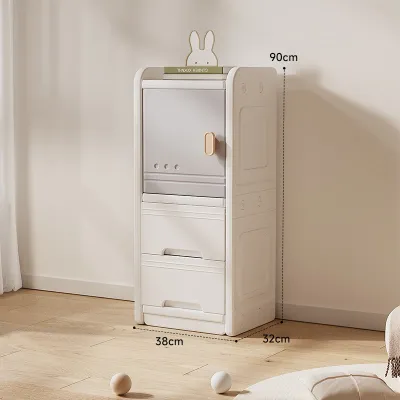
Space Optimization Space is at a premium in typical Singapore residences, such as Housing & Development Board (HDB) flats and modern condominiums. When floor space is limited, standard wide-profile cabinets can quickly overwhelm a nursery. Opting for vertical storage solutions allows you to maximize the room’s height while preserving valuable floor space for play. Look for multi-functional furniture pieces, such as storage benches that double as seating or changing tables with integrated shelving underneath. This dual-purpose approach reduces the total number of individual furniture items needed in the room, keeping the nursery feeling open and airy.
Climate Adaptability Singapore’s tropical climate, characterized by high relative humidity that frequently exceeds 80%, presents unique challenges for nursery furniture. Excess moisture in the air can lead to rapid mold growth, mildew, and warping of low-quality materials. When evaluating a toy storage organizer, prioritize breathable fabrics like cotton canvas or open-weave mesh over synthetic materials that trap moisture. For wooden components, seek out moisture-resistant finishes, sealed engineered wood, or solid hardwoods treated with non-toxic, water-resistant sealants. Additionally, ensure any metal hardware, such as screws, hinges, or drawer slides, is made from rust-resistant materials like stainless steel to prevent corrosion over time.
Products mentioned in this guide
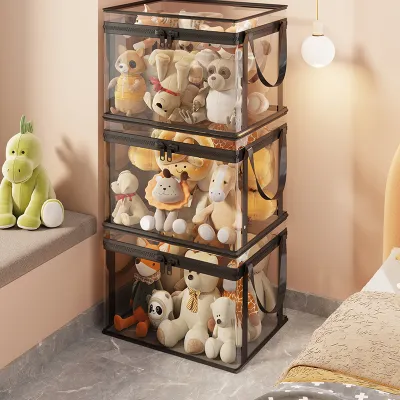
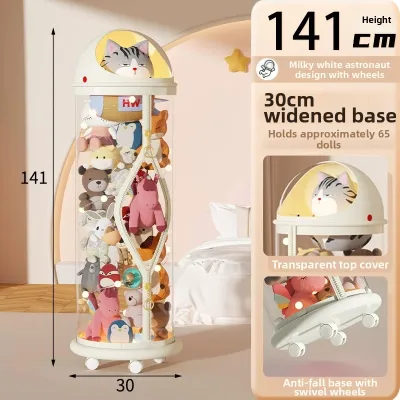
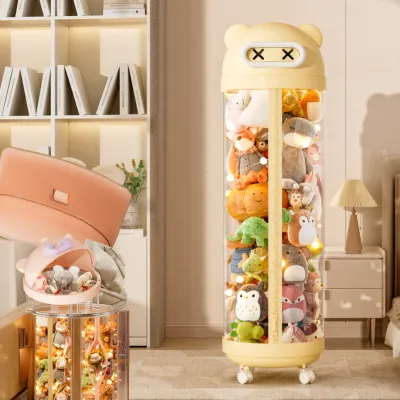
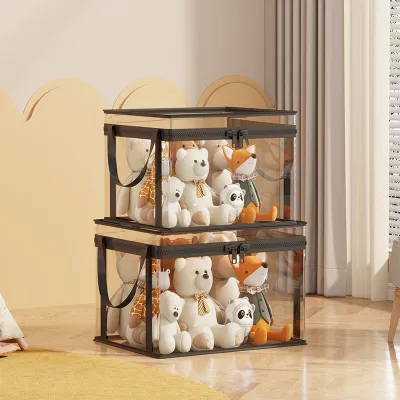
Prices are valid at publication and may change. Please refer to the product page for the latest price.
Safety Standards Infant and toddler environments require rigorous safety considerations to prevent accidental injuries. Every free-standing organizer must be physically stable; look for units that explicitly include manufacturer-approved anti-tip anchoring hardware. Sharp corners pose an immediate hazard to children learning to pull themselves up or take their first steps, making rounded edges and smooth profiles essential design features. If you are considering lidded storage chests, verify that they utilize soft-close safety hinges that hold the lid open at any angle, preventing it from slamming down on small fingers. Always check manufacturer documentation to verify non-toxic certifications, ensuring that plastics are BPA-free and paints or finishes are water-based and free from lead or volatile organic compounds (VOCs).
Accessibility and Independence A well-designed nursery does more than just hold toys; it serves as a learning environment that fosters independence. The height of the storage unit should directly correspond to your child’s physical reach and developmental stage. For toddlers, low-slung shelves (typically under 60 centimeters in height) allow them to see, retrieve, and return their toys without adult assistance. This accessibility supports Montessori-style learning, encouraging children to make independent choices and participate in clean-up routines. When children can easily access their playthings, they develop fine and gross motor skills, spatial awareness, and a sense of responsibility for their personal belongings.
Best Toy Storage Organizer Types for Babies and Toddlers
Soft Fabric and Canvas Bins
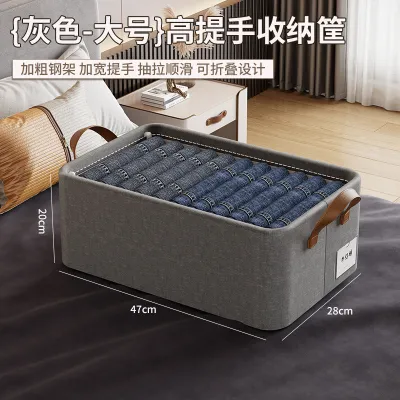
Ideal Use Case Soft fabric and canvas bins are highly recommended for nurseries housing infants and crawling babies. During these early developmental stages, children spend most of their time on the floor and are prone to sudden, uncoordinated movements. The soft, flexible structure of fabric containers eliminates the risk of painful bumps or bruises associated with hard wooden or plastic edges, making them a safe addition to a low-level play area.

Practical Benefits These organizers are exceptionally lightweight, allowing older babies and toddlers to pull them off low shelves or carry them across the room without difficulty. Many fabric bins feature a collapsible design, meaning they can be folded completely flat and stored away when your child outgrows certain toys or when you need to reclaim floor space. From a hygiene perspective, look for fabric bins with removable, machine-washable covers or those constructed from easy-to-wipe canvas, which simplifies the process of cleaning up inevitable spills, drool, or dust.
Limitations and Buying Advice The primary drawback of soft fabric bins is their lack of inherent structural rigidity. Without internal support, they can easily sag, warp, or collapse under the weight of heavier toys, leading to an untidy appearance. To mitigate this, look for bins that feature reinforced cardboard or plastic base inserts and stiffened side panels. If you plan to place them on open shelves, measure your shelving cavities precisely to ensure a snug fit, and prioritize bins with double-stitched, reinforced handles that can withstand repeated pulling and lifting.
Wooden Toy Chests and Multi-Functional Benches
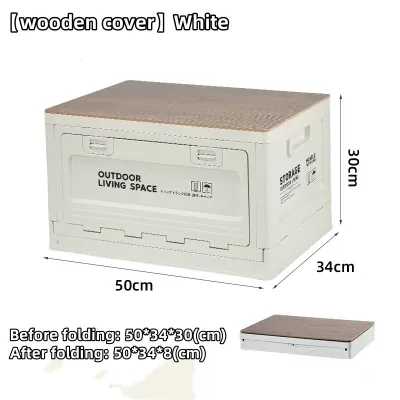
Ideal Use Case Wooden toy chests and multi-functional benches are best suited for older toddlers and preschoolers who have developed stable motor control. These sturdy furniture pieces are designed to accommodate large, bulky, or irregularly shaped items that do not fit neatly into standard storage drawers or cubbies. They are ideal for housing oversized plush toys, wooden train sets, building blocks, and heavy board games, keeping them completely out of sight when play-time is over.
Practical Benefits Solid wood or high-quality engineered wood construction offers outstanding long-term durability, often lasting throughout a child’s entire childhood. Beyond simple storage, these pieces serve dual purposes in a Singapore nursery where space is highly valued. A low wooden chest with a flat lid can easily be topped with a custom cushion to create a cozy reading bench for parents and children, or it can serve as a low play table for puzzles and creative activities, maximizing the utility of a single footprint.
Safety and Buying Advice Safety must be your primary focus when selecting a lidded wooden chest. Never purchase a chest that lacks safety lid-stays or soft-close hinges, as heavy wooden lids can fall unexpectedly and cause severe finger-trap injuries. Ensure the interior of the chest is finished with a smooth, splinter-free sealant, and check for ventilation cut-outs or gaps beneath the lid to prevent suffocation risks in the unlikely event a child climbs inside. Because wooden chests are inherently heavy, verify that the unit sits flush on the floor and can be securely anchored to the wall if it is tall enough to pose a tipping hazard.
Modular Shelving with Clear Drawers
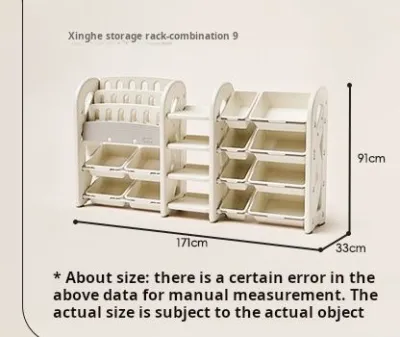
Ideal Use Case Modular shelving units equipped with clear or semi-transparent drawers are highly effective for toddlers aged two and older. At this stage, children begin to engage in cooperative and imaginative play, which often involves small, multi-piece toy sets such as plastic bricks, puzzle pieces, art supplies, and miniature figurines. Keeping these small parts organized and sorted is crucial to preventing missing pieces and reducing floor clutter.
Practical Benefits Clear or translucent drawers provide immediate visual cues, allowing toddlers to see exactly what is inside each compartment without having to pull every drawer open or read written labels. This visual accessibility greatly enhances their ability to categorize objects, making the clean-up process an intuitive sorting game. Additionally, modular designs offer excellent scalability; you can start with a small, low-profile configuration and gradually add extra tiers, side units, or different drawer sizes as your child’s toy collection expands over the years.
Safety and Buying Advice When shopping for modular plastic or wooden drawer units, verify that the drawers are equipped with built-in safety stoppers. These stoppers prevent the drawers from being pulled entirely out of the frame, which could cause heavy contents to spill onto a child’s feet or lap. Check the overall stability of the frame; lightweight plastic modular units can easily become top-heavy if heavier toys are stored in the upper drawers. Always place the heaviest items in the bottom compartments to maintain a low center of gravity, and ensure the unit is positioned on a flat, level surface with wall-anchoring straps installed.
Essential Safety and Maintenance Steps for Nursery Furniture
Anchoring and Stabilization Securing heavy or tall furniture to the wall is a critical safety step that must not be overlooked. In Singapore, most residential walls are constructed of solid concrete or brick, which requires specific hardware compared to drywall. When installing a toy storage organizer, use a masonry drill bit and high-quality wall plugs (anchors) designed for concrete to secure the anti-tip straps or brackets provided by the manufacturer. Never rely solely on the weight of the furniture or adhesive strips to keep a unit upright, as climbing toddlers can easily exert enough leverage to pull down even seemingly stable shelving units.
Humidity and Mold Prevention To protect your investment and maintain a healthy environment for your baby, active humidity control is essential. Avoid placing wooden organizers or fabric bins directly flush against external-facing walls, as these walls can trap heat and condensation, creating a breeding ground for mold. Leave a gap of at least 5 to 10 centimeters between the furniture and the wall to facilitate continuous airflow. On particularly humid days, utilize a dehumidifier or run your air conditioning unit on the “dry” mode to extract excess moisture from the nursery air. Regularly inspect the backs of wooden chests and the undersides of fabric bins for any signs of dampness, musty odors, or dark spots, addressing any moisture issues immediately.
Routine Safety Inspections Nursery furniture experiences significant wear and tear from daily use. Establish a monthly routine to inspect all toy storage organizers for potential safety hazards. Use a screwdriver to check and tighten any loose screws, bolts, or brackets that may have vibrated loose over time. Run your hands along wooden surfaces to check for any peeling laminate, cracking paint, or emerging splinters that could scratch delicate skin. Inspect plastic drawers for cracks or sharp edges caused by impact, and verify that drawer tracks and safety stoppers remain clean, aligned, and fully functional.
Safe Cleaning Practices Keeping toy organizers clean is vital for maintaining nursery hygiene, but it must be done using baby-safe methods. Avoid using harsh chemical disinfectants, bleach, or ammonia-based cleaners, as these can leave toxic residues on surfaces that babies frequently touch or mouth. For wooden and plastic surfaces, a simple solution of warm water and mild, fragrance-free baby soap applied with a microfiber cloth is highly effective. For fabric bins, check the manufacturer’s care label; many can be spot-cleaned with a damp cloth and a gentle enzyme cleaner, while others can be placed in a mesh laundry bag and washed on a delicate cycle. Always allow all components to dry completely in a well-ventilated area—ideally in direct sunlight to utilize natural UV sanitization—before returning toys to the storage unit.
Frequently Asked Questions (FAQ)
At what age should I transition from open bins to closed toy boxes?
The transition from open bins to closed toy boxes should align with your child’s cognitive and motor development milestones. For infants and young toddlers under the age of two, open bins and low, accessible shelving are ideal. At this stage, children lack the fine motor skills to operate complex latches or heavy lids, and they rely heavily on visual cues to identify their toys. Open storage makes retrieval and clean-up frustration-free. Around ages two to three, children begin to develop advanced categorization skills and the motor control required to safely open drawers, slide lids, or lift light box covers. At this point, introducing closed drawers, compartmentalized boxes, or lidded chests helps them learn to sort toys by type (such as blocks, vehicles, or art supplies) while keeping the nursery looking highly organized and visually tidy.
How can I maximize toy storage in a compact nursery?
Maximizing storage in a compact Singapore nursery requires strategic planning and multi-functional furniture choices. First, prioritize vertical space by selecting tall, narrow shelving units that draw the eye upward and utilize wall space that would otherwise go unused, ensuring these units are securely anchored to the wall. Second, make use of under-crib space, which is often neglected; low-profile fabric bins or rolling under-bed storage drawers are excellent for housing out-of-season clothing, extra bedding, or bulky, less frequently used toys. Finally, invest in dual-purpose furniture pieces, such as a changing table that features integrated storage cubbies underneath, or a sturdy wooden toy chest with a padded top that serves as seating. By consolidating multiple functions into single, space-saving footprints, you can keep the nursery organized without cluttering the limited floor area.

Community discussion
Share your experience or ask a question. Comments are reviewed before publication.