
A tidy nursery provides a calm, safe environment for your baby to grow, play, and rest. However, managing the rapid accumulation of baby toys can quickly become overwhelming, especially in space-conscious homes such as Singapore apartments. Utilizing a dedicated toys storage bag is one of the most efficient ways to keep play areas organized, reduce clutter, and ensure that toys remain clean and easily accessible. Selecting the right storage solution involves balancing practical capacity with safety considerations, material durability, and your daily nursery routine. By choosing bags tailored to specific toy types, you can establish an intuitive organization system that simplifies cleanup and supports your child’s developmental stages.
Key Features to Look for in a Nursery Toy Storage Bag
When selecting a toys storage bag for your nursery, several critical features should guide your decision to ensure the product is both functional and safe for your home environment.
Material and Safety Safety is the absolute priority in any nursery setting. Before purchasing any toy storage bag, carefully inspect the manufacturer’s product documentation and labels to verify that the materials used are non-toxic, lead-free, and baby-safe. Babies and toddlers frequently explore their environment by touching and mouthing objects, meaning the storage bag itself must not pose chemical risks. Additionally, inspect the design for physical safety hazards. Avoid bags that feature easily detachable small parts, such as loose plastic beads, decorative buttons, or fragile zipper pulls, as these can easily become choking hazards for young children. If the bag contains structural wires or frames, ensure they are securely padded and stitched to prevent them from poking through the fabric over time.
Products mentioned in this guide
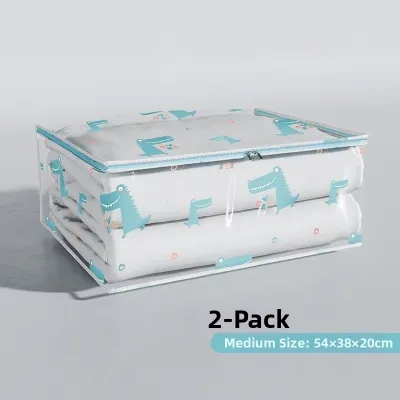
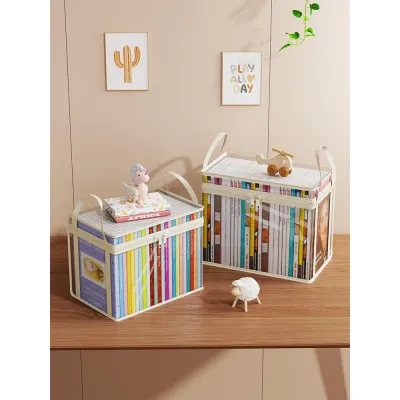
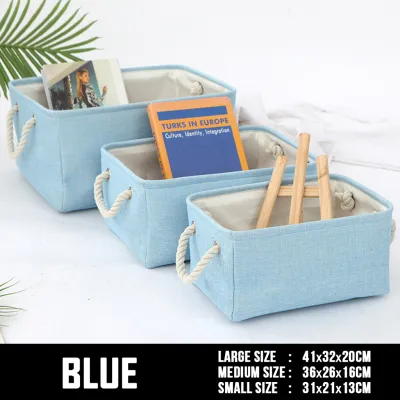
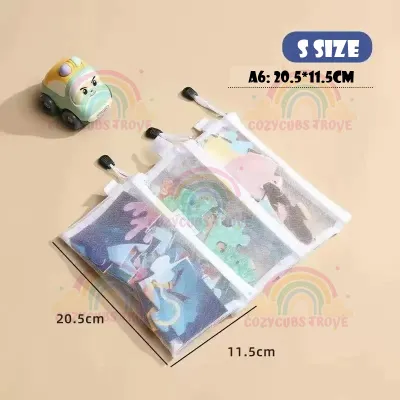
Prices are valid at publication and may change. Please refer to the product page for the latest price.
Size and Capacity A storage bag must fit comfortably within your nursery layout without obstructing walkways or play areas. Before shopping, measure your available floor space, shelf depth, or closet dimensions. While a high-capacity bag is excellent for gathering large volumes of toys, you must balance this volume with the physical effort required to move it. A massive bag filled to the brim with wooden blocks or heavy books can become dangerously heavy and difficult to lift, posing physical strain to caregivers and tipping risks to toddlers. Consider using multiple medium-sized bags rather than a single oversized container to distribute weight more evenly and make transport safer.
Opening and Closure Mechanisms The way a bag opens and closes directly impacts how easily you and your child can access and tidy up toys. Wide-mouth openings are highly practical for quick cleanup sessions, allowing you to drop toys inside without struggle. However, if you need to store small, loose items or transport the bag frequently, a secure closure mechanism is necessary. Look for high-quality zippers with safety locks or recessed zipper tracks that prevent curious toddlers from easily opening them unsupervised. If the bag uses hook-and-loop fasteners, ensure the edges are soft and rounded to prevent scratches on delicate baby skin.
Portability and Handling Nursery organization often requires moving toys from the sleeping area to the living room or play zone. Therefore, look for bags equipped with reinforced, double-stitched handles that can support the weight of the contents without tearing. Lightweight designs are ideal for daily carrying, while heavier or bulkier storage bags benefit significantly from integrated wheels or smooth casters. If you choose a wheeled bag, verify that the wheels have a locking mechanism to keep the bag stationary when placed near a crib or play area, preventing accidental rolling.
Best Types of Toy Storage Bags for a Tidy Nursery
Different toy collections require different storage strategies. Understanding the distinct categories of toy storage bags allows you to match the right design to your specific nursery needs.

Canvas and Cotton Storage Bins and Bags
Fabric-based storage solutions are popular choices for nurseries due to their soft texture, aesthetic versatility, and structural flexibility.
Ideal Use Case: Canvas and cotton bags are best suited for storing lightweight, soft items such as plush toys, stuffed animals, fabric baby books, and soft developmental blocks. They are also excellent for items that do not require specialized moisture protection.
Advantages: These bags excel at blending seamlessly with modern nursery decor, offering a warm, inviting look compared to rigid plastic bins. Many high-quality canvas bags feature internal wire rims or reinforced fabric panels that allow them to stand upright even when empty, maintaining a neat appearance. Furthermore, natural cotton and canvas fibers are highly breathable. This breathability is particularly beneficial in humid climates, as it allows air to circulate freely around fabric toys, helping to prevent the buildup of musty, stagnant odors. In Singapore, these fabric options are widely available across various price bands, typically ranging from budget-friendly options under S$15 to premium, reinforced designer bins priced over S$50.
Limitations and Checks: A primary limitation of canvas and cotton is that they are not inherently waterproof. Spills, damp toys, or high humidity can lead to moisture absorption, which may ruin the bag or the toys inside. Before purchasing, always check the manufacturer’s care instructions to verify if the bag is machine-washable or if it requires spot cleaning only. Additionally, confirm that the dyes used are colorfast to prevent color bleeding onto your nursery carpets or nearby furniture during cleaning.
Clear PVC and Mesh Window Storage Bags
Visibility is a major asset in nursery organization, especially when managing diverse toy sets with multiple small pieces.
Ideal Use Case: These bags are highly recommended for organizing complex toy sets, such as puzzles, small action figures, developmental building blocks, art supplies, and board game pieces.
Advantages: The primary benefit of clear PVC or mesh window bags is instant visual access. Caregivers can quickly locate specific toys without emptying multiple bags, saving valuable time during busy daily routines. For toddlers, seeing their toys clearly displayed encourages independent play choices and simplifies the cleanup process, as they can easily identify exactly where each item belongs.
Limitations and Checks: While convenient, PVC materials require careful inspection. Ensure that any PVC bag you purchase is certified phthalate-free and non-toxic, as standard industrial plastics can emit harmful chemical odors. Over time, lower-quality PVC can degrade, turn yellow, or become brittle and crack, particularly when exposed to direct sunlight in bright nursery rooms. When choosing mesh options, inspect the weave density to ensure small toy parts cannot slip through, and verify that the zippers operate smoothly without catching or tearing the delicate mesh fabric.
Drawstring Play Mat and Storage Bag Combos
For families looking to minimize cleanup time, dual-function drawstring play mats offer an innovative, highly efficient solution.
Ideal Use Case: This design is ideal for managing large collections of small, scattered toys, such as plastic building bricks, toy cars, train tracks, or small developmental figurines that tend to spread across the entire nursery floor.
Advantages: The “scoop and pull” mechanism of a drawstring play mat dramatically reduces the time spent cleaning up. During playtime, the bag unfolds flat to serve as a clean, designated play surface. Once playtime is over, you simply pull the drawstring cords, and the mat gathers up, instantly transforming back into a sealed storage bag with all the toys safely contained inside. This eliminates the tedious step of picking up individual pieces and transferring them into separate bins.
Limitations and Checks: The main concern with drawstring bags is child safety. Long, loose cords present a serious strangulation hazard for infants and toddlers. If you choose this type of bag, always verify that the product features a secure safety pocket or cord lock system to safely tuck away the excess drawstring when the bag is closed. Never leave an infant unsupervised with a drawstring bag, and ensure the closed bag is stored on a high shelf or inside a closet out of your child’s reach when not in active use.
Rolling and Wheeled Storage Bags
When dealing with heavier toy collections, mobility becomes a key factor in maintaining an organized and safe nursery.
Ideal Use Case: Rolling bags are best utilized for heavy wooden toys, large wooden block sets, extensive train tracks, bulky outdoor play equipment stored indoors, or massive collections of oversized stuffed animals.
Advantages: Wheeled storage bags provide excellent ergonomic support for parents and caregivers, eliminating the need to lift and carry heavy loads across the home. They allow you to easily transport an entire category of toys from the nursery to the living room and back again. This mobility also makes it simple to clear the floor quickly when cleaning or vacuuming the nursery. These heavy-duty mobile options typically sit in a higher price band, often ranging from S$30 to over S$80, depending on the wheel quality and frame materials.
Limitations and Checks: Rolling bags generally have a larger physical footprint and require dedicated floor space, making them less suitable for extremely tight nursery layouts. Before purchasing, check the manufacturer’s specified weight capacity for both the bag fabric and the wheel attachments. Ensure that the base of the bag is reinforced with a rigid panel to prevent the bottom from sagging and dragging against the floor, which can damage your flooring and wear out the bag prematurely.
Comparing Toy Storage Bag Types for Nursery Use
To help you decide which storage solution fits your current nursery challenges, review this quick-reference comparison of the four primary toy storage bag types.
| Bag Type | Best For | Visibility | Portability | Cleaning Requirements |
|---|---|---|---|---|
| Canvas & Cotton | Plush toys, soft blocks, fabric books | Low (opaque fabric) | Moderate (handles) | Machine-wash or spot clean (check label) |
| Clear PVC & Mesh | Puzzles, small figurines, art supplies | High (transparent window) | High (lightweight) | Wipe clean with damp cloth |
| Drawstring Play Mat | Building bricks, toy cars, small parts | Moderate (when open) | High (grab-and-go) | Spot clean or gentle machine wash |
| Rolling & Wheeled | Heavy wooden toys, bulky items | Low to Moderate | High (smooth wheels) | Wipe clean or spot clean base |
While each bag type has distinct strengths, you do not have to limit your nursery to just one style. Many parents find that mixing and matching different bags creates the most effective organization system. For example, you might use clear mesh bags to keep small puzzle pieces organized on a shelf, a canvas bin for daily plush toys, and a rolling bag in the corner for heavy wooden blocks.
How to Maintain and Organize Your Toy Storage Bags
Establishing a storage system is only the first step; maintaining it ensures your nursery remains clean, hygienic, and safe over the long term.
Categorization Strategies Before placing toys into bags, group them logically by type, theme, or how frequently your child plays with them. Avoid throwing a mix of heavy wooden blocks and delicate plastic toys into the same bag, as this can damage the toys and make finding specific items difficult. For toddlers who cannot yet read, use safe, non-toxic labels with simple pictures or color-coded tags on the outside of each bag. This visual guidance helps children understand where their toys belong, fostering independence and making cleanup a cooperative family activity.
Routine Cleaning Toy storage bags can accumulate dust, dirt, and spills over time, requiring regular maintenance to keep them hygienic. For clear PVC and mesh bags, perform a weekly wipe-down using a damp cloth and a mild, baby-safe detergent. For canvas and cotton bags, always check the manufacturer’s care label before washing. If machine-washable, use a gentle cycle with a hypoallergenic detergent and ensure the bag is completely dry before placing toys back inside. In Singapore’s humid climate, storing toys in a damp fabric bag can quickly encourage mold and mildew growth, which poses health risks to young children.
Safety and Rotation Implementing a toy rotation system is an excellent way to keep your nursery tidy and keep your child engaged. Keep only a few storage bags accessible at a time, storing the rest in a closet or cabinet, and rotate them every few weeks. This reduces the total volume of toys on the floor at any given moment. During rotation, take the opportunity to inspect each bag thoroughly for wear and tear. Check for broken zippers, frayed handles, loose stitching, or damaged drawstrings. If you detect any structural damage, repair it immediately or replace the bag to prevent safety hazards such as choking on loose parts or tripping over torn straps.
Frequently Asked Questions (FAQ)
Are toy storage bags safe for toddlers to use independently?
A toy storage bag’s safety for independent use depends heavily on its design and your child’s developmental stage. Avoid allowing toddlers to handle bags with long, unsecured drawstrings, heavy lids, or small, detachable zipper pulls that pose choking hazards. Always check the manufacturer’s age recommendations and warnings before letting your child use a bag. Supervise toddlers during cleanup to ensure they do not pull heavy bags onto themselves or become entangled in fabric straps.
How do I clean and sanitize fabric toy storage bags?
To clean fabric toy storage bags, always start by consulting the manufacturer’s care label. If the bag is machine-washable, wash it on a gentle cycle using a mild, baby-safe detergent and cold water to prevent shrinkage or damage to structural reinforcements. For non-washable fabric bags, spot clean the surface with a damp cloth and mild soap. Ensure the bag is completely air-dried in a well-ventilated area before returning toys to it to prevent mold.
Can toy storage bags be used for storing baby clothes or blankets?
Yes, many fabric-based toy storage bags, such as canvas or cotton bins, can be easily repurposed to store soft goods like baby blankets, out-of-season clothes, or extra crib sheets. However, avoid using mesh or highly ventilated bags for long-term textile storage, as they do not protect fabrics from dust or moisture. Always ensure the bag is thoroughly cleaned and completely dry before transitioning it from toy storage to textile storage.

Community discussion
Share your experience or ask a question. Comments are reviewed before publication.