
Organizing a nursery requires a practical balance of accessibility, space efficiency, and safety. The best toy storage bag choices depend heavily on the specific types of toys you need to contain, your nursery’s layout, and your child’s developmental stage. By matching the right bag style—whether breathable canvas, clear vinyl, quick-drying mesh, or dual-purpose play mats—to your daily routine, you can maintain a tidy environment while fostering independent play.
In Singapore’s compact living spaces, such as HDB flats and condominiums, maximizing floor area is a constant priority. Selecting storage options that can be tucked into wardrobes, stacked on open shelves, or hung behind doors helps keep play areas clear. Additionally, the tropical climate requires careful consideration of material breathability to prevent moisture retention and protect delicate toys from mold.
How to Choose the Right Toy Storage Bag for Your Nursery
Selecting the ideal storage solution involves evaluating your physical space and understanding how your family interacts with toys daily. A bag that works perfectly for plush toys on a shelf may be entirely unsuitable for heavy building blocks on the floor. Taking the time to assess a few key criteria before purchasing ensures your storage system remains functional for years.
Products mentioned in this guide
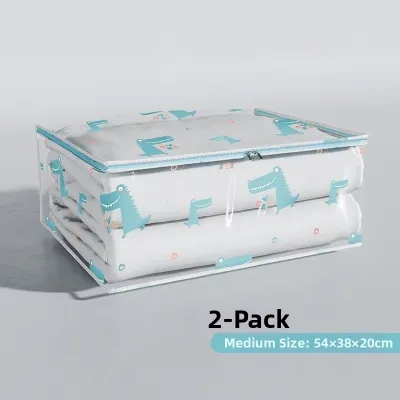
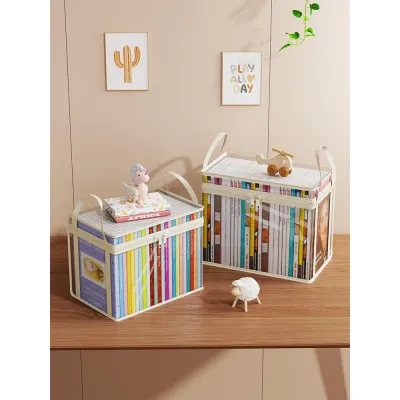
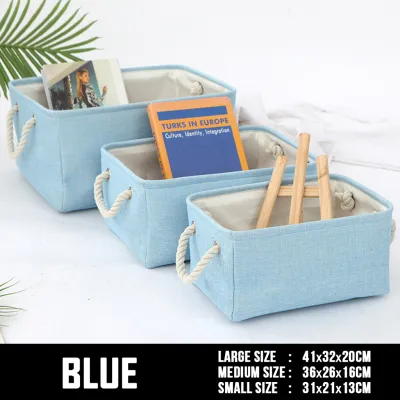
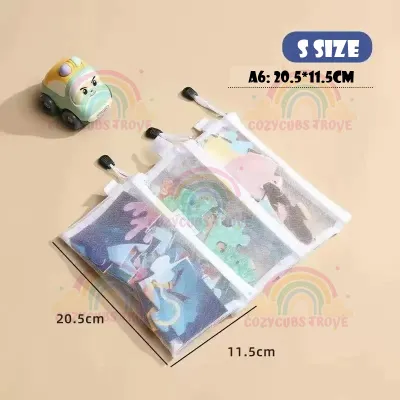
Prices are valid at publication and may change. Please refer to the product page for the latest price.
Capacity and Nursery Space Constraints
Before purchasing any storage bag, measure the designated storage zones in your nursery. If you plan to utilize open shelving units or cubbies, look for medium-sized, structured bags that fit these dimensions without overhanging. For larger, lightweight items like stuffed animals, a tall floor-standing bag can utilize corner space effectively. If floor space is limited, consider hanging storage bags that mount safely on walls or closet rods, keeping walkways clear and reducing tripping hazards.
Material Safety and Chemical Certifications
Because infants and toddlers naturally explore their environment by putting items in their mouths, the chemical composition of nursery storage is a critical safety consideration. For any bags containing plastic, vinyl, or synthetic coatings, parents must verify that the product is free from harmful chemicals. Look for explicit manufacturer labels indicating the materials are non-toxic, BPA-free, phthalate-free, and lead-free. Avoid products with strong chemical odors upon unpacking, as this can indicate off-gassing of volatile organic compounds.
Ease of Use for Parents and Toddlers
A successful storage system must accommodate two different users: the parent performing quick evening cleanups and the child seeking independent play. For parents, wide-opening bags allow for rapid, hassle-free packing. For toddlers, the closures must be simple and safe. Avoid complex buckles, stiff metal clasps, or heavy lids that could trap small fingers. Simple open-top designs, soft hook-and-loop fasteners, or lightweight zippers with large fabric pulls allow toddlers to access and put away their toys independently, supporting their cognitive and motor skill development.
Cleanability and Moisture Resistance
Nursery items frequently encounter spills, spit-up, drool, and dust. Therefore, ease of cleaning is a non-negotiable feature for any toy storage bag. Fabric bags should ideally be machine-washable on gentle cycles to remove dust mites and allergens. Synthetic or plastic bags should feature smooth, non-porous surfaces that can be quickly wiped down with a damp cloth and mild, baby-safe soap. In humid environments, choosing materials that resist moisture absorption helps maintain a hygienic play space.
Verifying Manufacturer Guidelines
Every nursery product comes with specific usage parameters designed to protect your child. Always check the manufacturer’s age recommendations, weight limits, and safety warnings before introducing a new storage bag to the nursery. A bag designed for older children may feature small parts, long cords, or heavy hardware that poses risks to infants. Defer to the official product documentation to ensure the bag aligns with your child’s current developmental stage.
Top Types of Toy Storage Bags for Nursery Organization
Different categories of toys require distinct storage environments to protect the items and make them easy to locate. Utilizing a variety of specialized storage bags allows you to categorize toys logically, making rotation and cleanup much more manageable.

Drawstring Canvas and Cotton Bags
- Best for: Plush toys, dress-up clothes, knit dolls, and soft fabric blocks.
- Pros: These bags are highly breathable, lightweight, and soft, making them completely safe to place near a crib or play area. They offer a classic, warm aesthetic that complements modern nursery decor. Many high-quality cotton canvas options are fully machine-washable, allowing you to easily wash away accumulated dust and dirt.
- Cons: They lack rigid internal structures, meaning they cannot be stacked neatly on top of one another. They are also unsuitable for storing toys with sharp corners or very small pieces, which can poke through the fabric or slip through the top closure.
- What to verify: Carefully inspect the length of the drawstring cord. Long, dangling cords present a serious strangulation hazard for young children. Verify that the bag features a safety mechanism to secure the cord, or ensure the bag is hung high out of reach of infants and toddlers. Additionally, check that the fabric weave is tight and the seams are doubly reinforced.
Clear Vinyl and Zippered Pouches
- Best for: Wooden puzzles, magnetic tiles, art supplies, small figurines, and card games.
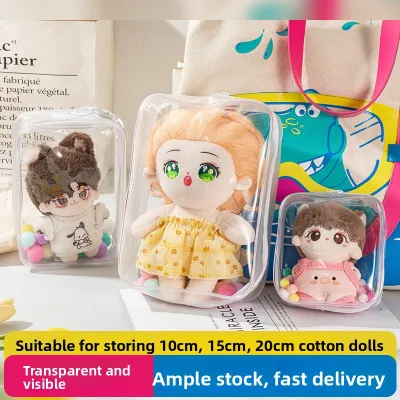
- Pros: High visibility is the primary benefit of clear vinyl pouches. Children can easily identify the exact toy set they want to play with without needing to open multiple containers or dump contents onto the floor. Their flat, rectangular shapes make them exceptionally easy to stack on closet shelves or file vertically inside deep drawers.
- Cons: Vinyl and PVC materials are completely non-breathable. If toys are put away slightly damp, these pouches will trap the moisture, creating an environment ripe for mold and mildew growth.
- What to verify: Check the quality of the zipper and the surrounding seams. The zipper should glide smoothly without catching, and the pull tab should be large and securely attached to prevent it from detaching and becoming a choking hazard. Always verify that the vinyl material is certified child-safe and free from toxic plasticizers.
Mesh Bags for Bath and Outdoor Toys
- Best for: Bath squeeze toys, water table accessories, plastic beach spades, and outdoor balls.
- Pros: Mesh bags provide outstanding airflow, allowing wet toys to drain and air-dry rapidly. This constant ventilation is essential for preventing the slimy mold and mildew buildup that commonly plagues toys used in water.
- Cons: They are impractical for general nursery storage of small or heavy dry toys, as tiny parts can easily slip through the mesh holes, and heavy items can stretch or tear the netting.
- What to verify: Examine the density of the mesh weave to ensure it is tight enough to hold your specific toys without letting them slip through. Additionally, verify the strength, durability, and safety of the mounting hardware. If the bag utilizes suction cups for bathroom tiles, ensure they are high-grade and checked regularly to prevent the bag from falling.
Play Mat Storage Bags for Building Blocks
- Best for: LEGO, Duplo, wooden train tracks, and large building block sets.
- Pros: These innovative, dual-purpose bags unfold completely flat to serve as a wide, comfortable play mat. When playtime is over, you simply pull the integrated drawstring cinch, and the mat gathers up, pulling all the scattered blocks into a neat, self-contained bag within seconds.
- Cons: When fully loaded with heavy plastic or wooden blocks, these bags can become extremely heavy and bulky to lift. They also require a substantial amount of clear floor space to spread out fully, which may not be practical in smaller rooms.
- What to verify: Measure the diameter of the mat when fully opened to ensure it fits comfortably within your nursery's open floor space. Verify that the cinch cord can be tucked away safely into a dedicated pocket once closed, preventing children from tangling themselves in the excess rope. Check that the carrying handles are heavily reinforced to support the weight of heavy toy collections.
Essential Safety and Design Features to Verify
When introducing any storage accessory into a child’s environment, safety must take precedence over aesthetics. Children are naturally curious and may attempt to use storage bags in unexpected ways, making rigorous feature verification essential.
Suffocation Prevention
Large-capacity storage bags, particularly those made of non-breathable plastics, vinyl, or heavy synthetic fabrics, present a severe suffocation hazard if a child attempts to climb inside or pulls the bag over their head. To mitigate this risk, opt for bags made of breathable natural fibers or those featuring built-in ventilation grommets. Strictly follow all manufacturer warnings regarding plastic packaging, and never place oversized, deep bags in unsupervised play areas where a toddler could crawl inside.
Closure Safety and Cord Hazards
Take a close look at how each bag closes. Zippers should feature rounded, smooth pulls, and any metal components should be covered with fabric guards to prevent pinches or scratches. Snaps should be secure but easy enough to pull apart without sudden, jerky motions. Drawstrings and long cords must be carefully managed; ensure they comply with local child safety standards regarding cord lengths. Never hang drawstring bags from crib rails, playpen posts, or low wall hooks where an infant could reach them and risk entanglement.
Durability, Hardware, and Small Parts
Inspect the overall construction quality of the bag. Look for reinforced double-stitching along the seams, handles, and strap attachment points. Frayed seams can release long, loose threads that pose a wrapping hazard around a child’s fingers or toes, or a choking hazard if swallowed. Ensure that any plastic toggle locks, metal eyelets, or decorative buttons are firmly anchored to the material. If any of these small hardware pieces detach, they can immediately become dangerous choking hazards for young children.
Actionable Inspection Routine
Do not rely solely on initial product descriptions. Upon delivery of any toy storage bag, perform a thorough physical inspection. Tug on the handles, test the zippers repeatedly, check the interior seams for loose threads, and verify the security of all hardware. Establish a routine to re-inspect these bags every few months. If you observe any structural failures, torn mesh, peeling synthetic coatings, or broken closures, remove the bag from the nursery immediately and do not attempt to use it until it is safely replaced.
Cleaning and Maintaining Toy Storage Bags
Keeping your storage bags clean is just as important as cleaning the toys inside them. Regular maintenance prevents the accumulation of dust, allergens, and mold, ensuring a healthy environment for your child.
Routine Cleaning Methods
Always consult the manufacturer’s care label before cleaning any toy storage bag. For canvas, cotton, and fabric bags, wash them on a gentle cycle with cold water and a mild, fragrance-free laundry detergent. For vinyl, PVC, and polyester bags, wipe down both the interior and exterior surfaces regularly using a clean cloth dampened with warm water and a mild, baby-safe dish soap. Avoid using harsh chemical bleach or abrasive scrubbing pads, which can degrade the material and leave harmful residues.
Thorough Drying Protocols
In Singapore’s warm, humid climate, drying is the most critical step in preventing mold and mildew growth. After washing or wiping down any storage bag, ensure it is completely dry before placing toys back inside. Hang fabric and mesh bags in a well-ventilated area, preferably in direct sunlight, which acts as a natural sanitizer. For vinyl pouches, prop them open fully in a breezy spot to ensure no moisture remains trapped in the corners or along the zipper tracks.
Inspection and Toy Rotation
Integrate bag maintenance into your regular toy rotation schedule. Every few weeks, empty each storage bag completely to shake out dust, crumbs, and debris. Take this opportunity to inspect the bag for wear and tear, and wipe down the storage shelves. Rotating toys not only keeps play fresh and engaging for your child but also ensures that storage bags are regularly aired out and checked for structural integrity.
Safety Boundaries and Disposal
If a storage bag exhibits persistent mold stains that cannot be thoroughly cleaned, or if it suffers structural damage like a broken zipper or frayed carrying strap, discard it immediately. Do not attempt to perform DIY repairs on critical safety components, such as sewing a broken strap back on with standard thread or replacing a cord lock with non-approved hardware. Standard home repairs may not withstand the daily physical stress of toy storage and could compromise your child’s safety.
Frequently Asked Questions (FAQ)
Are plastic toy storage bags safe for babies and toddlers?
Plastic toy storage bags are safe only if they are manufactured specifically for children’s products and used under proper supervision. When purchasing, you must verify that the plastic or vinyl is certified free from BPA, phthalates, lead, and other harmful chemical additives. Because large plastic bags pose a severe suffocation hazard, they must never be left within reach of unsupervised infants or toddlers. Always select smaller, structured pouches for accessible storage, and store larger plastic containers on high shelves out of reach.
How do I prevent mold in bath toy storage bags?
To prevent mold, always shake excess water off bath toys and allow them to drip-dry before placing them into the storage bag. Use high-airflow mesh bags and hang them on a clean, dry tile surface away from direct shower spray. Ensure your bathroom is well-ventilated by running an exhaust fan or opening windows after baths. Regularly wash the mesh bag itself, and wipe down the toys with a mild water-and-vinegar solution. If a mesh bag or a bath toy develops deep, persistent mold stains that cannot be cleared, discard it immediately.
What is the best way to label toy storage bags in a nursery?
For infants and pre-verbal toddlers, the most effective labeling method is using clear visual cues, such as printed photos or simple graphic icons representing the toys inside (for example, a picture of a building block or a stuffed animal). This visual approach supports cognitive development and allows young children to participate in tidying up. For parents and older children, you can use chalkboard tags, fabric markers on canvas bags, or simply utilize clear vinyl pouches that offer instant visibility of the contents without the need for external labels.

Community discussion
Share your experience or ask a question. Comments are reviewed before publication.