
Managing a nursery in a compact Singapore home requires strategic planning. With typical HDB flats and condominiums offering limited floor area, every square meter must be utilized efficiently. Stuffed toys, while comforting and beloved, quickly accumulate and can take over precious play spaces. Finding the right stuff toy storage is essential to maintain order, ensure safety, and keep the nursery environment hygienic.
The best storage solutions for small rooms prioritize vertical space, multi-functional design, and protection against the local humid climate. By shifting storage off the floor and onto walls, doors, or under-utilized corners, you can preserve open floor space for your child’s developmental activities. This guide details the most effective, space-saving storage types, installation safety, and maintenance practices tailored for Singaporean homes.
How to Choose Space-Saving Storage for Compact Rooms
When floor space is limited, traditional bulky toy boxes are often impractical. These large chests have a massive footprint, create deep, dark compartments where toys at the bottom are forgotten, and can pose safety risks like finger-trapping from heavy lids. Instead, parents should look for alternative designs that maximize vertical space and offer multi-functional utility.
Products mentioned in this guide
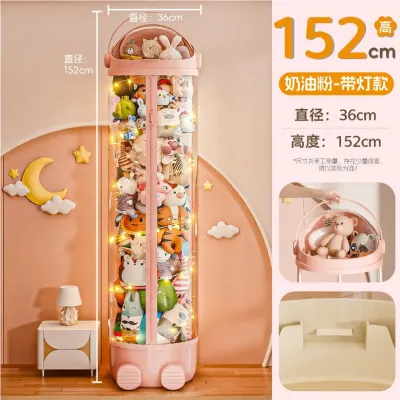
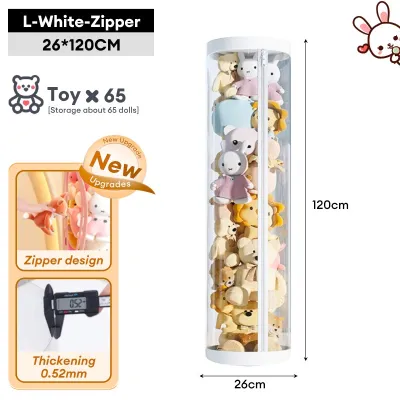
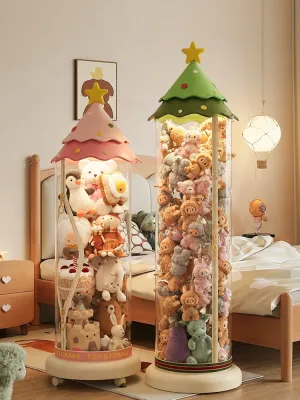
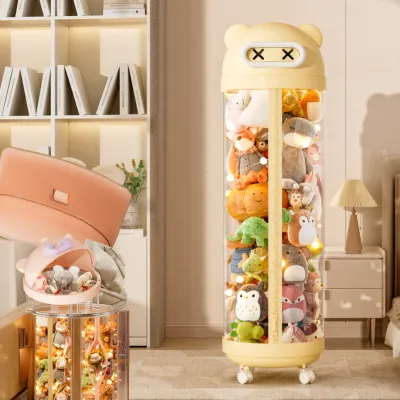
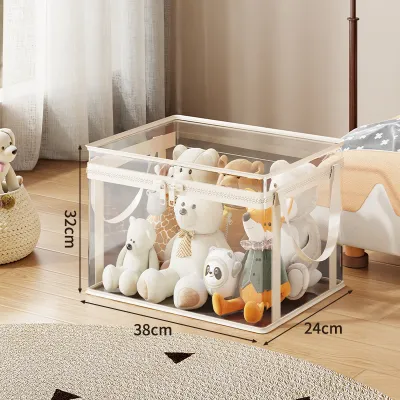
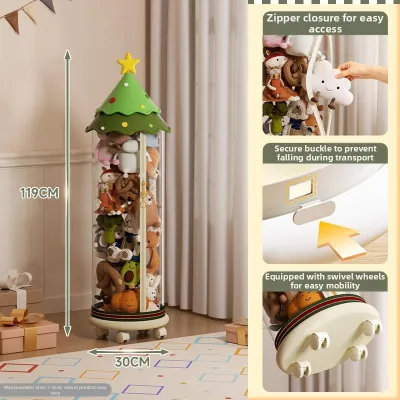
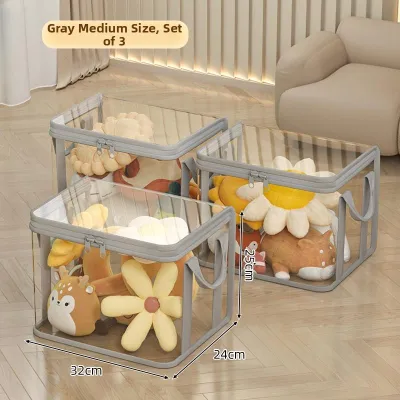
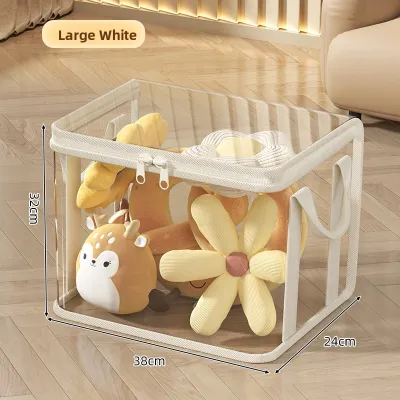
Prices are valid at publication and may change. Please refer to the product page for the latest price.
Maximizing vertical space means looking upward. Wall-mounted units, over-the-door organizers, and corner hammocks utilize areas of the room that would otherwise remain empty. Multi-functional furniture, such as storage benches or ottomans that double as seating, helps reduce the overall number of furniture pieces needed in a small room.
In Singapore’s tropical climate, dust and humidity are significant factors. Average indoor relative humidity often exceeds 70%, creating an ideal breeding ground for dust mites and mold on plush fabrics. Storage solutions must either be highly breathable to prevent moisture retention or completely airtight for long-term storage. Open storage units require frequent dusting, while closed fabric bins should ideally feature breathable canvas or mesh panels.
Before purchasing any unit, carefully assess its weight capacity and physical footprint. Ensure that the storage unit’s dimensions fit comfortably within your nursery layout without blocking doors, windows, or air-conditioning vents.
Child safety must always be your primary filter. Any floor-standing unit must have a stable base, a low center of gravity, and secure wall anchors if it exceeds a safe height. Wall-mounted units require robust installation hardware suitable for your specific wall type to prevent accidental detachment. Always verify the manufacturer’s age recommendations and weight limits before introducing any storage product into your child’s room.
Top Stuff Toy Storage Types for Small Spaces
Hanging Storage Nets and Hammocks
Hanging storage nets and hammocks are highly efficient for managing lightweight plush toys. These triangular mesh nets are suspended across corners, turning unused high-wall space into functional storage zones. By lifting toys off the floor, they keep play areas clear and prevent tripping hazards.

These nets are best suited for small to medium, lightweight plushies. Heavy or oversized toys can cause the net to sag excessively, putting strain on the mounting hooks and potentially pulling them out of the wall. Always check the manufacturer’s specified weight limit before loading the hammock.
Installation is a critical step that depends heavily on your home’s wall construction. In Singapore, HDB flats typically feature solid concrete structural walls or lightweight drywall partition walls. Mounting a net on concrete requires a masonry drill, plastic wall plugs, and screw-in hooks to ensure a secure hold. For drywall, you must use specialized toggle bolts or hollow-wall anchors. Never rely on adhesive hooks for hanging nets, as the constant downward pull will eventually cause the adhesive to fail, creating a falling hazard. Always install these nets well out of your child’s reach to prevent climbing or pulling.
Multi-Tier Rolling Carts
Multi-tier rolling utility carts offer excellent flexibility for dynamic nursery layouts. These mobile shelving units typically feature three tiers of open bins, allowing you to organize toys by size, color, or frequency of use. Their slim profile makes them easy to tuck into narrow gaps, such as the space between a wardrobe and a crib, or roll into a closet when not in use.
A major advantage of rolling carts is their mobility. You can easily wheel the entire toy collection from the nursery to the living room for playtime, and quickly roll it back for cleanup. However, this mobility also introduces safety considerations. When selecting a rolling cart, prioritize models with a low center of gravity and a wide, stable base to prevent tipping.
Look for carts equipped with sturdy, lockable caster wheels. At least two of the wheels should have reliable locks to keep the cart stationary when placed in the nursery. Teach your child that the cart is not a toy and should never be climbed on or pulled. Because rolling carts feature open bins, the toys stored inside are exposed to settling dust. This setup requires regular dusting of both the bins and the toys to maintain a clean environment. If a cart shows signs of instability or if the wheels become damaged, stop using it immediately.
Under-Bed and Multi-Functional Storage Bins
Utilizing the “dead space” beneath a crib or toddler bed is an excellent way to store stuffed toys without consuming any visible floor space. Low-profile, wheeled storage bins are designed specifically to slide smoothly under low furniture, keeping plushies organized and out of sight.
Multi-functional furniture pieces, such as storage benches, toy chests that double as stools, or ottomans with built-in compartments, serve dual purposes. They provide necessary seating or surface space while hiding a significant volume of toys inside. This dual-use approach is incredibly valuable in small Singaporean bedrooms where adding separate seating and storage units is not feasible.
When storing items close to the floor, moisture and dust management become paramount. Floor-level air is often cooler and more humid, and frequent floor mopping can introduce moisture near the base of furniture. To prevent mold, mildew, and musty odors from developing on plush toys, choose storage bins made of breathable canvas with zipper closures, or heavy-duty plastic containers with airtight seals. Placing reusable silica gel packs or activated charcoal dehumidifier bags inside the bins can help absorb excess moisture. Regularly pull out under-bed bins to clean the floor beneath and inspect the toys for any signs of dampness.
Wall-Mounted Bins and Canvas Pockets
Wall-mounted organizers, such as fabric hanging pockets or wire baskets, turn your child’s toy collection into a decorative wall display while keeping the floor completely clear. Canvas pocket organizers, which can be hung over the nursery door or mounted directly to a wall, feature multiple rows of pouches that are perfect for holding individual small-to-medium stuffed toys.
These organizers allow children to see all their toys at a glance, making it easy for them to select a favorite and put it away independently. This visibility encourages early organization habits and simplifies the clean-up process. Wire wall baskets offer a more open look and excellent ventilation, preventing moisture buildup around the toys.
Proper installation is vital to ensure these wall-hung systems remain secure. Use appropriate wall anchors matching your wall type (masonry plugs for concrete, toggle bolts for drywall). Avoid using over-the-door hooks if they interfere with the door’s closing mechanism or cause damage to the door frame. When loading canvas pockets, distribute the weight evenly. Place heavier toys in the bottom pockets and lighter ones at the top to prevent the organizer from sagging, tilting, or pulling away from the wall. Regularly check the mounting points for any signs of loosening or wear, and tighten or reinstall hardware as needed.
Quick Comparison of Storage Solutions
To help you select the most suitable option for your nursery layout, the table below summarizes the key characteristics of each storage type. Consider your room’s specific constraints, such as wall space versus floor space, and how often your child needs to access the toys.
| Storage Type | Floor Space Used | Installation Effort | Dust Protection Level | Best Use Case |
|---|---|---|---|---|
| Hanging Nets & Hammocks | Zero (Ceiling/Corner) | Moderate (Drilling required) | Low (Open mesh) | Small to medium, lightweight toys not in daily use |
| Multi-Tier Rolling Carts | Low (Mobile footprint) | Low (Simple assembly) | Low (Open bins) | Toys in daily rotation, flexible play areas |
| Under-Bed Bins & Ottomans | Zero to Low (Under-bed/Dual-use) | Low (No mounting needed) | High (With zippered/sealed lids) | Out-of-season toys, large collections, damp-prone rooms |
| Wall-Mounted Bins & Pockets | Zero (Wall/Door hung) | Moderate to High (Wall anchors) | Moderate (Pockets shield partially) | Small plushies, daily access, visual organization |
Safety and Maintenance Tips for Nursery Storage
Implementing a storage system is only the first step; maintaining safety and hygiene is crucial for a healthy nursery environment. Physical safety hazards, such as tipping furniture or falling objects, must be actively prevented.
Tipping hazards are a major risk in children’s rooms. Any tall shelving units, heavy drawers, or rolling carts must be secured. If you use standing shelves, anchor them to the wall using heavy-duty anti-tip straps. Ensure that rolling carts are never overloaded, especially on the top tiers, as this raises the center of gravity and increases the risk of tipping if a child pulls on it.
Choking and suffocation hazards must be eliminated from the nursery. Never use thin plastic bags, dry-cleaning bags, or plastic wrap to store stuffed toys. These materials can easily cling to a child’s face and cause suffocation. Regularly inspect all storage bins and the toys themselves for small, detachable parts. Check for loose plastic eyes, buttons, ribbons, or peeling seams that could present a choking hazard to infants and toddlers. If you notice any damage, repair the item immediately or remove it from the nursery.
In Singapore’s humid climate, dust mites and mold are persistent challenges. Dust mites thrive in plush fabrics and can trigger allergies or asthma in sensitive children. To manage this, wash stuffed toys periodically. Always check the manufacturer’s care label first. Most plush toys can be placed in a mesh laundry bag and washed on a gentle, warm cycle, followed by thorough drying in a well-ventilated area or a clothes dryer on low heat. Ensure toys are completely dry before placing them back into storage, as any trapped moisture will encourage mold growth. Wipe down storage bins, shelves, and carts regularly with a damp cloth and mild, child-safe soap.
Always adhere to the manufacturer’s weight limits and age recommendations for all storage products. If a storage net, pocket organizer, or cart shows signs of wear, structural sagging, or loose hardware, stop using it immediately until it can be safely repaired or replaced.
Frequently Asked Questions (FAQ)
How do I keep dust mites away from stored stuffed toys?
To minimize dust mites, wash stuffed toys regularly in warm water (at least 60°C, if the care label permits) to kill mites and remove allergens. For toys that cannot be washed in hot water, place them in a sealed plastic bag and freeze them for 24 hours, then wash on a cold, gentle cycle. For long-term storage, use airtight plastic containers with secure lids rather than open baskets. Keep the nursery well-ventilated, and consider using a dehumidifier to maintain indoor relative humidity below 50% to 60%, which naturally inhibits dust mite reproduction.
Are hanging nets safe for toddlers?
Hanging nets are safe for toddlers if they are installed correctly and positioned entirely out of the child’s reach. Mount the net high up in a corner so that a toddler standing in a crib or on a play mat cannot grab, pull, or attempt to climb it. Never install hanging nets, shelves, or any suspended storage units directly over a crib, changing table, or sleeping area to prevent injury from falling toys or structural failure. Always respect the manufacturer’s weight limits and inspect the wall anchors regularly to ensure they remain secure.

Community discussion
Share your experience or ask a question. Comments are reviewed before publication.