
Quick Guide: Which Stuffed Toy Storage Fits Your Nursery?
Selecting the right stuffed toy storage for your nursery requires balancing accessibility, room layout, and safety. Because plush toys accumulate quickly from baby showers and family gifts, having a dedicated system prevents clutter from taking over your floor space. The ideal solution depends on your child’s developmental stage and the physical constraints of your room.
For daily play and independent cleanup, floor bins and soft woven baskets are excellent choices. They allow toddlers to reach their favorite toys safely and learn to put them away. If you are dealing with a massive collection or a compact room, wall-mounted hammocks and corner nets maximize unused vertical space while keeping plushies off the floor. Open shelves and front-facing ledges work best for displaying special keepsakes or managing a toy rotation system, keeping items clean and out of reach of curious infants.
When organizing a baby’s room, safety must always be your top priority. Every storage type has distinct installation requirements, weight limits, and cleaning needs. By matching the storage method to your nursery’s layout and your child’s age, you can maintain a tidy, dust-free, and secure environment for your little one.
Products mentioned in this guide
![[SG LOCAL STOCKS] Multi-purpose Kids Cartoon Toys Storage Box Foldable Collapsible for Clothes Book Toys Able to Sit](https://img.lazcdn.com/g/p/9235a57074fa6b12b8368c399923c4dd.jpg_400x400q80.jpg_.webp)

Prices are valid at publication and may change. Please refer to the product page for the latest price.
Key Safety and Space Factors for Nursery Storage
Before choosing a storage method, you must evaluate how it fits into your nursery’s safety ecosystem. Babies and toddlers interact with their environment physically, often pulling, climbing, or leaning on furniture. Understanding these behavioral patterns helps you select storage that minimizes risks while maximizing utility.

Safety First: Anti-Tip, Choking, and Suffocation Risks
Any furniture or shelving unit taller than a toddler’s chest height poses a potential tip-over risk. Children naturally use shelves or heavy bins as climbing aids to reach a desired toy. To prevent accidents, you must secure all tall units, bookcases, and heavy storage chests to the wall. Always verify the manufacturer’s anti-tip hardware instructions and ensure the anchors used are appropriate for your wall type.
Choking hazards are another critical consideration. Inspect all storage bins, baskets, and organizers for small detachable hardware, loose decorative buttons, peeling stickers, or sharp wire frames. Avoid bins with decorative plastic eyes or small beads that could loosen over time and be swallowed by an infant.
Suffocation and entrapment risks must also be addressed, particularly with large toy chests. Traditional heavy wooden chests with free-falling lids can trap a child or fall on small hands. If you use a large toy box, ensure it features safety hinges that hold the lid open at any angle, or opt for lidless, breathable fabric designs. Ensure any plastic storage tubs have ventilation holes if they are large enough for a toddler to climb inside.
Accessibility: Height and Weight Considerations
For storage intended to be toddler-accessible, keep the height below 60 centimeters. This allows standing infants and toddlers to peer inside and retrieve toys without overreaching or losing their balance.
The weight of the storage container itself is equally important. Lightweight, soft-sided canvas or cotton rope baskets are ideal. If a child pulls a soft basket over onto themselves, the risk of injury is minimal. Conversely, heavy wooden boxes, metal wire baskets, or thick rattan bins can cause bruising or pinches if tipped over.
Space and Layout: Floor vs. Vertical Space
In typical space-constrained urban apartments, floor space is at a premium. Placing multiple large baskets on the floor can restrict play areas and create tripping hazards.
To optimize your layout, analyze the unused vertical space in your nursery. Corner walls, the back of the nursery door, and the space under the crib are often underutilized. Utilizing wall-mounted nets or over-the-door organizers keeps the floor clear for tummy time and crawling, while keeping the room looking spacious.
Material and Hygiene: Dust and Allergy Management
Stuffed toys are notorious dust catchers. In humid climates, dust mites can multiply rapidly in plush fabrics, potentially triggering infant allergies or respiratory issues. The materials you choose for your storage bins directly affect how easily you can manage dust.
Open storage systems, such as open shelves and frameless baskets, offer quick access but expose toys to settling dust. Closed storage, such as zippered fabric bins or lidded boxes, protects toys from dust but requires an extra step to open. When selecting fabric organizers, verify that they are machine-washable or made of wipeable, non-porous materials that can be sanitized regularly.
Bins, Hammocks, Shelves, and Nets: A Type-by-Type Comparison
To help you visualize the differences between the primary storage options, the table below summarizes each type across key practical dimensions.
| Storage Type | Best For | Space Required | Toddler Accessibility | Installation Needs |
|---|---|---|---|---|
| Floor Bins & Baskets | Daily-use toys, independent cleanup | Moderate floor footprint | Excellent (low height) | None (freestanding) |
| Wall Hammocks & Nets | Large collections, lightweight plushies | Zero floor footprint (uses corners) | None (kept out of reach) | Medium (wall drilling & anchors) |
| Open Shelves & Ledges | Keepsakes, toy rotation, books | Low floor footprint (wall-mounted) | Low to Medium (depends on height) | High (stud mounting required) |
| Hanging Closet/Door Bins | Small toys, hidden storage, small rooms | Zero floor footprint (uses doors/closets) | Low (upper pockets out of reach) | Low (over-door hooks or closet rod) |
Floor Bins, Baskets, and Cubby Inserts
Floor-level bins and baskets are the most common solutions for everyday toy storage. They are highly intuitive for young children, making them the best tool for teaching early tidying skills.
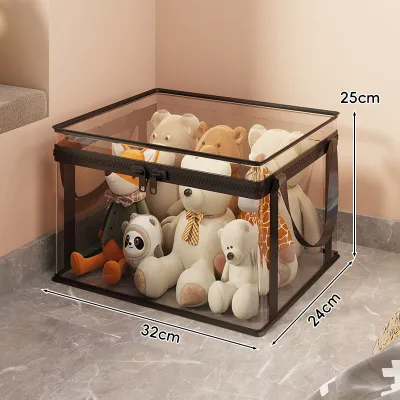
- Canvas Bins: These are lightweight, collapsible, and feature soft edges. They are highly safe for nurseries because they pose no bruising risk if a child falls against them. Many canvas bins come with handles, making them easy for parents to carry from room to room. However, they can lose their shape over time if overloaded with heavy items.
- Woven Cotton Rope Baskets: These offer a softer, more aesthetic look than canvas. They are durable, machine-washable, and naturally flexible. Because they lack sharp corners or rigid wire frames, they are completely safe for crawling babies. The main drawback is that open-top designs allow dust to settle on the toys inside.
- Plastic Tubs: While less visually warm than fabric, plastic tubs are incredibly durable and easy to sanitize with baby-safe wipes. They are ideal for high-humidity environments where fabric might mildew. To ensure safety, select plastic tubs with smooth, rounded edges and integrated, non-pinch handles. Avoid heavy, brittle plastics that can crack and create sharp shards.
- Cubby Inserts: Placing fabric or plastic bins into modular cubby shelves keeps toys organized by category. This structure prevents the "bottomless pit" effect where small toys are lost at the bottom of a giant basket. Ensure the cubby frame itself is low to the ground and securely anchored to the wall.
Wall-Mounted Hammocks and Corner Nets
Wall-mounted hammocks and corner nets are popular for managing large collections of lightweight plush toys. They utilize the high corner spaces of a room that are otherwise left empty.
- Space Efficiency: By lifting toys off the floor, hammocks preserve valuable play space. They are excellent for displaying a large number of colorful plushies, turning the toys themselves into wall decor.
- Installation Requirements: Proper installation is critical. You must secure the mounting hooks into wall studs or use heavy-duty toggle bolts designed for your specific wall material (such as drywall or concrete plaster). Never rely on adhesive hooks, as the weight of multiple stuffed toys combined with humidity will cause adhesive to fail over time.
- Safety Considerations: Hammocks must be installed high enough that a standing toddler cannot reach or pull on them. If a child attempts to climb the net or pull it down, they risk pulling the hooks out of the wall or causing the toys to fall on them. Always adhere strictly to the manufacturer's weight limits and inspect the tension of the net regularly.
Open Shelves, Ledges, and Bookcases
Shelving units offer a structured, visually clean way to organize and display stuffed toys, particularly those that are sentimental or part of a collection.
- Floating Shelves & Ledges: Front-facing ledges (often used for books) are perfect for displaying a few select stuffed toys. This setup keeps toys clean and allows you to practice toy rotation—keeping only three or four toys accessible to your baby while storing the rest out of sight. This prevents sensory overload and keeps play sessions engaging.
- Traditional Bookcases: Low bookcases can hold baskets on the bottom shelves and decorative items on top. However, the absolute rule for any bookcase in a nursery is secure wall anchoring. Children will attempt to use shelves as steps to reach items on top.
- Dust and Maintenance: Open shelves require regular dusting. If your child has sensitive airways or dust allergies, open shelving may not be the best choice for storing toys they sleep with daily.
Hanging Closet Organizers and Over-the-Door Bins
Hanging organizers utilize the vertical space inside closets or on the back of the nursery door, keeping stuffed toys organized but out of sight.
- Closet Hanging Shelves: These fabric shelves attach directly to the closet rod via hook-and-loop straps. They are excellent for categorizing toys by size or type. Because they are enclosed within the closet, they protect toys from dust.
- Over-the-Door Pocket Organizers: These feature clear plastic or mesh pockets that hang over the top of the door. They allow you to see exactly where each toy is without opening multiple bins.
- Safety Checks: Ensure the over-the-door hooks do not interfere with the door closing properly or rub against the frame, which could create wood shavings or pinch hazards. Verify that the door hinges can support the added weight of the organizer and toys, and ensure the bottom of the organizer is secured to the door so it does not swing wildly when the door is opened.
Matching Storage Types to Your Nursery Size and Child's Age
To create an efficient nursery, you must tailor your storage choices to the physical dimensions of the room and your child’s current developmental stage.
Small Nurseries: Maximizing Every Centimeter
In a compact nursery, floor space is your most valuable asset. Your goal should be to keep the floor as clear as possible to allow room for movement.
- Under-Crib Storage: Utilize shallow, rolling plastic bins or zippered fabric bags designed to fit under the crib. Choose models with dust covers or zippers to protect plushies from floor dust and lint.
- Vertical Integration: Combine an over-the-door pocket organizer for small plushies with a high corner hammock for larger, lighter toys. This keeps the entire collection off the floor while utilizing space that would otherwise go to waste.
Large Nurseries: Zoning and Modular Setup
If space is not a constraint, you can use storage to define different functional areas within the room, creating a more structured environment.
- Play Zones: Place a low, modular cubby unit along one wall to define the active play area. Use color-coded fabric bins to help your child associate specific bins with specific types of toys.
- Reading Corners: Position a comfortable chair next to a low bookcase or a soft cotton rope basket filled with cozy plush companions, creating a quiet space for wind-down time before naps.
Age Transitions: Adapting as Your Child Grows
Your storage needs will evolve rapidly during your child’s first few years. Designing a system that transitions with them saves money and effort.
- Infancy (0 to 12 Months): At this stage, storage is entirely parent-managed. Prioritize hygiene and safety. Keep toys in closed closet organizers or on high floating shelves to protect them from dust. Focus on keeping only a few washable toys within reach on the floor.
- Toddlerhood (12 to 36 Months): Toddlers are developing independence and motor skills. Transition to low, open floor baskets and accessible cubby inserts. Use soft-sided containers so the child can safely explore and practice putting toys back. Implement toy rotation to keep the accessible selection manageable.
- Preschool Years (3 Years and Older): Children can now follow simple categorization rules. You can introduce deeper bins, wall-mounted hammocks (with supervision for reaching), and labeled storage drawers. This is the stage where children can actively participate in organizing their collections.
Essential Safety Checks and Cleaning Routines
No matter which storage system you choose, maintaining it through regular safety inspections and cleaning routines is vital for a healthy nursery environment.
Anchoring and Stability Verification
Regularly test the stability of all freestanding furniture and wall-mounted shelves. For concrete or brick walls, ensure you have used appropriate masonry wall plugs. For drywall, verify that brackets are anchored directly into wooden studs or secured with heavy-duty toggle bolts.
Physically shake shelves and cubby units slightly to ensure there is no looseness in the wall connections. If a unit wobbles, tighten the hardware immediately or reinstall the anchoring system.
Hardware and Hook Inspections
Perform a monthly check on all mounting hardware. Inspect wall hooks holding toy hammocks to ensure they are not bending or pulling away from the wall. Check over-the-door hooks for wear, and inspect the seams of hanging fabric organizers to ensure they are not tearing under weight. Tighten any loose screws on shelf brackets or cubby joints.
Hygiene and Dust Control Routines
Establish a consistent cleaning schedule to manage dust and allergens on both the storage units and the toys themselves.
- Fabric Baskets and Canvas Bins: Vacuum the interiors monthly using a brush attachment to remove dust and lint. For washable fabric bins, wash them on a gentle cycle with baby-safe, fragrance-free detergent, and ensure they are completely dry before returning toys to them to prevent mold.
- Plastic and Wooden Storage: Wipe down surfaces weekly using a damp cloth and a mild, baby-safe sanitizing solution. Avoid harsh chemical cleaners that leave strong odors or residues.
- Plush Toy Maintenance: Regularly wash machine-safe stuffed toys. For delicate plushies, vacuum them gently with a HEPA-filter vacuum cleaner or tumble them in a dryer on a no-heat air-fluff cycle to remove loose dust.
When to Stop Using a Storage Item
Inspect your storage organizers regularly for signs of wear that could compromise safety. You must stop using a storage item immediately if you observe any of the following conditions:
- Fraying, tearing, or loose seams on wall-mounted nets, hammocks, or hanging fabric organizers.
- Cracked plastic bins with sharp edges or splintering wood/rattan baskets.
- Loose wall anchors, sagging shelves, or unstable furniture frames.
- Stripped screws or bent mounting hooks that cannot be securely tightened.
If a high-quality storage unit becomes unstable or damaged, consult the manufacturer’s documentation for approved replacement parts or contact a qualified professional to repair the mounting before allowing your child near it.
Frequently Asked Questions (FAQ)
How do I keep stuffed toys dust-free in a nursery?
To keep stuffed toys dust-free, store them in closed containers such as zippered canvas storage chests, lidded boxes, or inside closed closet organizers. Avoid displaying large collections on open shelves for extended periods. For toys that are used daily, run them through a gentle vacuuming routine using a HEPA-filter vacuum brush, wash machine-safe toys periodically, and consider running an air purifier in the nursery to minimize airborne dust particles.
Are toy hammocks safe for toddlers?
Toy hammocks are safe only when installed strictly out of reach of children. They must be mounted high up on the wall using secure screw-in hooks anchored into wall studs or proper wall plugs—never adhesive hooks. If installed too low, toddlers may attempt to pull on the net or climb it, creating a severe falling object or entrapment hazard. If your child shows climbing tendencies or if the hammock cannot be mounted completely out of reach, stop using it and transition to low floor bins.

Community discussion
Share your experience or ask a question. Comments are reviewed before publication.