
Selecting a step stool for a toddler to reach the bathroom sink requires finding a model that prioritizes physical stability, matches the specific height of your home’s vanity, and fits securely on your bathroom floor. Because bathrooms are naturally humid and prone to wet floors, a safe stool must feature robust non-slip grip mechanisms on the base and a highly textured stepping surface to prevent slips. Rather than looking for a single universal solution, parents should select a stool based on their child’s current height, the height of their sink, and the specific layout of their bathroom.
The transition to independent handwashing is a major milestone in your toddler’s potty training journey. To make this transition smooth and safe, finding the right step stool to reach the bathroom sink is essential. A dedicated toddler step stool bridges this physical gap, allowing your child to wash their hands without straining, leaning excessively, or requiring you to hold them up. By choosing a stool with the right combination of height, stability, and material, you can foster your child’s confidence while maintaining peace of mind.
When selecting a step stool, parents must evaluate several factors beyond simple aesthetics. The bathroom is a high-moisture environment where wet floors and slippery surfaces are common. Therefore, a suitable stool is one that remains firmly anchored to the floor, supports your child’s weight evenly, and is easy to clean. This guide will help you navigate the essential safety features, height measurements, material choices, and training tips to select the right step stool for your toddler.
Products mentioned in this guide
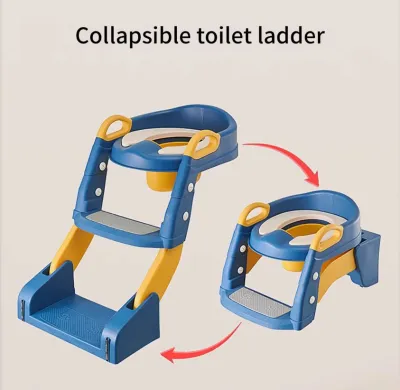
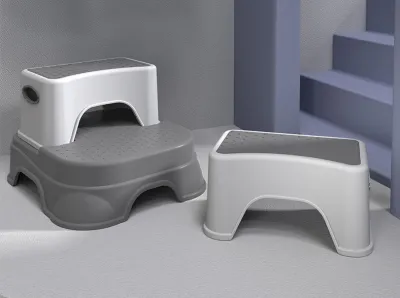
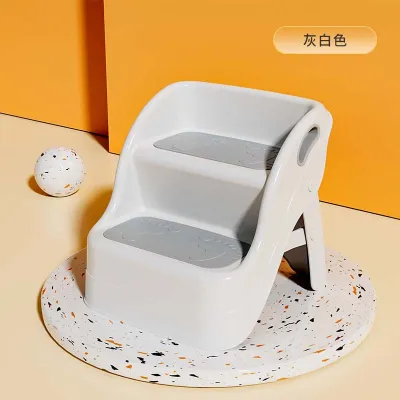
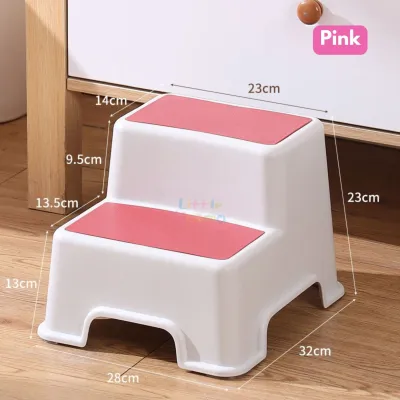
Prices are valid at publication and may change. Please refer to the product page for the latest price.
Key Safety and Stability Features to Look For
The primary concern when choosing any toddler step stool is physical stability. Because toddlers are still developing their balance and coordination, they often shift their weight unpredictably when reaching for soap or turning on the tap. A stool with a narrow base or inadequate grip can easily tip over or slide across wet bathroom tiles, leading to falls.
To prevent slipping on wet bathroom floors, look closely at the base of the step stool. High-quality models feature robust rubberized feet, non-slip pads, or integrated suction cups along the entire bottom edge. These grip mechanisms create friction against smooth surfaces like ceramic tiles or polished stone, ensuring the stool stays in place even when the floor is damp. Avoid stools with bare plastic or smooth wooden bases, as these can easily slide when your child climbs onto them.
The stepping surface itself requires equal attention. Toddlers often use the bathroom barefoot or wearing socks, both of which can slip easily on smooth surfaces. Look for stools with a heavily textured top surface, such as raised rubber dots, molded ridges, or a complete non-slip grip mat bonded to the step. This texture provides the necessary traction for small feet, helping your child maintain their footing even if water splashes out of the sink onto the stool.
Another critical factor is the stool’s footprint and overall base width. A wider base provides a lower center of gravity, which significantly minimizes the risk of the stool tipping sideways when your child stands near the edge. Look for designs where the base is wider than the top step, creating a slightly flared or pyramidal shape. This structural design distributes your child’s weight more evenly across the floor, preventing the stool from flipping if they step too close to the outer perimeter.
Finally, consider the weight of the stool itself in relation to its stability. While lightweight stools are easier for toddlers to move independently, they must still possess enough structural heft to remain grounded during use. A well-balanced stool strikes a compromise, utilizing lightweight materials like reinforced plastic but incorporating wide, sturdy walls and heavy-duty rubber grips to ensure it does not slide or tip under active movement.
Matching the Stool Height to Your Bathroom Sink
Selecting the correct stool height is a balancing act between your child’s current physical reach and the height of your bathroom vanity. If the stool is too low, your child will still struggle to reach the water stream, leading to dangerous leaning or stretching. If the stool is too high, it can position your child’s center of gravity too far above the sink edge, increasing the risk of falling forward into the basin.

To find the right fit, start by measuring the distance from your bathroom floor to the top edge of the sink basin, as well as the distance to the faucet handles. Next, measure your toddler’s height from the floor to their mid-chest level. The step stool should elevate your child so that the sink edge aligns roughly with their waist or lower chest. This positioning allows them to reach the running water and soap dispenser comfortably with their elbows bent, without having to stand on their tiptoes or strain their shoulders.
For younger toddlers or higher vanities, a multi-step or dual-height stool is often a practical choice. These models typically feature two steps, allowing your child to climb up incrementally and stand at a higher elevation. Dual-height stools are particularly useful in bathrooms with deep countertops, where the faucet is set further back from the edge. The lower step also acts as a helpful platform for climbing up and down safely.
If you are looking for long-term value, adjustable step stools or convertible learning towers are excellent options. These designs allow you to modify the platform height as your child grows, ensuring the stool remains useful throughout their preschool years. While adjustable models may require a slightly higher initial investment, they eliminate the need to purchase multiple stools of different heights as your toddler experiences rapid growth spurts.
Keep in mind that your child’s arm reach is just as important as their height. Even if their feet are elevated, they must be able to reach the faucet handles to turn the water on and off independently. If your bathroom has a particularly deep vanity, you may need to pair your step stool with a faucet extender—a simple, affordable attachment that channels the water flow closer to the front edge of the sink.
Material, Cleaning, and Bathroom Environment Considerations
The bathroom environment presents unique challenges for household furniture, primarily due to high humidity, steam, and frequent water splashes. The materials you choose for your toddler’s step stool will directly impact its durability, hygiene, and ease of maintenance over time.
Molded plastic is one of the most popular materials for toddler step stools, and for good reason. High-quality, BPA-free plastic is completely impervious to water, making it highly resistant to mold, mildew, and warping. Plastic stools are also incredibly lightweight, allowing your toddler to carry them from the toilet to the sink independently. When choosing plastic, look for solid, thick-walled construction that does not flex or bend under your child’s weight.
Treated wood is another common option, offering a classic aesthetic that blends seamlessly with modern home decor. If you prefer a wooden step stool, ensure it is treated with a non-toxic, water-resistant sealant or paint. Untreated wood can quickly absorb moisture in a humid bathroom, leading to swelling, cracking, and the growth of harmful mold. Wooden stools are generally heavier than plastic ones, which provides excellent stability but may limit your child’s ability to move the stool without help.
In Singapore’s humid tropical climate, bathrooms often retain moisture, making mold resistance a key priority. A stool that can be quickly wiped down with a damp cloth and mild disinfectant will save you time and maintain a hygienic environment for your family. Look for step stools with seamless designs and smooth, rounded edges. Intricate designs, deep crevices, and hollow undersides can easily trap water, soap residue, and dirt, creating breeding grounds for bacteria and mold.
For compact bathroom layouts common in Singapore apartments, a folding or space-saving design can help keep the floor clear without compromising on stability. Folding step stools can be collapsed and tucked away behind the door or beside the vanity when not in use. However, if you choose a folding model, verify that it features secure locking mechanisms that prevent it from collapsing accidentally while your child is standing on it.
Building Your Shortlist: What to Check Before and After Buying
Before making a final purchase, it is crucial to verify the technical specifications and safety standards of the step stool you are considering. Do not rely solely on product marketing or attractive designs; instead, look for concrete indicators of quality and safety.
First, examine the manufacturer’s label for explicit age recommendations and maximum weight capacities. Most toddler step stools are rated for children aged 18 months and older, with weight limits ranging from 20 kg to over 50 kg. Ensure the stool you select can easily support your child’s current weight with plenty of room for growth. Operating well within the manufacturer’s specified weight limit is essential for maintaining structural integrity and preventing sudden failures.
Next, look for recognized safety certification marks on the packaging or product documentation. While specific standards vary by region, certifications from established testing bodies indicate that the product has undergone rigorous testing for structural strength, material safety, and stability. Avoid purchasing unbranded or generic stools from online marketplaces that do not provide clear safety certifications or manufacturer contact information.
Once you have purchased a step stool, perform a thorough home inspection before allowing your toddler to use it. Place the stool on your bathroom floor and check for any wobbling or unevenness. Bathroom tiles are not always perfectly flat, and even a high-quality stool can wobble if placed over a wide grout line or an uneven tile edge. Adjust the placement of the stool to find the most stable position.
Finally, conduct a supervised test run with your child. Stand close by as your toddler climbs onto the stool for the first time. Observe how the stool behaves under their weight—does it slide when they step up? Does it tilt when they lean forward to reach the water? If you notice any movement or instability, discontinue use immediately and consider adding additional non-slip pads or exchanging the stool for a model with a wider base.
Guiding Your Toddler Toward Independent Handwashing
Introducing a step stool is not just about physical access; it is also about teaching your child how to use this new tool safely. Establishing clear rules and routines from the very beginning will help prevent accidents and build healthy hygiene habits.
Start by teaching your toddler the correct way to climb up and down. Emphasize that they should always face the sink when climbing up and use both feet to stand firmly in the center of the platform. Instruct them never to jump off the stool or stand on their tiptoes near the edge. During the initial learning phase, maintain close adult supervision and stand within arm’s reach to provide physical support if your child loses their balance.
Teach your child how to position the stool correctly before stepping up. The stool should always be placed flush against the bathroom vanity or sink cabinet. This eliminates any gaps between the stool and the counter, preventing your child from slipping forward or dropping items into the space behind the stool. If the stool is lightweight enough for your toddler to move, show them how to lift it using both hands rather than dragging it across the floor, which can damage the non-slip rubber feet.
As your child grows, regularly assess whether the step stool is still appropriate for their needs. Signs that your toddler has outgrown their stool include their knees bending at an uncomfortable angle when standing, having to lean backward to avoid the sink edge, or approaching the manufacturer’s maximum weight limit. When these signs appear, it is time to transition to a lower stool or remove the stool entirely once they can reach the sink safely from the floor.
Frequently Asked Questions (FAQ)
Can a regular household step stool be used for toddlers?
Standard household step stools designed for adults are generally not suitable for toddlers. Adult stools often lack the specific safety features required for young children, such as wide, flared bases to prevent tipping, low step heights, and highly textured, slip-resistant surfaces. Furthermore, adult stools are often taller and have a higher center of gravity, making a fall much more dangerous for a small child. It is always safest to use a product that has been explicitly designed, tested, and labeled for toddler use.
At what age or developmental stage should a toddler start using a step stool?
Most toddlers are ready to begin using a step stool between 18 months and 2 years of age, though readiness depends more on physical milestones than chronological age. Your child should be able to walk steadily without assistance, climb low steps or stairs confidently, and stand upright without losing their balance. This physical readiness often aligns with the start of potty training, when establishing a regular handwashing routine becomes an essential part of their daily schedule. Always supervise your child closely during their first few months of using a stool.

Community discussion
Share your experience or ask a question. Comments are reviewed before publication.