
Preparing fresh, nutrient-dense meals for your infant is a rewarding milestone, but choosing the right baby puree maker depends heavily on how the appliance balances steaming and blending. The market does not offer a single, universally superior brand; instead, the ideal choice is determined by whether you prioritize hands-off convenience or batch-cooking capacity.
For parents seeking a seamless, hands-free experience, brands that feature fully automatic, single-jar steam-to-blend cycles are highly effective. These appliances transition from steaming to blending without requiring you to open the jar or transfer hot food, making them ideal for multitasking. Conversely, brands utilizing manual flip-or-transfer mechanisms are better suited for caregivers who want precise control over texture, prefer to check food tenderness mid-cycle, or plan to prepare larger batches.
Because manufacturers frequently sell both automatic and manual models under the same product line, it is essential to verify the exact mechanical cycle of the specific model you are considering. Understanding these mechanical variations will help you select an appliance that aligns with your daily kitchen routine and meal-preparation style.
Products mentioned in this guide
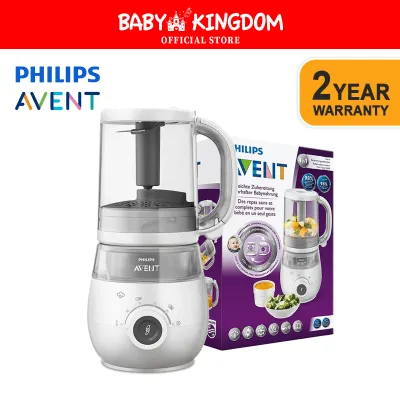
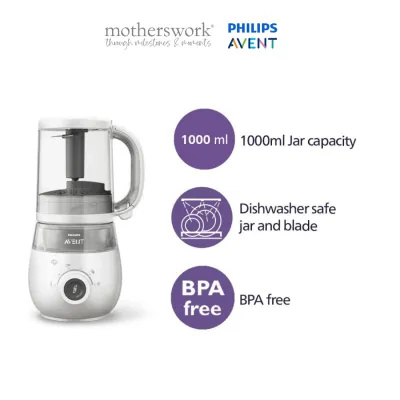
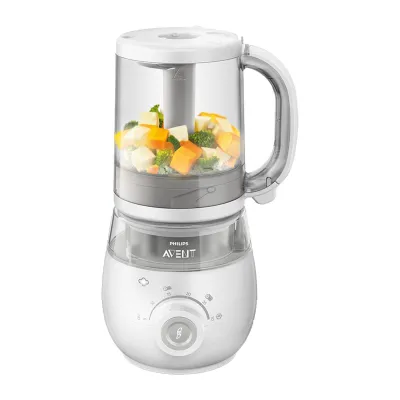
![[NEWLY UPGRADED] TOYOMI NourishMix All-In-One Baby Food Maker BBF 7003](https://img.lazcdn.com/g/p/71065d29f0e3e108344a7919d97f50dc.png_400x400q80.png_.webp)
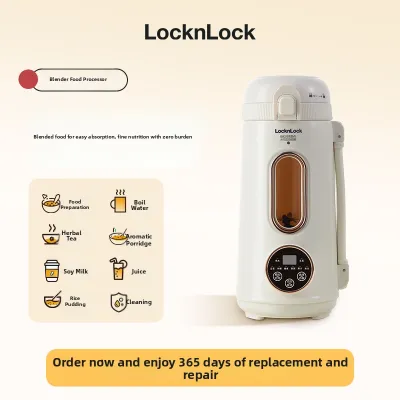
Prices are valid at publication and may change. Please refer to the product page for the latest price.
Core Dimensions for Comparing Baby Puree Maker Functions
When evaluating different brands, looking beyond basic motor power is essential for finding an appliance that genuinely simplifies meal preparation. The integration of steaming and blending introduces specific design challenges that affect food texture, safety, and daily usability. Reviewing these core engineering dimensions will help you make an informed decision.
Cycle Transition Mechanism
The method an appliance uses to transition from steaming to blending dictates how much active supervision is required. Fully automatic models handle the transition internally by draining excess water and initiating the blades based on a pre-programmed timer. Manual flip models require you to physically lift the steaming basket, flip it upside down, and lock it back into the base to start blending. Transfer systems require pouring hot, steamed ingredients from a steaming chamber into a separate blending jug, which introduces more contact with hot surfaces and increases clean-up time.
Steam Efficiency and Water Management
Steam condensation plays a critical role in both food hygiene and puree consistency. High-quality designs feature dedicated pathways to channel condensed steam water away from the food, preventing dirty water from mixing back into the ingredients. Some advanced models include a water collection reservoir, allowing you to manually decide how much of the nutrient-rich cooking liquid to reintegrate during the blending phase. When comparing models, examine the water tank accessibility, as a sealed or narrow tank is significantly harder to clean and descaled over time.
Blending Texture Control
Infant feeding requirements change rapidly during the first year of life, moving from ultra-smooth purees to textured, chunky mash. A high-performing appliance must offer variable blending options to accommodate these developmental stages. Look for models that provide a manual pulse function or multiple speed settings rather than a single continuous speed. This control allows you to monitor the consistency of the food and prevent over-processing, which can turn fibrous vegetables into a gluey texture.
Capacity vs. Kitchen Footprint
There is a direct trade-off between the volume of food an appliance can process and the space it occupies on your kitchen counter. While a larger jar allows you to prepare and freeze multiple portions at once, it also requires a bulkier motor base and more storage space. Additionally, the maximum blending capacity of a jar is often smaller than its steaming capacity. If you plan to batch-cook, look for systems designed with stackable steaming trays that maximize vertical space without expanding the appliance’s physical footprint.
How Different Brands Execute the Steam-and-Blend Cycle
While many manufacturers market their products under the broad category of “steam and blend,” the physical execution of these functions varies significantly across the industry. Understanding these structural categories allows you to match the appliance’s design to your household’s cooking habits.

Fully Automatic Auto-Cycle Models
Fully automatic models are engineered for ultimate convenience, allowing you to place raw ingredients into the jar, select a program, and walk away. The appliance heats the water, steams the food to tenderness, drains the excess condensation through an internal valve system, and immediately engages the blending blades. This continuous cycle eliminates the need to monitor the kitchen, making it highly valuable for busy caregivers.
However, this automated convenience comes with specific trade-offs. Because the steam drainage and blending occur within a single, sealed system, these models often feature complex internal valves and silicone seals that require meticulous cleaning to prevent food residue buildup. Additionally, their single-jar design typically limits their capacity to smaller, single-serve portions, meaning they are less suited for preparing large batches of food for freezing.
Manual Flip-or-Transfer Models
Manual flip-or-transfer designs require physical intervention between the steaming and blending phases, but they offer exceptional reliability and control. In a typical flip model, you steam the ingredients in a basket, and once the timer bell rings, you lift the jar, flip it upside down, and lock it back onto the motor base to engage the blades. Transfer models require you to pour the steamed ingredients directly into a separate blending jug.
These designs are highly favored by parents who prefer a hands-on approach to cooking. Because you must handle the food between cycles, you can easily test the tenderness of the ingredients with a fork before blending, ensuring everything is perfectly cooked. These appliances generally feature simpler mechanical parts, making them easier to wash, less prone to mechanical failure, and typically more budget-friendly than their fully automatic counterparts.
Large-Capacity Multi-Jar Systems
Multi-jar systems separate the steaming and blending actions into distinct, side-by-side compartments on a single power base. These units often resemble a miniature food processor paired with a multi-tiered food steamer. You can steam vegetables, fruits, or meats in stackable baskets on one side of the machine while simultaneously blending a finished batch of food on the other side.
This configuration is the gold standard for batch-cooking and preparing meals for multiple children. It allows you to process large volumes of diverse ingredients without waiting for a single jar to cool down between batches. The primary drawback of these systems is their substantial physical size, which can overwhelm limited counter space in compact kitchens. They also consist of numerous separate parts, including multiple baskets, lids, and blades, which increases the overall dishwashing load.
Decision Framework: Matching the Appliance to Your Routine
Selecting the right appliance requires analyzing your daily schedule, storage space, and meal-prep preferences. Use the following scenarios to identify which design category fits your lifestyle.
Choose a Fully Automatic Auto-Cycle Model if:
- You have limited time to monitor the kitchen and need an appliance that operates safely while you attend to your baby in another room.
- You prefer to prepare fresh, single-portion meals immediately before feeding rather than freezing large quantities.
- You want to minimize the physical handling of hot steam baskets and boiling liquids during preparation.
Choose a Manual Flip-or-Transfer Model if:
- You want complete control over the final texture of the food and prefer to manually adjust the blending time based on visual feedback.
- You are looking for a highly durable, mechanically straightforward appliance with fewer internal parts that could require maintenance.
- You want an affordable, space-saving option that fits easily inside standard kitchen cabinets when not in use.
Choose a Large-Capacity Multi-Jar System if:
- You prefer to dedicate one afternoon a week to batch-cooking and freezing a large inventory of baby meals.
- You have ample kitchen counter space and do not mind washing multiple components after a cooking session.
- You plan to use the appliance's steaming function for broader family meal preparation, such as steaming eggs, fish, or side vegetables.
Essential Verification Steps Before Purchase
Before finalizing your purchase, particularly if you are buying a second-hand unit or an older model, verify the availability of replacement parts on the manufacturer’s official website. Over time, silicone sealing rings will wear out, and blending blades will dull; being unable to source official replacements can render the entire appliance unusable.
Additionally, check the manufacturer’s product documentation to confirm that all plastic components that come into contact with food are certified free of bisphenol A (BPA) and phthalates. In humid climates like Singapore, kitchen appliances are highly susceptible to mold; ensure the water tank is fully accessible for physical scrubbing and is not a sealed, inaccessible chamber.
Safety, Cleaning, and Maintenance Boundaries
To ensure the longevity of your appliance and protect your baby’s health, consistent maintenance is required. Because these machines combine water heating and food processing, they are susceptible to both mineral buildup and bacterial growth if neglected.
Descaling and Water Tank Care
Heating tap water in the appliance’s steam generator inevitably leads to mineral scale buildup. Over time, this scale insulates the heating element, reducing steam efficiency and potentially causing the machine to shut down prematurely before the food is fully cooked. You must regularly descale the water tank using the manufacturer’s approved descaling agent or a mild food-grade citric acid solution. Avoid using harsh industrial chemical descalers, as residues can contaminate subsequent steam cycles and pose a health risk to your infant.
Blade and Seal Inspection
Silicone sealing rings are critical for preventing hot liquids from leaking into the motor base, but they are also prime locations for mold growth and food debris accumulation. Remove and wash these seals after every use, allowing them to air dry completely before reassembly. Inspect the blending blades regularly for physical wear or micro-cracks. If you notice any degradation of the plastic blade housing or a loosening of the seal, stop using the appliance immediately and order an official replacement part from the manufacturer.
Safe Handling and Operation
Steam-and-blend appliances generate high-temperature steam that can cause severe burns if handled incorrectly. Always use the manufacturer-provided spatulas, tongs, or insulated handles when removing hot steaming baskets from the jar. Never attempt to bypass the safety lock mechanisms on the lid or jar base, and always ensure the appliance is completely unplugged and cooled to room temperature before attempting to disassemble the blade assembly for deep cleaning.
Frequently Asked Questions (FAQ)
Can I use a regular food steamer and blender instead of a dedicated baby puree maker?
Yes, you can easily prepare baby food using standard kitchen appliances. However, standard household blenders are typically designed with large jars that require a minimum volume of ingredients to blend effectively. A dedicated baby puree maker is specifically engineered to steam and blend very small, single-serve portions, and its specialized blade geometry ensures a completely smooth, lump-free consistency that standard blenders often struggle to achieve without the addition of excess liquid.
How do I prevent the puree from becoming too watery when using the steam-and-blend function?
To prevent runny purees, lift the steaming basket out of the jar and discard the accumulated condensation water from the bottom of the bowl before you begin blending. You can then gradually add small amounts of this nutrient-rich cooking liquid back into the jar during the blending process until you reach your desired consistency. Additionally, incorporating naturally starchy ingredients, such as sweet potatoes or pumpkin, helps absorb excess moisture and creates a thicker texture.
Are the plastic components in steam-and-blend puree makers safe for heating?
Reputable baby food appliance brands construct their steaming jars and baskets from high-quality, food-grade plastics designed to withstand high temperatures without degrading. Always verify that the product packaging explicitly states the materials are certified BPA-free and phthalate-free. To maintain the structural integrity of these plastics, avoid using abrasive scrubbing pads that can create micro-scratches, and replace any plastic jars that become deeply scratched, discolored, or warped over time.

Community discussion
Share your experience or ask a question. Comments are reviewed before publication.