
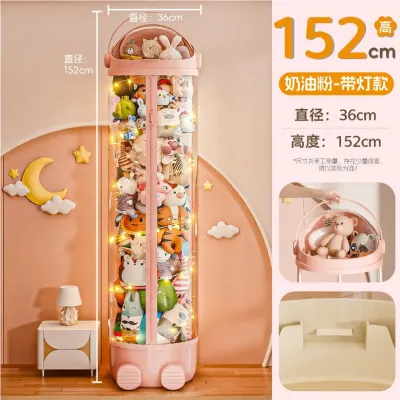
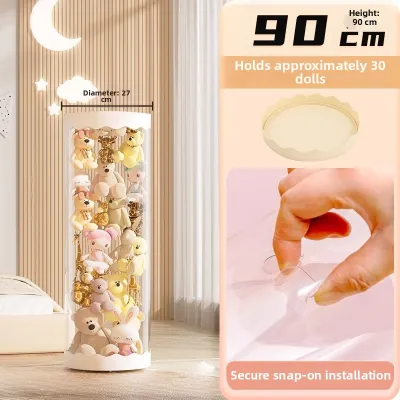
Finding the best soft toy organizer for a small Singapore nursery requires shifting your focus from floor-based bins to underutilized vertical and hidden spaces. The most effective solutions for compact rooms include corner toy hammocks, over-the-door mesh bags, collapsible fabric bins, and low-profile under-crib storage drawers. By elevating your storage and utilizing the existing footprint of your furniture, you can keep your child’s favorite plush toys organized, clean, and completely off the floor.
Choosing the right setup involves balancing space efficiency with strict safety standards, especially regarding secure wall installation and safe sleep guidelines. Selecting breathable materials that withstand local climate conditions ensures your child’s environment remains healthy and clutter-free.
The Challenge of Organizing Compact Nurseries
Singapore home layouts, particularly modern HDB flats and compact private condominiums, often feature bedrooms with highly constrained floor plans. When you introduce essential furniture like a baby crib, a changing table, and a wardrobe, floor space disappears rapidly. In these tight quarters, keeping the floor clear is not just about visual neatness; it is a critical safety measure.
Products mentioned in this guide
Prices are valid at publication and may change. Please refer to the product page for the latest price.
Tripping hazards are a major concern during late-night feeding sessions or diaper changes. A cluttered floor also restricts your ability to move freely around the room while carrying your infant. Furthermore, excess clutter on the floor makes daily cleaning difficult, allowing dust mites to accumulate in hard-to-reach corners.
Managing the inevitable influx of plush toys and baby gifts requires a strategic approach. Instead of crowding the room with bulky toy chests, parents must look upward and downward. Utilizing vertical walls, the backs of doors, and the empty space beneath the crib allows you to maintain a calming, functional nursery environment without sacrificing floor space.
How to Evaluate Soft Toy Organizers for Small Spaces
Maximizing Vertical and Unused Space
Every square meter of vertical space in a compact nursery is valuable. Corners are notoriously underutilized, yet they represent ideal zones for lightweight storage solutions that do not encroach on active play areas. Similarly, the back of the nursery door is a blank canvas, perfectly suited for hanging organizers that use space already designated for door clearance.

Under-crib space is another hidden gem. The footprint of a standard baby crib is substantial, and leaving the area underneath empty often results in a dust trap. Utilizing this zone for low-profile storage keeps items out of sight but easily accessible.
Elevating your storage keeps toys visible to your child, which can be comforting, while ensuring they remain out of the immediate crawling or walking path. This approach keeps the room feeling open and spacious while maintaining a clear organization system.
Safety, Accessibility, and Material Considerations
Singapore’s tropical climate, characterized by high relative humidity that frequently exceeds 80%, presents unique challenges for nursery storage. Soft toys easily trap moisture, creating a breeding ground for mold, mildew, and dust mites. Therefore, the material of your organizer is a primary consideration.
Breathable fabrics like open-weave cotton canvas, natural linen, or lightweight polyester mesh are highly recommended because they promote continuous airflow. Avoid airtight plastic containers for soft toys unless the toys are thoroughly dry and the bins are opened regularly.
Safety hardware is non-negotiable. Wall-mounted units must be secured using hardware rated for your specific wall type, whether it is solid concrete or drywall. Furthermore, inspect every organizer for safety hazards. Avoid products with long, dangling cords, decorative tassels, or small, loose components that a curious baby could pull off and swallow.
Top Space-Saving Soft Toy Organizer Types to Consider
Corner Toy Hammocks
Corner toy hammocks are triangular nets designed to stretch across the corner of a room, creating a suspended shelf. They are exceptionally efficient at capturing unused upper wall space, keeping dozens of plush toys off the floor and out of the way.
For older toddlers, these hammocks offer high visibility. Children can easily see their entire collection and point out the specific toy they want to play with, which encourages communication. Because they are elevated, they also keep toys out of reach of younger crawling babies who might otherwise pull them down.
However, hammocks do have distinct limitations. Installation is semi-permanent, requiring you to drill holes into your nursery walls. In concrete HDB apartments, this requires a hammer drill and appropriate wall plugs. They also have strict weight limits; overloading a hammock can cause the hooks to pull out of the wall, creating a falling hazard. They are strictly designed for lightweight plush toys, not heavy wooden toys or books.
Over-the-Door Mesh Bags
Over-the-Door mesh bags feature multiple pockets stacked vertically, hanging from hooks that sit over the top of a standard door. This design utilizes the door’s footprint, making it an excellent option for ultra-compact rooms where wall space is already occupied by wardrobes or shelving.
The primary benefit is the use of clear or semi-transparent mesh. This allows parents to locate toys instantly without rummaging through a deep bin. The mesh also ensures maximum airflow, which is crucial for preventing musty odors in humid climates.
When considering this option, verify the thickness of your nursery door. Standard doors in Singapore are typically 35mm to 40mm thick, so ensure the included hooks match this dimension. Be mindful of the weight; overloading the door with heavy toys can strain the hinges over time or cause the door to scrape against the frame. Always check the clearance gap at the top of the door frame to ensure the door can close smoothly with the hooks in place.
Collapsible Fabric Bins and Baskets
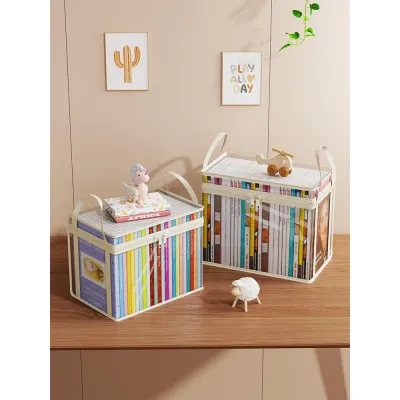
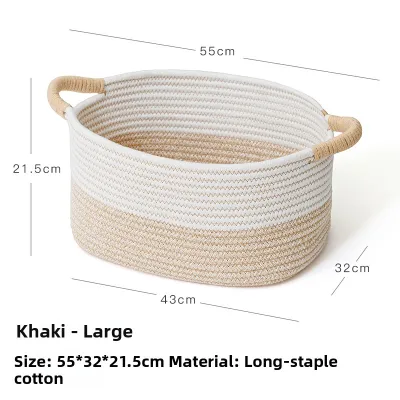
Collapsible fabric bins are versatile cubes that can sit on open shelving, inside modular cube organizers, or directly on the floor. They offer a clean, streamlined aesthetic, hiding the visual clutter of multi-colored soft toys behind neat fabric panels.
The standout benefit of these bins is their collapsible nature. When your child outgrows certain toys, or during periods of toy rotation, these bins can be folded completely flat and stored away, freeing up physical space. They are also inherently safe; because they are made of soft materials, there are no sharp edges or heavy lids that could pinch tiny fingers.
To ensure longevity, look for bins constructed with reinforced bases and sturdy side panels, often made of thick cardboard or lightweight plastic inserts, to prevent them from sagging when filled. Heavy-duty, double-stitched handles are also essential for easy pulling and carrying. Budget-friendly options are widely available, with basic bins starting under S$15, while premium, organic cotton options can range from S$30 to S$50.
Under-Crib Storage Solutions
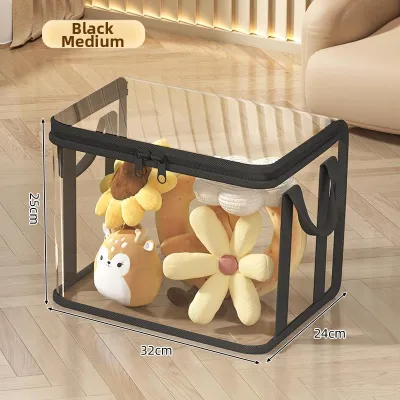
Under-crib storage utilizes the empty space beneath the baby’s bed. This can take the form of low-profile fabric zippered bags, rolling wooden drawers, or plastic bins on wheels. It is an ideal solution for storing out-of-season toys, oversized plushies, or backup toy inventory.
By keeping these items tucked away, you maintain a minimalist, calming environment in the nursery. Before purchasing, it is vital to measure the clearance height from the floor to the lowest horizontal bar of your crib frame. Many standard cribs have adjustable mattress heights; as you lower the mattress for a growing baby, the under-crib clearance may decrease.
Choose zippered fabric containers to protect the toys from dust bunnies, and ensure they have smooth-gliding wheels or low-friction felt pads on the bottom to prevent scratching your flooring, whether it is vinyl, laminate, or hardwood.
Crucial Safety and Installation Checks
Nursery safety must always take precedence over convenience or aesthetics. When installing any wall-mounted organizer, such as a toy hammock or floating shelf, proper wall anchoring is critical to prevent the unit from falling.
Never rely on simple adhesive strips or lightweight nails, as the constant pulling and weight of toys will eventually cause them to fail. In Singapore, most HDB flat walls are constructed of precast concrete, which requires a masonry drill bit, a hammer drill, and plastic wall plugs (anchors) to secure screws firmly. If you are mounting onto a drywall partition, common in newer condos or renovated rooms, you must use specialized drywall anchors or toggle bolts, or locate the wooden studs behind the drywall. Always follow the manufacturer’s specified weight limits and distribute the weight evenly.
Another critical consideration is climbing hazards. Toddlers are naturally curious and will attempt to climb furniture to reach tempting toys. Never place a wall-mounted organizer, low shelf, or even a toy hammock directly adjacent to or above the crib. A child could use the organizer as a stepping stool to climb out of the crib, risking a dangerous fall. Similarly, keep all organizers far away from windows, window grilles, and curtain cords to prevent entanglement hazards.
Choking and entanglement prevention must also be designed into your layout. Regularly inspect mesh pockets and net hammocks to ensure the weave is intact and there are no tears where small fingers, toes, or limbs could become trapped. Ensure that any hanging organizer does not have loose, dangling cords, drawstrings, or loops.
If at any point during the installation process you are unsure about the structural integrity of your walls, the suitability of the provided hardware, or the safety of the placement, stop immediately. It is always best to consult a professional handyman to ensure a secure, worry-free installation.
Smart Toy Rotation and Maintenance Tips
Managing the sheer volume of soft toys is key to keeping a small nursery organized. Implementing a systematic toy rotation plan is highly effective. Instead of displaying every plush toy your child owns, select a small, active set of five to ten toys to place in the accessible organizers. Store the remaining collection in zippered under-crib storage bags or a closet.
Every two to four weeks, swap the active toys with the stored ones. This simple practice keeps the toys feeling “new” and exciting for your child while drastically reducing visual clutter and organizing effort.
Maintenance and hygiene are equally important, especially given Singapore’s humid climate. Soft toys and fabric organizers are prone to collecting dust, pet dander, and dust mites, which can trigger respiratory issues or allergies in sensitive infants.
Always check the manufacturer’s care labels before cleaning. Most fabric bins and mesh bags can be spot-cleaned with a damp microfiber cloth and a mild, baby-safe detergent. For machine-washable organizers, use a gentle cycle with cold water and a baby-safe laundry liquid, then ensure they are completely dry before returning them to the nursery.
Lastly, establish a routine monthly safety inspection. Take a few minutes to check wall-mounted hooks, over-the-door brackets, and shelf brackets. Ensure no screws have loosened and that the materials show no signs of tearing or structural fatigue.
Frequently Asked Questions (FAQ)
How many soft toys should a baby have in the crib?
To ensure a safe sleeping environment, pediatric safe sleep guidelines recommend keeping the baby’s crib completely free of soft toys, pillows, bumper pads, and loose blankets for at least the first 12 months of life. These items pose significant risks of suffocation, entrapment, and Sudden Infant Death Syndrome (SIDS). All soft toys should be kept in dedicated organizers outside the sleeping area. Once your child is older and has developed the motor skills to move objects away from their face, you may introduce a small comfort toy, but it is always best to consult your pediatrician first for personalized safety advice.
Are toy hammocks safe for nurseries?
Toy hammocks can be a safe and highly effective storage solution, but only if they are installed correctly. They must be mounted high up on the wall, completely out of reach of infants and toddlers. If a hammock is hung too low, a child may attempt to pull it down, climb it, or become entangled in the netting, creating severe risks of strangulation or physical injury. Additionally, you must strictly adhere to the manufacturer’s weight limits and ensure the mounting hardware is securely anchored into the wall. If your child is an active climber, or if you cannot mount the hammock securely out of reach, it is safer to opt for closed storage solutions like collapsible fabric bins or under-crib drawers.

Community discussion
Share your experience or ask a question. Comments are reviewed before publication.