
Maximizing a small nursery room requires a strategic approach to organization that prioritizes vertical space, multi-functional furniture, and smart storage habits. In compact urban homes, such as those typically found in Singapore, parents often face the challenge of housing diapers, clothing, toys, and feeding supplies without cluttering the limited floor space. The most effective kids storage solutions are those that serve multiple purposes, adapt as your child grows, and keep essential items accessible yet safely out of reach of curious hands. By focusing on smart spatial planning and selecting the right organizational tools, you can create a serene, functional, and safe environment for your baby.
Key Criteria for Choosing Compact Nursery Storage
Footprint vs. Capacity When floor space is limited, the physical footprint of your furniture is the most critical factor to consider. In a standard Singapore apartment, bedroom space is highly optimized, making wide, sprawling dressers impractical. Instead, look for storage units with a narrow footprint that extend vertically. A tall, narrow bookshelf or drawer unit utilizes the unused wall space, providing the same—if not more—storage capacity as a wider unit while leaving valuable floor area open for play, tummy time, and easy movement around the room. Always measure the exact floor dimensions before purchasing to ensure the unit does not restrict the room’s natural flow.
Safety and Stability Safety must always be the top priority when selecting nursery storage. Tall, narrow furniture has a higher center of gravity, making it inherently more prone to tipping if a child attempts to climb it. Any vertical storage unit you choose must be structurally designed to accommodate secure wall anchoring. Look for rounded edges, smooth corners, and sturdy construction materials. Avoid flimsy, lightweight plastics for tall units, and ensure that any drawer systems feature built-in safety stops to prevent drawers from being pulled completely out of the frame.
Products mentioned in this guide
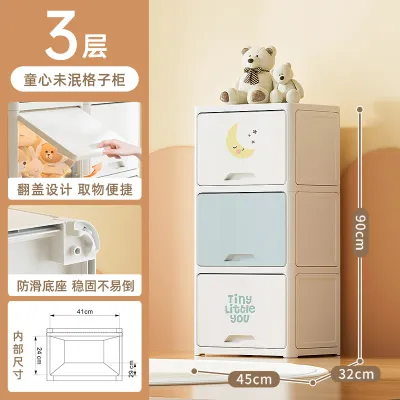
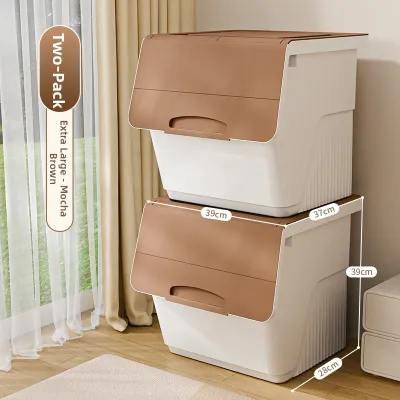
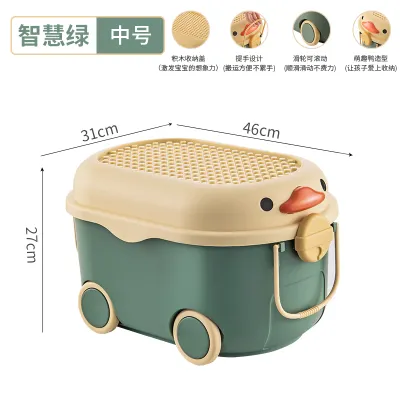
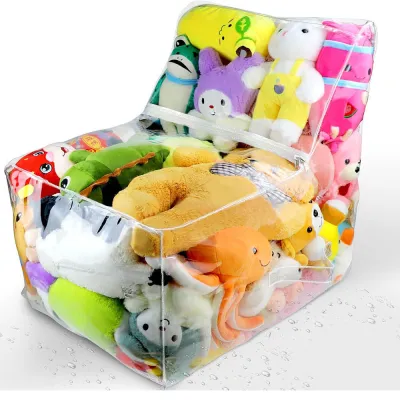
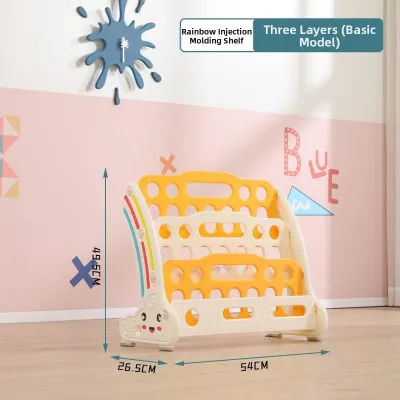
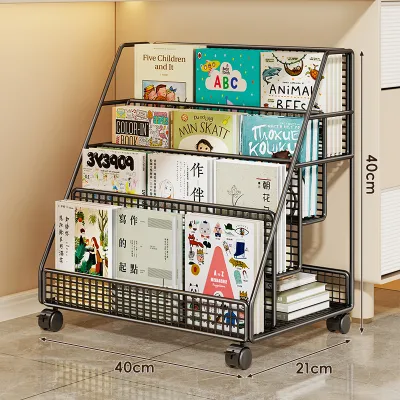
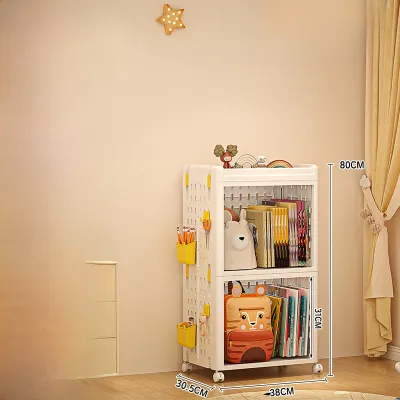
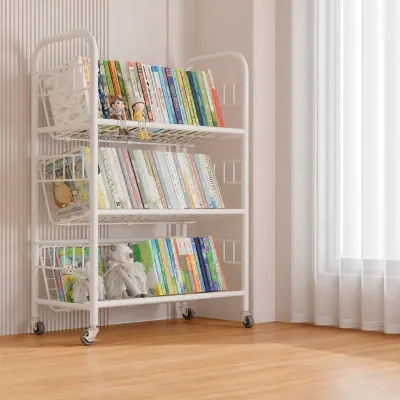
Prices are valid at publication and may change. Please refer to the product page for the latest price.
Adaptability and Growth A baby’s storage needs change rapidly from infancy through the toddler years. A system designed exclusively for tiny newborn onesies and diapers will quickly become inadequate as your child transitions to larger clothes, bulky toys, and books. Choose modular storage solutions that can be easily reconfigured over time. Adjustable shelving, removable drawer dividers, and convertible furniture pieces allow you to adapt the storage layout to match your child’s developmental stages, ensuring your initial investment remains useful for years to come.
Material and Climate Suitability Singapore’s tropical climate is characterized by high humidity levels throughout the year, which can create a breeding ground for mold, mildew, and dust mites in enclosed spaces. When selecting storage solutions, prioritize breathable, moisture-resistant materials. Treated wood with non-toxic, water-resistant finishes, high-quality BPA-free plastics, and washable canvas bins are excellent choices. Avoid untreated fabric or low-grade particle board, which can absorb atmospheric moisture, warp, and develop musty odors over time.
Top Space-Efficient Kids Storage Solutions by Category
Vertical Shelving and Wall-Mounted Organizers
Wall-Mounted Shelves and Pegboards Floating wall shelves are an exceptional way to display books, toys, and decorative items without consuming floor space. For toddlers, front-facing book ledges are highly recommended because they display the colorful covers of books, making them more attractive and easier for young children to select independently. Pegboards offer a highly customizable vertical storage solution. By adding hooks, small hanging baskets, and clips, you can organize lightweight daily essentials—such as pacifiers, grooming kits, and swaddles—in a highly visible and organized manner.

Over-Door and Hanging Organizers The back of the nursery door is prime storage real estate that often goes completely unused. Hanging over-door organizers featuring clear plastic or breathable fabric pockets are perfect for keeping small, frequently used items organized. You can use these pockets to sort socks, bibs, hair accessories, and lotions. This keeps these items at eye level and within quick reach for parents during diaper changes, while keeping them safely out of a crawling baby’s reach.
Limitations and Checks While vertical and wall-mounted storage is highly efficient, you must strictly observe weight limits and structural requirements. Never overload wall-mounted shelves or pegboards. Before installation, verify your wall type; concrete walls or structural columns require a hammer drill and heavy-duty masonry plugs, whereas partition walls require finding studs or using specialized toggle bolts. Always ensure that any hanging organizers or wall shelves are installed completely outside the crib’s reach zone to prevent a standing child from pulling items down or getting caught in straps. If you are unsure of your wall’s load-bearing capacity or if the installation instructions conflict with your home’s wall type, stop and consult a qualified professional contractor before proceeding.
Multi-Functional Nursery Furniture
Changing Tables with Deep Drawers A dedicated changing table that only serves one purpose is a luxury a small nursery cannot afford. Instead, select a sturdy changing dresser that features deep, smooth-gliding drawers underneath the changing topper. This setup allows you to store bulkier items, such as bulk diaper boxes, bedding, and seasonal clothing bundles, directly below the changing station, completely eliminating the need for a separate, bulky wardrobe. Many of these units allow you to remove the changing topper later, transforming the piece into a standard chest of drawers for older children. Always remember that a caregiver must supervise the baby closely during diaper changes; never leave your baby unattended on a changing surface, regardless of how convenient the storage drawers are.
Storage Ottomans and Seating Feeding and soothing your baby requires a comfortable place to sit, but a massive glider chair can dominate a small room. A compact, padded storage bench or ottoman serves as a comfortable seat for parents while hiding a spacious storage compartment inside. This hidden space is ideal for tucking away extra blankets, plush toys, or dirty laundry, keeping the nursery looking neat and spacious.
Limitations and Checks Before purchasing multi-functional furniture, carefully measure the exact dimensions of your nursery, taking into account the swing path of the door and the clearance needed for walkways. A dresser with deep drawers must be able to open fully without obstructing the nursery door or forcing you into tight, hazardous corners. Additionally, always check the manufacturer’s specified weight limits for both the changing surface and the internal drawers to ensure safe, long-term use. If you observe any structural instability, cracking in the wood, or if the manufacturer’s weight limits are exceeded, stop using the storage unit immediately and consult a professional installer or the manufacturer for repair or replacement.
Modular Bins and Under-Crib Storage
Under-Crib Rolling Drawers The empty space beneath a baby’s crib is one of the most underutilized areas in a small nursery. Low-profile, wheeled storage bins or rolling wooden drawers can slide effortlessly under the crib frame. This hidden zone is perfect for storing out-of-season clothes, extra fitted sheets, or sleeping sacks that you do not need to access multiple times a day.
Stackable and Collapsible Bins Open shelving units can quickly look chaotic if items are piled loosely. Utilizing uniform, stackable fabric or soft-plastic bins helps maintain a clean visual aesthetic while categorizing toys and accessories. Opt for collapsible designs made of durable canvas; when your storage needs change or you rotate toys out of the room, these bins can be folded completely flat and stored away without taking up space.
Limitations and Checks While under-crib storage is highly convenient, it must be managed carefully. Avoid stuffing the space so tightly that it blocks the crib’s natural ventilation or prevents air from circulating around the mattress, which can affect the sleeping environment. Furthermore, low-lying storage can quickly accumulate dust, pet hair, and dust mites, which can trigger allergies. Ensure the bins have secure lids and are easy to roll out so you can vacuum the floor underneath regularly. To make finding items easy as your child grows, use clear labels or simple picture tags on the front of each bin.
Essential Safety and Maintenance Checks for Small Spaces
Mandatory Anti-Tip Anchoring In a compact nursery, furniture is inevitably placed closer to play zones and the crib. As babies transition into toddlers, they naturally begin to climb, and a chest of drawers or a tall bookshelf can easily tip over if a child pulls out the drawers to use them as steps. It is a non-negotiable safety step to secure all furniture taller than 60 cm to the wall. Use heavy-duty L-brackets or nylon furniture straps anchored directly into the wall. In concrete walls, ensure you use the correct masonry wall plugs and screws. Regularly check these anchors to ensure they have not loosened over time. Always verify that any purchased nursery furniture complies with current safety certifications and has not been subject to active product recalls.
Crib Clearance Zones Maintaining a strict “no-climb” and “no-reach” perimeter around your baby’s crib is vital for preventing accidents. When planning a small room layout, ensure that no storage shelves, hanging organizers, or stacked bins are placed within 90 cm of the crib rail. A curious baby can easily reach through the crib bars to pull down heavy items, or use nearby storage units as a stepping stool to climb out of the crib, leading to dangerous falls.
Humidity and Dust Management Singapore’s high relative humidity makes enclosed storage spaces susceptible to musty odors, mildew, and mold. This is particularly true for under-crib bins and tightly packed wardrobes. To protect your child’s clothing and toys, perform a monthly check of all closed storage compartments. Wipe down wooden surfaces with a dry cloth and air out drawers regularly. You can place child-safe, non-toxic desiccant packs inside closed drawers to absorb excess moisture, and make it a habit to vacuum under the crib and behind storage units weekly to minimize dust mite accumulation.
Toy Rotation Strategy One of the most effective ways to manage a small nursery is to limit the sheer volume of items kept in the room. Implementing a toy rotation strategy involves keeping only a small, curated selection of toys in the nursery’s open bins while storing the rest in an external closet or storage area. Every two to three weeks, swap the toys out. This not only keeps your child highly engaged with “new” toys but also prevents visual clutter and maximizes the physical floor space available for active play.
Frequently Asked Questions (FAQ)
How do I baby-proof tall storage shelves in a small room?
To properly baby-proof tall storage shelves, start by securing the unit to the wall using heavy-duty furniture straps or steel L-brackets. Always anchor these brackets directly into wall studs or solid concrete, rather than just the drywall. Next, organize the shelves strategically by placing the heaviest items, such as large books or heavy toy bins, on the lowest shelves to lower the unit’s overall center of gravity. If the shelving unit features drawers or doors within your toddler’s reach, install childproof safety latches to prevent them from pulling the drawers open and using them as stairs. For open shelving, consider removing low-level decorative items and replacing them with soft, lightweight fabric bins.
What is the best way to organize clothes in a compact nursery wardrobe?
Maximizing a compact nursery wardrobe requires efficient use of hanging space and interior categorization. Start by using ultra-thin, cascading velvet hangers, which prevent clothes from slipping and take up less than half the space of bulky plastic hangers. If the wardrobe has a single high hanging rod, install an adjustable, tension-mounted second rod lower down to double your hanging capacity for tiny baby outfits. Use the upper shelf space for out-of-season clothes or next-size-up garments stored in vacuum-sealed bags or canvas storage boxes. Inside drawers, use adjustable fabric drawer dividers to separate small items like socks, bibs, onesies, and swaddles, keeping them organized and easy to grab in a hurry.

Community discussion
Share your experience or ask a question. Comments are reviewed before publication.