
Finding the right changing table baby setup is one of the most critical decisions when preparing a nursery, especially when every square meter of your home counts. In compact Singapore apartments, where bedrooms often serve multiple purposes, a traditional, bulky changing table can quickly overwhelm the floor plan. The ideal solution is not a one-size-fits-all product, but rather a strategic choice based on your specific home layout, storage needs, and long-term utility. By prioritizing multi-functional furniture, wall-mounted designs, or mobile units, you can create a safe, ergonomic diaper-changing station without sacrificing precious living space.
Why Space-Saving Design Matters in Compact Apartments
Living in a modern Singapore HDB flat or condominium often requires a masterclass in spatial efficiency. With typical Build-To-Order (BTO) bedroom sizes becoming more compact, parents frequently find themselves sharing their primary bedroom with the newborn or converting a small spare room into a nursery. In these layouts, floor space is at an absolute premium, and introducing single-use, heavy furniture can restrict movement and make daily caregiving tasks feel cramped.
A dedicated diaper station is essential for your physical comfort, helping to prevent the back strain associated with bending over a bed or floor. However, a standard freestanding unit with a wide footprint can block wardrobe doors, restrict walkway access, or prevent you from placing a crib nearby. Opting for a space-saving design ensures that you maintain clear pathways for late-night feedings while keeping all diapering essentials organized and within arm’s reach.
Products mentioned in this guide
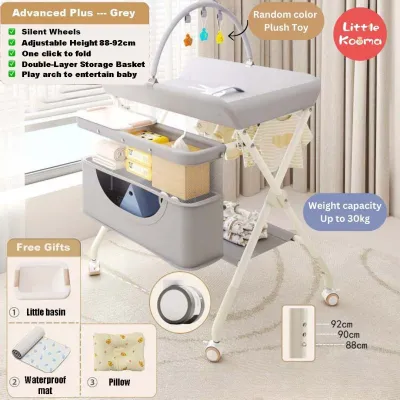
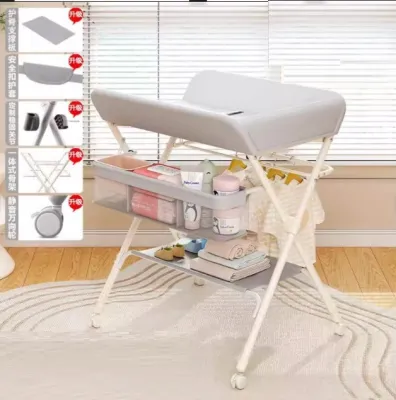
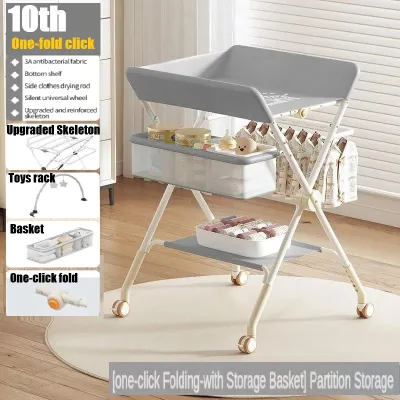

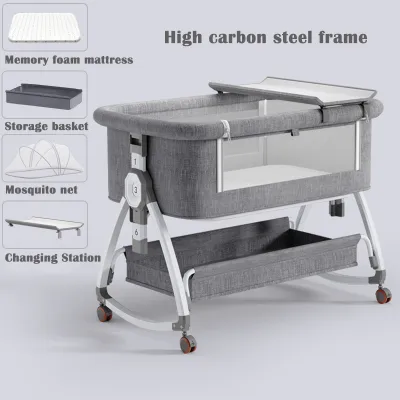
Prices are valid at publication and may change. Please refer to the product page for the latest price.
Furthermore, children grow rapidly, and their spatial needs change within the first year. A bulky, non-adaptable piece of furniture can quickly become an obstacle once your baby begins crawling and needs safe floor space for play and physical development. Choosing a compact, foldable, or convertible changing station allows your home to evolve alongside your child, ensuring that your living environment remains functional and uncluttered.
Essential Features to Look for in a Compact Changing Table
When evaluating a changing table baby unit for a small home, dimensions are your starting point. You must measure not only the physical footprint of the table but also the clearance zone around it. A depth of 50 to 60 centimeters is generally suitable for tight spaces, but you must ensure there is enough clearance for drawer openings, folding mechanisms, and your own standing position during changes.

Storage efficiency is another critical factor that can eliminate the need for secondary storage units. Look for models with vertical shelving, integrated side pockets, or under-table baskets that utilize vertical space rather than expanding horizontally. Having diapers, wipes, creams, and change clothes organized vertically keeps your floor clear and ensures you never have to step away from your baby to grab a fresh diaper.
Safety must never be compromised for the sake of a smaller footprint. Ensure any compact model you consider features raised safety rails on all four sides or is designed to fit a contoured changing pad with secure safety straps. You must check the manufacturer’s documentation for the exact weight capacity, which typically ranges from 11 to 15 kilograms, and verify that the unit is constructed from sturdy, non-toxic materials.
Additionally, consider the ergonomic height of the changing surface. A table that is too low will cause back strain, while one that is too high can make lifting your baby difficult and unsafe. Many compact models offer adjustable height settings, which can accommodate different caregivers and ensure a comfortable, safe posture during the multiple diaper changes required each day.
Best Types of Changing Tables for Limited Nursery Space
To find the right fit for your home, you must understand the distinct design categories of space-saving changing tables. Each type offers specific trade-offs between storage capacity, mobility, and permanent footprint.
Dresser and Changing Table Combos
A dresser and changing table combo is one of the most practical long-term investments for a compact nursery. These units feature a standard chest of drawers with a secure, often removable changing topper on top. By combining clothing storage and a diaper station into a single piece of furniture, you eliminate the need for a separate wardrobe, effectively halving the floor space required for nursery storage.
The primary advantage of this setup is its longevity. Once your child outgrows the diaper-changing stage, you can simply remove the topper and continue using the dresser as standard bedroom furniture throughout their childhood. This transition prevents the common issue of having to dispose of or store specialized baby furniture after just a few years of use.
However, dressers have a fixed, solid footprint that cannot be folded away or easily moved. Before purchasing, you must check the depth of the dresser to ensure it does not block walkways, door swings, or wardrobe doors in your specific room layout. It is also vital to verify that the drawers slide smoothly and do not require excessive clearance to open fully, which can be a major constraint in narrow rooms.
Wall-Mounted and Fold-Down Changing Stations
For ultra-compact rooms, shared master bedrooms, or multi-purpose spaces, wall-mounted and fold-down changing stations offer the ultimate space-saving solution. These units are mounted directly to the wall and feature a hinged platform that folds down when needed and snaps securely back into a vertical position when not in use, leaving your floor space completely clear.
When folded up, these stations typically protrude only 15 to 20 centimeters from the wall, making them ideal for narrow hallways, small bathrooms, or tight corners next to a crib. They provide a clean, minimalist aesthetic and keep the changing area completely out of the way of daily household traffic.
The trade-off for this extreme space efficiency is a lack of built-in storage. Wall-mounted units usually have very shallow internal shelves that can only hold a few diapers and a pack of wipes when closed. To make this setup functional, you will need to install nearby wall shelving or use a small utility cart to keep your full supply of diapering essentials within arm’s reach during use.
Portable and Wheeled Changing Carts
Portable and wheeled changing carts offer excellent flexibility for families who prefer not to be anchored to a single room. These lightweight frames, often made of metal or sturdy plastic, feature a changing surface on top and multiple open shelves or fabric baskets below, all set on caster wheels that allow you to roll the station wherever it is needed.
This mobility is particularly useful in Singapore homes where diaper changes might happen in the living room during the day and the bedroom at night. When guests visit or when you need to clear floor space, the entire station can be wheeled into a closet, a bathroom, or a corner of the room out of sight.
While highly convenient, wheeled carts often have smaller changing surfaces and lower weight limits than solid wooden furniture. You must check the quality of the wheels and ensure they feature reliable, independent locking mechanisms to keep the cart completely stationary during changes. Additionally, verify that the wheel material is suitable for your home’s flooring—soft rubber or polyurethane wheels are preferred to prevent scratching on delicate vinyl, laminate, or polished tile surfaces.
How to Choose the Right Brand for Small-Space Furniture
Selecting a reliable brand for your compact changing table requires looking beyond aesthetics and marketing claims. You must prioritize brands that provide transparent, highly detailed technical specifications, including exact product dimensions, clearance requirements, and maximum weight limits for every configuration.
A reputable brand should offer clear installation manuals and guidance on the types of walls their wall-mounted units can be safely anchored to. Because Singapore homes commonly feature concrete structural walls, brick partition walls, or drywall partitions, the brand must specify the appropriate anchoring hardware or advise when professional installation is required. Avoid brands that provide generic, one-size-fits-all mounting hardware without detailed instructions.
Look for brands that offer robust warranties, particularly on moving parts like fold-down hinges, drawer slides, and locking wheel casters. These mechanical components undergo significant wear and tear with daily use, and a brand’s willingness to stand behind their hardware is a strong indicator of long-term durability. It is also beneficial to choose brands that sell matching, proprietary accessories, such as contoured changing pads that fit their specific dimensions perfectly, ensuring a secure and seamless fit.
Finally, verify the availability of local stock, delivery lead times, and professional assembly services through authorized local retailers in Singapore. Opting for a brand with a strong local presence ensures you can easily access customer support, source replacement parts, or request assistance if you encounter issues during assembly or installation.
Safety, Installation, and Daily Use Guidelines
Regardless of the style or brand you choose, safety is the absolute priority when using any changing table baby setup. For all freestanding units, especially heavy dresser combos, you must install anti-tip anchoring hardware directly into the wall. Dressers can easily become top-heavy when multiple drawers are pulled out or when a child attempts to climb them, presenting a severe tip-over hazard.
For wall-mounted units, proper installation is critical to prevent structural failure. You must ensure the unit is anchored securely into solid masonry, concrete, or directly into wall studs if mounting on drywall. Never rely on simple plastic drywall anchors for a load-bearing baby product. If you are unsure about your wall type or do not have the proper tools, such as a hammer drill for concrete, you must consult a qualified professional handyman to handle the installation.
During daily use, maintain a strict safety routine to protect your child. Never leave your baby unattended on the changing table, even for a split second, and always keep one hand on your baby during the change. Keep all diapering supplies—including wipes, pins, creams, and toys—within your arm’s reach but completely out of your baby’s grasp to prevent accidental ingestion or injury.
Regularly inspect your changing table for signs of wear and tear. Check that all screws remain tight, hinges operate smoothly without sticking, safety straps are securely attached, and wheel locks engage fully. If you notice any structural instability, loose parts, or damaged components, stop using the unit immediately and contact the manufacturer or retailer for replacement parts.
Finally, you must monitor your child’s developmental milestones and stop using the changing table when they reach the manufacturer’s specified weight limit or when they begin to roll over, sit up, or pull themselves up. For most babies, this transition occurs around 12 months of age, at which point transitioning to changing diapers on a secure floor mat is the safest choice.
Frequently Asked Questions (FAQ)
Can I use a regular dresser as a changing table?
Yes, you can convert a regular dresser into a changing table, provided it meets essential safety and ergonomic criteria. The dresser must be at a comfortable height for you to stand without bending excessively, and it must have a flat, stable top surface wide enough to accommodate a changing pad. You must securely attach a contoured changing pad with safety straps to the dresser surface to prevent it from sliding. Most importantly, the dresser must be firmly anchored to the wall using anti-tip hardware to prevent tipping when drawers are opened or when weight is applied to the top.
At what age or weight should I stop using a fold-down changing table?
You must always follow the specific weight and developmental limits defined by the manufacturer of your fold-down changing table. Generally, wall-mounted and fold-down units have stricter weight capacities, often capped around 11 to 15 kilograms. Regardless of your baby’s exact age, you must stop using the fold-down table as soon as they reach this weight limit or when they show signs of rolling over, crawling, or pulling themselves up. Continuing to use a fold-down unit past these milestones increases the risk of falls and structural strain on the wall mounts.

Community discussion
Share your experience or ask a question. Comments are reviewed before publication.