
Setting up a nursery in a compact Singapore apartment, such as a standard three-room HDB flat or a boutique condominium, requires careful spatial planning. A baby change station is an essential daily fixture, yet traditional, bulky changing tables can quickly overwhelm a limited floor plan. To maximize room functionality without sacrificing safety or caregiver comfort, parents must look toward innovative, space-efficient designs. Wall-mounted units, collapsible portable frames, multi-functional dressers, and over-the-crib toppers represent the most effective strategies for tight spaces. Each of these solutions targets specific layout constraints, allowing you to keep diapers, wipes, and changing essentials organized and within arm’s reach while preserving precious floor space for play and movement.
How to Choose a Baby Change Station for Compact Spaces
Typical Singapore apartments often feature bedrooms ranging from 9 to 12 square meters, making every square centimeter of floor space highly valuable. When evaluating a baby change station, measuring the static footprint of the furniture is only the first step. Caregivers must calculate the dynamic clearance, which is the actual space required when drawers are fully extended, folding shelves are dropped down, or when a parent is standing in front of the unit to change the infant. Failing to account for this active workspace can result in a cramped layout where doors cannot open fully and walkways are blocked.
Multi-functionality is a highly efficient strategy when space is at a premium. Selecting furniture that serves more than one purpose ensures that your nursery remains open and uncluttered. For instance, choosing a changing table that integrates deep storage drawers or converts into a standard chest of drawers later ensures the investment remains useful for years. This adaptability prevents the common issue of having to discard or store single-use baby furniture once the diaper-changing phase is over.
Products mentioned in this guide
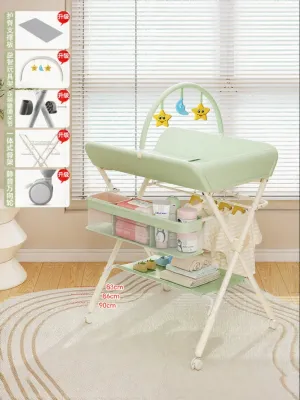
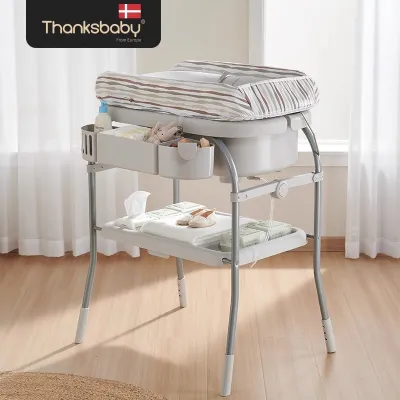
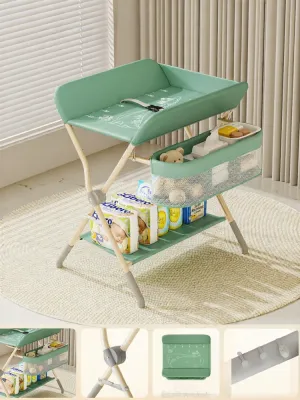
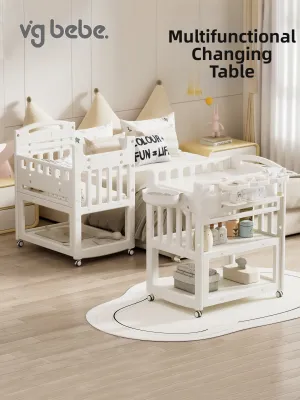
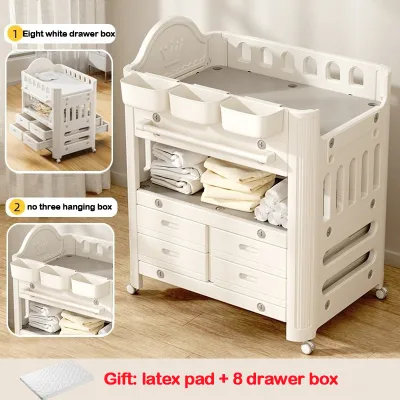
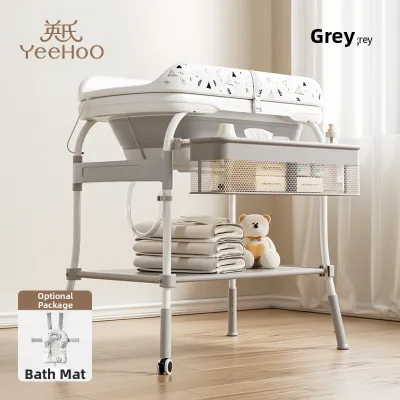
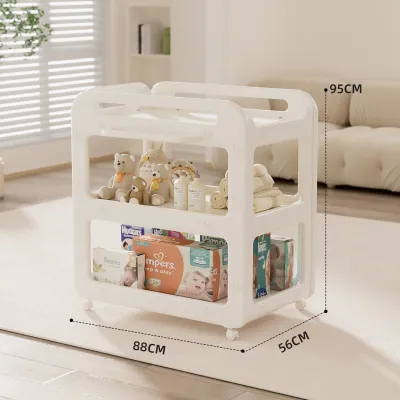
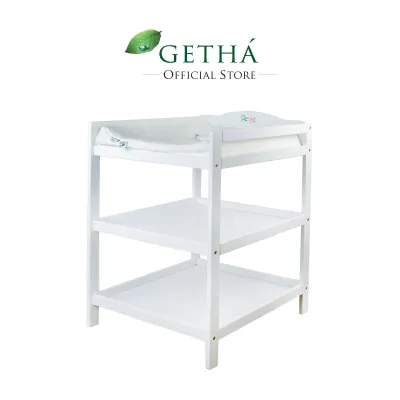
Prices are valid at publication and may change. Please refer to the product page for the latest price.
Integrated storage is another critical dimension to consider. A well-designed compact station must keep diapers, creams, and wipes centralized. Without built-in shelves, side pockets, or drawers, parents are forced to purchase separate utility carts or storage bins, which defeats the purpose of a space-saving layout. Keeping these items within arm’s reach is also a fundamental safety practice, ensuring that the caregiver never has to step away or turn their back on the baby to retrieve supplies.
Finally, physical comfort should not be sacrificed for a smaller footprint. Low-profile or poorly positioned changing surfaces can lead to severe back strain, especially during the frequent diaper changes required in the first few months. The height of the changing surface should align comfortably with the primary caregiver’s waistline, allowing them to stand upright without awkward bending. Balancing ergonomic height with a compact structure is essential for long-term comfort and physical well-being.
Top Space-Saving Baby Change Station Types for Small Nurseries
Navigating the market for nursery furniture reveals that there is no single best solution for compact living. The ideal style depends heavily on your specific room layout, wall construction, and how long you intend to use the piece. By understanding the structural designs of different changing stations, you can select a model that harmonizes with your home’s unique dimensions.

Wall-Mounted Changing Tables
Wall-mounted changing tables are the ultimate floor-space savers. By attaching directly to the wall, they keep the floor completely clear, making it much easier to sweep, vacuum, and maintain a clean environment in a small room. When closed, these units fold flat against the wall, typically protruding only a few centimeters into the room, which visually opens up the space.
Before purchasing a wall-mounted model, you must verify the structural integrity of your walls. In Singapore, residential units often feature a mix of solid concrete structural walls and non-load-bearing internal partition walls, such as drywall or hollow bricks. A wall-mounted changing table must be anchored securely into a solid, load-bearing concrete wall or directly into wall studs using appropriate heavy-duty hardware. Mounting a folding unit onto standard partition drywall without proper reinforcement can lead to structural failure and severe safety hazards.
Key considerations for wall-mounted models:
- Safety locks: Verify that the folding mechanism features a robust, automatic safety lock to prevent the platform from dropping down unexpectedly.
- Weight limits: Check the manufacturer's specified maximum weight limit, ensuring it accommodates both the growing infant and the dynamic downward pressure applied during a change.
- Fixed height: Remember that once installed, the height is fixed. It cannot be easily adjusted or relocated to another room without leaving unsightly holes and requiring a complete re-installation.
Foldable and Portable Changing Stations
For homes without a dedicated nursery, foldable and portable changing stations offer exceptional flexibility. These units typically feature a lightweight metal frame with a fabric or plastic changing surface that can be collapsed and tucked away when not in use. They allow parents to move the changing station from the bedroom to the living room or bathroom as daily routines dictate.
Mobility must not come at the expense of stability. When evaluating a portable model, verify that the caster wheels feature robust, independent locking mechanisms that prevent any sliding or shifting while in use. The frame itself must remain completely rigid and stable even when the baby is active or wiggling.
Key considerations for foldable models:
- Storage trade-offs: Portable units generally offer lower weight capacities and less substantial integrated storage compared to solid wooden furniture. The storage is often limited to fabric side pockets or a lower mesh shelf.
- Folded dimensions: Always check the manufacturer's folded dimensions before buying to ensure the collapsed unit can actually slide into your intended storage spot, such as a narrow gap beside a wardrobe or inside a closet.
- Material care: Look for water-resistant, easy-to-wipe fabrics to prevent mold growth, which can be a concern in Singapore's humid climate.
Multi-Functional Dresser Changers
Combining a changing table with a storage dresser is a classic way to minimize the total number of furniture pieces in a small room. Instead of occupying floor space with both a chest of drawers and a separate changing stand, a dresser changer consolidates these functions into a single footprint, providing ample storage for clothes and baby essentials directly beneath the changing surface.
To maximize long-term value, look specifically for models designed with a removable changing topper. Once your child outgrows the diaper phase, the topper can be unscrewed and stored away, leaving behind a standard, clean-lined dresser that fits seamlessly into a child’s or teenager’s room. This transition extends the furniture’s lifespan by several years, making it a highly sustainable choice.
Key considerations for dresser changers:
- Spatial footprint: While highly efficient, a dresser changer still demands a permanent, dedicated floor area. You must measure the room carefully to ensure there is sufficient clearance to fully open all drawers without blocking walkways.
- Anti-tip requirements: Because dressers present a severe tip-over hazard as babies grow into curious toddlers who climb on open drawers, it is mandatory to verify that the unit includes a certified anti-tip anchoring kit.
Over-the-Crib Changing Toppers
Over-the-crib changing toppers or pads offer a true zero-footprint solution, making them incredibly popular for micro-nurseries or shared master bedrooms. By utilizing the empty space directly above the crib mattress, these toppers completely eliminate the need for any additional furniture on the floor.
This setup requires strict compatibility checks. You must measure both the topper and your specific crib rails to ensure a perfect, snug fit. The topper must feature robust securing mechanisms, such as adjustable brackets, non-slip grips, or safety straps, that lock firmly onto the crib’s side rails to prevent any slipping, sliding, or collapsing while the baby is on the platform.
Key considerations for over-the-crib toppers:
- Shorter lifespan: These toppers generally have a shorter usable lifespan. As your baby becomes heavier, taller, and more active, lifting them up onto a high crib rail can become physically taxing.
- Ergonomic strain: Because the crib's height is fixed, the changing surface height may not be ergonomically ideal for taller caregivers, potentially causing back discomfort over time.
- Manufacturer guidelines: Always check the manufacturer's explicit weight limits and age recommendations, and stop using the topper immediately once the baby reaches the designated limit or begins to sit up or roll over independently.
Safety and Installation Checklist for Compact Nurseries
Creating a safe changing environment in a densely furnished room requires careful attention to detail. The proximity of furniture pieces in small Singapore apartments can introduce unique hazards that are easily overlooked during spatial planning.
Essential safety practices for compact layouts:
- Anti-tip anchoring: For all freestanding changing tables, dressers, and shelving units, installing an anti-tip kit is a non-negotiable safety step. In tight spaces, parents often place furniture close together, which might tempt an older toddler to climb the drawers to reach items on top. Secure the anchoring straps directly into the wall studs or concrete wall using appropriate hardware.
- Wall-mounted installation checks: If you opt for a wall-mounted unit, use a digital stud finder or wall scanner to check for hidden water pipes or electrical wiring before drilling. This is particularly crucial in Singapore condos and HDB flats where utility lines are often embedded deep within concrete or behind partition walls. Ensure the wall anchors used are rated to support the dynamic load, which includes the weight of the unit, the maximum weight of the baby, the weight of stored supplies, and the downward force of your hands during a changing session.
- Spatial hazard management: Carefully evaluate the surrounding environment. Never position a changing station directly under or adjacent to a window where the child could reach window grilles, window locks, or accessible blind cords, which pose a severe strangulation risk. Keep the station clear of wall shelves holding heavy books, frames, or humidifiers that could be knocked down. In narrow walkways, ensure that bedroom doors or wardrobe doors cannot swing open and strike the changing table while it is in use.
- Routine inspections: Before every use, perform a quick visual and physical check. Verify that the guardrails are secure, the safety straps are intact and functional, and all joints or folding hinges are free of wear or loose screws. Always maintain active caregiver supervision; never leave your baby unattended on a changing surface, even for a split second, regardless of the safety straps or guardrails.
Frequently Asked Questions (FAQ)
Can I use a regular dresser as a baby change station?
Yes, you can repurpose a standard dresser as a baby change station, provided it meets several strict safety and ergonomic criteria. First, the height of the dresser should be comfortable for the primary caregiver to prevent back strain, typically around 85 to 110 centimeters. Second, the top surface must be completely flat, stable, and deep enough to safely accommodate a standard changing pad without any overhang.
To make it safe, you must secure the changing pad to the dresser top using the manufacturer’s provided safety straps or non-slip backing to prevent sliding. Most importantly, the dresser itself must be anchored securely to the wall with an anti-tip kit. Avoid using dressers with unstable, easily pulled-out drawers or large, protruding handles that an active toddler could use as steps to climb up.
What is the standard height for a baby changing table?
The standard height for a baby changing table generally ranges between 90 and 105 centimeters (approximately 36 to 43 inches). This range is designed to accommodate the average height of adult caregivers, allowing them to change diapers without bending excessively at the waist, which is a common cause of postpartum back pain.
When shopping, measure the height of the table’s frame and add the thickness of your chosen changing pad to find the true working height. If you are using a space-saving option like a wall-mounted unit, you have the advantage of choosing your own custom installation height; mount it so that the platform aligns comfortably with your elbow height. For portable or over-the-crib models where the height is fixed, taller caregivers should test the setup first to ensure it does not cause physical discomfort during use.

Community discussion
Share your experience or ask a question. Comments are reviewed before publication.