
Maximizing a small nursery in Singapore requires a strategic approach to organization. With typical HDB flats and condominiums offering compact bedroom footprints, floor space is at a premium. Soft toys, while beloved, can quickly clutter a room, collect dust, and present safety hazards if left scattered across the floor.
The key to successful soft toy storage in a limited space is utilizing underused vertical zones, maximizing hidden areas like the space under the crib, and choosing breathable materials that suit Singapore’s tropical climate. By selecting the right storage format, you can keep your baby’s room organized, hygienic, and safe while maintaining a serene and functional environment.
Key Criteria for Choosing Nursery Toy Storage
When planning your nursery layout, prioritizing floor space is essential for your baby’s physical development. Floor space is where tummy time, crawling, and early play occur. Utilizing vertical space through wall-mounted shelves, over-the-door organizers, and hanging hammocks keeps the floor clear for daily activities and makes a compact room feel significantly larger.
Products mentioned in this guide
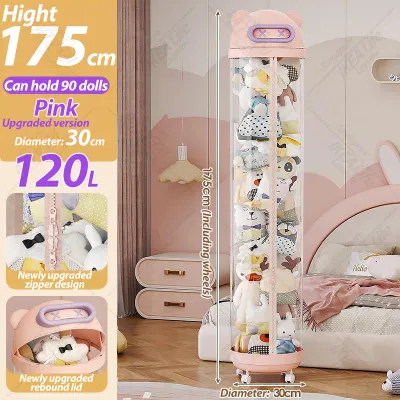
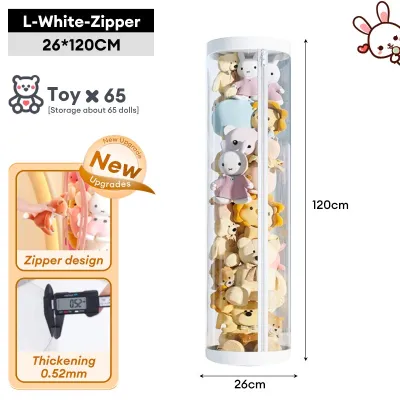
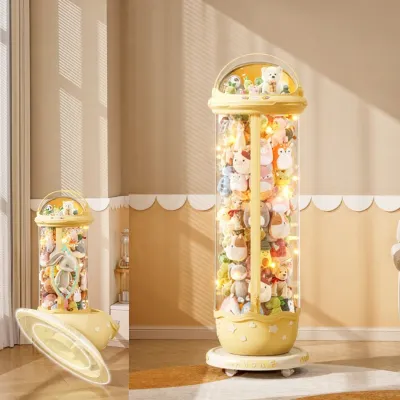
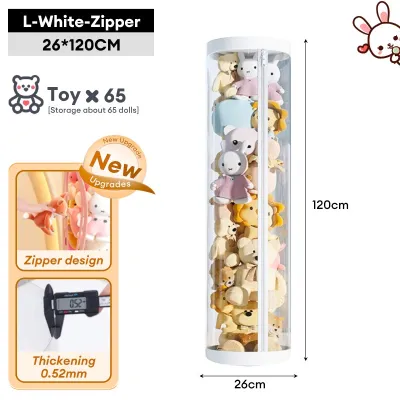
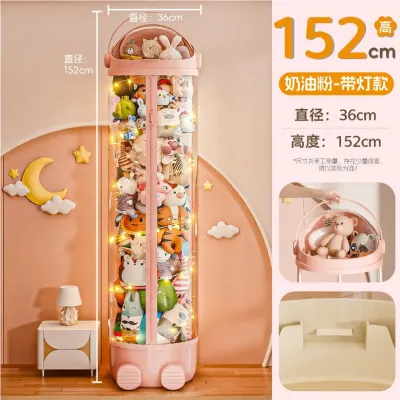
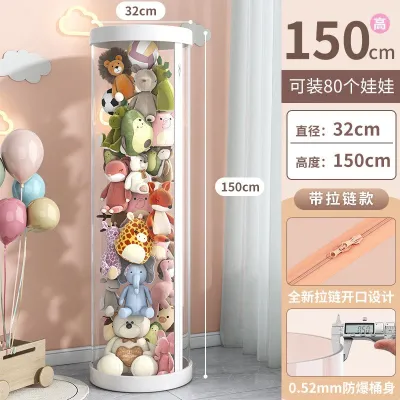
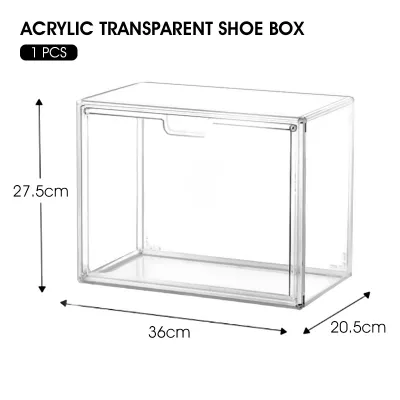
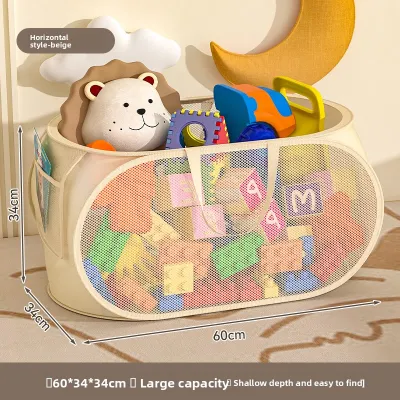
Prices are valid at publication and may change. Please refer to the product page for the latest price.
Safety must always be your primary consideration when selecting storage solutions. Heavy wooden toy boxes or unstable shelving units can pose tipping hazards or trap small fingers. Soft toy storage should be lightweight, stable, and securely anchored. If you choose wall-mounted options, ensure they are installed well out of reach of a baby who is learning to pull themselves up in their crib.
Accessibility is another crucial factor that changes as your child grows. For infants, parents need quick and easy access to toys. As your child transitions into a toddler, they should be able to reach and put away their toys independently. Low-profile bins or soft baskets encourage self-tidying and cognitive development, while high-hanging nets are better suited for decorative or rotational toys that require parental supervision to access.
Visual clutter can disrupt sleep and create a chaotic environment in a small room. Soft toys come in various shapes, sizes, and colors, which can easily overwhelm a compact space. Storing them in a way that reduces visual noise—such as using opaque fabric bins or neatly arranged pocket organizers—helps maintain a calm and cohesive nursery aesthetic.
Recommended Soft Toy Storage Types for Small Spaces
To make the most of a compact nursery, it helps to categorize storage by spatial zones: walls, doors, under-crib, and floor. Matching the storage type to the size, weight, and quantity of your child’s plush toy collection ensures that every toy has a dedicated home without overwhelming the room.

Hanging Mesh Nets and Hammocks
Hanging mesh nets and toy hammocks are excellent for utilizing unused corner space. They are ideal for lightweight, medium-to-large plush toys that do not fit easily into standard drawers. By suspending toys in a corner, you keep them off the floor and out of the way.
Installation requires careful planning and the right hardware. In Singapore, nursery walls are often made of solid concrete or brick, requiring a masonry drill, plastic wall plugs, and secure hooks to prevent the net from falling. Always verify the manufacturer’s weight limits and ensure the hammock is anchored securely away from the crib to prevent any risk of the net falling onto a sleeping baby.
The primary limitation of hammocks is accessibility. Toddlers cannot reach toys stored high up, making this format best for older children or for storing sentimental plushies that are not played with daily. Additionally, overstuffing a hammock can create a heavy visual bulk that makes a small room feel cramped.
Over-the-Door and Wall-Mounted Organizers
Multi-pocket fabric organizers that hang over the door or mount directly to the wall are highly efficient for small nurseries. They utilize the vertical plane of a door, which is otherwise dead space, and are perfect for organizing small to medium-sized soft toys.
Before purchasing an over-the-door organizer, check your door hinge clearance. Standard Singapore bedroom doors must be able to close fully without the hanger brackets scraping the frame. For wall-mounted fabric pockets, ensure the mounting hardware is secure and check that the fabric is breathable to prevent moisture buildup against the wall.
These organizers keep toys visible, making it easy for you or your child to find a specific plushie. However, open pockets can accumulate dust over time. Regularly vacuuming or washing the organizer is necessary to maintain a hygienic environment for your baby.
Rolling Under-Crib Storage Bins
The space beneath a baby’s crib is often underutilized. Low-profile, wheeled containers are perfect for turning this dead space into functional storage. They keep soft toys tucked away out of sight, reducing visual clutter while keeping them easily accessible.
Before buying under-crib bins, measure the clearance height from the floor to the bottom frame of the crib, as well as the depth between the crib legs. Ensure the bins have smooth-rolling wheels that are compatible with your nursery’s flooring, whether it is parquet, vinyl, laminate, or a low-pile rug.
Dust protection is crucial for under-crib storage. Many Singaporean homes utilize ceiling fans or open windows for ventilation, which can circulate dust throughout the room. Opting for bins with zippered fabric covers or secure lids is highly recommended to keep your baby’s plush toys clean and hygienic.
Multi-Tiered Canvas Baskets and Bins
Stackable or tiered canvas baskets offer flexible floor storage without the safety risks associated with hard-edged wooden or plastic furniture. Their soft-sided construction means there are no sharp corners for a bumping toddler to get hurt on.
When choosing tiered baskets, check their structural stability. Some fabric bins can sag or tip over when fully loaded with heavier toys. Look for options with reinforced wire frames or sturdy cardboard inserts that maintain their shape while remaining lightweight.
Canvas bins are highly portable and can be folded flat when not in use, making them ideal for changing nursery layouts. They are also easy to spot-clean or machine-wash, depending on the manufacturer’s care instructions.
Safety and Maintenance Checks Before You Buy
Before finalizing your soft toy storage setup, conduct thorough safety and maintenance checks. Always verify the weight limits of any wall-mounted or hanging units and use appropriate hardware for your wall type. Never rely on simple adhesive hooks for heavy loads, as Singapore’s humid climate can weaken adhesives over time, causing the storage unit to fall.
Inspect all storage products for small detachable parts, sharp zippers, rough edges, or toxic materials. Fabric organizers should be made of non-toxic, lead-free, and phthalate-free materials. If a storage unit begins to show signs of wear—such as sagging fabric, broken wheels, torn mesh, or loose mounting brackets—stop using it immediately to prevent accidents.
Establish a regular cleaning routine. Soft toys can harbor dust mites, which are a common trigger for allergies and asthma in children. Wash fabric organizers and plush toys periodically according to the manufacturer’s instructions, and ensure they are completely dry before placing them back in storage to prevent mold.
Frequently Asked Questions (FAQ)
How do I prevent mold on fabric toy organizers in humid climates?
Singapore’s high humidity creates an environment where mold and mildew can thrive, especially on fabric surfaces. To prevent this, choose breathable, quick-drying fabrics like cotton canvas, linen, or polyester mesh rather than heavy, non-porous plastics. Ensure your nursery has adequate ventilation by utilizing ceiling fans, keeping windows open when appropriate, or running an air conditioner or dehumidifier. Avoid placing fabric organizers directly against external-facing walls, which can trap moisture. Inspect organizers regularly for musty odors or dark spots, and wash or replace them immediately if mold appears.
Are transparent acrylic bins better than fabric baskets for soft toys?
Transparent acrylic bins offer excellent visibility, allowing you to see exactly what is inside without rummaging, and they provide superior dust protection when fitted with lids. However, they have hard edges and can be heavy, posing a safety risk if a toddler pulls them down or bumps into them. Fabric baskets, on the other hand, are soft, lightweight, and safe for a child to handle, though they may accumulate dust more easily. For a small nursery, fabric baskets are generally preferred for daily-use toys, while acrylic bins are best kept on high shelves out of reach for storing rotational or seasonal items.

Community discussion
Share your experience or ask a question. Comments are reviewed before publication.