
Selecting the right soft toy storage box for a nursery in Singapore requires balancing physical safety, space efficiency, and humidity control. Because plush toys easily collect dust mites and moisture in a tropical climate, the ideal storage solution must keep toys clean and dry while remaining completely safe for a curious baby or toddler. Caregivers must prioritize stable, low-profile designs made from breathable or easily sanitized materials, ensuring that the storage itself does not introduce physical hazards like heavy lids, sharp corners, or tipping risks.
Key Safety and Functional Features to Look For
When setting up a nursery, safety must always come before aesthetics. Plush toys often accumulate quickly, and the containers used to store them must be thoroughly evaluated to prevent accidents as your baby grows and begins to explore the room independently.
Material safety is the first critical check. Caregivers should verify manufacturer labels for non-toxic, BPA-free, lead-free, and phthalate-free claims. Because infants and toddlers frequently mouth objects—including the edges of storage bins when pulling themselves up to stand—ensuring the materials are free from harmful chemicals is essential. Look for certifications or safety declarations on the product packaging before making a purchase.
Products mentioned in this guide
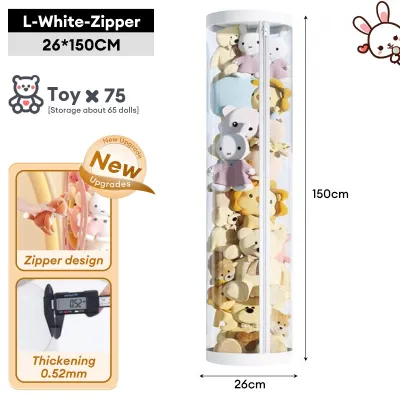
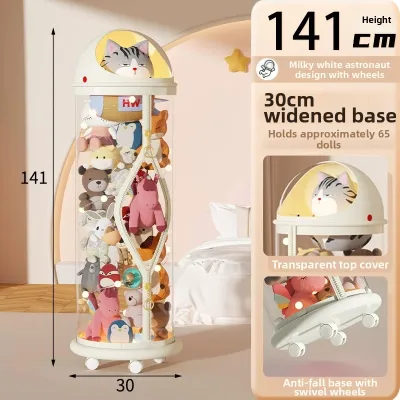
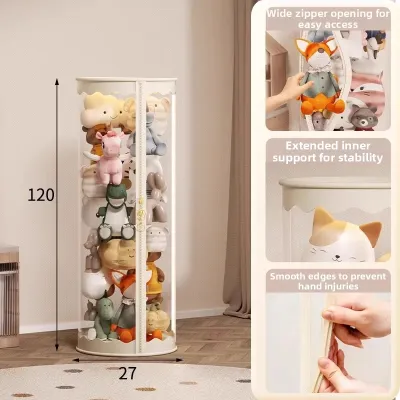
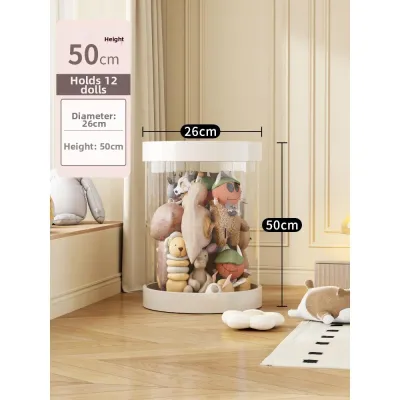
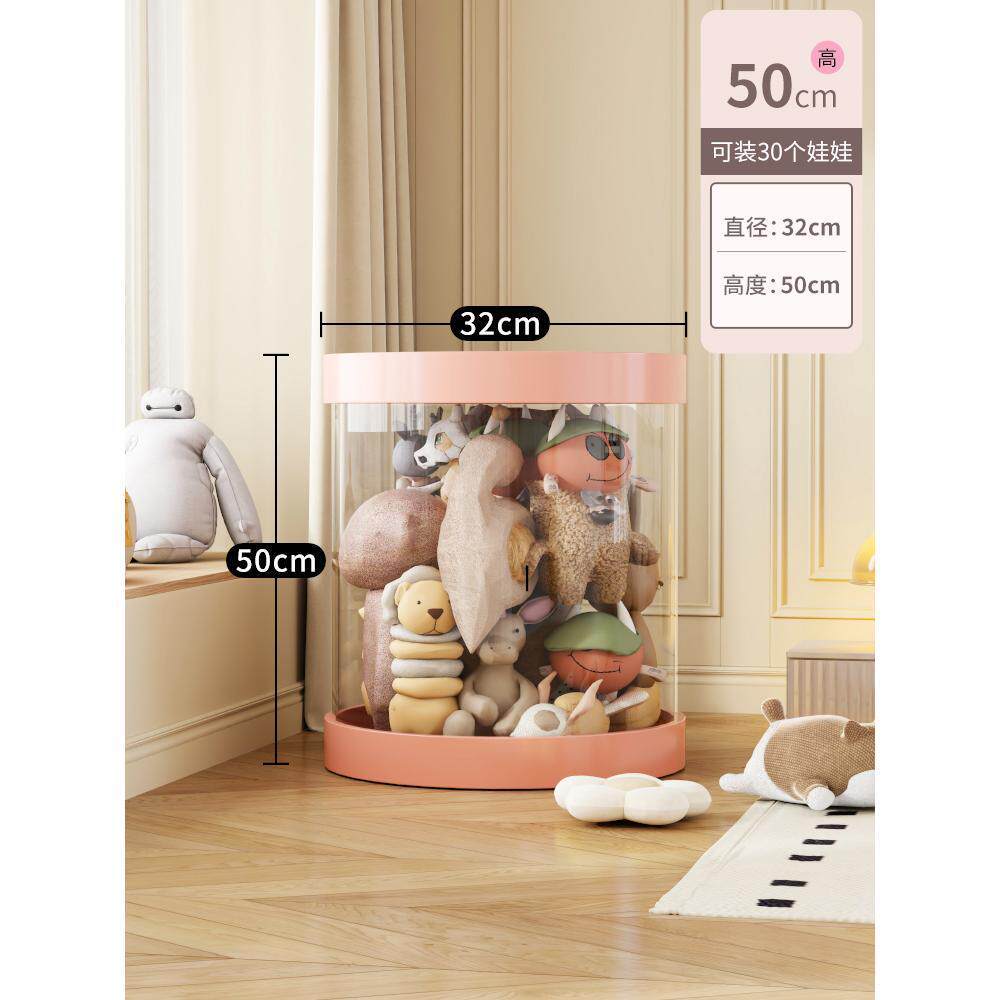
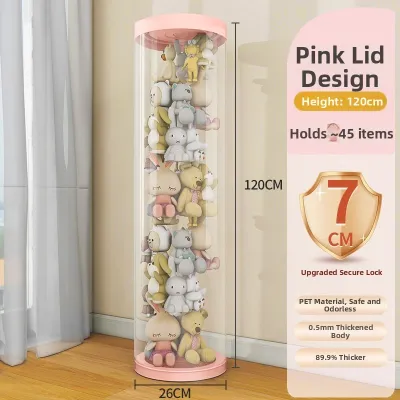
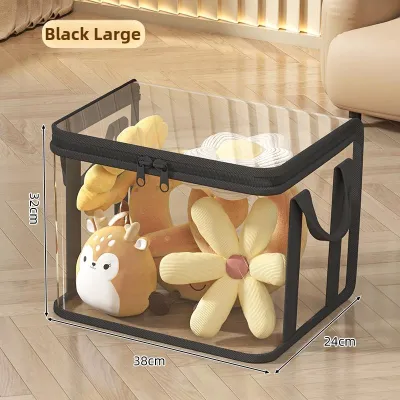
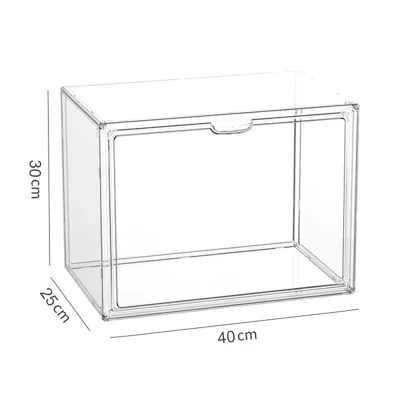
Prices are valid at publication and may change. Please refer to the product page for the latest price.
Structural hazards are a common source of nursery injuries. Avoid heavy wooden or plastic storage chests with heavy, free-falling lids. These pose a severe risk of trapping small fingers or falling on a child’s head or hands. If you choose a lidded box, ensure it features safety tension hinges that hold the lid open at any angle, or opt for lightweight, completely removable fabric lids. Additionally, inspect the unit for sharp edges, rough wood splinters, or small detachable parts like decorative buttons or plastic caps that could become choking hazards.
Ventilation is another vital consideration, particularly in Singapore’s warm and humid climate. Enclosed, airtight boxes can trap moisture, creating an environment where mold and mildew thrive on soft toys. This can trigger allergies or respiratory issues in infants. Look for storage options with built-in ventilation holes, open-weave designs, or breathable fabric panels. Proper ventilation also mitigates suffocation risks in the unlikely event that a child climbs inside the container.
Accessibility and stability are crucial for promoting safe, independent play. Low-profile bins allow toddlers to reach their favorite toys without needing to climb or stretch excessively. Ensure the storage container has a wide, stable base to prevent it from tipping over if a child leans against it. If a storage unit is tall or top-heavy, it must be securely anchored to prevent tip-over accidents.
Comparing Common Soft Toy Storage Box Materials and Styles
Different storage formats offer distinct advantages depending on your nursery layout, toy volume, and daily cleaning routines. Understanding the trade-offs of each material helps you choose the most practical option for your home.

Fabric and canvas bins are highly popular for nurseries because they are soft, lightweight, and pose virtually no bruising risk if a baby bumps into them. They are flexible enough to fit into tight corners or under cribs. However, caregivers must evaluate their structural stability when fully loaded. Some low-quality canvas bins sag or collapse under the weight of larger plush toys, making it difficult for toddlers to tidy up. Look for fabric bins with reinforced sides or removable structural inserts.
Washability is a key factor for fabric storage. Check if the bins have removable, machine-washable liners or if the entire bin can be washed. Some fabric bins use cardboard inserts for stiffness, which cannot be submerged in water; these must be spot-cleaned with a damp cloth and a baby-safe cleaner. Always verify the manufacturer’s cleaning instructions to maintain hygiene.
Clear plastic containers offer excellent visibility, allowing children to see exactly what is inside without dumping the entire contents onto the floor. They are highly durable, stackable, and easy to wipe down and sanitize. However, caregivers must check for secure, child-safe latches that cannot pinch small fingers. Ensure any plastic bin used in the nursery has ventilation holes, and avoid stacking them too high, as a tall stack of plastic bins can easily be pulled down by an active toddler.
Toy hammocks and mesh nets are excellent space-saving solutions for smaller Singapore bedrooms, utilizing unused corner walls to keep plush toys off the floor. While they are highly effective for keeping toys organized, they must be installed high out of reach of infants and toddlers to prevent strangulation or entanglement hazards. Caregivers must strictly adhere to the manufacturer’s weight limits and ensure the mounting hardware is securely anchored into the wall.
Multi-compartment organizers, which feature a sturdy frame holding multiple smaller removable bins, are excellent for sorting toys by size or type. They make cleanup interactive and help toddlers learn basic sorting skills. When choosing a multi-compartment organizer, ensure the frame has a wide, stable base and includes wall-anchoring hardware. The removable bins should be lightweight so they do not cause injury if a child accidentally pulls one down.
Sizing and Capacity Planning for Your Nursery
Before purchasing any storage solution, take the time to measure your available space and estimate your current and future toy storage needs. Proper planning prevents clutter and ensures the nursery remains a safe, walkable environment.
Start by measuring the designated floor, shelf, or closet space where the storage unit will be placed. In compact nursery layouts, maintaining clear, unobstructed walkways is vital for safe nighttime navigation during feedings. Ensure the storage unit does not block doors, drawers, or emergency exit paths. Keep a clear clearance zone around the crib and changing table.
To estimate the required capacity, gather all your baby’s soft toys and group them together. A practical strategy is to choose a storage solution that accommodates your current collection while leaving about 20% to 30% of extra space for future growth, such as gifts from family and friends. However, avoid buying an excessively large single bin, as this often leads to a disorganized pile where toys at the bottom are forgotten and subjected to dust and compression.
Balancing a single large bin against multiple smaller, categorized containers is often the best approach. Multiple smaller bins allow you to separate toys by size, texture, or developmental stage. This modular approach makes it easier to rotate toys, keeping your baby engaged with a few select items while the rest remain clean and stored away.
Weight considerations are also important. While individual soft toys are light, a large collection can become surprisingly heavy when packed together. Ensure the storage unit itself is lightweight or equipped with secure, lockable casters if it needs to be moved frequently for cleaning. If you are using shelving units, always place the heaviest items on the bottom shelves to keep the center of gravity low and prevent the unit from becoming top-heavy.
Pre-Purchase Verification and Setup Checklist
Once you have selected a storage style, follow a systematic verification and setup process to ensure the product is safe for your nursery before introducing it to your baby.
When purchasing online through ecommerce platforms, do not rely solely on promotional images. Upon delivery, immediately cross-reference the product descriptions with the physical manufacturer safety warnings, age recommendations, and assembly instructions. Verify that all parts are present and that there are no missing safety components, such as wall-anchor brackets.
Wall anchoring is essential for any storage unit taller than a toddler’s chest height, as well as any shelving units or multi-compartment organizers. In Singapore, this typically requires drilling into concrete walls. Ensure you use the correct wall plugs and heavy-duty screws appropriate for your wall type. Do not rely on adhesive strips or temporary mounting solutions, as these can fail under pressure.
During assembly, carefully inspect the unit for any manufacturing defects. Check for exposed screw heads, sharp metal edges, rough wood splinters, or unstable joints. Ensure all hardware is tightened securely and that the unit does not wobble when gentle pressure is applied. If the unit features drawers or doors, verify that they operate smoothly without sticking or creating pinch points.
If you encounter any issues during assembly, or if the unit feels unstable even after following the instructions, stop the installation immediately. Do not attempt to modify the unit yourself in a way that compromises its structural integrity. Consult a professional childproofing installer or contact the manufacturer for guidance or a replacement.
Cleaning and Maintenance Routines
Regular cleaning and maintenance of your soft toy storage boxes are essential for keeping the nursery hygienic and prolonging the lifespan of your storage units.
Always check the manufacturer’s care labels before cleaning. Fabric and canvas bins should be vacuumed regularly using an upholstery attachment to remove dust and pet hair. If the fabric is washable, follow the temperature and detergent recommendations. For plastic or wooden surfaces, wipe them down weekly using a damp cloth and a mild, baby-safe, fragrance-free cleaner. Avoid harsh chemical disinfectants that can leave harmful residues on surfaces your baby might touch.
Establish a routine for dusting and inspecting the stored toys. Dust accumulates quickly in residential spaces, so vacuuming around and under the storage units should be done regularly. During your weekly cleaning, inspect the stored plush toys for loose seams, exposed stuffing, or loose plastic eyes that could become choking hazards. Also, check the storage containers for any signs of pest intrusion, which can occur in warm, humid environments.
Immediately discard or replace any storage components that show signs of damage. If a fabric bin develops mold that cannot be washed out, or if a plastic container cracks and creates sharp edges, it must be replaced right away. Do not attempt to repair cracked plastic with tape or glue, as these temporary fixes can easily be peeled off and swallowed by a curious baby.
Frequently Asked Questions (FAQ)
Can I use regular household storage boxes in a baby's nursery?
Standard household storage boxes often lack the safety features required for a nursery. Many general-use plastic or wooden boxes feature heavy, tight-fitting lids that pose finger-trapping or suffocation risks, or they may have sharp plastic edges and fragile latches that break easily. Additionally, standard household units are rarely tested for child-safe, non-toxic materials. You should only repurpose a household box if it is open-topped, lightweight, made from verified non-toxic materials, has completely rounded edges, and is kept under continuous adult supervision.
How do I prevent soft toys from getting dusty inside the storage box?
Managing dust requires balancing dust protection with proper ventilation. While completely sealed, airtight containers prevent dust from entering, they trap moisture in humid climates, leading to mold growth. To prevent dust while maintaining airflow, opt for storage boxes with breathable fabric lids, lightweight mesh covers, or open-weave structures. Additionally, establish a regular cleaning routine: vacuum the nursery floor and the exterior of the storage boxes weekly, and wash or tumble-dry the plush toys on a gentle, low-heat cycle periodically according to their care labels to keep them fresh and dust-free.

Community discussion
Share your experience or ask a question. Comments are reviewed before publication.