
Transitioning a toddler from diapers to the toilet is a major developmental milestone that requires patience, consistency, and the right tools. For eco-conscious parents in Singapore, reusable potty training pants offer a sustainable, cost-effective, and developmentally supportive alternative to single-use disposable pull-ups. By reducing landfill waste and providing immediate wetness feedback, these reusable alternatives help toddlers connect physical sensations with bodily functions. Selecting the right options involves understanding fabric performance, verifying environmental certifications, and managing the unique challenges of a tropical climate.
The Environmental and Practical Case for Reusable Training Pants
Every year, millions of single-use diapers and disposable pull-up pants end up in landfills. In Singapore, where domestic waste is incinerated and the resulting ash is sent to the Semakau Landfill, reducing household waste is a critical step toward sustainable living. The potty training phase can last several months, during which a toddler might go through hundreds of disposable pull-ups. Swapping to reusable training pants prevents these non-biodegradable plastics and synthetic chemical absorbent polymers from entering the waste stream, significantly lowering your household’s carbon footprint.
Beyond environmental benefits, reusable training pants play a vital role in potty training psychology. Disposable pull-ups are designed to lock moisture away instantly, keeping the child feeling dry even after they have voided their bladder. While this prevents leaks, it delays the child’s awareness of their bodily functions. Reusable cloth pants allow the toddler to feel the immediate, slightly uncomfortable sensation of cold wetness against their skin. This sensory feedback loop is crucial for cognitive development, helping the child connect the physical urge to urinate with the wet consequence, which naturally accelerates the training process.
Products mentioned in this guide
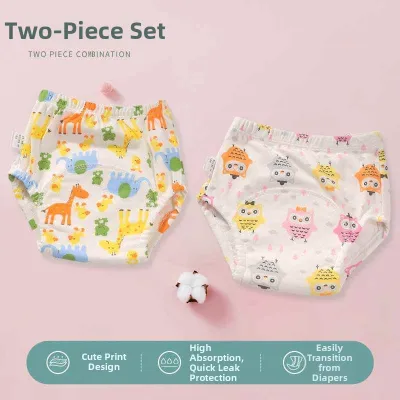
![[SG Ready Stock] Baby Toilet Training Pants Cotton Summer Breathable Kids Potty Training Pants Rewashable Diapers](https://img.lazcdn.com/g/p/4d301591498842b30b331bb768b7d2cf.jpg_400x400q80.jpg_.webp)
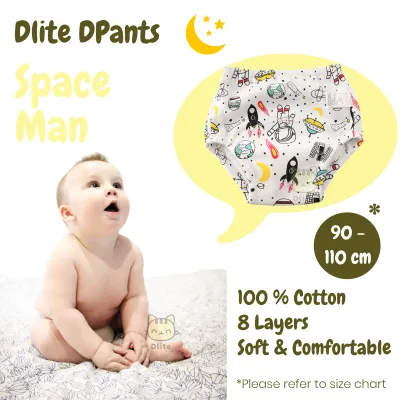
![[4 at $10.90] Baby Toilet Training Pants 6 Layers Reusable Cloth Diaper Waterproof Underwear Nappy Potty Highly Absorbent](https://img.lazcdn.com/g/p/8ddde1677384c797b9de2af14f2beb0f.png_400x400q80.png_.webp)
![[SG Ready Stock] Baby Toddler Girls Boys 6 Layer Cotton Toilet Potty Training Pants Rewashable Underwear Diapers [Little Gems] BLO005](https://img.lazcdn.com/g/p/81afa0b07219e9cddc0d2f8d334f8fbc.jpg_400x400q80.jpg_.webp)
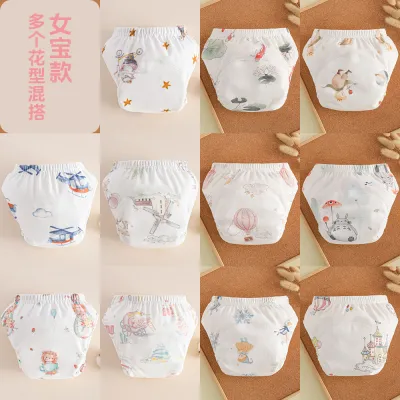
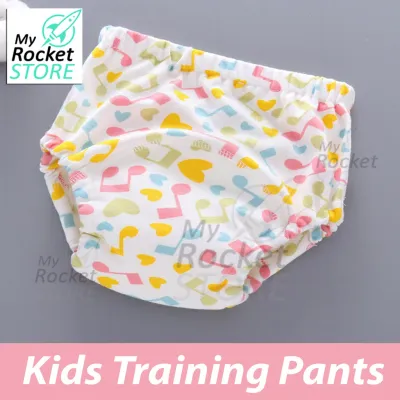
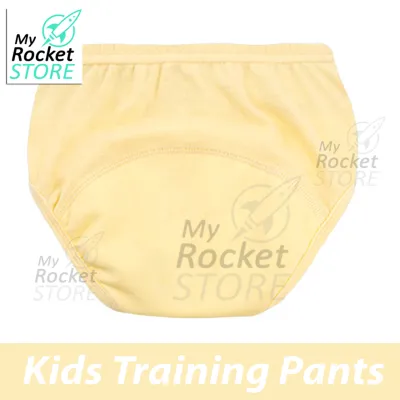
Prices are valid at publication and may change. Please refer to the product page for the latest price.
From a financial perspective, the long-term value of reusable training pants is substantial. Although the initial upfront cost of a reusable stash is higher than a single box of disposables, the overall expenditure over the course of the potty training journey is significantly lower. High-quality reusable pants can be washed and reused hundreds of times, and they can be saved for younger siblings or passed on to other families. This durability aligns financial savings with a zero-waste lifestyle, making reusables a highly practical investment for growing families.
How to Evaluate Eco-Friendly Training Pants: Materials and Features
Navigating the market for eco-friendly training pants requires a clear understanding of fabric science and design features. Rather than relying on front-of-package marketing claims, parents should look closely at the material composition labels to assess the environmental impact and performance of each product.

Sustainable Materials Breakdown
Different eco-friendly fabrics offer distinct advantages and trade-offs in terms of absorbency, breathability, and drying times:
- Organic Cotton: This natural fiber is exceptionally soft, highly breathable, and grown without synthetic pesticides. It is ideal for sensitive skin but has moderate absorbency and can feel damp quickly, which is excellent for wetness feedback.
- Bamboo Viscose: Known for its silky texture and natural cooling properties, bamboo viscose is highly absorbent and comfortable in hot weather. However, parents should note that the chemical process used to turn bamboo into viscose can vary in environmental impact.
- Hemp: This is one of the most sustainable crops available, requiring minimal water to grow. Hemp fibers are highly durable and offer outstanding absorbency-to-thickness ratios, though they can feel somewhat stiff when line-dried and take longer to dry completely.
Verifying Eco-Credentials
To ensure that a brand’s environmental claims are legitimate, look for recognized textile standards on the product packaging or the manufacturer’s official website. The Global Organic Textile Standard (GOTS) ensures that fibers are genuinely organic and processed under strict environmental and social criteria. Additionally, the Oeko-Tex Standard 100 certification guarantees that the finished fabric has been rigorously tested for harmful levels of toxic chemicals, ensuring it is safe for direct contact with your toddler’s skin.
Absorbency vs. Wetness Feedback
An effective training pant must strike a delicate balance between containing minor accidents and letting the child feel wet. Unlike diapers, which are designed to maximize dryness, training pants should only have enough absorbent layers to contain a single small accident, preventing immediate puddles on your flooring or car seats. A waterproof outer layer, typically made of polyurethane laminate (PUL) or thermoplastic polyurethane (TPU), is essential to contain leaks while keeping the outer clothing dry.
Functional Design for Toddlers
When evaluating designs, look for features that foster independence and simplify cleanups:
- Stretchy Waistbands: A highly elastic, comfortable waistband allows toddlers to pull their pants down and up easily by themselves when they feel a sudden urge, building confidence and fine motor skills.
- Side Snap Closures: This feature is invaluable for managing bowel accidents. Instead of sliding a soiled garment down your child's legs—which can cause a significant mess—side snaps allow you to lay the child down and open the pants like a diaper for clean, easy removal.
Recommended Reusable Potty Training Pants for Different Needs
Finding the right reusable training pants in Singapore involves matching your child’s specific developmental stage and physical needs with the right product design. Always consult the manufacturer’s specific size and weight charts rather than relying solely on age labels, as a secure fit around the legs and waist is critical to prevent leaks.
Best for Sensitive Skin (Natural and Organic Fibers)
For toddlers prone to contact dermatitis, heat rash, or skin sensitivities, prioritizing natural, unbleached organic fibers is essential. Synthetic fabrics can trap heat and sweat, especially in Singapore’s tropical climate, leading to skin irritation.
Thirsties Organic Cotton Training Pants are an excellent option for sensitive skin. The interior features four layers of soft, certified organic cotton, while the exterior has a waterproof TPU laminate to prevent leaks. The primary advantage of this design is its exceptional breathability, which helps keep your child’s skin cool and dry between accidents.
However, because organic cotton does not contain synthetic super-absorbent polymers, these pants have lower liquid retention than disposable alternatives. Caregivers must change the child immediately after an accident to prevent leaks and skin irritation. If persistent redness, chafing, or a severe diaper rash develops, stop using the product immediately and consult a qualified pediatrician or medical professional. These pants are widely available through specialized local baby boutiques and online marketplaces in Singapore.
Best for Heavy Wetters (Highly Absorbent Eco-Materials)
Some toddlers release larger volumes of urine, making standard training pants prone to immediate leaks during car rides, outings, or nap times.
The GroVia My Choice Trainer is highly recommended for heavy wetters due to its unique pocket design. This feature allows parents to customize the level of absorbency by adding extra booster pads, such as hemp or organic cotton inserts, inside the pocket. The trainer features a waterproof outer layer and stretchy side panels that make it easy for toddlers to pull up and down independently.
While the added absorbency provides peace of mind during outings along the MRT or bus routes, the trade-off is increased bulkiness under clothing. Additionally, if the pocket is stuffed too tightly, the side snaps can become stiff, making it harder for a toddler to pull them down quickly during a sudden bathroom urge. Parents can find these trainers and compatible inserts through local eco-friendly baby retailers and official online distributors in Singapore.
Best for Longevity (Adjustable and One-Size Designs)
To maximize your environmental and financial investment, choosing training pants that grow with your child or can be easily adjusted for siblings is a highly sustainable strategy.
Charlie Banana One-Size Training Pants feature a patented adjustable leg elastic system hidden inside the soft organic cotton lining. By adjusting the internal elastics, parents can customize the fit around the thighs and waist, allowing a single pair of pants to accommodate a wide weight range as the toddler grows. The durable outer waterproof layer and high-quality elastics are designed to withstand frequent washing cycles.
The primary limitation of this design is that the initial setup requires manual adjustment of the internal elastics, which can be tedious. Caregivers must also follow the manufacturer’s care instructions carefully, as washing at excessively high temperatures can degrade the elastics and the waterproof TPU lining over time. These adjustable trainers are stocked by several local Singaporean eco-stores and online parenting platforms.
Washing and Drying Reusable Training Pants in Singapore's Climate
Proper maintenance is a core pillar of eco-conscious consumption. Extending the lifespan of your reusable training pants reduces waste and ensures they perform effectively throughout your child’s potty training journey. Singapore’s high relative humidity, however, presents unique challenges for drying multi-layered cloth fabrics.
Washing Routine
To preserve the absorbency and waterproof integrity of the training pants, establish a consistent, gentle washing routine:
- Pre-Rinse: Flush any solid waste into the toilet immediately. Run a short, cold pre-wash cycle in your washing machine to rinse away organic matter and prevent stains from setting.
- Main Wash: Run a warm main wash cycle (typically up to 40°C, or according to the manufacturer's care label) using a baby-safe, plant-based detergent. Avoid detergents with optical brighteners, as these can build up on the fabric.
- Avoid Additives: Strictly avoid fabric softeners, which leave a waxy coating on the fibers that repels moisture and drastically reduces absorbency. Do not use chlorine bleach, as it degrades the waterproof laminate and destroys the elastic fibers.
Managing Humidity and Drying
Singapore’s high humidity can cause thick, multi-layered cloth pants to dry slowly, leading to musty odors or mildew. To prevent this, hang the pants in a well-ventilated area, preferably near an open window or in a service yard with a running standing fan to promote air circulation. If line-drying indoors, utilizing a dehumidifier can significantly speed up drying times. Always check the manufacturer’s care label before using a clothes dryer; while some brands permit low-heat tumble drying, others forbid it as excessive heat can melt or crack the waterproof TPU/PUL layer.
Safe Stain Management
For stubborn stains, avoid harsh chemical stain removers that can irritate your toddler’s skin and degrade the fabric. Instead, take advantage of Singapore’s abundant sunlight by placing wet, clean training pants in direct sunlight on your balcony or near a bright window. The sun acts as a natural, non-toxic bleaching agent that sanitizes the fabric and fades stains safely. For persistent discoloration, an eco-friendly oxygen-based stain remover may be used, provided it is approved by the manufacturer’s care instructions.
End-of-Life Disposal
Over time, elastics may lose their stretch, or the waterproof lining may begin to crack or peel (delaminate). If you notice liquid leaking straight through the outer fabric despite a proper fit, the waterproof layer has likely degraded. At this stage, you can repurpose the soft cotton or bamboo inner layers as household cleaning rags, while disposing of the synthetic outer components responsibly in accordance with local waste guidelines.
Frequently Asked Questions (FAQ)
How many pairs of reusable potty training pants do I need?
The ideal number of training pants depends on your child’s progress, your washing frequency, and local drying times. A practical starting point is a stash of 6 to 10 pairs. This quantity typically covers two days of accidents while allowing a buffer for washing and drying in Singapore’s humid climate. If your child is in the early stages of training and having frequent accidents, or if you do not have access to a clothes dryer, you may want to increase your stash to 12 or 15 pairs to ensure you always have a clean, dry pair on hand.
Can I use reusable training pants for nighttime potty training?
Standard daytime reusable training pants are not designed to handle the heavy, prolonged volume of nighttime wetting. They are constructed to contain a single minor accident while providing wetness feedback, whereas overnight sleep requires maximum absorbency to keep bedding dry. If you wish to avoid disposable night-time pull-ups, look for specialized overnight cloth trainers that feature extra pocket layers for heavy inserts, or pair a highly absorbent reusable night diaper with a waterproof mattress protector.
Are bamboo training pants truly eco-friendly?
While bamboo is a highly sustainable, fast-growing crop that requires no pesticides, the process used to turn it into fabric impacts its overall eco-friendliness. Most bamboo clothing is made of bamboo viscose, which is processed using chemical solvents. To ensure your purchase is as environmentally friendly as possible, look for brands that use closed-loop manufacturing systems—where water and solvents are recycled—or those carrying independent certifications such as OEKO-TEX or FSC (Forest Stewardship Council) to verify their environmental standards.

Community discussion
Share your experience or ask a question. Comments are reviewed before publication.