
Potty training is a major developmental milestone for toddlers, marking a significant step toward independence. For parents navigating this transition in Singapore, finding the right kids potty training pants is essential to balancing accident protection with the sensory feedback children need to learn. Reusable potty training pants have grown increasingly popular among local families as an eco-friendly, cost-effective alternative to disposable pull-ups.
Several reputable brands—including Charlie Banana, GroVia, SuperUndies, and Thirsties—offer high-quality reusable options that cater to different wetting patterns, skin sensitivities, and toddler lifestyles. However, the ideal choice depends on your child’s developmental stage, weight, and how well the fabric performs in Singapore’s tropical climate. Understanding the differences in materials, absorbency levels, and designs will help you select the best option for your household.
Why Choose Reusable Potty Training Pants for Toilet Training?
Transitioning from diapers to underwear requires a toddler to make a cognitive connection between the physical sensation of a full bladder and the act of urinating. Disposable pull-up diapers are engineered with super-absorbent polymers that lock moisture away instantly, keeping the child feeling dry even after an accident. Reusable potty training pants, by contrast, intentionally allow the child to feel the dampness against their skin. This immediate physical feedback is a powerful teaching tool, helping toddlers recognize when they have wet themselves and encouraging them to use the toilet next time.
Products mentioned in this guide
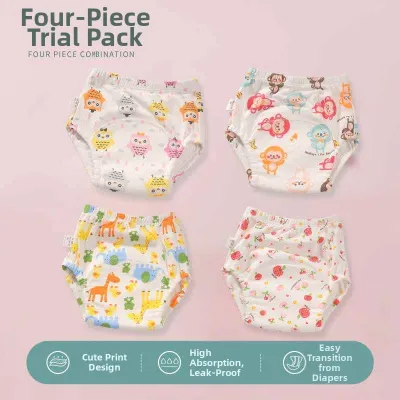
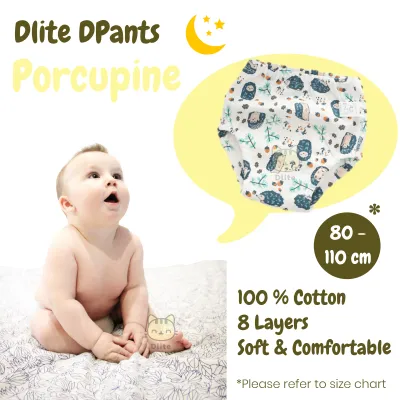
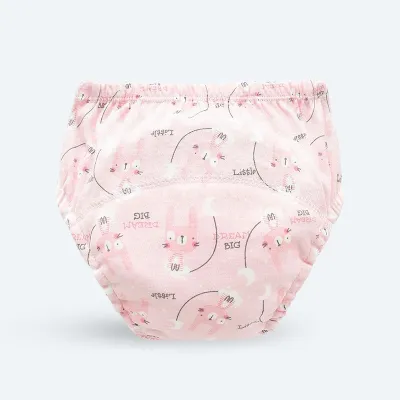
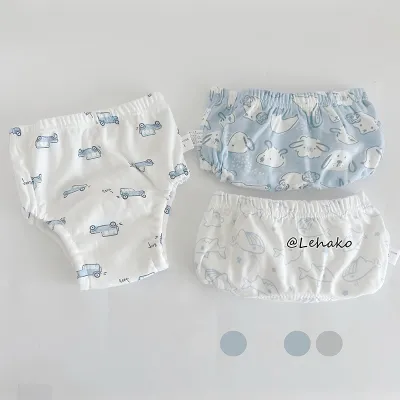
![[4 at $10.90] Baby Toilet Training Pants 6 Layers Reusable Cloth Diaper Waterproof Underwear Nappy Potty Highly Absorbent](https://img.lazcdn.com/g/p/8ddde1677384c797b9de2af14f2beb0f.png_400x400q80.png_.webp)
![[SG Ready Stock] Baby Toilet Training Pants 6 Layers Cotton Toddler Kid Potty Training Underwear Washable Cloth Diaper Children Day Gifts](https://img.lazcdn.com/g/p/3987f2eec680cd64554d9932f24c6993.jpg_400x400q80.jpg_.webp)
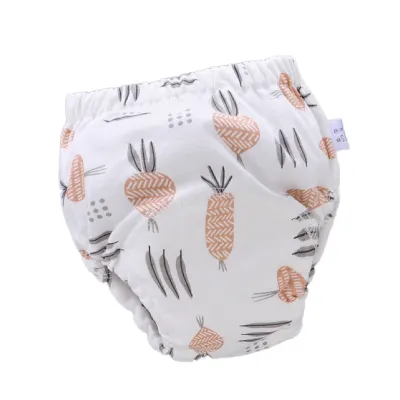
Prices are valid at publication and may change. Please refer to the product page for the latest price.
From an environmental perspective, choosing cloth training pants significantly reduces household waste. Singapore’s domestic waste is incinerated and sent to the Semakau Landfill, which has a limited lifespan. By opting for reusable pants instead of single-use disposables, families can play a direct role in minimizing the volume of non-biodegradable plastics and materials entering the waste stream.
Financially, reusable training pants represent a highly cost-effective choice over time. While the upfront investment for a single pair of cloth training pants typically ranges from S$15 to S$35, a rotating stash of eight to ten pairs can last through the entire potty training process. These durable garments can also be passed down to younger siblings or sold secondhand within local parenting communities, resulting in substantial savings compared to buying monthly boxes of disposable pull-ups.
How to Choose the Right Cloth Training Pants for Your Toddler
Selecting the right reusable training pants requires balancing practical features with your toddler’s specific physical and behavioral needs. Because every child progresses at a different pace, look for products that align with your daily routine and washing capabilities.

- Absorbency vs. Wetness Feedback: The primary purpose of training pants is to catch small accidents, not to act as a heavy-duty diaper. Look for pants that offer enough absorbent layers to protect your floors and furniture during a sudden leak, but still allow the inner lining to feel wet against your toddler's skin.
- Materials and Breathability: The choice of fabric directly impacts skin health and drying times. Natural fibers like organic cotton, bamboo, and hemp are highly breathable and gentle on sensitive skin, making them excellent for Singapore's hot weather. Synthetic options, such as polyester or microfiber, absorb liquid rapidly and dry quickly after washing, but they may trap heat and sweat if worn for extended periods.
- Design and Fit: Pull-up styles feature elastic waistbands that mimic adult underwear, allowing active toddlers to practice pulling their pants down independently. Alternatively, snap-on or side-opening designs are incredibly useful during the early stages of training, as they allow you to remove a soiled pant easily without dragging a mess down your child's legs.
- Ease of Cleaning: In Singapore's humid climate, fabric thickness affects how quickly laundry dries. Thicker, multi-layered natural fiber pants may require longer drying times, which is an important factor to consider if you rely on indoor clotheslines or have limited balcony space.
Top Reusable Potty Training Pants Brands to Consider in Singapore
Because product availability, local stock, and exact pricing fluctuate, focus on each brand’s core design philosophy and material composition. When purchasing, always verify current sizing charts, weight limits, and specific textile certifications directly on the official brand websites or through local specialty baby retailers in Singapore.
Best for Heavy Wetters: Maximum Absorbency Options
For toddlers who release larger volumes of urine at once, or for use during car rides and afternoon naps, brands like SuperUndies and the GroVia My Choice Trainer offer robust protection. These brands often feature built-in absorbent microfiber or cotton cores combined with pocket openings. These pockets allow parents to slide in extra booster pads—such as hemp or bamboo inserts—to customize the absorbency level based on the situation.
- The Trade-off: Highly absorbent training pants naturally have a bulkier profile under clothing. This extra bulk can occasionally restrict a highly active toddler's movement and may feel warmer during outdoor play in Singapore's tropical heat.
- Limitations & Checks: Always inspect the quality of the waterproof outer layer, which is typically made of Polyurethane Laminate (PUL), to ensure it is intact and leak-proof. Note that even highly absorbent training pants are generally not designed to replace dedicated overnight diapers if your child is a very heavy nighttime wetter.
Best for Sensitive Skin: Organic and Eco-Friendly Choices
If your toddler is prone to diaper rash, eczema, or skin irritation, brands like Charlie Banana and Zoocchini offer excellent options made with natural, unbleached, or organic fibers. These training pants prioritize organic cotton or bamboo fleece linings next to the child’s skin. These natural materials are highly breathable, allowing air to circulate freely and reducing the risk of contact dermatitis or sweat rashes in the groin area.
- The Trade-off: Natural fibers do not wick moisture away from the skin, meaning you must change your toddler immediately after an accident to prevent irritation from prolonged wetness. Additionally, organic cotton and bamboo layers are dense and take longer to air-dry in humid weather.
- Limitations & Checks: To ensure you are getting genuine organic or chemical-safe materials, physically check the product labels for recognized textile certifications, such as the Global Organic Textile Standard (GOTS) or Oeko-Tex Standard 100, rather than relying solely on generic marketing terms like "natural."
Best for Active Toddlers: Comfort and Secure Fit
For highly mobile toddlers who are constantly running, climbing, and playing, brands like Thirsties Potty Training Pants and Kanga Care Lil Learnerz provide a streamlined, comfortable fit. These designs feature exceptionally soft, wide elastic waistbands and gentle leg gussets that stretch dynamically with your child’s movements, preventing red marks and chafing.
- The Trade-off: The streamlined, underwear-like fit of these pull-up styles means they contain less absorbent material overall. They are designed strictly to catch minor leaks rather than full bladder releases.
- Limitations & Checks: Pull-up styles can be messy and challenging to remove cleanly if your child has a solid bowel movement. It is highly recommended to keep a few snap-on or side-opening alternatives in your diaper bag for quick changes when using public restrooms in Singapore shopping malls.
How to Wash and Care for Cloth Training Pants in a Humid Climate
Proper maintenance of reusable training pants ensures optimal hygiene, preserves fabric absorbency, and extends the lifespan of the garments. Singapore’s high relative humidity requires specific drying strategies to prevent musty odors and mildew.
Pre-Wash Handling If your toddler has a solid accident, shake the waste directly into the toilet bowl. For loose stools, use a bathroom diaper sprayer to rinse the fabric thoroughly before placing the pants in a dry, well-ventilated pail. Do not let soiled pants sit in a closed bucket for more than two days, as the warm, humid climate accelerates ammonia buildup, fabric degradation, and mold growth.
Washing Machine Settings Wash the training pants on a warm cycle, ensuring you do not exceed the manufacturer’s recommended maximum temperature (typically 40°C or 60°C). Use a toddler-safe, fragrance-free laundry detergent.
- Crucial Warning: Never use fabric softeners or chlorine bleach. Fabric softeners leave a waxy coating on the fibers that repels liquid, completely ruining the pants' absorbency. Bleach can degrade the waterproof PUL outer layer and cause severe skin irritation for your toddler.
Drying Strategies Whenever possible, hang the training pants in direct sunlight on an outdoor clothesline or balcony rack. Sunlight acts as a natural sanitizer and helps fade stubborn organic stains. If you must dry the pants indoors due to rain or limited space, position a standing fan or a dehumidifier near the drying rack to improve air circulation and prevent musty odors. If you choose to use a mechanical clothes dryer, always check the manufacturer’s care label first to ensure the heat setting is low enough to prevent melting or delaminating the waterproof outer layer.
When to Transition to Regular Underwear
The ultimate goal of using potty training pants is to transition your child into regular cotton underwear. Because children develop at different rates, look for consistent physical and behavioral cues rather than focusing strictly on age.
Common signs of readiness include:
- Staying dry for consecutive hours during the day or waking up dry after an afternoon nap.
- Verbally or physically communicating the need to use the toilet before an accident happens.
- The ability to pull their training pants down and up independently.
- Showing a clear interest in using the toilet or wearing "big kid" underwear.
Expect minor setbacks and occasional accidents, as regression is a normal part of the learning process. Maintain a patient, encouraging attitude to build your child’s confidence.
Safety & Health Boundary: If your toddler develops a persistent, severe skin rash that does not improve with standard care, shows symptoms of urinary tract discomfort (such as crying or straining during urination), or exhibits intense emotional distress and resistance to using the toilet, pause the potty training process immediately. Revert to comfortable, highly absorbent options and consult a pediatrician or qualified healthcare professional in Singapore for personalized guidance.

Community discussion
Share your experience or ask a question. Comments are reviewed before publication.