
Setting up a nursery requires a careful balance of aesthetics, safety, and spatial efficiency. Plush toys—often gifted by well-meaning relatives or collected during early childhood—can quickly overwhelm a baby’s room if left unmanaged. Finding the best plush toy storage solution is not just about keeping the room tidy; it is also about protecting your child’s health from dust mites, ensuring physical safety, and encouraging developmental milestones.
The ideal storage option depends heavily on your nursery’s layout, your child’s age, and your daily routine. For instance, while a floor-level cotton basket is perfect for a toddler learning to tidy up, a wall-mounted hammock is better suited for keeping a collection out of reach of a crawling infant. By understanding the unique advantages and safety profiles of different storage types, you can create a functional, clean, and beautiful environment for your little one.
Key Criteria for Choosing Nursery Plush Toy Storage
Selecting the right storage solution for your nursery involves more than simply finding a container that matches your colour scheme. Because babies and toddlers interact with their environment in highly physical ways, every piece of furniture and accessory must be evaluated through a lens of safety, accessibility, and hygiene.
Products mentioned in this guide
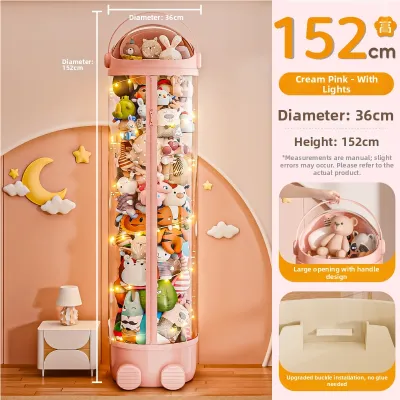
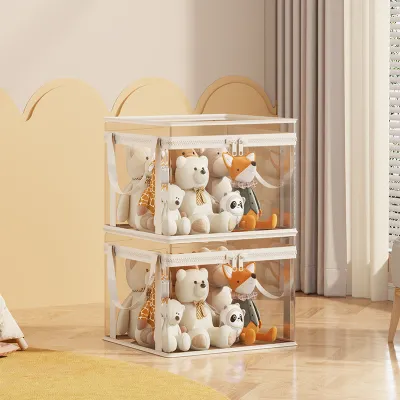
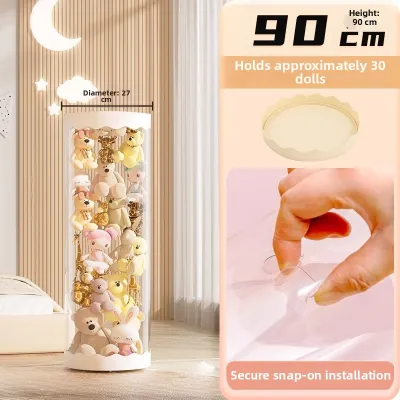
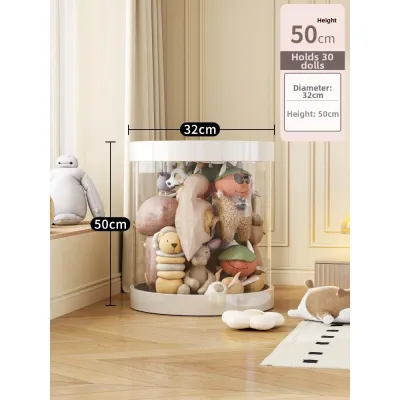
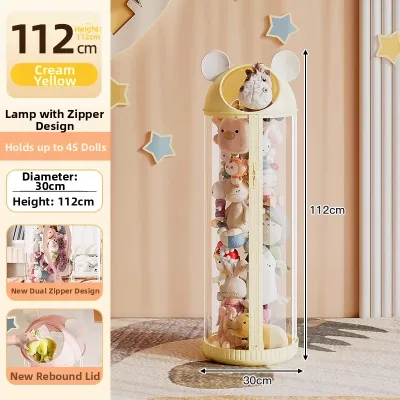
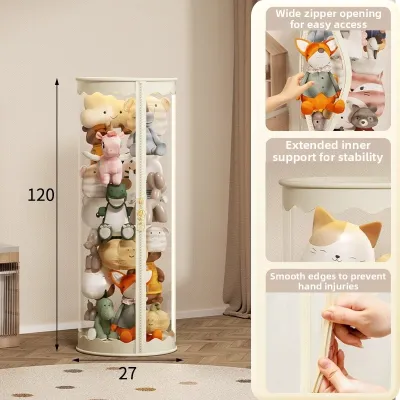
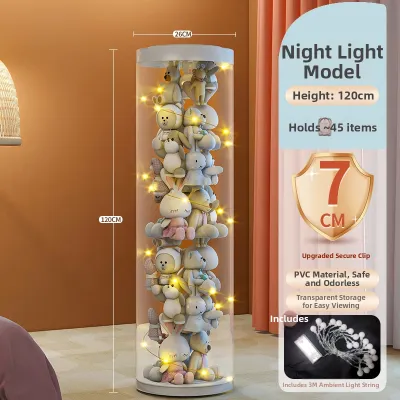
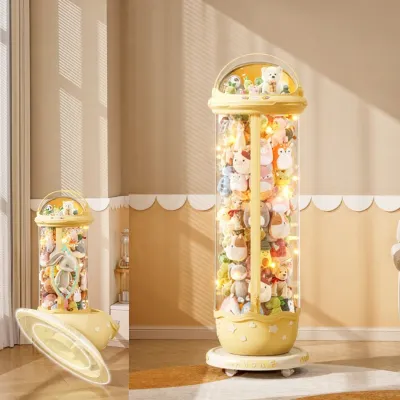
Prices are valid at publication and may change. Please refer to the product page for the latest price.
Safety First
When evaluating any storage unit, physical safety is the non-negotiable starting point. Inspect the unit for sharp edges, rough finishes, or exposed hardware that could scratch delicate skin. If you are choosing freestanding furniture, ensure it has a wide, stable base that resists tipping.
Choking hazards are another critical consideration. Examine the storage unit itself for small detachable parts, decorative beads, loose buttons, or plastic caps that a curious infant could pull off and swallow. If the storage container has zippers, ensure they are high-quality, lead-free, and do not have small, easily breakable pull tabs.
Accessibility and Development
Matching the storage height to your child’s developmental stage supports both safety and learning. For infants under 12 months, plush toys should be kept entirely out of reach when not in use to prevent accidental suffocation risks in the sleeping area. High-mounted shelves or wall hammocks are ideal during this stage.
As your baby transitions into a crawling and walking toddler, low-profile, open-front storage becomes highly beneficial. Floor-level baskets and low cubbies allow toddlers to choose their own toys, which fosters cognitive decision-making and independence. Returning a toy to a low basket also helps develop gross motor skills and introduces early habits of tidiness.
Space Constraints
In compact urban apartments, such as those commonly found in Singapore, floor space is at a premium. A large, wide toy chest may take up valuable play space on the floor, making vertical storage solutions a much smarter choice.
Evaluating vertical space versus floor space utilization is key. Wall corners, the backs of doors, and empty closet walls are often underutilized areas that can host substantial plush toy collections without encroaching on the room’s physical footprint.
Material and Hygiene
Singapore’s tropical climate features high year-round humidity, which creates an environment where dust mites and mold can thrive. Plush toys are notorious for trapping dust, pet dander, and moisture, making the choice of storage material incredibly important for respiratory health.
Look for storage options made from breathable, natural, or easy-to-wipe materials. Woven cotton rope, canvas, and open mesh allow air to circulate around the toys, reducing moisture buildup. Avoid heavy, non-breathable synthetic plastics or unsealed wood containers that can trap humid air and encourage mildew growth inside the container.
Top Plush Toy Storage Types for Nurseries
To help you find the perfect fit for your home, we have categorized and evaluated the most popular plush toy storage options. Each type offers distinct advantages depending on your space, budget, and child’s age.

Storage Bins, Baskets, and Lidded Containers
Floor-level and shelf-compatible containers are the most common and versatile options for everyday toy management. These range from soft fabric bins to structured woven baskets and clear utility boxes.
- Types: This category includes woven cotton rope baskets, canvas fabric bins, and transparent plastic lidded tubs.
- Pros: These containers are exceptionally easy for young children to use, allowing for quick "toss-and-go" cleanups. Soft fabric and cotton rope baskets have no sharp corners, making them incredibly safe for crawling babies. They are highly portable and can easily be moved from the nursery to the living room as play locations shift.
- Cons: Deep baskets can easily turn into "bottomless pits" where smaller plush toys settle at the bottom, getting crushed and forgotten. Heavy, solid lids on wooden or plastic toy chests pose a severe pinch hazard for tiny fingers unless equipped with safety hinges.
- Buying Checklist:
- Verify the handles are double-stitched or reinforced to handle pulling.
- Choose breathable fabrics like cotton or canvas over synthetic vinyl.
- If selecting a lidded container, opt for a removable fabric lid or a wooden lid with a built-in safety gap and soft-close mechanisms.
Toy Hammocks and Corner Nets
Wall-mounted and corner-hanging solutions are designed to maximize vertical space by utilizing the often-empty corners of a room.
- Types: These are triangular nets or woven macrame hammocks that stretch across a corner and hook into the adjacent walls.
- Pros: They are highly efficient for compact nurseries, keeping the entire plush collection off the floor. They display the toys attractively, turning your child's favorite plushies into a colorful wall feature.
- Cons: They require drilling into the wall to install secure hooks, which may not be ideal for rental properties. Because they are mounted high up, young children cannot access their toys independently, requiring parental assistance. If overloaded, they can sag unsightly or pull the mounting hardware out of the wall.
- Buying Checklist:
- Check the manufacturer's specified weight limit before purchasing.
- Ensure the package includes high-quality metal wall anchors and screw-in hooks rather than simple adhesive strips.
- Verify the mesh or weave size is small enough to prevent tiny plush toys from falling through and tight enough to prevent a child's fingers from getting caught.
Open Shelving and Cubbies
Structured, furniture-based storage offers a permanent, organized, and highly visual way to manage toys and books together.
- Types: This includes low-profile wooden bookshelves, modular cube organizers (often paired with fabric drawer inserts), and floating wall shelves.
- Pros: Shelving units provide a dedicated home for each toy, which teaches children categorization and order. Low cubbies allow toddlers easy access to their toys. They also integrate seamlessly with standard nursery decor and can transition into school-age storage later on.
- Cons: Freestanding shelves occupy a permanent physical footprint on the floor. They present a major safety risk if a child attempts to climb them to reach a toy on a high shelf. Additionally, open shelves leave plush toys fully exposed to settling dust.
- Buying Checklist:
- Ensure the furniture item includes a certified anti-tip wall anchoring kit.
- Check that the shelf depth is at least 30 centimeters to comfortably hold medium-sized plushies without them hanging over the edge.
- Verify that the materials use non-toxic, low-VOC (volatile organic compound) finishes and paints to protect nursery air quality.
Hanging Organizers and Door Racks
Over-the-door and closet-based organizers are excellent for utilizing dead space behind doors or inside wardrobes.
- Types: These include fabric pocket organizers that hang over standard doors, as well as vertical hanging shelves that attach directly to a closet rod.
- Pros: They make brilliant use of unused space, keeping large collections of small-to-medium plushies organized and out of sight. They are perfect for separating toys by size, color, or character.
- Cons: Overloading these organizers can make the nursery door heavy, noisy, or difficult to close properly. The hooks can scratch the top of the door frame if they do not fit snugly. Furthermore, the higher pockets are completely inaccessible to young children.
- Buying Checklist:
- Measure your door thickness and top clearance to ensure the hanging brackets will fit without scraping the door frame.
- Look for organizers with reinforced backing boards or stiff pocket rims to prevent the pockets from sagging forward when filled.
- Choose models with clear plastic or breathable mesh pockets so you can easily see which plush toy is in each pocket.
Comparing Nursery Storage Solutions: Which Type Fits Your Space?
To help you decide which storage type best matches your nursery layout and parenting style, refer to the quick-comparison table below.
| Storage Type | Best For | Space Efficiency | Child Accessibility | Installation Effort |
|---|---|---|---|---|
| Bins & Baskets | Daily play, quick cleanups, and toddler independence | Low to Moderate | High (Floor-level) | None (Ready to use) |
| Toy Hammocks | Displaying collections and saving floor space | High (Vertical) | Low (Out of reach) | Moderate (Requires wall drilling) |
| Open Shelving | Structured display, books, and long-term room integration | Moderate | High to Low (Depending on height) | High (Requires wall anchoring) |
| Hanging Organizers | Compact rooms, closet storage, and small plushies | High (Door/Closet) | Low to Moderate | Low (Hangs over door/rod) |
| Wicker/Rattan Baskets | Aesthetic nurseries and medium-sized toys | Low to Moderate | High (Floor-level) | None (Ready to use) |
Mixing and Matching for the Perfect Setup
You do not have to limit your nursery to just one type of storage. In fact, combining different solutions often yields the best results.
For example, you can use a wall-mounted corner hammock to display and store heirloom or larger plush toys that your baby does not play with daily. Concurrently, keep a soft, woven cotton basket on the floor containing three or four of your child’s current favorite plushies. This hybrid approach keeps the floor clear while still encouraging independent play.
Decision Triggers
- Choose fabric bins or low cubbies if your primary goal is to encourage your toddler to access and clean up their toys independently.
- Choose a toy hammock or hanging door organizer if you live in a compact apartment where preserving floor space for safe crawling is your absolute priority.
- Choose open shelving with anti-tip anchors if you want a long-term furniture investment that will grow with your child from infancy through their school years.
Safety Boundaries and Maintenance for Nursery Storage
Maintaining a safe and clean nursery environment requires ongoing attention. Even the best storage solutions require proper installation, regular hygiene routines, and adjustments as your child grows.
Anchoring and Hardware
If you choose freestanding furniture like bookshelves, cubbies, or heavy toy chests, you must anchor them securely to the wall. Children naturally attempt to climb shelves to reach toys that are out of their normal line of sight. Use heavy-duty L-brackets or safety straps anchored directly into wall studs or solid concrete walls.
Regularly inspect your storage hardware. Check wall-mounted hammock hooks to ensure they are not pulling loose from the plaster. Tighten loose screws on door hinges holding over-the-door organizers, and inspect fabric handles for any signs of fraying or tearing.
Hygiene Routine
Plush toys can accumulate dust quickly, which can trigger allergies or asthma in sensitive infants. To manage dust mites and maintain a healthy environment, establish a regular cleaning routine:
- Toy Rotation: Keep only a few plush toys out in open baskets, and store the rest in closed containers or closets. Rotate them every few weeks to limit dust exposure.
- Washing: Wash fabric storage bins and cotton baskets regularly. For plush toys, check the manufacturer's care label. Most can be placed in a mesh laundry bag and washed on a gentle, cold cycle, followed by thorough drying to prevent internal mold.
- Air Quality: Consider running a high-efficiency particulate air (HEPA) purifier in the nursery to capture airborne dust before it settles on your child's plush collection.
Age Transitions
As your baby grows, their physical capabilities change rapidly. A storage setup that was perfectly safe for a six-month-old infant may pose new risks for an active two-year-old toddler.
When your child begins to stand and climb, re-evaluate high-level storage. Ensure they cannot use lower furniture as a launching pad to reach wall hammocks or high shelves. If you introduce a step stool to help an older toddler reach a shelf, ensure it has non-slip feet, a wide base, and is only used under active caregiver supervision.
Stop-Use Conditions
To prevent accidents, you must know when to retire or repair a storage unit. Immediately stop using a storage solution if:
- Wall anchors or screws pull loose from the wall, leaving the unit unstable.
- A toy hammock or net exhibits tearing, frayed cords, or sagging that brings it within reach of a child standing in a crib.
- Wooden shelves show signs of splitting, cracking, or wobbling.
- Fabric pockets or handles tear, creating a risk of the organizer falling.
If any of these conditions occur, remove the unit from the nursery immediately and consult the manufacturer’s customer service or a qualified professional handyman for repair or replacement.
Frequently Asked Questions (FAQ)
How do I keep plush toys dust-free in the nursery?
To minimize dust accumulation, store the majority of your plush toy collection in closed storage spaces, such as lidded fabric bins, drawers, or inside a wardrobe. For the toys left out on display on open shelves or in hammocks, vacuum them gently using a brush attachment once a week. Regularly washing both the plush toys and their fabric storage containers—paired with running a HEPA air purifier in the nursery—will significantly reduce dust and allergen buildup.
At what age can a baby safely access toy storage?
Crawling babies around 8 to 10 months old can safely access floor-level, soft fabric or cotton rope baskets under active caregiver supervision. Ensure these baskets have no sharp edges, heavy lids, or small removable parts. Accessing higher shelves, using step stools, or retrieving toys from hanging organizers should be delayed until the toddler stage (usually 18 months or older) when their balance and motor coordination are more developed, and always with proper safety measures and supervision in place.

Community discussion
Share your experience or ask a question. Comments are reviewed before publication.