
Managing a nursery in Singapore requires smart spatial planning, especially when dealing with the rapid accumulation of soft toys. While plush toys bring comfort and joy to your little one, they also present unique challenges in a tropical climate. Finding the right storage plush toy solutions is essential for keeping your baby’s room organized, hygienic, and safe. A well-chosen system not only keeps clutter at bay but also protects these cherished items from the dust and moisture typical of local homes.
To design an efficient nursery, parents must look beyond mere aesthetics. Plush toys require storage that balances accessibility for growing toddlers with robust protection against environmental factors. Whether you are living in a compact HDB flat or a spacious condominium, selecting the right storage system involves evaluating safety hazards, material durability, and how well the solution fits into your daily routine.
How to Choose Safe and Practical Toy Storage
Safety first When selecting storage systems, child safety remains the absolute priority. Freestanding shelves, heavy chests, or stacked bins can pose serious tipping hazards if a curious toddler attempts to climb them. Any tall or heavy storage unit must be securely anchored to the wall to prevent accidents. Additionally, avoid storage options with long hanging cords, strings, or loose nets within reach of young children, as these present strangulation risks. Carefully inspect bins and baskets for small, detachable decorative parts, loose beads, or sharp plastic edges that could become choking hazards or cause scratches.
Products mentioned in this guide
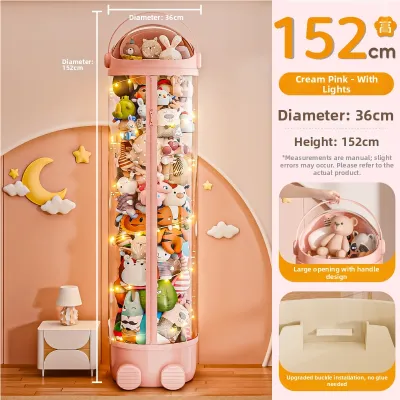
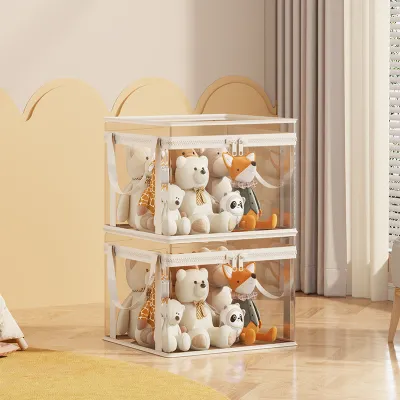
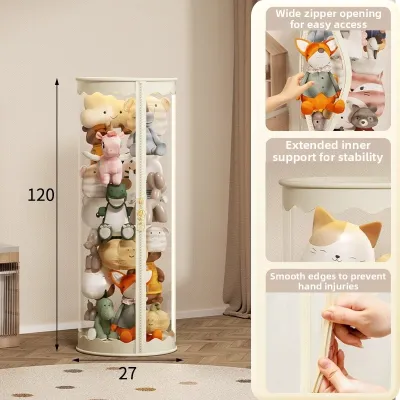
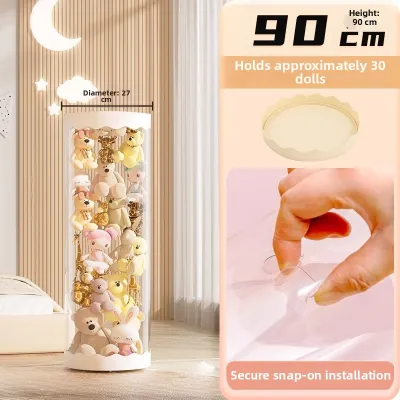
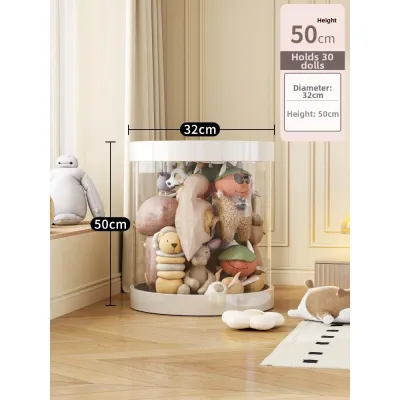
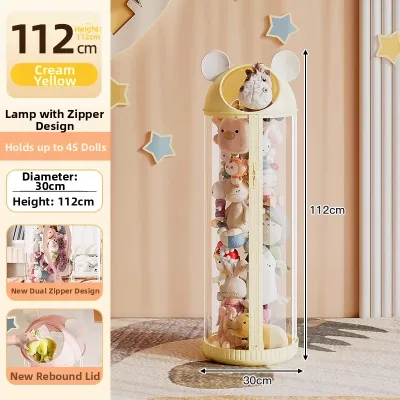
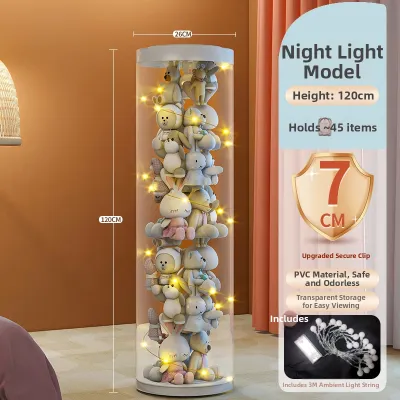
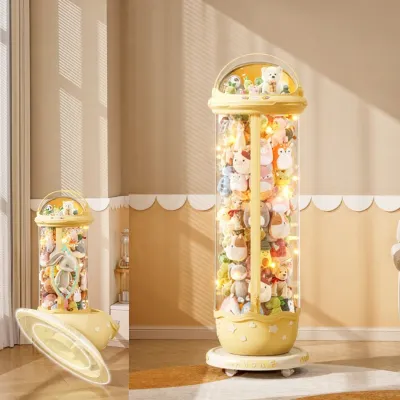
Prices are valid at publication and may change. Please refer to the product page for the latest price.
Climate considerations Singapore’s tropical climate features consistently high relative humidity, often exceeding 80% throughout the year. This environment is highly conducive to the growth of mold, mildew, and dust mites, which can settle deep within the fibers of plush toys. If stored in non-breathable, sealed containers without proper care, toys can trap moisture and develop a musty odor or mold spores, posing respiratory risks to your baby. Your storage choices must prioritize breathability to allow constant airflow, or utilize airtight containers combined with strict drying protocols and moisture absorbers.
Space efficiency Nursery rooms in Singapore, particularly in modern HDB flats, often have limited floor space, typically ranging between 9 and 11 square meters. To maximize this area, parents should utilize underutilized zones such as high vertical wall spaces, room corners, and the empty space beneath the baby’s crib. Choosing multi-functional storage solutions—such as seating options that double as hollow toy containers—helps keep the floor clear for active play and developmental exercises without making the room feel cramped.
Child accessibility At around 12 to 18 months of age, toddlers begin developing fine motor skills and a desire for independence, often mimicking their parents’ cleaning habits. Selecting low-level, open-topped, or lightweight storage allows your child to safely reach their favorite toys and participate in tidying up. However, this accessibility must be balanced with safety. Avoid heavy wooden toy box lids that can slam down on small hands, and steer clear of deep, narrow bins where a child might lose their balance while leaning in to retrieve a toy.
Selecting the Best Storage Plush Toy Systems for Singapore Homes
Corner Mesh Hammocks
Best use case Corner mesh hammocks are ideal for organizing large collections of lightweight plush toys, keeping them off the floor while utilizing the often-ignored corner spaces of a nursery wall.

Benefits The open-weave mesh design allows for maximum, unobstructed airflow around each plush toy. This constant ventilation is highly effective at preventing moisture buildup and mold growth in humid rooms. By keeping the toys suspended high up, they remain clean, dust-free, and completely out of reach of crawling infants who might otherwise put dirty toys in their mouths.
Limitations These nets are strictly designed for lightweight items and are not suitable for heavy, oversized, or densely packed plushies, which can cause the mesh to sag excessively or pull the mounting hardware out of the wall. Furthermore, they require drilling holes into your walls for installation, making them less suitable for renters or those unwilling to make permanent wall modifications.
Pre-purchase checks
- Weight limit: Verify the manufacturer's maximum weight capacity to ensure it can support your toy collection.
- Wall compatibility: Check the mounting hardware included in the package; standard plastic anchors are designed for drywall, whereas Singapore's concrete HDB walls require heavy-duty masonry wall plugs and a compatible drill bit.
- Material integrity: Ensure the mesh fabric is tightly woven and free from pre-existing frays or loose threads.
Clear Stackable Storage Bins
Best use case Clear plastic bins are perfect for long-term storage, organizing seasonal toy rotations, or safeguarding delicate, sentimental plush toys from dust, humidity, and household pests.
Benefits The transparent material allows parents and older children to see exactly what is inside each container without having to open multiple lids, saving time during play. Their rigid, flat-topped structures allow them to be stacked securely on top of one another, making them highly space-efficient for placement inside wardrobes, deep shelves, or under the crib.
Limitations Because these bins are airtight or semi-airtight, they can easily trap ambient moisture. If a plush toy is placed inside while even slightly damp, mold can develop rapidly within the sealed environment. Additionally, the rigid plastic construction means these bins have hard edges and corners that can cause minor bumps or bruises if left on the floor during active play.
Pre-purchase checks
- Material safety: Select bins made from high-quality, shatterproof, and BPA-free plastics to ensure durability and child safety; verify any safety certifications listed on the packaging.
- Edge design: Look for models with smooth, rolled edges rather than sharp plastic seams.
- Lid safeguards: Choose lids that are lightweight and feature built-in finger-gap safeguards or simple, easy-to-release latches that prevent a toddler's fingers from getting pinched.
Canvas and Cotton Rope Baskets
Best use case Soft canvas and cotton rope baskets are excellent for floor-level storage of daily-use plush toys, allowing for quick, effortless clean-ups at the end of the day.
Benefits Constructed from entirely soft, flexible materials, these baskets pose zero risk of injury if a tumbling toddler bumps, falls, or climbs into them. They are lightweight, highly portable, and often feature integrated fabric or rope handles, making it easy to carry a batch of toys from the nursery to the living area. Their neutral textures and modern designs also blend seamlessly with contemporary nursery decor.
Limitations These open baskets do not protect toys from settling dust or ambient humidity. Over time, fabric baskets can absorb moisture from the air or floor, potentially transferring dampness to the toys inside if placed in non-air-conditioned rooms. Additionally, without a rigid frame, they can lose their shape, sag, or collapse outward if overloaded with too many heavy items.
Pre-purchase checks
- Structural stability: Opt for baskets with double-stitched, reinforced bases and thick woven walls that can stand upright even when completely empty.
- Washability: Verify that the fabric is machine-washable or easy to spot-clean, as dust can accumulate on the basket itself.
- No wire frames: Strictly avoid baskets that utilize rigid internal wire frames to maintain their shape; if the fabric wears thin or tears over time, the wire can expose sharp points, creating a serious puncture hazard.
Zippered Storage Bean Bag Covers
Best use case This innovative, dual-purpose solution is designed to turn a massive collection of soft plush toys into a functional, comfortable bean bag chair for your child’s reading nook or play area.
Benefits This system is exceptionally space-efficient, effectively removing dozens of bulky soft toys from sight while providing a soft, functional piece of nursery furniture. It encourages older toddlers to participate in tidying up, turning clean-up time into an engaging game of stuffing their soft toys back into the bean bag cover.
Limitations To maintain a comfortable, supportive shape, the cover requires a very large volume of plush toys; if it is only half-filled, the bean bag will remain flat, lumpy, and uncomfortable to sit on. Furthermore, the presence of long zippers can pose safety risks if small fingers get caught, or if children attempt to climb inside the bag.
Pre-purchase checks
- Fabric breathability: Choose covers made from heavy-duty, highly breathable fabrics such as 100% cotton canvas to prevent moisture buildup inside.
- Care instructions: Check the care label to ensure the cover is fully machine-washable.
- Child-safe zippers: Verify that the zipper features a child-safe, hidden pull tab or a locking slider mechanism that prevents young children from opening the bag independently, which could lead to suffocation risks if they climb inside.
Essential Safety and Maintenance Tips
Installation safety When installing any wall-mounted storage solutions, such as corner hammocks or floating shelves, it is critical to secure them properly to prevent them from falling. In Singapore, nursery walls are typically either solid concrete or hollow drywall partitions. Always use the appropriate wall plugs and screws designed for your specific wall type, and never rely on temporary adhesive hooks, which can degrade quickly in high humidity.
Keep all hanging storage, including hammocks, cords, and hanging organizer straps, completely out of reach of the baby’s crib, playpen, and changing table. Ensure there is a safe clearance distance of at least one meter from any sleeping or changing area. This prevents a standing or climbing infant from pulling the unit down, becoming entangled in the mesh, or using the storage unit as a foothold to climb out of their crib.
Hygiene and climate control To combat Singapore’s high humidity and prevent dust mite allergies, establish a consistent cleaning schedule for both the storage units and the plush toys themselves. Regularly wash your child’s plush toys according to their specific manufacturer care labels. For machine-washable toys, use a gentle cycle, mild baby-safe detergent, and a protective laundry mesh bag.
Before returning any plush toy to an enclosed storage bin, ensure it is 100% dry throughout its internal stuffing. In humid weather, air-drying indoors may not be sufficient; check the toy’s manufacturer instructions and consider using a mechanical dryer on a low-heat setting if permitted, or dry them in an air-conditioned room with low humidity. For airtight plastic bins, you can place food-grade, child-safe silica gel packets inside to absorb residual moisture, but ensure these packets are kept strictly out of your child’s reach. Wipe down the interiors of plastic bins monthly with a damp cloth and a mild, non-toxic disinfectant, allowing them to air out completely before restocking.
Routine inspections Perform monthly safety inspections on all nursery storage units. Check for signs of wear and tear, such as loose mounting screws, cracking plastic edges, fraying fabric seams, or loose stitching on baskets. Inspect metal zippers on bean bag covers to ensure they glide smoothly and do not have sharp, broken teeth. If any storage unit shows signs of damage or structural instability, stop using it immediately and repair it using manufacturer-approved parts, or replace it to ensure your nursery remains a safe environment.
Frequently Asked Questions (FAQ)
How can I keep plush toys from getting moldy in a humid climate?
To prevent mold and mildew growth in Singapore’s humid climate, focus on maintaining active airflow in the nursery. Use an air conditioner or a home dehumidifier to keep the indoor relative humidity levels below 60%. Avoid storing daily-use plush toys in airtight plastic bags or non-breathable containers, as trapped humidity can accelerate mold development. Always ensure that any washed plush toys are completely dry throughout their internal stuffing before returning them to any storage bin or basket.
Are toy hammocks safe to install near a baby's crib?
No, toy hammocks should never be installed near or directly above a baby’s crib, bassinet, or changing table. The hanging net, supporting ropes, and mounting hardware present serious strangulation, entanglement, and choking hazards if an infant manages to reach them. Install hammocks high up in a corner of the room, completely outside your child’s reach and climbing zone, and ensure that no toys can fall from the net into the sleeping area below.

Community discussion
Share your experience or ask a question. Comments are reviewed before publication.