
Plush toys often accumulate rapidly in a nursery, arriving as celebratory gifts, developmental comfort objects, or milestone purchases. While these soft companions bring comfort and sensory stimulation to your baby, managing a growing collection can quickly become overwhelming. Finding the right balance between keeping the nursery organized, ensuring the environment remains hygienic, and maintaining easy access to your child’s favorite toys requires a deliberate storage strategy.
Selecting the ideal plush toy storage is not just about hiding clutter; it directly impacts your daily parenting routine and your child’s developmental milestones. Different storage solutions cater to distinct stages of growth, room layouts, and design preferences. For instance, low floor baskets encourage toddlers to practice independent tidying, while vertical hammocks rescue floor space in compact rooms, and open shelves transform colorful plushies into charming nursery decor.
To choose the most effective setup for your home, you must evaluate how each storage type performs across key categories: spatial efficiency, child safety, ease of access, and durability under local environmental conditions. This guide compares the four primary storage methods—bins, hammocks, baskets, and shelves—to help you design a safe, functional, and beautiful nursery.
Products mentioned in this guide

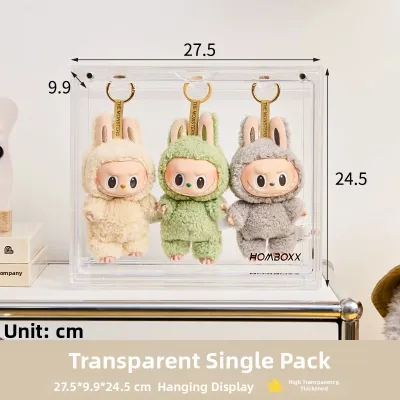
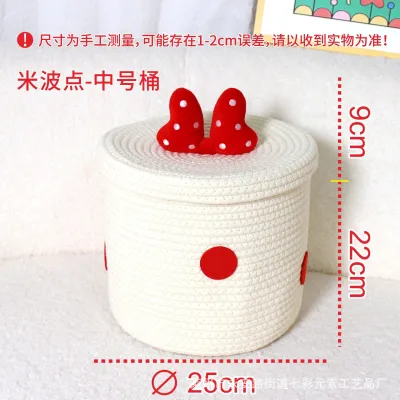
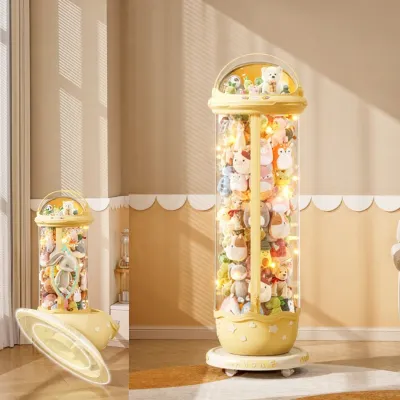
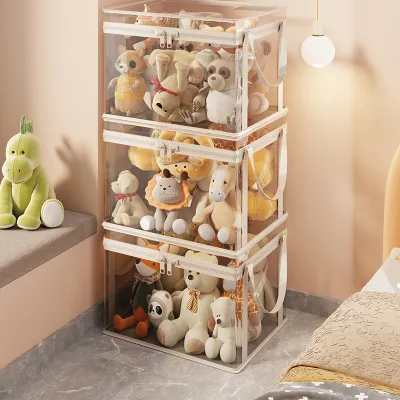
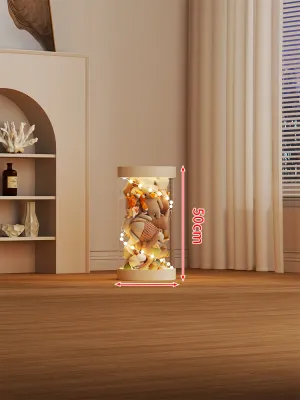
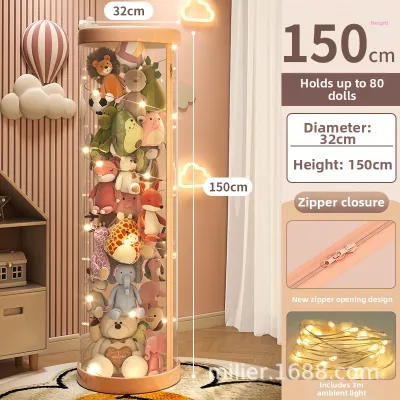
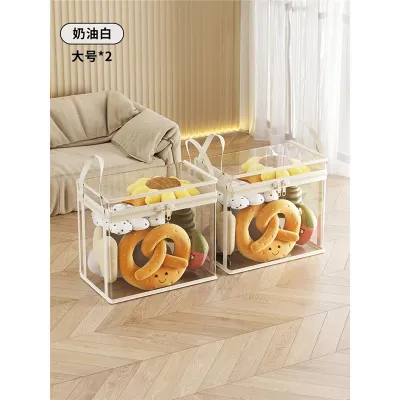
Prices are valid at publication and may change. Please refer to the product page for the latest price.
How to Choose the Right Plush Toy Storage for Your Space
Before purchasing any storage unit, take a structured look at your nursery’s physical layout and your child’s current developmental stage. A solution that works perfectly in a spacious playroom may prove frustrating or even hazardous in a compact sleeping area. By establishing clear criteria beforehand, you can avoid common purchasing mistakes and invest in storage that grows with your family.
Space and Layout Constraints The physical dimensions of your nursery dictate your storage limits. In many urban homes, such as Singapore apartments, floor space is at a premium, making large, wide toy boxes impractical. If your floor area is limited, vertical storage options like wall-mounted shelves or corner hammocks allow you to utilize unused wall space while keeping walkways clear. Conversely, if you have ample floor space but limited solid wall area due to large windows or built-in wardrobes, low-profile floor bins are highly effective.
Child Accessibility and Age Appropriateness Your child’s age determines who will be interacting with the storage system. In an infant nursery, storage is primarily for parents, meaning you can place items on high shelves or in wall-hanging systems out of the baby’s reach. As your child transitions into a toddler (around 12 to 18 months), their need for independence increases. Low, open-top storage allows toddlers to see, choose, and retrieve their toys safely, which supports cognitive development and fine motor skills. It also makes the concept of tidying up tangible, as they can easily drop toys back into a designated container.
Aesthetics and Nursery Themes Storage is a prominent visual element in a nursery. The materials and colors you select should harmonize with your overall decor theme. Natural wood, cotton rope, and neutral-toned canvas complement Scandinavian, minimalist, or bohemian nursery designs. If you prefer a modern, vibrant aesthetic, structured synthetic bins or painted wooden shelves can add pops of color. Choosing cohesive storage materials prevents the nursery from feeling visually chaotic, even when filled with a diverse collection of toys.
Capacity and Toy Size Diversity Plush toys come in an array of shapes and sizes, from tiny rattle plushies to giant, oversized teddy bears. A single storage type rarely accommodates every size efficiently. Tiny plush toys can easily get lost at the bottom of deep, dark toy chests, while giant plushies will instantly overwhelm small corner hammocks or narrow floating shelves. Assess the composition of your current collection and plan for future acquisitions to ensure your chosen storage has the appropriate volume and compartment sizes.
Bins and Baskets: Flexible, Portable, and Toddler-Friendly
Floor-level containers like bins and baskets represent the most flexible and popular category of nursery storage. Because they do not require permanent installation, you can easily reposition them as your nursery layout evolves. They are particularly well-suited for active play areas where toys are frequently moved from room to room.

Soft Fabric Bins and Canvas Totes
Soft fabric bins and canvas totes are excellent introductory storage options for infant and toddler rooms alike. Typically constructed from heavy-duty canvas, polyester, or cotton blends, these containers offer a lightweight, flexible structure that conforms easily to tight spaces.
Safety and Portability The primary advantage of soft fabric bins is their inherent safety. Because they lack sharp corners, hard wooden panels, or heavy lids, there is virtually zero risk of pinched fingers or bruising if a toddler bumps into or climbs inside them. Many models feature integrated fabric handles, allowing parents to effortlessly carry a bundle of toys from the nursery to the living room. When not in use, most canvas totes can be folded completely flat, making them highly convenient for storage or relocation.
Limitations and Care While highly practical, soft fabric bins do have structural limitations. Over time, heavy or awkwardly shaped plush toys can cause the sides of unreinforced canvas bags to sag or collapse, leading to an untidy appearance. Fabric is also susceptible to staining from spilled liquids, milk, or baby oil. To maintain hygiene, look for canvas bins with wipeable, water-resistant interior linings, and always check the manufacturer’s care label to verify if the fabric is machine washable or spot-clean only.
Woven Baskets and Rope Bins
Woven baskets and rope bins offer a more structured, aesthetically refined alternative to simple fabric totes. These containers are crafted from woven materials that provide excellent structural rigidity while maintaining a tactile, organic feel.
Material Comparison and Aesthetics When selecting a woven basket, the choice of material is crucial for both durability and style:
- Cotton Rope: Soft, highly flexible, machine washable, and completely free of sharp edges. They hold their shape well while remaining gentle on delicate skin and hardwood floors.
- Seagrass and Rattan: These natural plant fibers offer a beautiful, rustic aesthetic and excellent structural strength. However, they are highly rigid and cannot be folded.
- Synthetic Wicker: Made from woven plastics, these baskets mimic the look of natural fibers but are completely moisture-resistant and easy to sanitize.
Safety and Quality Checks Before placing any natural woven basket in a nursery, perform a thorough physical inspection. Examine the interior and exterior surfaces for loose fibers, sharp splinters, or rough edges that could scratch a baby’s skin or snag the delicate fabric of plush toys. Additionally, inspect the basket for small decorative elements, such as wooden buttons, tassels, or beads. Ensure these attachments are securely fastened, as loose decorative parts pose a severe choking hazard to infants and young children who tend to explore objects with their mouths.
Toy Hammocks and Nets: Maximizing Vertical Corner Space
When floor space is limited, toy hammocks and nets offer a highly efficient way to utilize vertical corner space. Suspended from the wall, these triangular nets transform unused corners into functional storage zones, keeping plush toys off the floor and out of walking paths.
Maximizing Vertical Space and Ideal Use Cases Toy hammocks are particularly beneficial in compact nurseries or shared bedrooms where preserving open floor area is essential for safe crawling and play. By elevating the toys, you instantly create a cleaner, more spacious environment. Hammocks are ideally suited for storing lightweight, small-to-medium-sized plush toys. Because the netting is flexible, it can expand to hold a surprisingly large volume of soft items without taking up any physical footprint on your floor.
Installation and Structural Considerations Proper installation is critical to ensure the safety of a wall-mounted hammock. Because these nets will hold cumulative weight, they must be anchored securely to the wall. In homes with concrete or masonry walls, which are common in Singapore residential developments, you must use a masonry drill bit, appropriate wall plugs (anchors), and heavy-duty screws. If installing on drywall, locate the wall studs using a stud finder, or utilize high-quality toggle bolts designed for hollow walls. Avoid relying on simple adhesive hooks, which frequently fail under the continuous tension of loaded nets, potentially causing the hammock to fall. Be aware that permanent screw installation will leave small holes that require patching and painting when the hammock is eventually removed.
Accessibility and Developmental Trade-offs While hammocks excel at space-saving, they present distinct accessibility challenges. Because they must be installed high enough to keep the sagging net clear of walkways and changing tables, they are completely out of reach for toddlers and young children. This makes hammocks an excellent choice for displaying sentimental plushies, seasonal toys, or items that require parent supervision. However, if your goal is to foster independent play and teach your child to tidy up their own toys, a high corner hammock is impractical, as your child will require a step stool or adult assistance to access or put away their toys.
Open Shelves and Cubbies: Display and Structured Organization
Open shelves and cubby units represent a highly structured, furniture-based approach to nursery organization. Unlike deep bins where toys are piled on top of one another, shelves allow you to display and organize plush toys in a neat, single-layer arrangement.
Types of Shelving Systems There are several shelving configurations suitable for a nursery, each offering unique functional advantages:
- Low Cubby Organizers: These ground-level furniture pieces feature square compartments that can hold individual plush toys or accommodate slide-out fabric bins. Their low height makes them exceptionally accessible for crawling babies and toddlers.
- Floating Wall Shelves: Mounted directly to the wall at varying heights, floating shelves are excellent for keeping delicate, collectible, or sentimental plush toys safe from rough play.
- Bookcase Combinations: Standard bookcases with adjustable shelves offer long-term versatility, allowing you to transition the storage from plush toys to books, board games, and school supplies as your child grows.
Categorization and Visual Appeal Shelves allow you to curate your child’s play environment. By organizing plush toys by size, color, or character type, you create an appealing visual display that stimulates your child’s visual tracking and categorization skills. Using shelf dividers or small integrated baskets within cubby holes helps prevent toys from tumbling over, maintaining a clean and orderly appearance. Displaying a rotating selection of favorite plushies at your child’s eye level can also make playtime more engaging, as they can easily point to or select the toy they wish to play with.
Spatial Footprint and Room Requirements The primary trade-off of shelving units is their permanent spatial footprint. Floor cubbies and bookcases require dedicated floor space and can make a very small nursery feel cramped or restricted. Floating shelves, while saving floor space, require clear wall areas free of hanging art, curtains, or lighting fixtures. If your nursery is exceptionally small, a bulky shelving unit may block natural light or restrict the smooth opening of doors and drawers, meaning you should opt for more compact, flexible storage alternatives.
Quick Comparison: Which Plush Toy Storage Fits Your Nursery?
To help you synthesize these options, the table below compares the four primary plush toy storage types across essential decision dimensions.
| Storage Type | Space Efficiency | Toddler Accessibility | Installation Effort | Best Use Case | Maintenance Level |
|---|---|---|---|---|---|
| Soft Fabric Bins | Moderate (portable, collapsible) | High (low height, soft edges) | None (ready to use) | Daily-use plushies, active play areas | Low (wipe clean or machine wash) |
| Woven Baskets | Moderate (rigid footprint) | High (sturdy, open top) | None (ready to use) | Medium-to-large plushies, living room display | Low to Medium (requires splinter/dust checks) |
| Toy Hammocks | High (utilizes unused corners) | Low (requires adult assistance) | High (requires wall anchors/drilling) | Lightweight collections, display of sentimental toys | Low (occasional dusting or washing) |
| Open Shelves | Low to Moderate (requires floor/wall space) | Medium to High (depends on shelf height) | Medium to High (wall mounting or assembly) | Curated toy display, modular cubby storage | Medium (regular dusting required) |
Safety, Maintenance, and Humidity Considerations
Designing a nursery storage system requires prioritizing physical safety and environmental health. This is especially true in tropical regions like Singapore, where high humidity and warm temperatures create unique challenges for material preservation and hygiene.
Anti-Tip Measures and Furniture Safety For any floor-standing furniture, including cubby units, bookcases, and heavy storage chests, anti-tip wall anchoring is non-negotiable. As toddlers learn to pull themselves up to a standing position, they often use shelf ledges as handholds. Unanchored furniture can easily tip forward under a child’s weight, posing a severe risk of crushing injuries. Always use the anti-tip brackets and straps provided by the manufacturer, securing them firmly into wall studs or concrete walls. Regularly inspect these anchors to ensure they remain tightly fastened.
Weight Limits and Structural Integrity Wall-mounted storage solutions, such as floating shelves and toy hammocks, are subject to strict weight limitations. Exceeding these limits can cause wall anchors to pull out of the drywall or plaster, leading to structural failure and falling hazards. Always refer to the manufacturer’s documentation to verify the maximum weight capacity of your specific shelving or hammock model. Remember that the weight limit includes both the weight of the storage unit itself and the cumulative weight of all toys stored within it.
Climate and Material Care in Humid Environments Singapore’s tropical climate, characterized by high relative humidity levels often exceeding 80 percent, requires careful material selection to prevent mold and mildew growth. Unlined natural wicker, raw rattan, and untreated bamboo are highly porous and prone to trapping moisture, which can lead to mold infestations that ruin plush toys and compromise nursery air quality. Instead, opt for breathable cotton rope baskets, washable canvas totes, or synthetic, wipeable plastics. If you choose wooden shelving, ensure the wood is treated with a non-toxic, moisture-resistant sealant. Keep storage units slightly away from walls to promote air circulation and prevent dampness from building up in stagnant corners.
Hygiene and Dust Mite Prevention Plush toys are notorious for collecting dust, pet dander, and dust mites, which thrive in warm, humid environments and can trigger allergies or asthma in sensitive infants. Before placing plush toys into long-term storage, ensure they are thoroughly cleaned. Check the manufacturer’s care label on each toy; many can be placed in a mesh laundry bag and washed on a gentle cycle, then thoroughly dried. For toys that cannot be washed, regular vacuuming using an upholstery attachment or gentle spot cleaning is recommended. Ensure toys are completely dry before storing them in closed bins, as any residual moisture will encourage mold development.
Frequently Asked Questions (FAQ)
How do I keep plush toys from getting dusty in open storage?
To minimize dust accumulation on toys stored in open bins or shelves, implement a regular rotation system. Keep only a few favorite plushies on display while storing the remainder in closed, airtight plastic containers or zippered canvas storage bags. Regularly vacuuming the nursery floor with a HEPA-filter vacuum and using a dedicated air purifier will significantly reduce airborne dust. For displayed toys, a quick weekly dusting with a microfiber cloth or a gentle vacuuming with an upholstery brush attachment will keep them clean and allergen-free.
Are toy hammocks safe for heavy or oversized stuffed animals?
No, toy hammocks are not designed to support heavy, oversized, or densely packed plush toys. Excessive weight causes the netting to stretch excessively, placing severe stress on the wall anchors and increasing the risk of the hooks pulling out of the wall. This creates a hazard where the entire unit—including heavy toys and metal mounting hardware—could fall onto a child. Always restrict hammock storage to lightweight, small-to-medium plushies, and strictly adhere to the manufacturer’s specified weight limits.
What is the best way to store giant plush toys that do not fit in bins?
Giant plush toys require specialized storage strategies to prevent them from cluttering walkways or posing safety hazards. Large canvas floor sacks or heavy-duty drawstring bags are excellent for corralling oversized toys while keeping them clean. Alternatively, if the giant plush toy is structurally sturdy and free of hard internal wires, it can be placed in a clean corner of the room to serve as a soft, supervised seating prop for older toddlers. Ensure giant plushies are never placed in cribs or sleep environments, as they pose a severe suffocation hazard to infants.

Community discussion
Share your experience or ask a question. Comments are reviewed before publication.