
Selecting the ideal organization system for a baby’s room involves balancing physical safety, accessibility, and room aesthetics. Plush storage bins provide an excellent solution, offering a cushioned alternative to heavy wooden chests or sharp-edged plastic tubs. By choosing lightweight, pliable organizers, you create a safer environment where your child can explore, play, and eventually learn to tidy up independently.
Finding the best plush storage options requires looking closely at how they are made. The right bins must be free of choking hazards, easy to clean, structurally sound enough to hold their shape, and sized appropriately for both your nursery shelves and your child’s reach. Investing in high-quality, soft organization solutions helps establish a clean, organized, and peaceful space for your growing family.
Why Plush Storage Bins Work Best in a Nursery
Babies and toddlers are naturally active and often clumsy as they develop motor skills. During tummy time, crawling, and those first tentative steps, every corner in the room becomes a potential hazard. Hardwood toy boxes with heavy, hinged lids can slam down on tiny fingers, and rigid plastic bins can crack, leaving sharp edges. Soft fabric and plush storage bins bend or cushion the impact if a child bumps into them, minimizing the risk of minor injuries during play.
Products mentioned in this guide
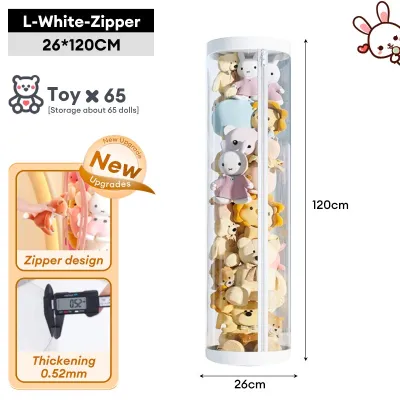
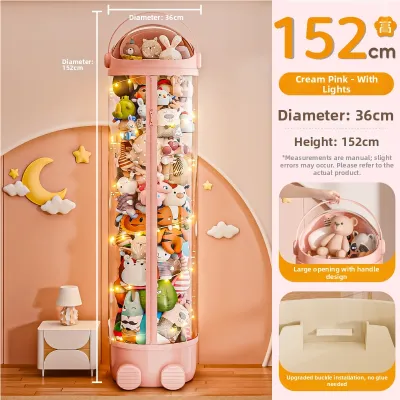
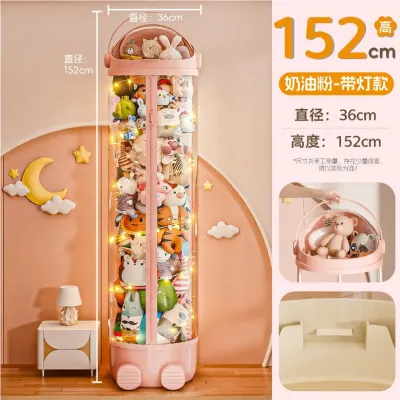
Prices are valid at publication and may change. Please refer to the product page for the latest price.
Lightweight fabric bins also allow growing toddlers to practice independence. When a child can easily pull a soft basket off a low shelf or drag it across the rug without straining, they gain confidence in managing their own toys. This physical accessibility turns tidying up into an achievable task rather than a frustrating chore, helping to build gross motor skills and a sense of responsibility early on.
In addition to safety and developmental benefits, soft bins offer incredible aesthetic flexibility. Nurseries are unique spaces that often feature soft textures, delicate color palettes, and cozy textiles. Industrial plastic containers can disrupt this visual harmony, whereas plush bins made of cotton rope, felt, or canvas complement these textures. They act as design accents rather than eyesores, allowing you to maintain a cohesive interior design while keeping clutter out of sight.
Crucial Features to Check Before Buying Plush Bins
Safety and Choking Hazards
It is vital to inspect any soft bin for securely attached parts before placing it in a nursery. Many decorative bins feature animal faces with plastic button eyes, glued-on felt noses, or small metal zippers. For infants under three years old, any small part that can detach presents a severe choking hazard. Look for embroidered details instead of plastic or glued-on parts, and check for reinforced stitching along all seams to prevent stuffing or threads from coming loose. Always verify the manufacturer’s age grading and safety warnings on the product label before purchase.

Accessibility and Ergonomics
Bin height, weight when full, and handle placement are critical factors for usability. A bin that is too tall or deep makes it difficult for a small child to reach the toys at the bottom, which often leads to the child tipping the entire container over. Handles should be wide, soft, and securely stitched to the sides, allowing either you or your child to carry the bin comfortably. If a bin is intended for a toddler’s self-use, keep its filled weight low enough that they can drag or lift it safely without losing their balance.
Material and Washability
Bins in a nursery are prone to spills, dust, drool, and sticky handprints. Checking the care labels for machine-washable fabrics or easy-wipe linings is essential for maintaining hygiene. Some cotton-rope bins can be tossed directly into the washing machine, while others with structured linings require spot cleaning. Opting for materials that resist moisture and are easy to sanitize will save time and keep the nursery environment healthy.
Structural Integrity
While softness is a key safety feature, a bin must still have enough structural integrity to stand upright when empty or filled with lightweight plush toys. Look for soft bins that feature reinforced fabric walls, double-layered canvas, or removable base inserts. Bins that completely collapse on themselves when empty can frustrate toddlers trying to put toys back inside, ultimately discouraging them from tidying up.
Top Styles of Plush Storage Bins for Baby Toys
Open-Top Canvas and Fabric Bins
Open-top canvas and fabric bins are highly practical for daily use and quick clean-ups. The wide-open top allows for a “toss-and-go” method of cleaning up at the end of a long day, as you can simply gather toys from the floor and drop them inside. This style is incredibly beneficial for toddlers who are just learning the concept of putting things away, as it removes the barrier of opening lids or navigating tight latches.
However, open-top bins do have a limitation: they allow dust to accumulate on toys over time. For this reason, they are best reserved for frequently used toys that are rotated often, rather than items stored long-term. To keep these bins fresh, vacuum them out periodically and wash the toys inside according to their care instructions.
Plush Animal-Shaped and Character Bins
Bins designed to look like friendly animals or whimsical characters serve a dual purpose as functional storage and charming nursery decor. These bins can actively engage young children, turning the chore of tidying up into a playful game. For example, you can encourage your toddler to “feed” the plush bear bin its toys or tuck the stuffed animals into the “dinosaur’s belly” at bedtime.
When choosing this style, perform a strict safety check. Ensure all decorative features like ears, tails, and facial details are fully embroidered and securely stitched, with no hard, detachable plastics or loose strings. Keep in mind that irregular animal shapes can be less space-efficient, making them harder to stack or fit neatly onto standard shelving units.
Foldable Soft Cubes for Shelving Units
If you prefer a highly organized, streamlined look, foldable soft cubes designed to fit standard cubby shelving units are an excellent choice. These modular fabric cubes provide a clean, uniform appearance that hides colorful toy clutter completely. You can choose neutral colors or soft pastels to match your nursery decor, creating a calm and cohesive visual landscape.
Their collapsible design is incredibly convenient. When a bin is not in use, or as your child outgrows certain toys, you can simply remove the bottom insert, fold the cube flat, and store it away without taking up valuable space. Before purchasing, always measure your existing or planned nursery shelving units carefully to ensure the bin dimensions match the cubby openings, leaving a small clearance on the sides for easy sliding.
Smart Strategies for Organizing Plush Toys by Age
For Infants and Crawlers
At this developmental stage, babies are highly curious but lack the coordination to navigate large storage containers safely. Bins should generally be kept out of the baby’s immediate reach to prevent pulling hazards, as a crawling infant might try to pull themselves up using a soft bin, causing it to collapse or tip over onto them. Keep the main storage bins on higher shelves or inside closets for caregiver access.
To satisfy your baby’s curiosity safely, keep a single, small, low-profile fabric basket on the floor for supervised play. Fill it with only three or four soft, clean plushies or textured sensory toys. Always supervise your baby closely during floor play, and put the basket away once playtime is over.
For Toddlers
As children grow into toddlers, they develop greater motor skills and a desire for autonomy. To foster these skills, place lightweight, open-top plush bins on lower shelves or directly on the floor. This setup allows toddlers to choose their own toys and practice self-directed clean-up routines.
Keep these bins moderately sized so they do not become too heavy for your child to push or drag across the room. You can also use visual cues, such as a bin with a specific animal face, to help them identify which toys go where, turning cleanup into an engaging sorting game.
Toy Rotation System
To prevent the nursery from becoming overwhelmed by an excess of plush toys, implement a toy rotation system using multiple soft bins. Keep only one or two bins of toys accessible in the nursery at any given time, and store the remaining bins in a closet or storage area. Every few weeks, swap the bins.
This strategy keeps the nursery uncluttered, makes clean-up much faster, and maintains your child’s interest in their toys. When “old” toys reappear after a few weeks, your child will greet them with renewed excitement, reducing the urge to constantly purchase new items.
Sorting by Size and Frequency
Organizing toys by their physical characteristics can make your storage system much more efficient. Use larger, deeper canvas baskets placed in a corner of the room for oversized plush items that do not fit on shelves. Ensure these large baskets are stable and cannot easily be pulled down by a child.
Smaller, easily accessible fabric baskets can be reserved for everyday comfort objects, pacifier plushies, or small rattles. This clear division helps both you and your child find specific items quickly without having to empty the entire contents of a large bin onto the floor.
Cleaning and Safety Checks for Fabric Storage Bins
Hygiene in Humid Climates
In naturally humid environments, such as Singapore, fabric and plush materials can easily trap moisture, creating a breeding ground for mold, mildew, and dust mites. To prevent this, ensure that both the bins and the toys stored inside are completely dry before putting them away. Avoid placing fabric bins directly against damp walls or in unventilated corners.
Utilizing a dehumidifier in the nursery or periodically airing out the bins in a well-ventilated space under indirect sunlight can help maintain a fresh, hygienic environment. If a spill occurs, clean and dry the bin immediately to prevent moisture from sinking into the fabric fibers.
Routine Inspections
Caregivers should establish a routine checklist to examine soft storage bins every few weeks. Run your hands along the inside and outside seams to check for split stitching or loose threads that a child could pull or wrap around their fingers. Check the handles to ensure they remain securely attached, especially if the bin is frequently carried when full.
For animal-shaped or decorative bins, verify that all embroidered elements, felt patches, or ears are still firmly in place and have not become loose due to rough play. If you notice any small parts starting to peel or tear, address them immediately before returning the bin to the play area.
Action on Damage
If your inspection reveals any damage, such as frayed edges, loose stitching, or detached decorative parts, take immediate action. Remove the bin from the child’s access right away. Do not leave it on the floor or within reach, even if it is empty.
Depending on the severity of the wear, either repair the bin securely using strong, baby-safe thread or discard it in accordance with the manufacturer’s guidelines. Continuing to use a compromised fabric bin increases the risk of choking or physical injury, so it is always safest to repair or replace it promptly.
Washing Best Practices
Always consult and follow the specific care instructions on the product’s label before attempting to clean a fabric bin. Some cotton-rope or canvas bins are fully machine washable, while others with rigid cardboard or plastic inserts will be ruined if submerged in water. Using the wrong washing method can compromise the bin’s structural integrity, cause the fabric to shrink, or lead to color bleeding.
When machine washing is permitted, use a gentle cycle with cold water and a mild, fragrance-free baby detergent. Avoid using harsh bleach or fabric softeners, which can degrade the fibers and irritate a baby’s sensitive skin. Always ensure the bin is 100% dry before placing it back in the nursery.
Frequently Asked Questions (FAQ)
Are plush storage bins safe for newborns?
Yes, plush storage bins are safe to use in a newborn’s room, provided they are kept completely out of the baby’s sleep space. According to safe sleep guidelines, a newborn’s crib or bassinet must be entirely free of loose items, including blankets, pillows, bumper pads, toys, and storage containers, to prevent the risk of suffocation. Bins should be placed on high shelves or changing tables where the baby cannot reach them. As the baby grows and begins to roll or crawl, ensure these bins are positioned so they cannot be pulled down onto the child. Always follow the manufacturer’s age recommendations and safety warnings.
How do I clean a plush storage bin that isn't machine washable?
If your plush storage bin has a non-washable fabric or contains rigid structural inserts like cardboard, do not submerge it in water. Instead, spot clean the exterior and interior surfaces. Prepare a solution of warm water and a few drops of mild, baby-safe liquid detergent. Dip a clean, soft microfiber cloth into the solution, wring it out thoroughly so it is only slightly damp, and gently dab the stained areas. Avoid rubbing aggressively, which can pill the fabric. Wipe the area again with a damp cloth dipped in clean water to remove any soap residue. Allow the bin to air-dry completely in a well-ventilated room or outdoors in a shaded, breezy spot before putting toys back inside.

Community discussion
Share your experience or ask a question. Comments are reviewed before publication.