
The best plug cover for baby-proofing a Singapore HDB flat depends on how you use the outlet. For empty, rarely used sockets, a tight-fitting Type G socket insert (or plug cap) is the most straightforward option. For frequently used outlets where appliances are constantly plugged in and unplugged, sliding socket plates provide automatic, hassle-free protection. For outlets with permanently plugged-in appliances, a lockable box cover prevents children from pulling out plugs, touching live pins, or playing with dangling cords.
Securing your home’s electrical outlets is a vital step in creating a safe environment for your child. Because Singapore homes use a specific outlet standard, choosing the right physical barrier requires understanding how these sockets operate and how your child interacts with them. By matching the right type of cover to each outlet’s daily usage, you can establish a reliable layer of defense against electrical hazards.
Understanding the Risks: Type G Outlets and Toddler Curiosity
Singapore households standardise on the Type G (BS 1363) electrical outlet, which is characterised by three flat, rectangular pins arranged in a triangular pattern. These sockets are designed with an inherent safety feature: an internal shutter mechanism. Under normal conditions, the shutters block the lower live and neutral apertures. When a standard plug is inserted, the longer top earth pin enters first, pushing down the spring-loaded shutter and opening the path for the live and neutral pins to slide in safely.
Products mentioned in this guide
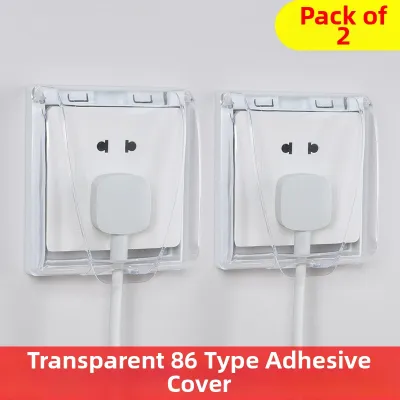
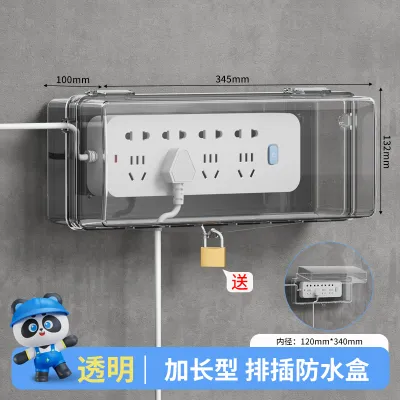
Prices are valid at publication and may change. Please refer to the product page for the latest price.
While this mechanical design provides excellent basic protection, it is not entirely childproof. Curious toddlers are incredibly persistent and quickly develop fine motor skills. A child playing with a toy, a hairpin, a key, or a paperclip may accidentally insert it into the top earth pin hole. If they succeed in pushing the object deep enough, the internal shutters will slide open, exposing the live and neutral terminals below. If the child then inserts a conductive metal object into those lower openings, they face a severe risk of electrocution.
This risk is compounded by the layout of standard Singapore HDB flats. In most modern Build-To-Order (BTO) and older resale flats, wall sockets are installed at a low level, typically between 300mm and 450mm from the floor. This height places the outlets directly at eye level for crawling babies and toddlers. Sockets located in living areas, corridors, and bedrooms are easily accessible, and even those hidden behind sofas, TV consoles, or bedside tables can quickly become accessible if a child crawls behind the furniture.
As babies reach developmental milestones—transitioning from crawling at 6 to 12 months to active walking and exploring at 12 to 36 months—their curiosity drives them to investigate small gaps, slots, and holes. It is critical to establish a clear safety boundary: physical plug covers are a secondary deterrent designed to delay or prevent access. They are never a substitute for active adult supervision, nor do they replace the primary electrical safety net of your home, which is the Residual Current Circuit Breaker (RCCB) in your flat’s distribution board.
Socket Inserts vs. Sliding Plates vs. Box Covers: Which Fits Your Needs?
To effectively baby-proof your HDB flat, you must evaluate how each outlet in your home is used. Outlets that remain empty most of the time require a different protective solution than those powering daily-use appliances or permanently connected electronics. Let’s compare the three primary types of plug covers available in Singapore to help you make the right choice.

Socket Inserts (Plug Caps) for Seldom-Used Sockets
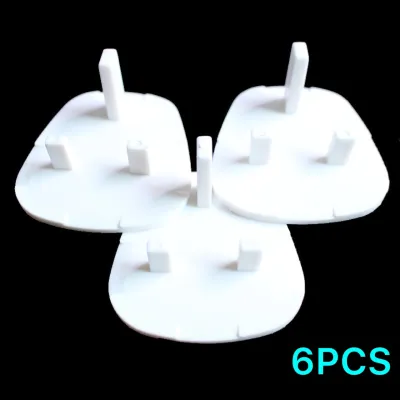
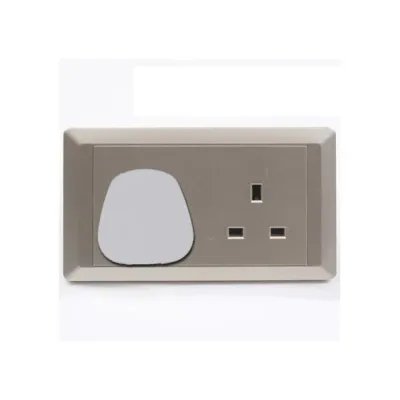
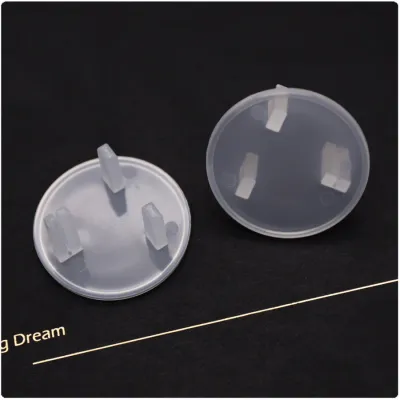
Socket inserts, often called plug caps, are solid plastic blocks shaped like a Type G plug with three dummy prongs. You push them directly into an empty socket to block access to all three openings simultaneously.
- Ideal Use Cases: These inserts are best suited for outlets that are rarely or never used. Examples include spare sockets in guest rooms, outlets installed high on walls for air conditioners or wall fans, or sockets located behind heavy, semi-permanent furniture like massive wardrobes or bookshelves that are rarely moved.
- Limitations and Risks: High-quality socket inserts are designed to fit incredibly tightly, making them difficult for a child to remove. However, this tight fit also means adults often need a dedicated removal tool, a key, or another dummy plug to pry them out, which can be highly inconvenient. Conversely, cheap or poorly molded inserts can fit loosely, allowing a persistent toddler to wiggle them free. If a child successfully extracts an insert, the plastic piece itself can become a serious choking hazard. Additionally, when adults temporarily remove an insert to use a socket, they often leave it lying on the floor or a nearby table, where a child can easily pick it up and put it in their mouth.
Sliding Socket Plates for Frequently Used Outlets
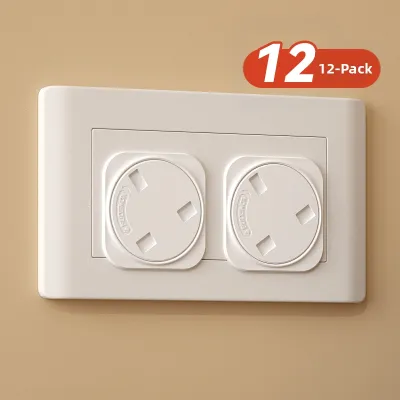
Sliding socket plates are replacement wall faceplates featuring built-in, spring-loaded shutters. When you pull a plug out of the socket, the protective shutters automatically slide shut over the live and neutral openings.
- Ideal Use Cases: These are perfect for high-traffic outlets that you use daily or weekly. Common locations include sockets used for vacuum cleaners, phone chargers, ironing boards, or portable air purifiers. They eliminate the hassle of constantly removing, storing, and replacing manual plastic caps.
- Limitations and Risks: The primary drawback is installation. Unlike sliding or snapping on a plastic cover, installing a sliding socket plate requires you to unscrew the existing wall socket faceplate and handle live electrical wiring. This task carries inherent safety risks and must be done in accordance with local regulations. On the positive side, sliding plates offer a significant aesthetic advantage. They maintain a completely flush profile with the wall, preventing children from pulling on bulky attachments and allowing furniture to sit flat against the wall.
Box Covers for Plugged-In Appliances
Box covers, or socket safety enclosures, are protective plastic boxes that snap or lock directly over both the wall outlet and the plugged-in appliance’s plug head. The power cord exits through a narrow slot at the bottom or side of the box.
- Ideal Use Cases: These enclosures are essential for outlets that must remain constantly in use, such as those powering TV consoles, Wi-Fi routers, refrigerators, or computer workstations. Curious toddlers are often drawn to dangling cords; pulling on a cord can unplug the appliance, expose live metal plug pins, or pull a heavy appliance down onto the child. A locked box cover keeps the plug safely secured inside.
- Limitations and HDB Spatial Constraints: Standard HDB flats often feature double-gang (two sockets side-by-side) or triple-gang wall outlets. Many box covers are bulky and designed primarily for single sockets. Installing a box cover over one socket can completely block access to the adjacent socket. Furthermore, because these boxes protrude several centimetres from the wall, they prevent TV consoles or desks from sitting flush against the wall, creating gaps where toys or dust can accumulate. Parents must carefully measure the depth of the plug head (especially bulky power adapters or right-angle plugs) and the thickness of the cord before purchasing to ensure the box can close and lock securely.
Essential Safety and Compatibility Checks Before You Buy
When shopping for plug covers on online marketplaces or at local baby stores in Singapore, you must look past generic marketing claims. Use this checklist to ensure the product you choose is safe and compatible with your home’s electrical system.
- Type G Precision Fit: Avoid generic "universal" plug covers. Many cheap covers imported from overseas are molded for European Type C/F or American Type A/B outlets, which will not fit Singapore sockets. Even some covers labeled as "universal Type G" have thin, short plastic prongs that do not properly engage or seal the rectangular earth pin hole. A loose fit allows a child to easily wiggle the cover out. Always verify that the product packaging explicitly states compatibility with BS 1363 or Type G outlets.
- Material Quality and Choking Hazards: Ensure the covers are made from durable, flame-retardant, and shatter-resistant plastics such as high-grade ABS or polycarbonate. Flimsy, low-cost plastics can degrade over time, especially in Singapore's warm and humid climate. If a plastic prong snaps off inside the socket, it can block the outlet permanently or create a hazardous electrical short. Additionally, check the dimensions of socket inserts; they must be large enough to not pose a choking hazard if a child manages to pull one out.
- Safety Certifications: In Singapore, household electrical accessories are regulated. While passive plastic socket inserts themselves do not carry the Singapore Safety Mark, replacement sliding faceplates and any active electrical components must comply with Enterprise Singapore's safety standards. Always verify that replacement faceplates carry the Safety Mark. For plastic covers, check for international safety standards such as CE or RoHS compliance, indicating the materials are free from hazardous toxins.
- Extraction Mechanism: Evaluate how the cover is removed. Avoid socket inserts that have a simple fold-out ring or a groove that can be easily pried open with a fingernail; toddlers quickly learn by imitation and can mimic this action. Choose inserts that require a specialized key, a second dummy plug, or a complex dual-action squeeze mechanism that requires adult hand strength and coordination.
Safe Installation and Ongoing Maintenance in HDB Flats
To ensure your baby-proofing measures remain effective and do not introduce new hazards, follow these guidelines for installation and routine maintenance.
- Electrical Work Boundaries: Installing sliding socket plates or replacing faceplates involves working directly with your flat's electrical wiring. In Singapore, performing unregulated DIY electrical modifications can violate HDB renovation guidelines and pose severe electrocution or fire risks. Always consult HDB's guidelines and engage a Licensed Electrical Worker (LEW) registered with the Energy Market Authority (EMA) to handle faceplate replacements.
- Routine Inspections: Establish a monthly routine to inspect all installed plug covers. Check for signs of wear, such as cracking, warping, or discolouration. Singapore’s high humidity, particularly in kitchens or near bathrooms, can cause plastic to degrade faster. If an insert fits loosely or a box cover's latch becomes easy to pop open, discard it immediately and replace it.
- RCCB Testing: Remember that physical plug covers are only physical barriers; they do not protect against electrical faults, short circuits, or current leakage. Your flat's Residual Current Circuit Breaker (RCCB) is the primary life-saving device. Locate your distribution board (usually near the main entrance or bomb shelter) and press the "Test" button on the RCCB monthly. The switch should instantly trip, cutting off power to the flat. If it does not trip, contact a licensed electrician immediately.
- Transitioning as the Child Grows: As your child reaches preschool age (around 3 to 4 years old), their cognitive abilities expand. Physical barriers should gradually be paired with active safety education. Teach your child that electrical outlets are dangerous, are not toys, and should only be handled by adults. Do not plug or unplug items in front of very young toddlers, as they learn rapidly through imitation.
Frequently Asked Questions (FAQ)
Are socket inserts a choking hazard for babies?
Yes, poorly fitted or low-quality socket inserts can become choking hazards. If an older baby or toddler managed to pull a loose insert out of the wall, the small plastic piece can easily be placed in their mouth. To minimize this risk, always choose high-quality, tightly fitting, single-piece designs made of durable ABS plastic without small detachable parts or rings. Regularly check that the inserts remain extremely difficult to remove without a tool.
Do I need a licensed electrician to install sliding plates in an HDB flat?
Yes, replacing wall socket faceplates involves exposing live electrical wiring, which falls under regulated electrical work in Singapore. Attempting to replace faceplates yourself can lead to improper wiring, short circuits, or voiding your home insurance. To comply with HDB and Energy Market Authority (EMA) safety standards, always hire a Licensed Electrical Worker (LEW) to perform any socket replacements.
Can I use universal plug covers for Singapore's Type G outlets?
No, you should avoid using universal plug covers. Universal covers designed to fit multiple international socket types often do not match the precise dimensions of Singapore’s Type G (BS 1363) outlets. They may leave the top earth pin hole uncovered or fit loosely in the rectangular slots. This creates a false sense of security while leaving dangerous gaps that a toddler can exploit. Always purchase covers specifically molded and certified for Type G outlets.

Community discussion
Share your experience or ask a question. Comments are reviewed before publication.