
Transitioning your toddler from a baby bottle to a cup is a significant developmental milestone. Pediatricians and dental professionals in Singapore generally recommend introducing a cup around six months of age and completing the transition by 12 to 18 months. During this weaning phase, choosing the right material for your child’s drinkware is crucial for their health, safety, and physical development.
Stainless steel sippy cups have become a preferred choice for parents looking for a durable and hygienic alternative to plastic. One of the primary advantages of food-grade stainless steel is its exceptional durability. Toddlers frequently drop, throw, and knock over their cups, especially on hard flooring materials like ceramic tiles or polished concrete common in Singapore homes. While plastic cups can crack, scratch, or warp over time, high-quality metal cups can withstand heavy daily use without structural failure.
In addition to durability, stainless steel is highly resistant to retaining odors and flavors. Milk, formula, and juices can spoil rapidly in Singapore’s warm and humid climate. When liquids spoil in plastic cups, the odors often penetrate the porous plastic material, making it difficult to clean completely. Stainless steel is non-porous, meaning it does not absorb liquids, odors, or bacteria, ensuring that your toddler’s water always tastes fresh.
Products mentioned in this guide
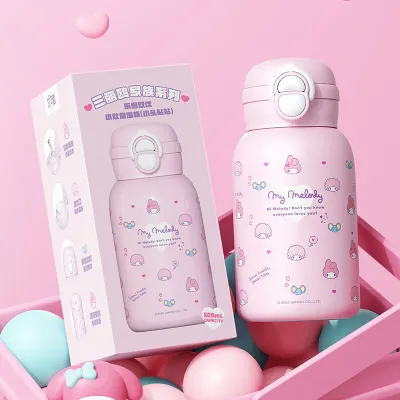
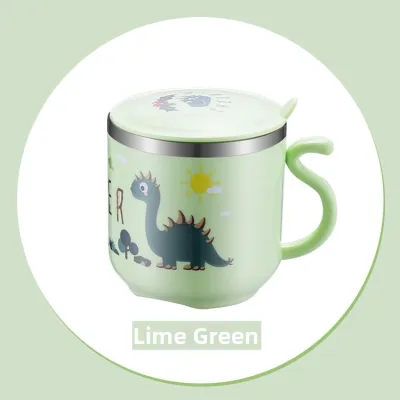
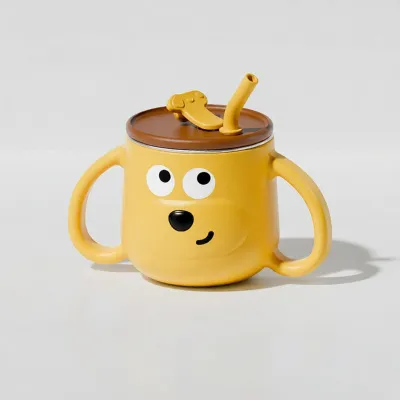
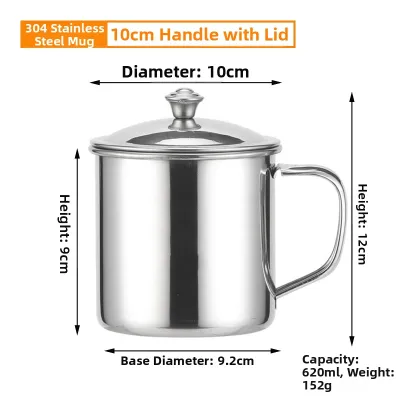
Prices are valid at publication and may change. Please refer to the product page for the latest price.
Using metal drinkware also eliminates concerns regarding chemical leaching and microplastics. Many plastic cups, even those labeled BPA-free, may contain other chemical compounds that parents wish to avoid. When choosing a metal cup, you must verify the specific food-grade stainless steel specifications on the product label or manufacturer’s website. Look for 304-grade or 18/8 stainless steel, which contains 18% chromium and 8% nickel, providing excellent rust resistance and food safety. Additionally, ensure that all lid mechanisms, valves, and silicone components are certified BPA-free and food-safe.
The physical weight of a metal cup is an important factor in your toddler’s motor skill development. Metal cups are naturally heavier than their plastic counterparts. While this added weight requires more muscle control, it actually helps toddlers develop hand-to-mouth coordination and spatial awareness. However, for younger toddlers who are just beginning to transition, a heavy cup can lead to fatigue or frustration. Understanding how to balance weight with ergonomic features will help you choose a cup that supports, rather than hinders, your child’s physical progress.
While stainless steel cups have a higher initial purchase price (often S$30 to S$50) compared to plastic cups (which can cost S$10 to S$20), they do not need to be replaced every few months due to wear, scratches, or lingering odors. This makes them a more cost-effective and environmentally friendly choice in the long run.
Key Features to Look for in a Transition Cup
Selecting the ideal transition cup requires evaluating several design features against your toddler’s specific age, motor skills, and drinking habits. Not all metal sippy cups are structured the same way, and matching the cup’s features to your child’s developmental stage will make the weaning process much smoother.
Lid mechanisms are the most critical feature to consider, as they directly impact oral motor development. It is helpful to understand the physiological differences between bottle feeding, which uses a forward-and-backward tongue pumping action, and cup drinking, which requires mature tongue elevation and active lip closure. Choosing the right lid style supports this physiological transition and prevents dental issues like open bites.
- Soft Spouts: These are typically made of silicone and mimic the flexible feel of a bottle nipple. They are excellent for very early transitioners (around six months) who still rely on a suckling reflex. However, pediatric speech therapists often recommend limiting spout use, as prolonged use can prevent the tongue from retracting naturally during swallowing.
- Straw Lids: Straw drinking is highly recommended because it promotes active tongue retraction, lip sealing, and cheek strength. These oral motor skills are essential for speech development and proper swallowing patterns. Straw cups are ideal for toddlers from nine months onward.
- 360-Degree Rims: These lids allow your child to sip from any edge of the cup, similar to an open glass. A lip-activated valve releases liquid only when pressure is applied, preventing spills. This mechanism teaches the natural lip and jaw movements required for open-cup drinking without the mess.
Ergonomics and stability features ensure that your toddler can handle the cup independently. Double handles are highly beneficial for infants and younger toddlers, as they allow for a secure, symmetrical grip. As your child grows and their grip strength improves, you can transition to cups with contoured bodies or non-slip silicone sleeves. A weighted or non-slip silicone base is also invaluable, as it prevents the cup from sliding or tipping over on high-chair trays and dining tables.
The choice between leak-proof and leak-resistant designs involves a trade-off between convenience and cleanliness. Truly leak-proof cups utilize complex silicone valves that seal tightly when not in use. While these are perfect for diaper bags and travel, the intricate valves can be difficult to clean thoroughly, creating areas where milk residue can hide. Leak-resistant cups have simpler valves that are easier to wash but may drip slightly if shaken vigorously or dropped from a high chair.
Before making a purchase, always check the manufacturer’s age and developmental stage recommendations. These guidelines are calibrated to average grip strengths and oral motor capabilities, helping you avoid purchasing a cup that is too advanced or too heavy for your child’s current stage of development.
Recommended Metal Sippy Cup Styles for Different Weaning Stages
To help you navigate the options available in Singapore, we have categorized some of the most popular metal sippy cups by their lid style and insulation properties. These styles are tailored to different phases of the weaning journey, allowing you to select the best match for your toddler’s routine. These models are widely available in local Singapore baby boutiques, department stores, and official online brand stores. Please note that prices are approximate and subject to change based on promotions.

Straw-Top Metal Cups for Active Toddlers
Straw-top cups are ideal for toddlers who are highly mobile and have mastered the basic mechanics of straw drinking. These cups support independent hydration during outdoor trips to Singapore’s parks or during active play sessions.
- b.box Insulated Double Wall Stainless Steel Drink Bottle
- Approximate Price: S$35.00 – S$45.00
- Pros: Excellent double-wall vacuum insulation keeps liquids cold for up to 15 hours; features an easy-to-use push-button lid that keeps the straw hygienic; durable carry handle.
- Cons: Heavier than single-wall options; the weighted straw mechanism has multiple small parts that require careful assembly.
- Maintenance: The weighted straw must be cleaned daily using a specialized fine-bristle straw brush. Disassemble all silicone parts completely to prevent mold growth.
- Thermos Foogo Vacuum Insulated Straw Bottle
- Approximate Price: S$32.00 – S$42.00
- Pros: Premium thermal insulation performance; highly durable stainless steel interior and exterior; sweat-proof design prevents slippery hands.
- Cons: The silicone straw can wear down if your toddler is a frequent biter; replacement straws must be purchased separately.
- Maintenance: The lid and straw assembly must be disassembled into three separate parts for thorough cleaning. Hand-washing is recommended to preserve the vacuum seal.
Spout and 360-Degree Cups for Early Transitioners
For toddlers who are just beginning to move away from breast or bottle feeding, spout and 360-degree cups offer a familiar feeding angle while introducing new drinking mechanics.
- Munchkin Miracle 360 Stainless Steel Sippy Cup
- Approximate Price: S$30.00 – S$40.00
- Pros: Dentist-recommended 360-degree drinking edge; double-wall vacuum insulated to keep drinks cool; includes a secure travel lid.
- Cons: Lacks built-in handles, which may make it difficult for younger babies to hold; the silicone valve requires firm suction to release liquid.
- Maintenance: The silicone valve pops off easily for washing. Ensure the valve and plastic collar are completely dry before reassembling to avoid trapping moisture.
- NUK Evolution Stainless Steel Learner Cup
- Approximate Price: S$25.00 – S$35.00
- Pros: Features a soft, bite-resistant silicone spout that is gentle on sensitive gums; ergonomic, non-slip handles designed for small hands.
- Cons: Single-wall construction does not provide temperature insulation; will develop exterior condensation when filled with ice-cold liquids.
- Maintenance: The simple spout design consists of only a few parts, making it exceptionally easy to hand-wash and air-dry quickly.
Insulated vs. Non-Insulated Options
Choosing between insulated (double-wall) and non-insulated (single-wall) metal cups depends largely on your lifestyle and your toddler’s physical strength.
Insulated cups utilize a double-wall vacuum design that creates a thermal barrier. In Singapore’s tropical climate, this feature is highly beneficial because it keeps water or milk cool for extended periods, making outdoor activities more comfortable. Crucially, insulated cups do not produce exterior condensation. Single-wall metal cups, when filled with cold liquids, will quickly “sweat” due to high humidity. This condensation makes the cup slippery and difficult for a toddler to grip, and it can leave water marks on wooden furniture.
However, insulated cups are significantly heavier. For a 12-month-old toddler, lifting a fully filled insulated stainless steel cup can be tiring. Non-insulated cups are incredibly lightweight and easy to maneuver, making them excellent for indoor use where drinks are consumed quickly and do not need to stay cold. If you choose a non-insulated cup, consider using a silicone sleeve to improve grip and absorb minor condensation.
Safe Cleaning and Maintenance for Metal Toddler Cups
Maintaining strict hygiene standards is critical when caring for your toddler’s drinkware. Singapore’s high humidity and warm temperatures create an ideal environment for mold, yeast, and bacteria to thrive, particularly in the small crevices of sippy cup lids and valves.
Establish a daily cleaning routine that involves complete disassembly of the cup. Never wash a sippy cup with the lid or valve still attached, as milk and juice residues quickly trap moisture underneath, leading to black mold growth. Use warm, soapy water and a set of specialized cleaning brushes—including a wide bottle brush for the metal flask and a micro-brush for straws and air vents.
Many Singaporean households use UV sterilizers to dry and sanitize baby items. Parents must verify whether their specific metal cup’s silicone and plastic parts are UV-compatible, as prolonged exposure to UV light can accelerate the degradation of certain plastics and low-grade silicones, making them brittle or sticky.
Regularly perform a visual inspection of the metal cup’s interior and exterior. Check for deep dents, which can occur if the cup is dropped onto concrete or tile surfaces. A severe dent can compromise the vacuum insulation of a double-wall cup, causing it to lose its temperature-retention capabilities. Additionally, inspect the inner seams and bottom of the cup for any signs of rust or discoloration. While high-grade stainless steel is rust-resistant, it is not completely rust-proof if exposed to harsh conditions or acidic liquids for prolonged periods.
If you observe that the inner metal surface of the cup is deeply scratched, chipped, or structurally compromised, stop using the cup immediately to prevent any potential material degradation. Always consult the manufacturer’s care labels and instruction manuals regarding dishwasher limits. While many stainless steel flasks are dishwasher-safe, high-heat drying cycles can damage outer paint coatings, decorative decals, or silicone gaskets over time.
Frequently Asked Questions (FAQ)
Are metal sippy cups safe for hot liquids?
No, metal sippy cups are not safe for serving hot liquids to toddlers. Single-wall metal cups have high thermal conductivity, meaning the exterior of the cup will instantly become as hot as the liquid inside, posing an immediate burn risk to your child’s hands. While insulated cups keep the exterior cool, serving hot liquids through a straw or a spout is highly dangerous. The vacuum seal can cause hot liquid to shoot up the straw rapidly, and toddlers do not have the reflex control to handle hot drinks, leading to severe throat and mouth burns. Always test the temperature of any liquid on your inner wrist before serving it to your toddler, and stick to cool or lukewarm beverages.
How do I remove milk odors from a stainless steel cup?
To remove stubborn milk or juice odors from a stainless steel cup, you can perform a simple, low-risk soak using household ingredients. Mix warm water with two tablespoons of baking soda, or create a solution of equal parts warm water and white vinegar. Fill the cup and submerge the disassembled silicone valves, straws, and gaskets in the solution for several hours or overnight. Rinse all components thoroughly with clean water and allow them to air-dry completely in a well-ventilated area. Avoid using harsh chemical cleaners, chlorine bleach, or abrasive steel wool, as these can permanently scratch the protective chromium oxide layer of the stainless steel, making the cup susceptible to rust and bacterial accumulation.

Community discussion
Share your experience or ask a question. Comments are reviewed before publication.