
Securing your home for an active, crawling baby is a major milestone in parenthood. In Singapore, where open-concept kitchens and compact living spaces in HDB flats and condominiums are common, keeping curious toddlers out of low-lying cabinets is essential. Magnetic cabinet locks have become one of the most popular childproofing solutions because they offer a clean, invisible barrier that keeps hazardous items out of reach without compromising your home’s interior design.
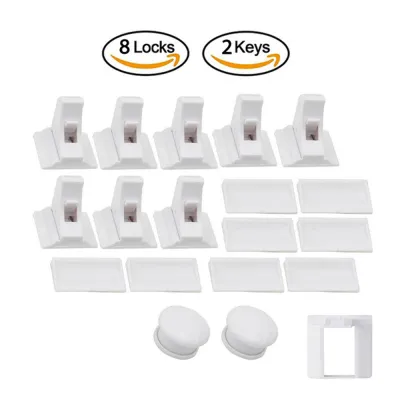
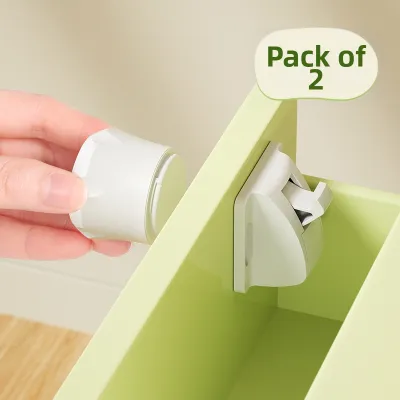
These systems work through a clever two-part mechanism: an internal spring-loaded latch mounted inside the cabinet and an external magnetic key. When the key is placed against the outside of the door, the magnetic force pulls the internal pin down, releasing the latch. Because the entire apparatus is hidden inside the cabinetry, there are no unsightly plastic straps or visible latches on the exterior of your doors.
This hidden design provides a significant behavioral advantage. Toddlers are highly observant and learn by watching their parents. When they see a visible strap lock or latch, they often try to pull, twist, or bypass it. Hidden magnetic locks remove this visual cue entirely, causing children to lose interest in the cabinet doors because they simply appear to be sealed doors. However, while these locks are highly effective, they must be paired with active adult supervision and proper storage practices to ensure safety.
Products mentioned in this guide
![[SG Local Stock] Baby Safety Lock Childrens Anti-pinch Safety Lock Catch Anti-collision Premium Safety Locks Self-adhesive Baby Safety Buckle For Cabinet Drawer Fridge Door Wardrobe Children Day Gifts](https://img.lazcdn.com/g/p/638abdf5a97199a85681991ebc624026.jpg_400x400q80.jpg_.webp)
Prices are valid at publication and may change. Please refer to the product page for the latest price.
Why Choose Magnetic Locks for Childproofing?
To understand why magnetic locks are highly favored, it helps to look at how they function mechanically. The lock assembly is mounted entirely on the inside of the cabinet door or drawer, while a corresponding strike plate or catch is attached to the cabinet frame. Under normal conditions, a spring-loaded latch remains caught on the strike plate, keeping the door firmly shut.
When you place the external magnetic key against the outside face of the cabinet door, the powerful magnet inside the key attracts the internal metal pin. This magnetic pull retracts the latch, allowing you to pull the door open smoothly. Once you remove the key and close the door, the spring-loaded mechanism automatically re-engages, locking the cabinet once again.
This design offers immediate aesthetic benefits for modern Singaporean homes. Many homeowners invest heavily in custom carpentry, high-pressure laminates, or sleek wood veneers. Traditional plastic strap locks require sticking bulky, colorful pieces of plastic across the front of your beautiful cabinets, which can disrupt your home’s visual harmony. Magnetic locks preserve the clean lines of your cabinetry, keeping your childproofing efforts entirely discreet.
Beyond aesthetics, the lack of external hardware prevents toddlers from figuring out how to open the cabinets. Children are natural problem solvers who closely watch how adults interact with objects. If they see you pressing a button on a visible latch, they will quickly attempt to replicate the action. Because there is nothing to press, pull, or slide on the outside of a magnetically locked cabinet, children do not realize there is a mechanism to bypass.
Despite their effectiveness, it is important to remember that childproofing devices are designed to buy you time, not to replace parental vigilance. No lock is completely indestructible, and an exceptionally determined or strong toddler may still manage to damage or bypass a lock. Therefore, highly hazardous items—such as household chemicals, medicines, and sharp cutlery—should still be stored on high shelves out of reach, even if your lower cabinets are locked.
Key Features to Evaluate Before Buying
When shopping for magnetic locks on e-commerce platforms or in local baby specialty stores, you will find a wide variety of brands and packages. Rather than relying on unverified popularity rankings, you should evaluate these products based on specific functional design elements that match your home’s cabinetry.

Holding Strength and Latch Design
The magnetic pull force of the key must be strong enough to penetrate the thickness of your cabinet doors. Most standard magnetic locks are rated to work through wood or laminate up to 25mm thick. If you have premium custom cabinetry with exceptionally thick solid wood doors or decorative shaker-style panels, you will need to check the manufacturer’s specifications for maximum door thickness. Using a lock with insufficient magnetic strength on a thick door will result in the key failing to retract the latch.
Magnetic Key Ergonomics and Storage
The magnetic key is the single point of access for your locked cabinets, making its design and storage a critical daily consideration. Look for keys that feature ergonomic grips or textured surfaces, which are easier to handle when your hands are wet or busy during cooking. Most high-quality sets include adhesive-backed magnetic key docks. These docks should be mounted high up on a wall, tiled backsplash, or the side of your refrigerator—well out of your child’s line of sight and reach—so you always know where to find the key.
Decoupling and Bypass Mechanisms
There will be times when your child is not at home, or when you are actively cooking and need constant, rapid access to your pots, pans, and ingredients. For these scenarios, choose a lock system that features a manual decoupling or bypass switch. This is typically a small slider or flip lever on the internal latch body that allows you to temporarily disable the locking function. When engaged, the latch remains retracted, allowing you to open and close the doors freely. Always consult the product manual to understand how this mechanism operates, and ensure you re-engage the lock once your child returns.
Multi-Key Compatibility
If you plan to childproof your entire kitchen, bathroom, and living area, you will need a large number of locks. Ensure that the brand you choose uses a standardized magnetic strength across their product line, allowing a single key to open every lock in your home. Purchasing a bulk set that includes multiple keys is highly recommended. This allows you to place spare keys in different rooms, preventing the frustration of having to carry a single key around the house as you complete your daily chores.
Matching Lock Types to Common Cabinet Materials
Singaporean homes feature a wide variety of cabinet materials, from modern high-gloss laminates to solid timber and engineered wood. Understanding how different mounting options interact with these materials will help you choose a lock system that remains secure over time.
Adhesive-Mounted Locks
Many magnetic locks use heavy-duty double-sided acrylic tape (such as 3M tape) for installation. This tool-free method is highly popular, especially for renters who want to avoid drilling permanent holes into their landlord’s cabinetry. However, Singapore’s hot and highly humid tropical climate can place extra stress on adhesive bonds over time. Adhesive mounts work exceptionally well on smooth, non-porous surfaces like melamine, high-gloss laminates, acrylic, or sealed, varnished wood. The smooth surface allows the adhesive to form a complete, airtight bond.
Screw-Mounted Locks
For heavy solid wood doors, high-stress drawers, or cabinets located in high-humidity zones (such as under-sink cabinets), screw-mounted locks offer the most reliable long-term security. Some magnetic locks feature a hybrid design, allowing you to stick them in place with adhesive first and then secure them permanently with small screws. While screw mounting ensures the lock will not peel off under heavy pulling forces, it does leave permanent holes in the cabinetry. If you are renting, you must weigh this trade-off or seek written permission from your landlord before drilling.
Surface Preparation and Limitations
To ensure that adhesive-mounted locks do not fail prematurely, meticulous surface preparation is required. Cooking grease, oil splatters, and household dust common in Singaporean kitchens will severely weaken the adhesive bond. Before applying the tape, clean the mounting area thoroughly with isopropyl alcohol and allow it to dry completely. Avoid using adhesive locks on raw, unsealed wood, textured laminates, wallpaper, or flaky painted surfaces, as the adhesive will either fail to stick or damage the surface material when eventually removed.
Clearance and Hinge Gaps
Before purchasing any magnetic lock, you must measure the internal clearance of your cabinets and drawers. The internal latch and catch require a certain amount of physical space to sit flush inside the frame without obstructing the door’s ability to close. Most standard locks require a gap of at least 10mm to 15mm between the top of the drawer drawer-box and the cabinet frame. If your cabinets have tight tolerances, inset doors, or specialized European-style hinges, you must verify that the lock’s dimensions will fit within these tight spaces.
Installation Methods and Safety Boundaries
Installing magnetic cabinet locks requires precision to ensure that the internal latch aligns perfectly with the strike plate. Following a systematic installation process and understanding the physical limits of these devices will keep your childproofing setup secure.
Preparation and Alignment
Because the locking mechanism is completely hidden inside the cabinet, aligning the two pieces manually can be challenging. If the latch and catch are misaligned by even a few millimeters, the lock may fail to engage, or the magnetic key may not be able to retract the pin. To solve this, many manufacturers include a plastic installation template or alignment cradle in the packaging. This cradle holds both the latch and the catch in the correct relative positions. You simply stick the cradle to the inside of the cabinet, close the door to transfer the adhesive, and remove the cradle, leaving both pieces perfectly aligned. Always read the manufacturer’s step-by-step instructions before beginning.
Curing Time for Adhesives
A common mistake is testing the strength of an adhesive-mounted lock immediately after sticking it to the cabinet. High-bond double-sided adhesives require time to cure and bond with the surface. For most standard adhesives, the curing period is 24 to 48 hours. During this time, you should leave the locks in the “unlocked” or bypassed mode and instruct all family members to avoid pulling on the cabinet doors. Testing the lock too early can weaken the adhesive bond, causing the lock to fail later when your child pulls on it.
Verification and Stress Testing
Once the adhesive has fully cured, or after you have completed the screw installation, you must verify the system’s integrity. Engage the lock and perform a manual stress test by pulling on the cabinet handle or drawer front with moderate force, mimicking the sudden, repetitive tugs of an energetic toddler. Observe the latch and catch closely to ensure there is no slipping, shifting, or peeling of the adhesive. If you notice any movement, you may need to reinforce the installation or replace the adhesive tape with a fresh, high-quality strip.
When to Stop and Seek Alternatives
Magnetic locks are highly versatile, but they are not suitable for every household scenario. You should not use magnetic locks on cabinets or drawers that contain heavy, pullable appliances (such as stand mixers, air fryers, or heavy blenders) that could fall and cause severe injury if the lock fails under extreme force. They are also inappropriate for drawers that can be pulled completely out of their sliding tracks, as a child could pull the entire drawer down onto themselves. If your cabinetry is fragile, antique, or structurally compromised, do not attempt to install locks yourself; instead, consult a professional carpenter or childproofing specialist to explore custom safety solutions.
Frequently Asked Questions (FAQ)
Can magnetic locks be used on drawers with soft-close hinges?
Yes, magnetic locks can generally be used on cabinets and drawers equipped with soft-close hinges or drawer slides, but precise positioning is essential. The lock’s internal catch must be installed in a position where it does not interfere with the soft-close damper or the sliding track mechanism. Because soft-close systems pull the drawer or door gently shut at the very end of its path, you must ensure there is sufficient internal clearance for the latch to click into place. After installation, test the closure slowly to confirm that the drawer closes and locks smoothly without jamming or putting unnecessary strain on your soft-close hardware.
What happens if the magnetic key gets lost?
If you lose your magnetic key, you should check if the manufacturer sells individual replacement keys online or through local Singaporean baby specialty retailers. In an emergency, a high-strength household magnet (such as a neodymium magnet) can often be used to temporarily bypass the lock. However, you must handle high-strength magnets with extreme care and keep them completely out of reach of children, as swallowing magnets is a severe medical emergency. To prevent being locked out, always purchase a set that includes multiple keys, and store a spare key in a secure, designated high spot, such as on top of your refrigerator or inside a high pantry shelf.
Are magnetic locks safe for cabinets storing heavy appliances?
No, magnetic locks are not recommended for securing cabinets that hold heavy or highly hazardous appliances. While these locks are excellent for keeping children away from lightweight pantry items or plastic containers, they secure only the door frame, not the heavy contents within. If a child applies extreme force or if the adhesive fails, a heavy appliance could slide forward and cause serious crushing injuries. For heavy kitchen appliances, use heavy-duty appliance straps or store the items on high countertops or locked pantry rooms. Magnetic locks should always be integrated into a layered, comprehensive home safety plan rather than relied upon as a single point of protection.

Community discussion
Share your experience or ask a question. Comments are reviewed before publication.