
Selecting the right potty training gear is a pivotal step in your toddler’s developmental journey. Ifam, a well-regarded South Korean brand known for its minimalist aesthetic and baby-safe plastics, offers a range of potty training solutions designed to ease this transition. The best Ifam product for your family depends heavily on your child’s current physical coordination, their comfort level with bathroom fixtures, and the spatial constraints of your Singapore home.
While some parents prefer a gradual introduction using a standalone floor trainer, others opt to transition their toddler directly to the adult toilet using a reducer seat and a sturdy step stool. Understanding your child’s developmental readiness and matching it with the appropriate gear will minimize stress, prevent toilet anxiety, and foster independent bathroom habits.
How to Match Ifam Products to Your Toddler's Potty Training Stage
Potty training is not a single event but a multi-stage developmental process that typically unfolds over several months. The first phase is the initial introduction, where the primary goal is familiarization and comfort. At this stage, toddlers need a low-to-the-ground, non-threatening option where they can practice sitting down and standing up independently. A standalone potty trainer is ideal here because it can be placed in familiar rooms outside the bathroom, reducing the pressure associated with the transition.
Products mentioned in this guide
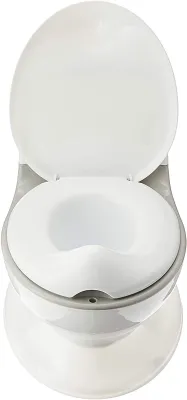
Prices are valid at publication and may change. Please refer to the product page for the latest price.
The second phase is the toilet transition, where the child begins using the household’s adult toilet. This stage requires a potty seat or reducer that sits securely on the adult toilet bowl, scaling down the opening so the child does not feel like they are falling in. This phase helps demystify the adult bathroom and aligns with the toddler’s natural desire to mimic their parents or older siblings.
The final phase is independent use, where the child manages the entire process with minimal caregiver assistance. To achieve this, the child must be able to climb onto the toilet safely and reach the bathroom sink to wash their hands. A dedicated step stool becomes the critical link during this stage, transforming standard-height fixtures into child-accessible spaces.
Rather than relying strictly on age milestones, parents should closely observe their toddler’s physical size, motor skills, and emotional comfort. A child who is tall and physically coordinated may bypass the standalone potty entirely, while a smaller or more hesitant toddler may require several months on a floor-level trainer before feeling secure enough to climb up. Often, a complete and successful setup involves combining these products, such as keeping a standalone trainer in the bedroom for nighttime use while equipping the main bathroom with a seat reducer and step stool.
Ifam Potty Trainers: Best for Early Introduction and Comfort
For toddlers who are just beginning their potty training journey, a standalone Ifam potty trainer offers a gentle, low-pressure entry point. These floor-level units are designed to look like miniature versions of adult toilets, which can spark curiosity and encourage imitation. When evaluating these trainers, parents should look for specific ergonomic features that support a toddler’s developing posture.

A supportive, ergonomic backrest is essential for keeping your child comfortable during longer sits, while a raised front splash guard is crucial for containing urine, particularly for young boys. Another key design feature to verify is a removable inner bowl. This component should lift out smoothly from the main frame, allowing caregivers to carry waste directly to the adult toilet for disposal and cleaning without having to transport the entire unit.
While standalone trainers are highly effective for building confidence, they do come with practical limitations. Unlike toilet seats that flush waste away instantly, standalone potties require immediate manual emptying and thorough sanitization after every single use. Additionally, in compact Singapore apartments where bathroom floor space is at a premium, a standalone trainer can add physical clutter to a shared family bathroom.
Before finalizing a purchase, always verify the specific weight limits and structural stability of the exact model available from official distributors. Look for trainers equipped with wide, stable bases and robust rubber anti-slip pads on the underside. These pads prevent the potty from sliding backward when your toddler attempts to sit down, a common issue on smooth, glossy bathroom tiles that can startle a child and set back their training progress.
Ifam Potty Seats: Ideal for Toilet Transition and Older Toddlers
As toddlers grow physically larger and show a clear interest in using the “big toilet,” transitioning to an Ifam potty seat (or toilet reducer) is a natural next step. These seats fit directly over your existing adult toilet seat, reducing the aperture to a size that feels safe and secure for a small child. This setup eliminates the chore of manual waste disposal, as all waste goes directly into the toilet bowl to be flushed away immediately.
Safety and stability are the most critical factors to verify when choosing a toilet seat reducer. Because the child is elevated significantly higher than they would be on a floor trainer, any movement or shifting of the seat can cause intense anxiety or physical pinching. Look for Ifam potty seats that feature robust non-slip rubber grips on the underside and secure, adjustable fitting mechanisms that lock the reducer firmly against the adult seat.
Additionally, integrated side handles are highly beneficial. These handles give toddlers a secure place to hold onto while balancing, which helps them relax their pelvic muscles—a necessary step for successful elimination. Before purchasing, it is vital to measure your home’s adult toilet seat carefully. Singapore toilets come in various shapes, including round (O-shape), elongated (U-shape), and square-front designs, and not all reducers are universally compatible with every profile.
Using an ill-fitting potty seat that slides or wobbles is a safety hazard that can lead to slips, pinched skin, or a sudden loss of confidence. Always cross-reference the manufacturer’s compatibility guidelines with the physical dimensions and thickness of your toilet seat to ensure a flush, immovable fit.
Ifam Step Stools: Essential for Reaching the Sink and Toilet Safely
No potty training setup is complete without a reliable step stool. A dedicated step stool serves two vital purposes: it allows your toddler to climb onto the adult toilet independently, and it raises them to the correct height to wash their hands at the bathroom sink. Without a stool, toddlers are forced to rely entirely on caregivers to lift them, which slows down their journey toward independence.
When selecting an Ifam step stool, prioritize safety features over aesthetics. The stool must have a highly textured, anti-slip surface on each step to prevent slipping, especially when your child has wet feet. The base of the stool should be wide and flared to prevent tipping if the child steps too close to the edge. Rubberized feet on the bottom of the stool are non-negotiable for maintaining traction on wet, soapy bathroom floors.
Space constraints are a common challenge in Singapore bathrooms, particularly in HDB flats and condominiums. If floor space is limited, look for compact double-step stools that can slide neatly under the curve of the sink pedestal or sit flush against the side of the toilet bowl when not in use. Double-step designs are generally preferred over single-step models for younger toddlers, as they offer a more gradual climb and better height alignment for standard-height sinks.
Avoid the temptation to use makeshift household items, such as plastic storage tubs or adult chairs, as step stools. These items lack the slip-resistant bases and balanced weight distribution required to support an active toddler safely. Always verify the manufacturer’s maximum weight capacity on the product packaging to ensure the stool can safely support your growing child.
Quick Comparison: Matching Ifam Gear to Your Toddler's Needs
To help you quickly identify the right setup for your bathroom, the table below summarizes the key features and ideal use cases for each product category.
| Product Type | Best For (Training Stage) | Key Features to Verify | Ideal Bathroom Setup |
|---|---|---|---|
| Standalone Potty Trainer | Initial Introduction & Familiarization | Removable inner bowl, high backrest, raised splash guard, rubberized base grips | Placed in bedrooms, playrooms, or spacious family bathrooms for quick access |
| Potty Seat (Reducer) | Toilet Transition & Mimicking Adults | Anti-slip underside grips, secure locking mechanism, integrated side handles | Installed on compatible adult toilet seats in the main bathroom |
| Step Stool | Independent Climbing & Handwashing | Wide non-slip steps, flared non-tip base, rubber feet, appropriate step height | Positioned directly in front of the toilet or the bathroom washbasin |
By assessing your child’s physical height and confidence level against these categories, you can easily pinpoint which item will resolve your current potty training bottleneck.
Cleaning and Safety Maintenance for Potty Products
Maintaining rigorous hygiene and checking structural safety are essential when managing plastic potty training products, particularly in Singapore’s hot and highly humid tropical climate. High humidity levels can accelerate the growth of mold and mildew in hidden crevices and can also cause adhesive backings on anti-slip pads to degrade prematurely over time.
Establish a regular cleaning routine to keep these items sanitary and safe:
- Daily Cleaning: Rinse standalone potty bowls immediately after use. Wash the inner bowl and potty seats with warm water and a mild, baby-safe detergent. Avoid harsh abrasive cleaners or strong chemical bleach, which can degrade the plastic surface and irritate your toddler's sensitive skin.
- Weekly Deep Clean: Wipe down the entire frame of the potty trainer, the underside of the toilet seat reducer, and the step stool. Pay close attention to the joints, crevices, and rubber feet where grime, dust, and moisture tend to accumulate.
- Rubber Grip Inspection: Regularly check the rubber anti-slip pads on the bottom of your step stools and potty seats. Ensure they are free of soap scum, hair, and dust, which can severely reduce traction. If the rubber pads feel slimy or have lost their grip, wash them thoroughly and allow them to dry.
- Structural Integrity Checks: Periodically inspect all plastic components for signs of wear, such as stress cracks, deep scratches, or warping. Plastic that has been compromised can harbor bacteria in microscopic crevices or fail structurally under pressure.
If you discover any cracks, loose joints, or failing anti-slip mechanisms, stop using the product immediately. Consult the manufacturer’s documentation or contact the local distributor to check for replacement parts or guidance. Never attempt to repair structural safety components with temporary household adhesives, as these can easily fail under a child’s weight.
Frequently Asked Questions (FAQ)
How do I know if my toddler is ready for an Ifam potty seat instead of a trainer?
Your toddler is likely ready to transition to an Ifam potty seat when they demonstrate the physical coordination to climb a step stool safely and can sit comfortably on an elevated surface without losing balance. Other key indicators include an active interest in using the adult toilet, communicating their need to go before an accident happens, and expressing a dislike for using a standalone floor potty. If your child shows fear or anxiety when placed on the adult toilet, it is best to continue using the floor trainer until their confidence improves.
Can I use an Ifam step stool for both the toilet and the sink?
Yes, a single, sturdy step stool can be used for both the toilet and the sink, provided it is lightweight enough for your toddler to carry or slide between the two fixtures independently. However, if your bathroom layout places the toilet and sink far apart, or if the floor is frequently wet, moving the stool back and forth can introduce slipping hazards. In compact bathrooms, placing a single stool in a central location may work, but for larger layouts, having dedicated stools for both the toilet and the sink is often the safest and most convenient option.

Community discussion
Share your experience or ask a question. Comments are reviewed before publication.