
Securing a refrigerator is a vital step in baby-proofing a kitchen. For parents in Singapore, finding the right fridge lock involves balancing high-strength security with the unique challenges of tropical humidity and rental housing constraints. A reliable lock prevents curious toddlers from accessing hazardous items, pinching their fingers, or leaving the doors open. By understanding the key features of top safety brands and selecting the correct mechanism for your appliance style, you can establish a secure kitchen environment.
Why Fridge Locks Are Essential for Toddler Safety
Toddlers are natural explorers, and the kitchen is often the center of their curiosity. Between the ages of 12 and 36 months, children rapidly develop the physical strength to pull open heavy doors, including those of refrigerators and freezers. An unsecured refrigerator presents several immediate hazards. Heavy glass jars, condiments, and beverage bottles stored on door shelves can easily fall and shatter when a toddler yanks the door open, leading to severe cuts or impact injuries.
Furthermore, the refrigerator contains items that pose choking or ingestion risks. Raw meats, leftovers, small fruits like grapes, and even certain medications stored in the door compartments are highly dangerous if consumed unsupervised. There is also the risk of painful finger-pinching. Refrigerator doors are heavy and rely on magnetic seals that snap shut with significant force. If a child rests their hand along the hinge or the edge of the door while it closes, it can cause severe bruising or fractures.
Products mentioned in this guide
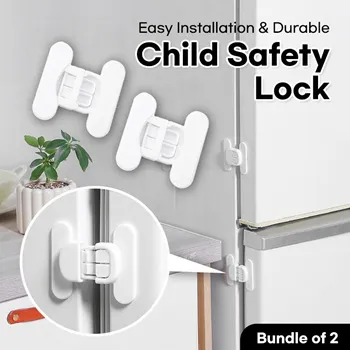
![[SG] Baby Safety Lock Child Drawer Lock Refrigerator Cabinet Microwave Infant Wardrobe Door Safety lock](https://img.lazcdn.com/g/p/8847f4874628f086869454a0c76d9001.jpg_400x400q80.jpg_.webp)
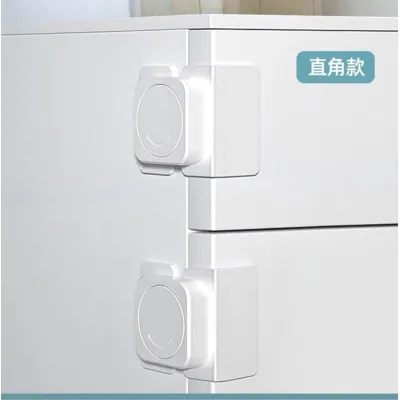
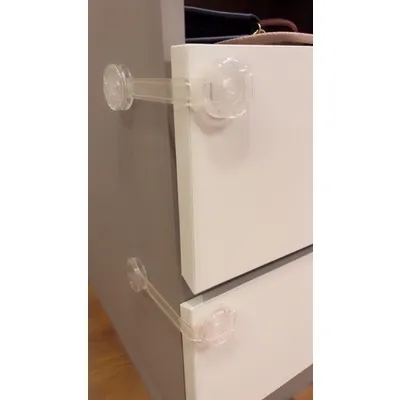
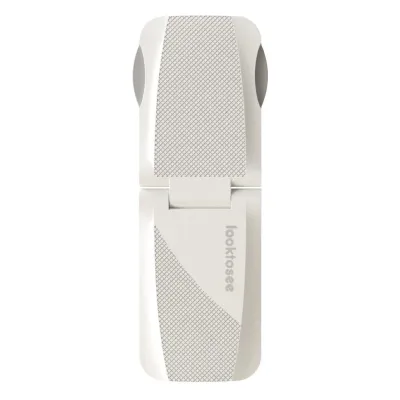
Prices are valid at publication and may change. Please refer to the product page for the latest price.
While constant supervision is the ideal standard of care, practical daily life makes it impossible to watch a child every single second. Cooking meals, washing dishes, or attending to other household tasks can distract even the most attentive caregiver for a brief moment. A high-quality fridge lock acts as a reliable physical barrier, giving parents peace of mind and an extra layer of defense during those critical moments of distraction. Note that child safety locks are secondary aids; they do not replace active adult supervision, and caregivers should immediately address any structural failures in their safety setups.
Key Features to Look for in a Reliable Fridge Lock Brand
Selecting a fridge lock requires moving beyond basic marketing claims to evaluate the core engineering of the safety device. Not all child locks are built to withstand the constant pulling force of a determined toddler or the specific environmental conditions of a kitchen.

Adhesive Quality The strength of a lock is only as good as the adhesive holding it to your appliance. Look for brands that utilize high-performance, double-sided acrylic foam tapes, such as genuine 3M VHB or equivalent industrial-grade adhesives. These adhesives are designed to bond securely to smooth metal, plastic, and painted surfaces without sliding. In a kitchen, where grease, moisture, and temperature fluctuations are common, inferior adhesives will quickly degrade and peel away under minimal tension.
Locking Mechanism A reliable lock must present a cognitive and physical challenge to a child while remaining highly functional for adults. Look for dual-action or multi-step release mechanisms. These require two distinct physical actions to open, such as pressing two side buttons simultaneously while sliding a latch, or squeezing a release lever while pulling. Because toddlers lack the hand span and fine motor coordination to perform these coordinated movements, the lock remains secure. Conversely, the mechanism should allow parents to operate it easily with one hand, especially when carrying groceries or cooking utensils.
Material Durability The physical components of the lock must endure thousands of cycles of opening and closing. High-quality brands construct their locks from non-toxic, BPA-free ABS plastic or heavy-duty nylon. These materials resist cracking, shattering, and structural fatigue when subjected to sudden, violent tugs. Avoid cheap, brittle plastics that can snap under pressure, creating sharp edges that present an additional safety hazard to your child. Always verify the manufacturer’s material specifications on the packaging before purchase.
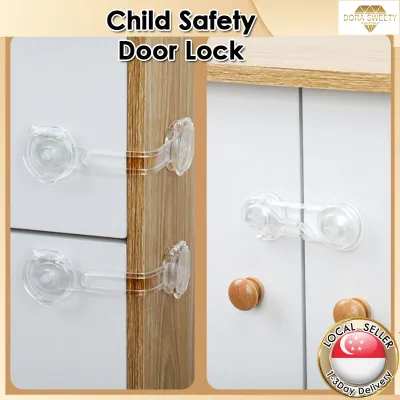
Aesthetics and Discretion While safety is the primary goal, parents also appreciate safety gear that does not disrupt the visual harmony of their living space. Many modern safety brands design low-profile, minimalist locks in neutral colors like white, grey, or black to match standard stainless steel, white, or dark-toned refrigerators. Some models feature transparent straps or ultra-slim profiles that blend seamlessly into the appliance’s contours, making them less noticeable to both adult guests and curious toddlers who might otherwise be tempted to play with the lock itself.
Types of Fridge Locks and Their Best Use Cases
Refrigerators come in various configurations, from classic single-door units to French-door models and bottom-freezer designs. Understanding the different types of locks ensures you select a mechanism compatible with your specific appliance layout.
Strap Locks with Adhesive Pads
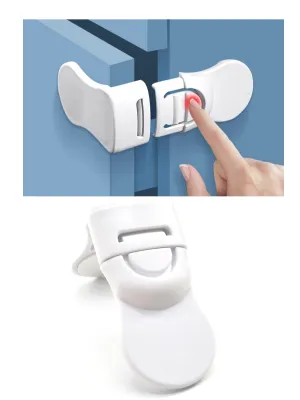
Strap locks are among the most versatile and widely used child safety devices. They consist of a flexible plastic or fabric strap anchored by two adhesive mounting pads. One pad is fixed to the front of the refrigerator door, while the other is secured to the side casing of the appliance. To open the fridge, an adult presses a release button on the main anchor pad, allowing the strap to slide out or swing free.
These locks are highly adaptable and work exceptionally well on standard single-door refrigerators, top-freezer models, and side-by-side units. Because the strap is flexible, it can easily bend around corners and bridge the gap between the door and the main body of the fridge. However, strap locks require flat, clean, and rigid surfaces for the adhesive pads to bond correctly. They may not perform well on highly textured surfaces or appliances with decorative, deeply contoured paneling.
Push-Button and Sliding Latches
Rigid push-button and sliding latches are designed specifically for double-door systems, such as French-door refrigerators or side-by-side models with adjacent handles. These locks typically mount directly across the gap between the two doors or wrap around the handles themselves. When locked, they hold the doors tightly together, preventing them from being pulled apart even slightly.
These latches are ideal for refrigerators with recessed handles or unique door profiles where a flexible strap lock cannot find a flat mounting surface. Because they do not rely on bending around corners, they offer a very sturdy, rigid hold. Before purchasing a sliding latch, it is critical to measure the distance between your refrigerator handles or door edges. Some models require a specific gap width to function correctly, and a poor fit can prevent the lock from engaging securely.
Magnetic and Hidden Locks
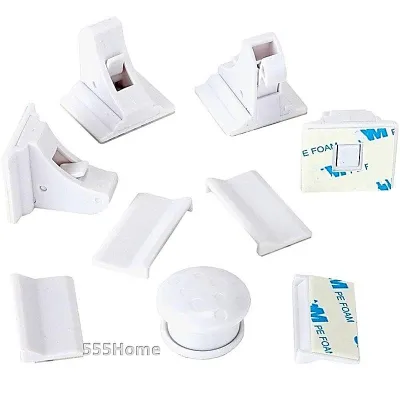
For parents who prefer a completely clean kitchen aesthetic, magnetic and hidden locks offer an invisible safety solution. These systems are installed on the interior frame of the refrigerator door or within the door seal gap, completely out of sight when the appliance is closed. To open the refrigerator, you must place a specialized magnetic key against the exterior of the door at the exact location of the internal lock, which disengages the latch.
The primary benefit of magnetic locks is that they leave the exterior of your high-end appliance completely unmarked and free of visible plastic hardware. This also prevents toddlers from attempting to bypass or tamper with the lock, as there is no visible mechanism for them to interact with. However, magnetic locks require highly precise installation to align the internal components perfectly. Additionally, parents must store the magnetic key in a secure, high location out of the child’s reach, while ensuring it remains easily accessible to adults who need to open the fridge frequently.
Choosing the Right Lock for Singapore Households
Singapore’s unique environment and housing landscape introduce specific challenges that parents must consider when purchasing baby-proofing gear.
Climate Considerations Singapore’s tropical climate, characterized by high relative humidity (often exceeding 80%) and year-round warm temperatures, can severely impact the performance of adhesive-backed safety locks. High humidity can soften standard adhesives, causing them to lose their grip and slide off the appliance surface when pulled. When shopping for fridge locks in Singapore, look for brands that explicitly specify temperature and moisture resistance, or those utilizing high-bond acrylic adhesives designed for challenging environments. Check the manufacturer’s instructions to verify if the adhesive is rated for high-humidity areas.
Rental-Friendly Requirements A significant portion of families in Singapore reside in rented HDB flats or private condominiums. Standard tenancy agreements typically require tenants to return the property in its original condition, meaning any damage to appliances can result in security deposit deductions. For renters, damage-free removal is a critical priority. Opt for brands known for clean-release adhesive technology. These locks can be removed completely without stripping the paint, leaving sticky residue, or scratching stainless steel finishes when proper removal techniques are followed.
Purchasing Channels To ensure you are getting authentic, high-quality safety products, purchase locks through established baby specialty retailers in Singapore, official brand flagship stores, or reputable online marketplaces. Be cautious when buying from unverified third-party sellers offering generic or counterfeit locks at unusually low prices. These cheap alternatives often use low-grade, generic adhesives that fail quickly under tension or contain brittle plastics that present a snapping hazard. Inspect the packaging upon delivery to ensure seals are intact and the product has not been stored in hot, damp warehouses, which can degrade the adhesive before installation.
Step-by-Step Installation and Maintenance for Maximum Security
Even the highest-quality fridge lock will fail if it is installed incorrectly. Following a precise application process ensures the lock remains firmly bonded to your appliance and functions safely over its entire lifespan.
Surface Preparation Before applying any adhesive lock, you must prepare the mounting surface thoroughly. Clean the target areas on the refrigerator door and frame using isopropyl alcohol (rubbing alcohol) and a clean, lint-free microfiber cloth. This step is essential to remove kitchen grease, dust, fingerprints, and cleaning product residues that prevent the adhesive from forming a direct bond with the substrate. Do not use standard household glass cleaners or multi-purpose sprays, as they often leave behind a thin film that compromises adhesive performance. Allow the surface to dry completely for several minutes.
Curing Time One of the most common reasons for lock failure is premature use. Once you have firmly pressed the adhesive pads onto the prepared surfaces, do not test, pull, or engage the lock immediately. Most high-bond adhesives require a mandatory curing period of 24 to 48 hours to reach their maximum bonding strength. During this window, leave the lock completely unlatched and avoid applying any tension to the pads. This allows the pressure-sensitive adhesive to flow into the microscopic pores of the surface, creating a permanent, reliable bond.
Routine Maintenance Kitchen environments are dynamic, and daily wear can gradually affect safety hardware. Establish a routine of checking your fridge locks at least once a week. Inspect the edges of the adhesive pads for any signs of peeling, lifting, or dirt accumulation. Examine the plastic components for stress marks, hairline cracks, or discoloration, and check flexible straps for fraying or stretching. If you notice any structural degradation or adhesive failure, replace the lock immediately to prevent accidental bypass by your child. If you encounter complex installation issues or persistent failures, consult a professional baby-proofing service.
Safe Removal When your child has outgrown the need for a fridge lock, or if you are preparing to move out of a rented home, you can remove the adhesive safely without damaging the appliance finish. Begin by applying gentle heat to the adhesive pad using a hairdryer on a low or medium setting for one to two minutes. This softens the acrylic foam adhesive, making it pliable. Next, take a piece of dental floss, high-strength fishing line, or a flexible plastic scraper, and gently slide it behind the pad, slicing through the softened foam in a sawing motion. Once the plastic anchor is removed, clean off any remaining residue using a mild, surface-safe adhesive remover or eucalyptus oil, then wipe the area clean with a damp cloth. Always read the appliance manufacturer’s care instructions before applying heat or chemical removers to avoid damaging specialized coatings.
Frequently Asked Questions (FAQ)
Can I use standard cabinet locks on a refrigerator?
While some flexible strap-style cabinet locks are versatile enough to work on appliances, rigid cabinet latches are generally not suitable for refrigerators. Refrigerator doors are significantly thicker, heavier, and have stronger magnetic seals than standard wooden cabinet doors. This weight and tension require heavy-duty adhesives and robust plastics specifically engineered to withstand the pulling force applied to large appliances. Always verify the manufacturer’s product specifications to ensure the lock is explicitly rated for refrigerator use before installation.
How do I remove adhesive locks without damaging the fridge?
To remove adhesive locks safely, use a hairdryer on a low-heat setting to warm and soften the adhesive backing for a couple of minutes. Once softened, slide a length of dental floss or fishing line behind the mounting pad in a downward sawing motion to cut through the foam tape. Any remaining sticky residue can be gently rubbed away using a small amount of eucalyptus oil, isopropyl alcohol, or a dedicated, surface-safe adhesive remover. Always perform a quick spot-test on an inconspicuous area of your fridge first to ensure the cleaner does not react with the paint or stainless steel finish.
At what age can I stop using fridge locks?
There is no single age at which you can safely remove a fridge lock, as child development varies. Generally, parents consider removing safety locks when a child reaches 3 to 4 years of age, demonstrating improved impulse control and a clear understanding of kitchen safety rules. Rather than relying solely on age, observe your child’s behavior, physical height, and ability to comprehend safety warnings. When transitioning away from locks, you can leave the lock disengaged during supervised daytime hours to test their compliance with kitchen boundaries before removing the hardware permanently.

Community discussion
Share your experience or ask a question. Comments are reviewed before publication.